Planning a wedding is a monumental task, often compared to managing a small company for a year. Amidst the excitement of choosing venues, tasting cakes, and selecting the perfect dress, it's incredibly easy to overlook crucial details. Many couples get caught up in the aesthetics and the grand vision, inadvertently neglecting practical considerations that can significantly impact their wedding day's success and their enjoyment of it.
As experienced wedding planners, we've witnessed firsthand the common oversights that can lead to unnecessary stress and frustration. This guide is designed to equip you with the knowledge to avoid these pitfalls, ensuring your special day unfolds smoothly and remains a cherished memory for years to come. We'll delve into often-forgotten aspects, from logistical necessities to crucial communication strategies.
Remember, a successful wedding isn't just about beautiful decorations and delicious food; it's about creating a comfortable, enjoyable, and memorable experience for you and your guests. Avoiding these common oversights is key to achieving that goal.
Step 1: Budgeting for the Unexpected
Most couples create a budget at the outset, but they often underestimate the prevalence of unexpected costs. It's imperative to allocate a contingency fund specifically for unforeseen expenses. These can range from vendor overcharges to last-minute alterations, additional guests, or weather-related adjustments. Failing to do so can strain your finances and lead to stressful compromises later in the planning process.

Step 2: Vendor Communication & Confirmation
Maintaining clear and consistent communication with your vendors is paramount. Don't assume that everything is confirmed simply because you've signed a contract. Reconfirm all details with each vendor (venue, caterer, photographer, DJ, etc.) at least two weeks before the wedding. This includes arrival times, setup requirements, specific requests, and payment schedules. Document these confirmations in writing (email is ideal) to avoid misunderstandings.

Step 3: Guest Comfort and Experience
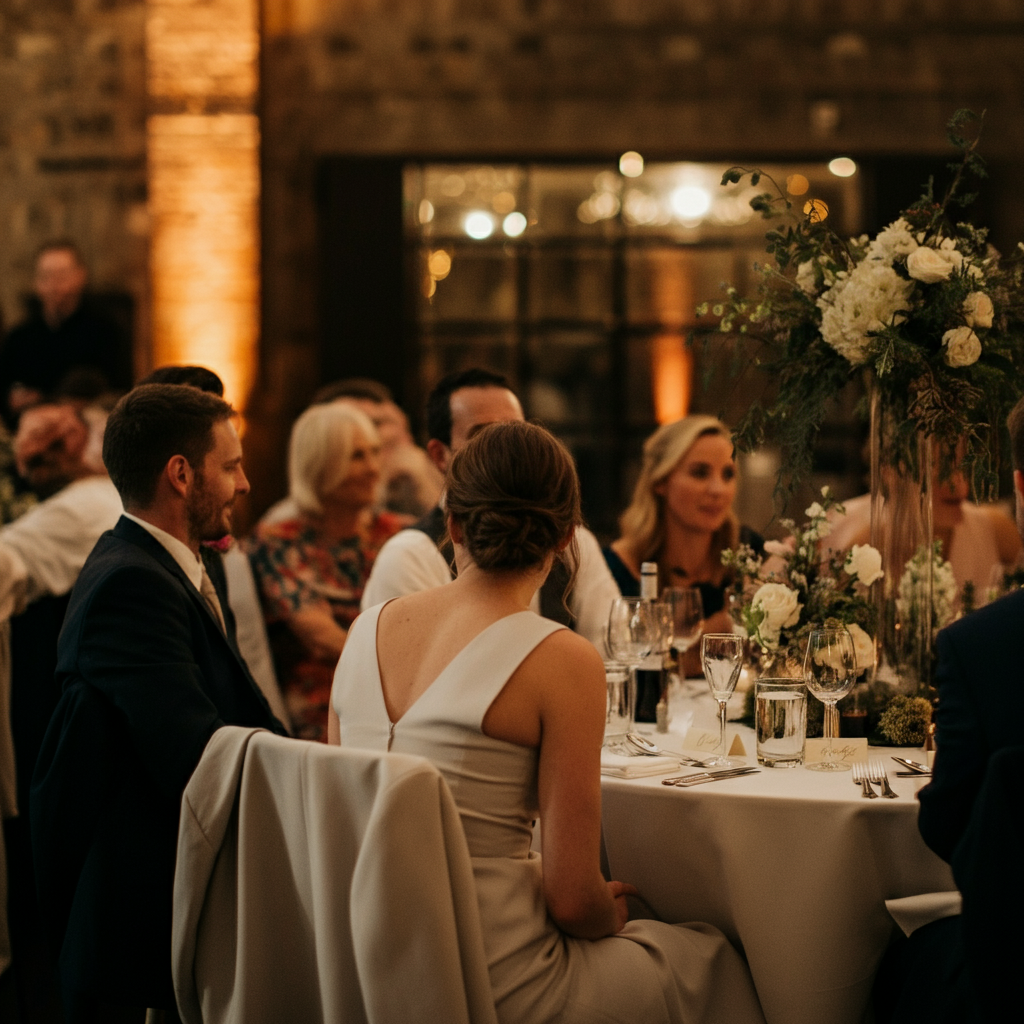
Many couples focus solely on their own needs and desires, forgetting to prioritize the comfort and enjoyment of their guests. Consider factors such as seating arrangements (avoid placing feuding relatives together!), providing adequate shade or heating depending on the weather, offering comfortable seating options for elderly or disabled guests, and ensuring sufficient restroom facilities are available. Guest comfort translates directly to a more positive wedding experience for everyone involved.
Step 4: The "Day-Of" Emergency Kit
Assemble a comprehensive emergency kit to handle unexpected mishaps on your wedding day. This kit should include essentials such as pain relievers, band-aids, safety pins, a small sewing kit, stain remover, breath mints, hairspray, extra hosiery, and any medications you or your wedding party might need. Having these items readily available can prevent minor inconveniences from escalating into major disruptions. Designate a reliable member of the wedding party to be in charge of the kit.

Step 5: Transportation Logistics
Transportation is a critical logistical component that's often overlooked. Plan transportation not only for yourselves but also for your wedding party and any guests who may require it, especially if the ceremony and reception venues are located far apart. Confirm pickup times and locations with your transportation provider well in advance, and provide clear instructions to your guests. Consider providing shuttle services from hotels to the venue to ensure everyone arrives safely and on time.

Common Mistakes to Avoid
- Failing to read vendor contracts thoroughly.
- Underestimating the time required for hair and makeup.
- Not assigning clear roles and responsibilities to members of the wedding party.
- Forgetting to eat or drink enough throughout the day.
- Neglecting to create a backup plan for inclement weather.
Pro Tips
- Hire a day-of coordinator to handle last-minute details and ensure everything runs smoothly.
- Prepare a detailed timeline and share it with all vendors and members of the wedding party.
- Take a few moments throughout the day to step back and savor the experience.
FAQ Section
Q: What if we go over budget?
A: Review your priorities and identify areas where you can cut back. Consider DIY options or negotiate with vendors to find more affordable solutions. It's better to make adjustments early on than to incur debt.
Q: How far in advance should we book our vendors?
A: Popular venues and vendors can book up quickly, especially during peak wedding season. It's generally recommended to book at least 9-12 months in advance.
In conclusion, while the big picture elements of wedding planning are exciting, focusing on the often-overlooked details can make the difference between a chaotic day and a flawlessly executed celebration. By budgeting for the unexpected, maintaining clear communication with vendors, prioritizing guest comfort, preparing an emergency kit, and carefully planning transportation logistics, you can minimize stress and ensure a truly unforgettable wedding day.