Choosing the wedding dinner menu can feel like one of the most daunting tasks in wedding planning. After all, you want to ensure your guests are well-fed and happy, and the food often leaves a lasting impression. From formal plated dinners to casual buffets, the options seem endless. But don't worry! With a strategic approach, you can curate a delicious and memorable meal that reflects your personal style and caters to your guests' preferences.
This comprehensive guide will walk you through the process, helping you navigate everything from budgeting and guest considerations to dietary restrictions and seasonal ingredients. We’ll break down each step, providing practical tips and expert advice to make your wedding dinner decision a delicious success. Get ready to create a culinary experience that complements your special day perfectly.
Remember, the goal is to create a menu that you and your partner love, and that your guests will enjoy. It's a reflection of your personalities and a key part of the celebration!
Step 1: Define Your Budget and Guest Count
Before you even begin brainstorming menu ideas, it's crucial to establish a realistic budget. Catering can be a significant wedding expense, so knowing your financial limitations from the outset will guide your choices. Once you have a preliminary guest list, factor in the per-person catering cost. Remember to include service fees, taxes, and potential extras like late-night snacks or an open bar when calculating the total cost. It’s always best to get several quotes from different caterers before making any decisions. Don't forget to allocate a buffer for unexpected costs; it’s better to overestimate than underestimate.

Step 2: Consider Your Wedding Style and Venue
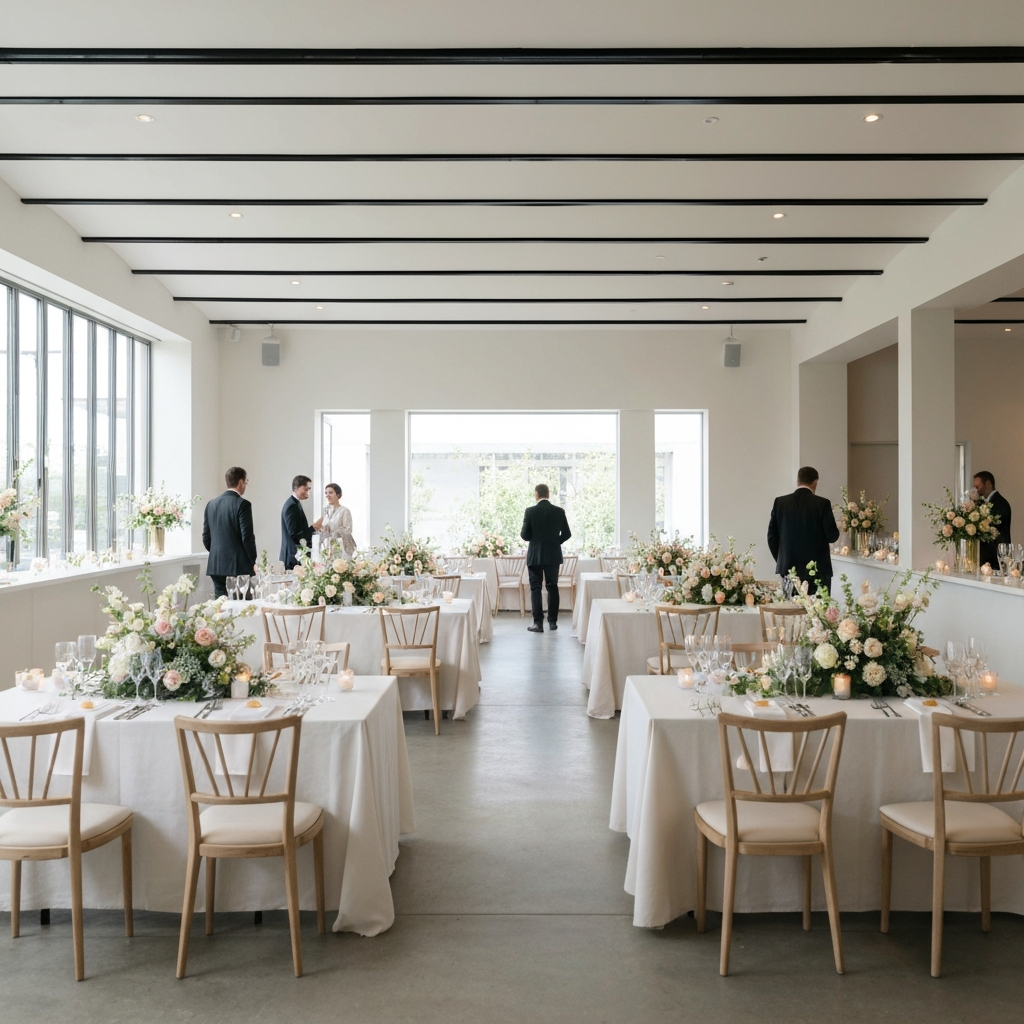
The style of your wedding should heavily influence your menu choices. A formal ballroom wedding calls for a more elegant plated dinner, while a relaxed outdoor reception might be better suited for a buffet or food stations. The venue itself can also play a role; some venues have preferred caterers or limitations on what types of food preparation are allowed. For example, a rustic barn setting might lend itself to BBQ or family-style dining. Take advantage of the venue's ambiance and choose a menu that complements the overall aesthetic.
Step 3: Gather Guest Information and Dietary Restrictions
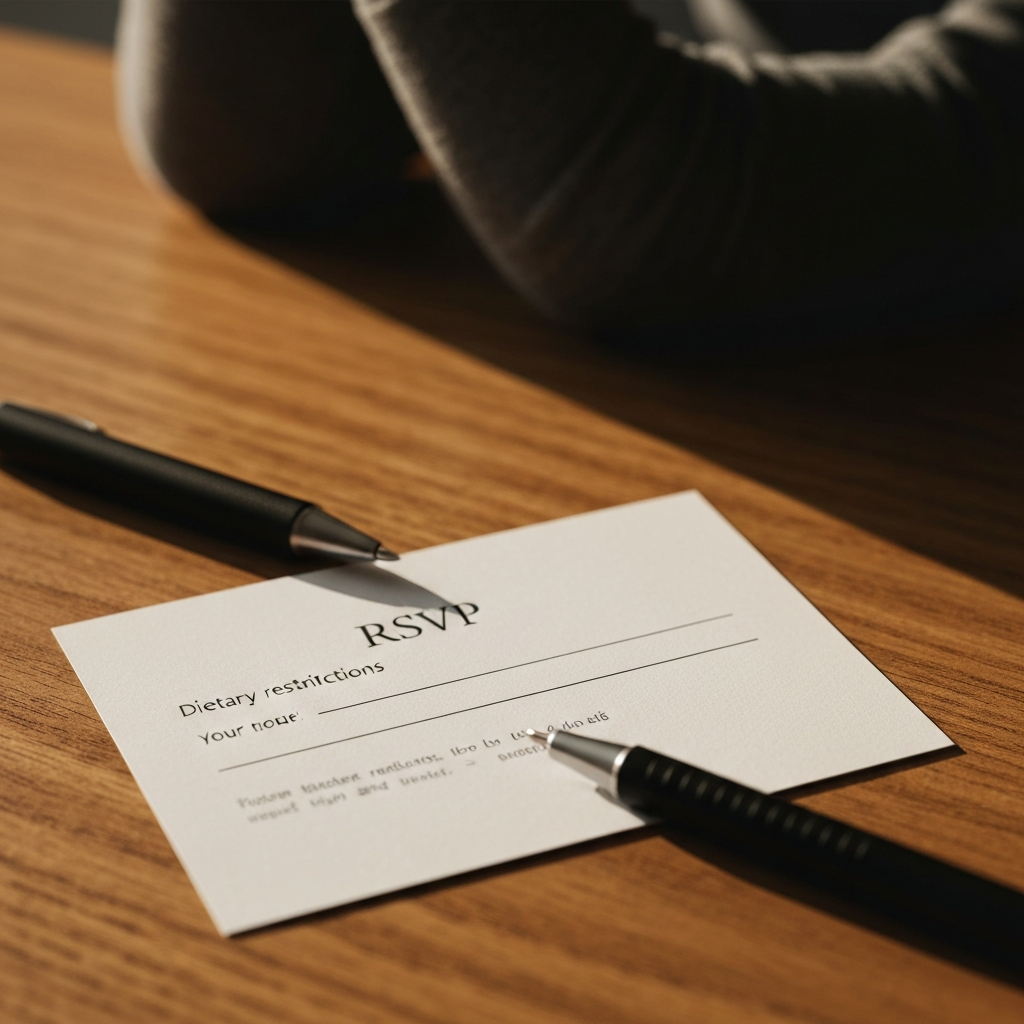
It's vital to consider your guests' dietary needs and preferences. Include a space on your RSVP cards for guests to indicate any allergies, intolerances, or dietary restrictions (vegetarian, vegan, gluten-free, etc.). Once you've collected this information, work closely with your caterer to create a menu that offers suitable options for everyone. Providing clear labels on buffet items or offering alternative meal choices for guests with specific needs demonstrates consideration and ensures everyone can enjoy the celebration. Communicate proactively with your caterer about the prevalence of particular dietary requirements among your guests, so they can prepare accordingly. Failure to accommodate dietary needs can lead to very unhappy guests.
Step 4: Choose a Serving Style
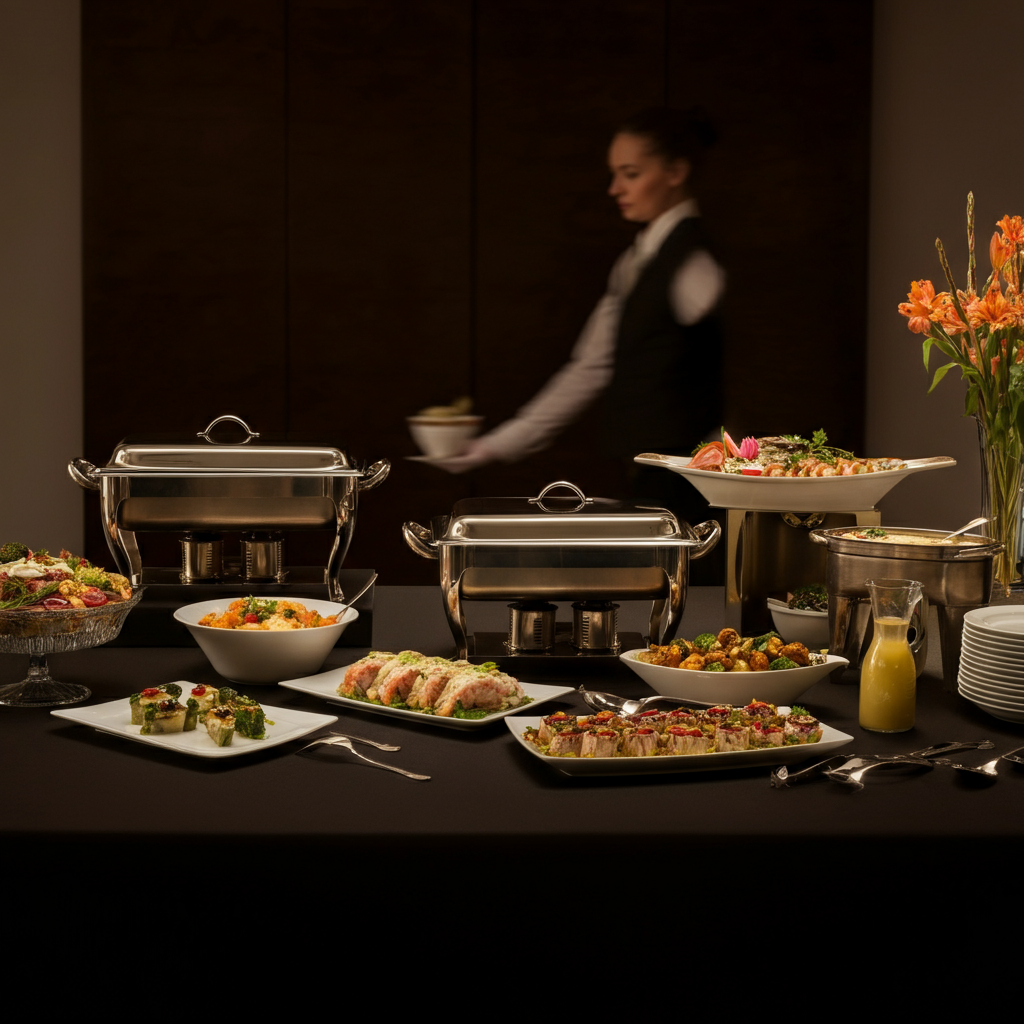
The serving style significantly impacts the overall experience and budget. Common options include: plated dinners (formal, served to each guest), buffet (more casual, guests serve themselves), food stations (interactive, themed stations with various options), family-style (platters served at each table for guests to share), and cocktail reception (heavy appetizers and drinks throughout the event). Each style has its pros and cons. Plated dinners offer a formal and elegant feel but are often the most expensive. Buffets and food stations offer variety and flexibility but require more space and staffing. Family-style dining encourages interaction but can be challenging to manage with dietary restrictions. Cocktail receptions are ideal for shorter, more informal events.
Step 5: Select Your Menu Items
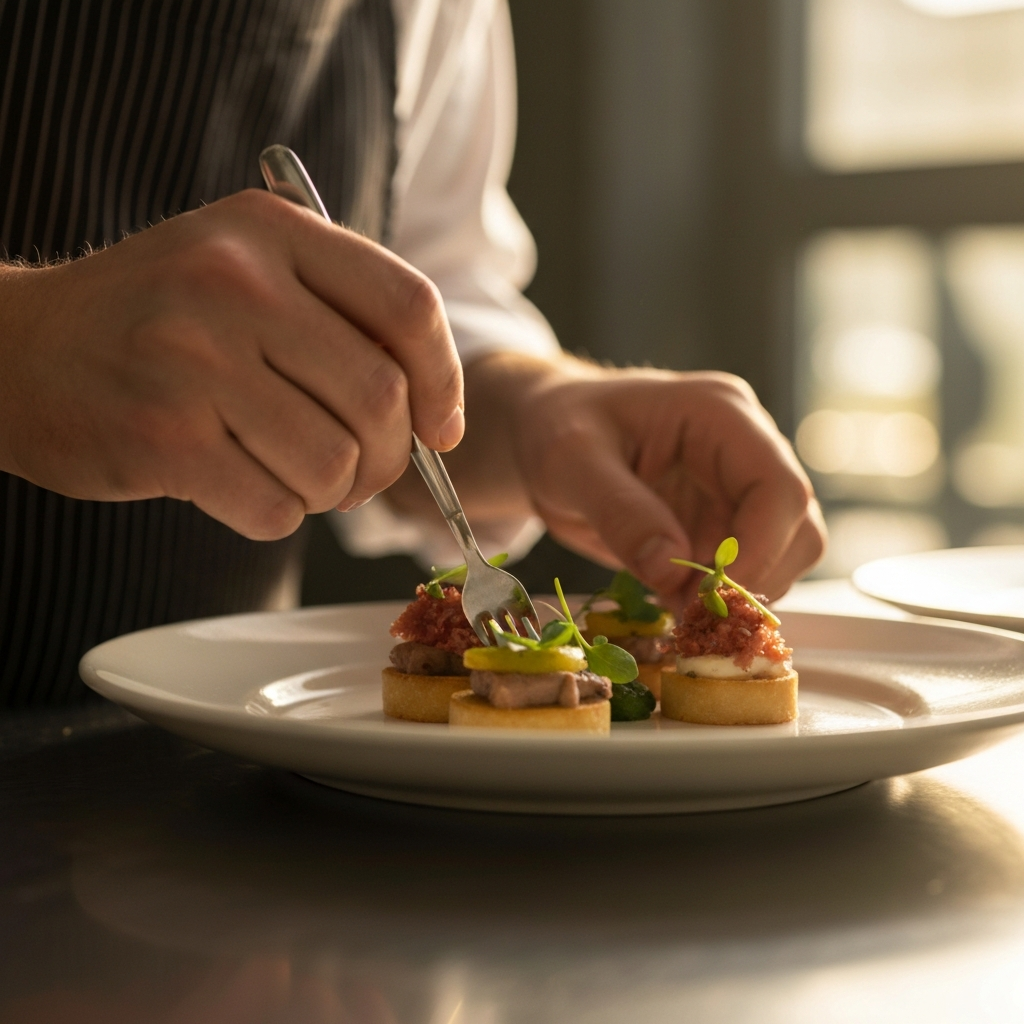
Now comes the fun part: choosing the actual food! Start by considering seasonal ingredients, as they are typically fresher and more flavorful. Work with your caterer to create a balanced menu that includes appetizers, entrees, sides, and desserts. Offer a variety of flavors and textures to appeal to a wide range of palates. Consider offering a signature dish or incorporating a food item that is meaningful to you as a couple. Don't be afraid to get creative and personalize your menu. For example, if you both love Italian food, incorporate a pasta station or a bruschetta bar. Schedule a tasting with your caterer to sample different options and make informed decisions. This is your opportunity to refine the menu and ensure everything is delicious.
Step 6: Don't Forget the Drinks
Beverages are just as important as the food! Consider offering a variety of options, including alcoholic and non-alcoholic choices. Water, soda, juice, beer, wine, and signature cocktails are all popular choices. Work with your caterer or bar service to determine the appropriate quantities of each beverage based on your guest count and preferences. Consider offering a welcome drink as guests arrive to set the tone for the celebration. Remember to factor in the cost of alcohol and bar service when budgeting for your wedding dinner.

Step 7: Plan for Dessert
While the wedding cake is a traditional dessert option, don't feel limited to it. Consider offering a dessert bar with a variety of sweets, such as mini pastries, cookies, candies, and fruit. This allows guests to choose their favorites and offers something for everyone. You could also consider a gelato or ice cream station, especially for summer weddings. If you're having a plated dinner, work with your caterer to create a delicious and visually appealing dessert that complements the overall menu. If opting for a wedding cake, ensure you have alternative dessert options for those who do not prefer cake.

Tools or Materials Required
- Budgeting Spreadsheet
- Guest List
- RSVP Cards
- Catering Quotes
- Sample Menus
- Dietary Restriction Information from Guests
Common Mistakes to Avoid
- Underestimating the cost of catering.
- Not considering guest dietary restrictions.
- Choosing a menu that doesn't reflect your style.
- Failing to schedule a tasting with your caterer.
- Not offering enough beverage options.
FAQ Section
- How far in advance should I book my caterer?
- Ideally, you should book your caterer 9-12 months in advance, especially if you're getting married during peak season.
- How many appetizers should I offer during cocktail hour?
- A good rule of thumb is to offer 3-5 appetizers per person if it's a full meal replacement, or 1-2 if it's just a light snack before dinner.
- What if some guests don't RSVP on time?
- Follow up with those guests to get an accurate headcount. It's crucial for catering purposes.
Conclusion
Deciding what to serve for dinner at your wedding is a multi-faceted process. By carefully considering your budget, wedding style, guest preferences, and serving style, you can create a delicious and memorable dining experience that complements your special day. Remember to communicate openly with your caterer, schedule a tasting, and don't be afraid to personalize your menu to reflect your unique personalities as a couple. With thoughtful planning and attention to detail, your wedding dinner will be a resounding success!