Cats are creatures of mystery, and one of the most perplexing behaviors for cat owners is their tendency to run away. It's a heart-wrenching experience to realize your feline companion is missing, and understanding the reasons behind this behavior is the first step towards prevention and a quicker reunion.
While some may believe cats run away out of unhappiness, the reality is often more complex. From natural instincts to environmental factors, a multitude of reasons can lead a cat to leave home. Understanding these motivations can empower owners to create a safer and more enriching environment for their beloved pets, minimizing the risk of them straying.
This comprehensive guide explores the common reasons why cats run away, offering practical advice and solutions to keep your feline friend safe and sound. We'll delve into feline psychology, environmental enrichment, and preventative measures that every cat owner should consider.
-
Step 1: The Call of the Wild: Exploring and Territory Marking
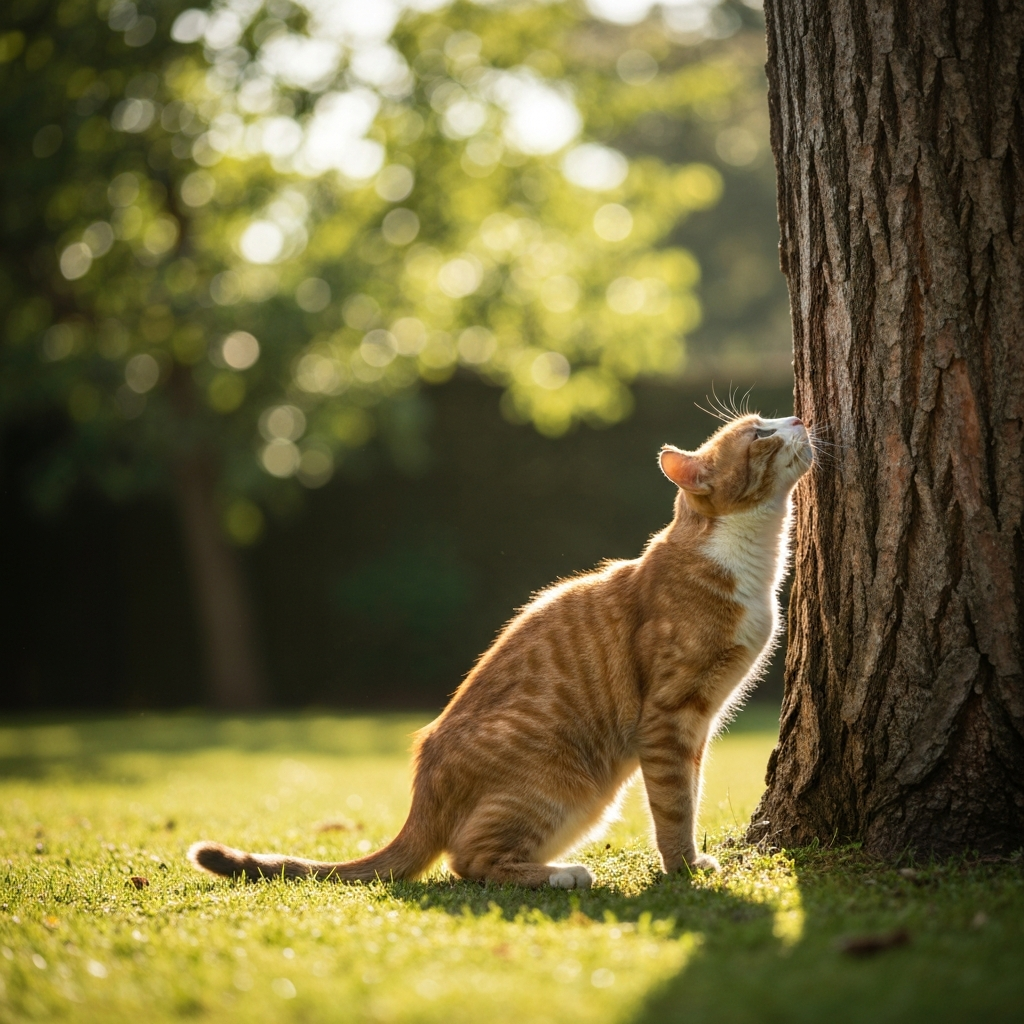
A primary reason cats run away is their innate curiosity and instinct to explore. Cats are territorial animals, and even domesticated felines retain the urge to patrol and mark their territory. This instinct can lead them further and further away from home, especially if they perceive a threat or competition from other cats in the neighborhood. Unspayed or unneutered cats are especially prone to territorial roaming, as their hormones drive them to expand their domain.
-
Step 2: The Hunger Games: Hunting and Seeking Alternative Food Sources
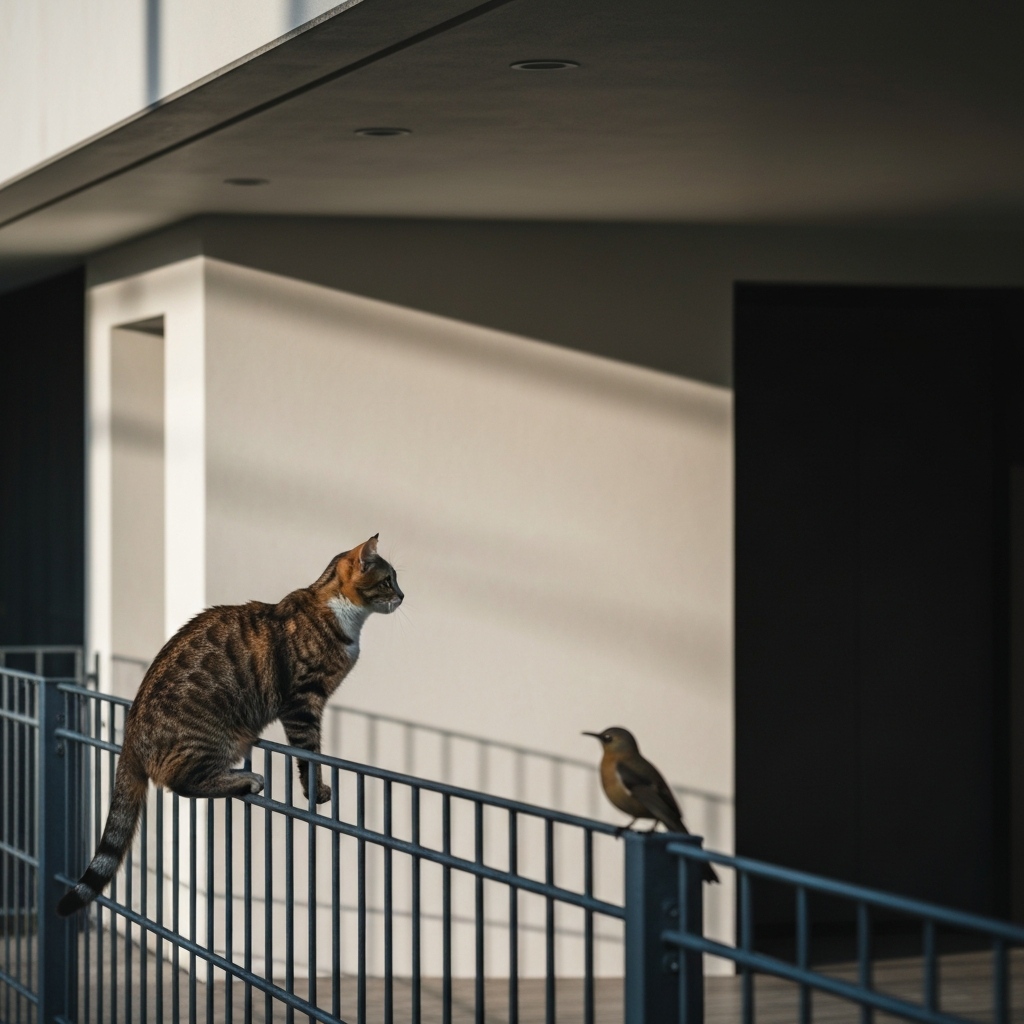
Despite being well-fed at home, cats retain their hunting instincts. The thrill of the chase and the satisfaction of catching prey can be a powerful motivator. Moreover, if a cat discovers an alternative food source, such as a neighbor who offers treats or an accessible dumpster, they may be tempted to stray in search of a free meal. A consistent and satisfying feeding schedule at home can help mitigate this behavior, ensuring your cat isn't driven by hunger to explore elsewhere.
-
Step 3: The Mating Game: Seeking a Partner During Heat
Unspayed female cats in heat will often do anything to find a mate. The hormonal drive is incredibly strong, and they may escape through open doors or windows, driven by their reproductive instincts. Similarly, unneutered male cats will roam far and wide in search of a female in heat, often engaging in aggressive behavior with other males along the way. Spaying or neutering your cat is the single most effective way to prevent this type of runaway behavior, and it also offers significant health benefits.
-
Step 4: The Double Life: A Second Home and Affection
It may be disheartening to consider, but some cats run away because they've found a "second home" where they receive food, shelter, and affection. A kind neighbor might be unintentionally luring your cat away with treats and attention. While it's difficult to control the actions of others, ensuring your cat wears a collar with identification and contact information can help prevent this. Talking to your neighbors about your cat's situation can also help, politely requesting that they not feed or encourage your cat to stay.

-
Step 5: The Hidden Pain: Seeking Seclusion During Illness or Injury
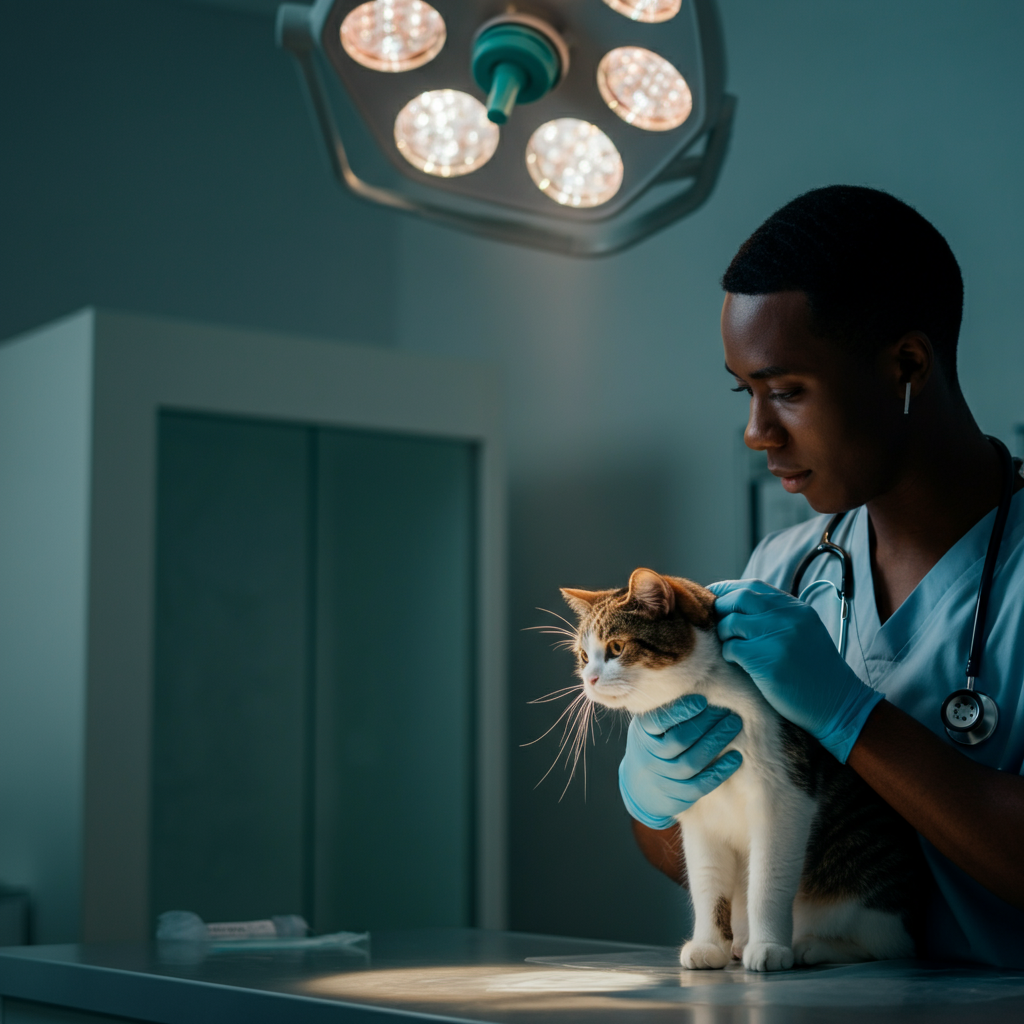
Cats are masters at hiding pain and illness. When feeling unwell, their instinct is to find a secluded and safe place to recover. If they can't find a suitable hiding spot inside your home, they may venture outside in search of a quiet refuge. This is particularly dangerous, as a sick or injured cat is more vulnerable to predators and other hazards. If you suspect your cat is unwell, observe them closely for any signs of illness or injury and seek veterinary care promptly.

-
Step 6: The Flight Response: Fear, Stress, and Environmental Changes
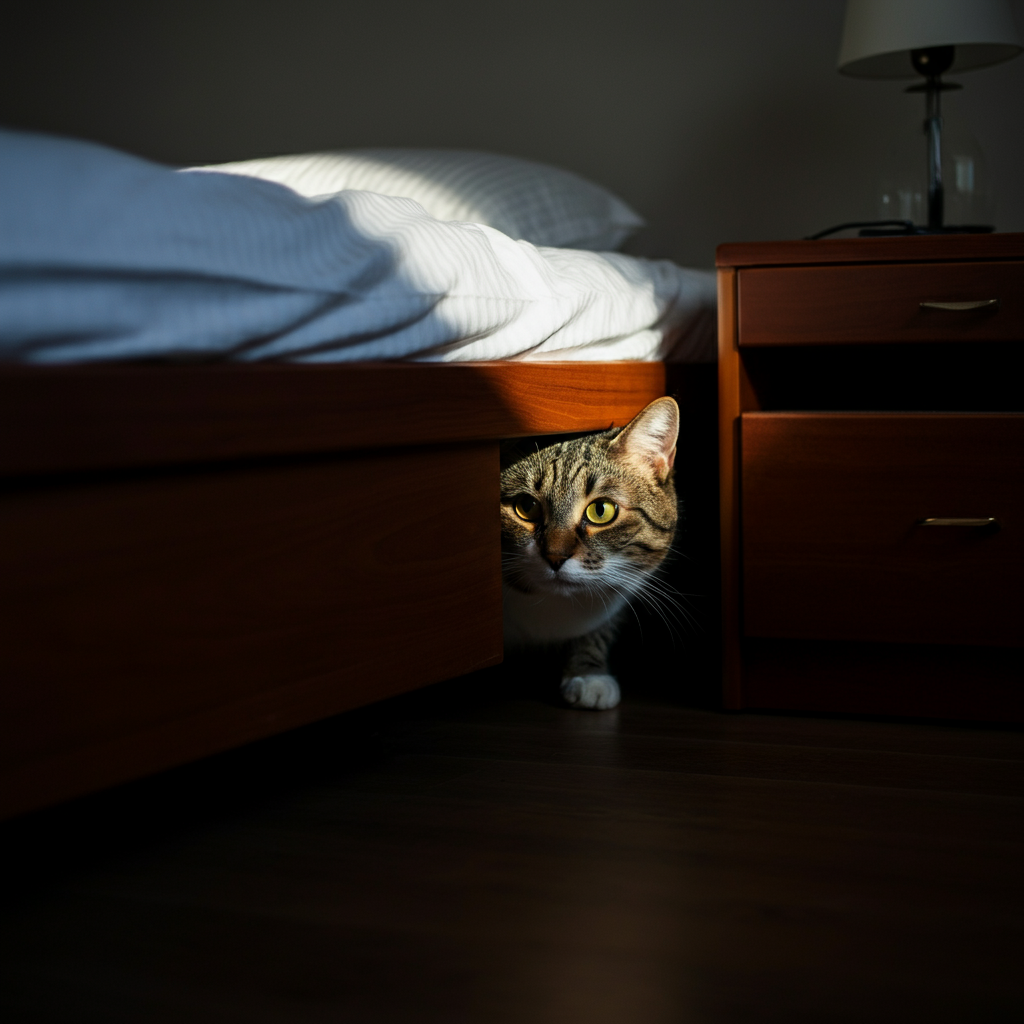
Cats are creatures of habit, and sudden changes in their environment can trigger a stress response that leads them to run away. Loud noises, new pets, unfamiliar visitors, or even rearranging furniture can create anxiety and a desire to escape. Providing your cat with a safe and secure space, such as a quiet room or a comfortable hiding place, can help them cope with stressful situations and reduce the likelihood of them running away.
-
Step 7: The Neglect Factor: Feeling Uncared For
While less common, a cat may run away if they feel neglected or uncared for. This can be due to insufficient food and water, a lack of attention and affection, or an unclean living environment. Cats thrive on routine and consistent care. Ensuring your cat's basic needs are met and that they receive plenty of love and attention is crucial for their well-being and their desire to stay home.

Tools or Materials Required (Prevention Focus)
- Cat collar with identification tag and contact information
- Microchip (administered by a veterinarian)
- GPS tracking collar (optional)
- Spay/neuter appointment
- Cat toys and enrichment items
- Comfortable cat bed or hiding place
Common Mistakes to Avoid
- Leaving doors and windows open without screens.
- Failing to provide adequate enrichment for indoor cats.
- Ignoring signs of stress or anxiety in your cat.
- Delaying spaying or neutering.
- Not updating contact information on microchips and collars.
Safety Considerations
- Ensure your cat's collar is a breakaway collar to prevent choking hazards.
- Regularly check your cat for fleas and ticks.
- Keep toxic substances out of your cat's reach.
FAQ Section
- Q: Will my cat come back if it runs away? A: Many cats return home on their own, especially if they are familiar with the area. However, there's no guarantee, so it's crucial to take proactive steps to search for them.
- Q: How far will a cat travel when it runs away? A: This varies depending on the cat's personality, environment, and motivation. Some cats stay close to home, while others can travel several miles.
- Q: Is it cruel to keep a cat indoors? A: Not necessarily. Indoor cats can live happy and fulfilling lives with proper enrichment and stimulation. A catio is a great way to give them safe outdoor access.
In conclusion, understanding the motivations behind why cats run away is crucial for responsible pet ownership. By addressing their natural instincts, providing a safe and enriching environment, and taking preventative measures, you can significantly reduce the risk of your feline friend going missing and ensure a long and happy life together. Remember, a happy cat is a cat that stays home.