Traveling with pets can be a rewarding experience, allowing you to share adventures with your furry, scaled, or feathered companions. However, it also requires careful planning and preparation to ensure their safety and comfort throughout the journey. Whether you're relocating, visiting family, or embarking on a long-awaited vacation, flying with your pet demands meticulous attention to detail. This guide provides a step-by-step approach to navigating the complexities of air travel with animals, covering everything from airline regulations to pre-flight preparations.
Before embarking on your journey, it's crucial to assess whether flying is truly the best option for your pet. Short trips or vacations might be better suited to leaving your pet in the care of a trusted friend, family member, or professional pet sitter. Air travel can be stressful for animals, and minimizing that stress is always the primary goal. However, if flying is necessary, understanding the specific requirements and procedures will help you create the safest and most comfortable experience possible for your beloved companion.
This comprehensive guide will cover both in-cabin and cargo travel options, addressing the unique considerations for each. We'll delve into airline-specific policies, health requirements, carrier specifications, and essential pre-flight preparations. By following these guidelines, you can significantly reduce the risks associated with air travel and ensure a smooth and enjoyable journey for both you and your pet.
Step 1: Determine if Flying is Necessary and the Best Option
The first, and arguably most important, step is to honestly evaluate whether flying is truly the best option for your pet. Consider the length of the trip, your pet's temperament, and any pre-existing health conditions. If your trip is short, or your pet is particularly anxious or prone to travel sickness, exploring alternatives like pet sitters or boarding facilities may be preferable. Flying can be a stressful experience for animals, and subjecting them to unnecessary stress should be avoided. If relocation or other unavoidable circumstances necessitate flying, proceed with the remaining steps.

Step 2: Research Airline Policies and Restrictions
Each airline has its own specific policies and restrictions regarding pet travel, including breed restrictions, size limitations for in-cabin travel, carrier requirements, and health documentation requirements. Thoroughly research the policies of the airline you intend to fly with well in advance of your trip. Pay close attention to any breed restrictions, as some airlines prohibit certain breeds, particularly brachycephalic (short-nosed) breeds like bulldogs and Persian cats, due to their increased risk of breathing problems at altitude. Contact the airline directly if you have any questions or require clarification on their policies.

Step 3: Choose the Right Carrier
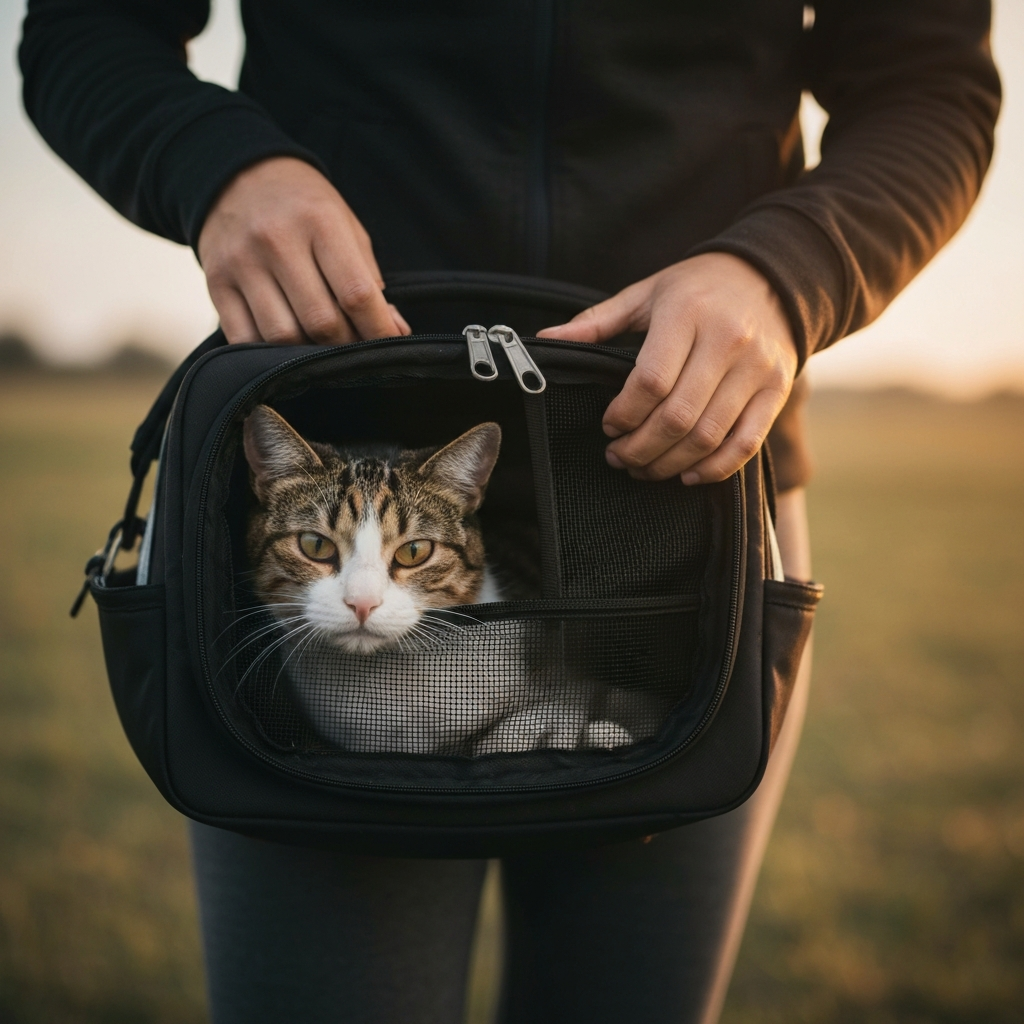
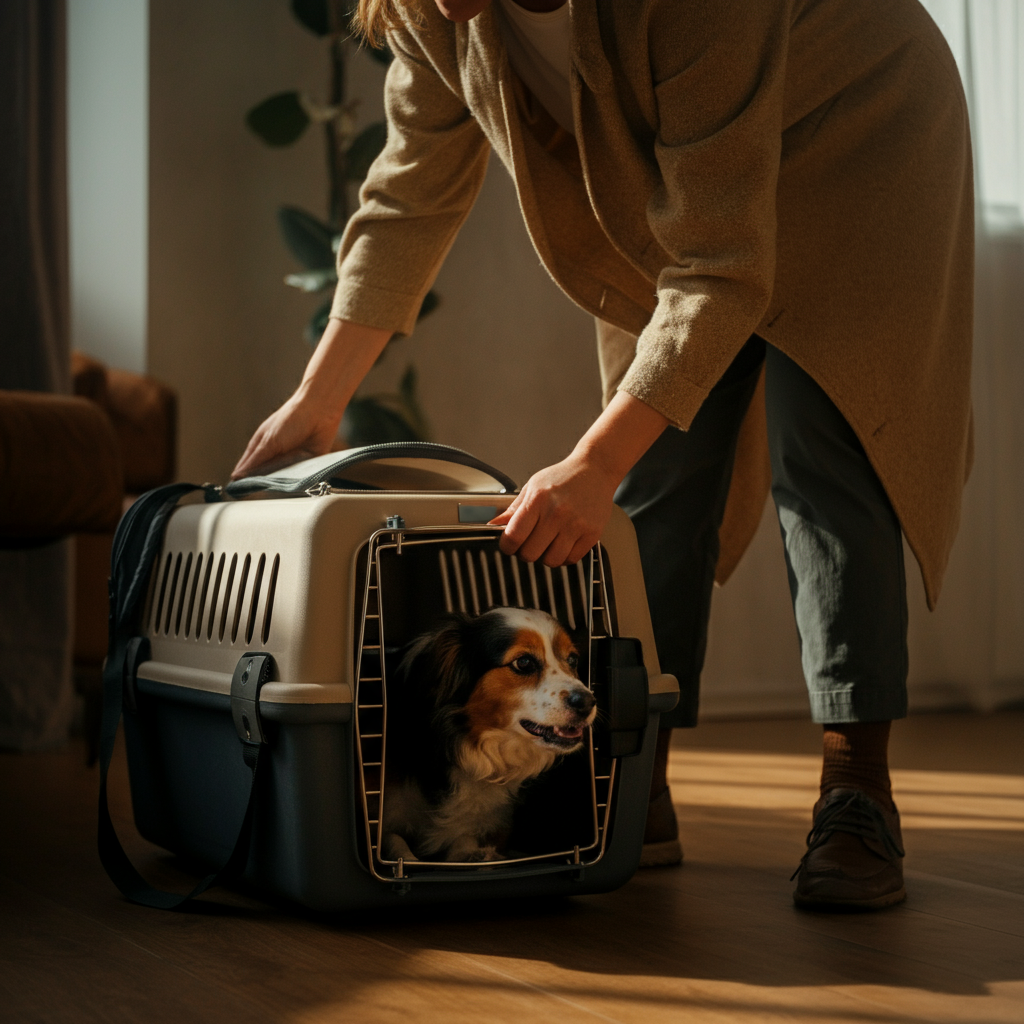
Selecting the appropriate carrier is critical for your pet's safety and comfort. For in-cabin travel, the carrier must be small enough to fit comfortably under the seat in front of you and must meet the airline's size and construction requirements. Ensure the carrier is well-ventilated, leak-proof, and made of durable materials. For cargo travel, the carrier must comply with IATA (International Air Transport Association) regulations, which specify requirements for size, construction, ventilation, and labeling. The carrier should be large enough for your pet to stand, turn around, and lie down comfortably. Familiarize your pet with the carrier well in advance of the trip to reduce stress and anxiety.
Step 4: Schedule a Veterinary Check-Up and Obtain Required Documentation
Before flying, schedule a comprehensive veterinary check-up for your pet to ensure they are healthy enough to travel. Obtain a health certificate from your veterinarian, which is typically required by airlines and may also be required by the destination country. Ensure all vaccinations are up-to-date, especially rabies, and that you have proof of vaccination readily available. If your pet has any pre-existing health conditions, obtain a letter from your veterinarian outlining the condition and any necessary accommodations. Research the import requirements of your destination country, as some countries have strict quarantine regulations or require specific documentation.

Step 5: Prepare Your Pet for the Flight
Acclimate your pet to the carrier well in advance of the flight. Place familiar bedding and toys inside the carrier to make it more comfortable and inviting. Encourage your pet to spend time in the carrier each day, gradually increasing the duration. Avoid feeding your pet a large meal immediately before the flight to minimize the risk of motion sickness. However, provide water and a small snack several hours before departure. Consider using calming pheromone sprays or diffusers, such as those containing synthetic copies of feline or canine facial pheromones, to help reduce anxiety. Consult with your veterinarian before using any medications or supplements to calm your pet.
Step 6: On the Day of Travel
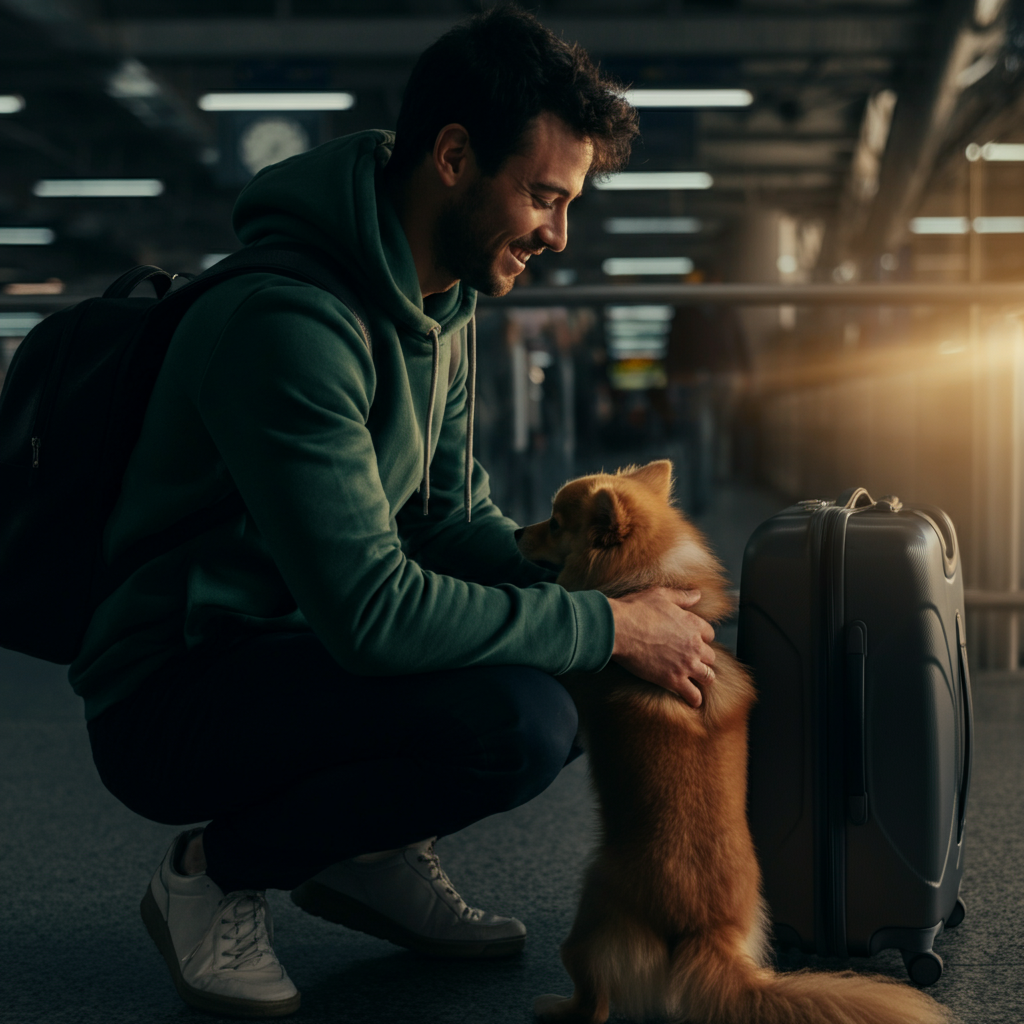
Arrive at the airport well in advance of your scheduled departure time to allow ample time for check-in and security procedures. Inform the airline staff that you are traveling with a pet and confirm that all necessary documentation is in order. Keep your pet on a leash or in a secure carrier at all times while in the airport. Locate pet relief areas in the airport, if available, to allow your pet to relieve themselves before boarding. Board the plane as early as possible to secure space under the seat in front of you for the carrier (if traveling in-cabin). Once on board, keep your pet in the carrier for the duration of the flight, unless otherwise instructed by the flight crew.

Step 7: After Arrival
Upon arrival at your destination, immediately retrieve your pet from the baggage claim area or cargo facility. Inspect your pet carefully for any signs of distress or injury. Provide fresh water and a small meal as soon as possible. Allow your pet to relieve themselves in a designated area. If you notice any concerning symptoms, such as lethargy, difficulty breathing, or lameness, seek veterinary attention immediately. Allow your pet time to adjust to their new surroundings and provide plenty of reassurance and affection.
Common Mistakes to Avoid
- Failing to research airline policies thoroughly.
- Using an inadequate or non-compliant carrier.
- Neglecting to obtain necessary health documentation.
- Feeding your pet a large meal before the flight.
- Not acclimating your pet to the carrier beforehand.
- Using tranquilizers without veterinary consultation.
Safety Considerations
- Never allow your pet to roam freely in the airport or on the plane.
- Ensure your pet has access to fresh water at all times.
- Protect your pet from extreme temperatures.
- Monitor your pet closely for signs of distress.
FAQ Section
Q: Can I give my pet a tranquilizer before the flight?
A: Only administer tranquilizers or sedatives under the guidance of your veterinarian. Some medications can have adverse effects at altitude.
Q: What if my pet gets sick during the flight?
A: Inform the flight crew immediately. They may be able to provide assistance or advice.
Q: What if my pet is lost during travel?
A: Report the loss to the airline immediately and provide them with a recent photo of your pet and the carrier.
Conclusion
Flying with pets requires diligent planning and preparation, but by following these guidelines, you can significantly improve the safety and comfort of your pet's journey. Remember to prioritize your pet's well-being at every stage of the process, from pre-flight preparations to post-arrival care. With careful attention to detail and a proactive approach, you can ensure a smooth and enjoyable travel experience for both you and your beloved companion. Always consult with your veterinarian and the airline for specific advice tailored to your pet's individual needs.