Finding the right sport can be a game-changer for your physical and mental well-being. Sports offer a fantastic way to stay active, build strength and endurance, develop teamwork skills, and even forge lifelong friendships. But with so many options available, choosing the perfect sport can feel overwhelming. This guide will walk you through the process, from understanding your preferences to trying out different activities.
Many people struggle to identify a sport that aligns with their personality, physical capabilities, and lifestyle. They might jump from one activity to another, feeling discouraged and unsure of where to start. Sound familiar? The good news is that finding the right sport is achievable with a bit of self-reflection and exploration. And, of course, a good "What Sport Should I Play?" quiz can point you in the right direction!
Our goal is to help you discover a sport that you genuinely enjoy, one that motivates you to stay active and engaged. We'll cover everything from assessing your fitness level and interests to understanding the practical considerations of different sports. Let's dive in and find your perfect sporting match!
-
Step 1: Take a "What Sport Should I Play?" Quiz
The easiest first step is taking a quiz to assess your personality and preferences. These quizzes usually take around 5-10 minutes and ask questions about your competitiveness, personality traits (like your preferred element or how extroverted you are), your physical capabilities (running, upper body strength), your preferred social environment (team vs. solo), and how much physical contact you are prepared to handle.
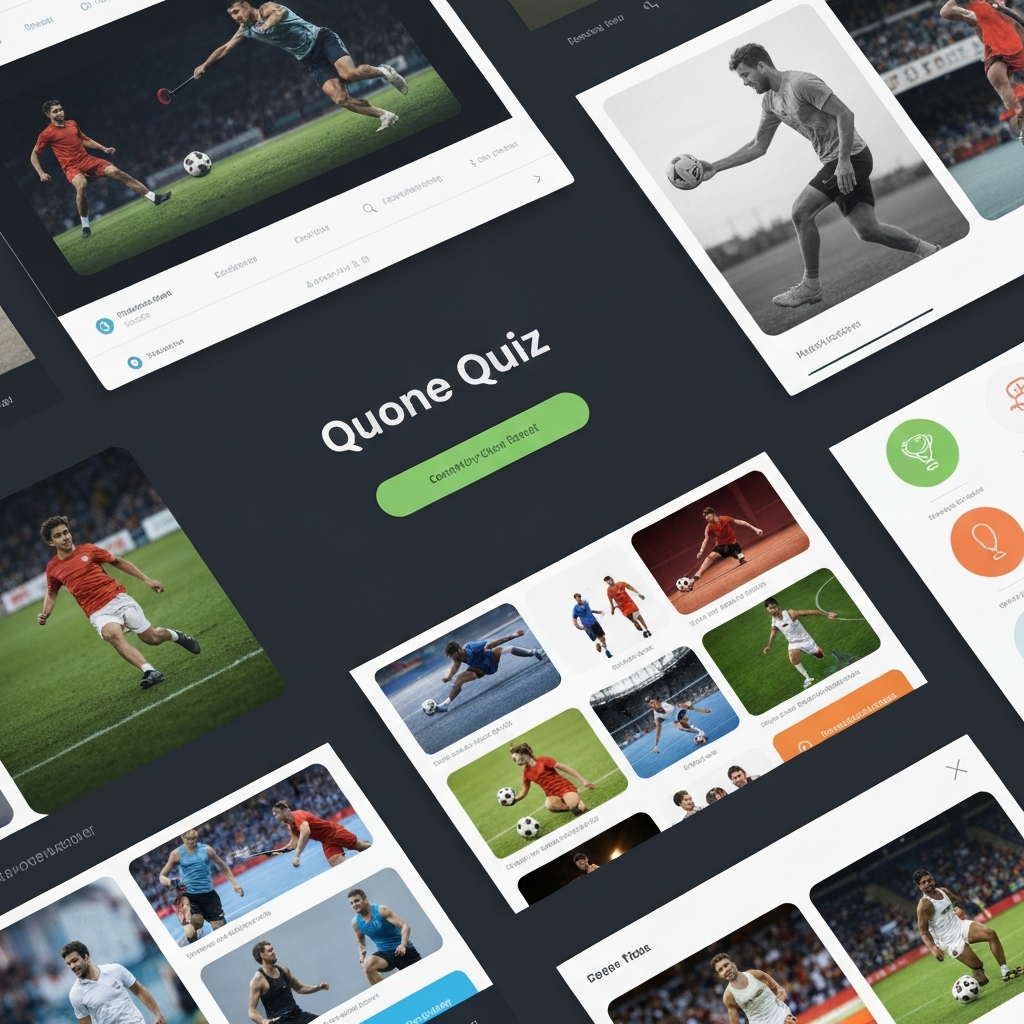
These quizzes often use point systems associated with each answer. For instance, answering "Yes, very much so" to the question of competitiveness might give you points that lean towards a team sport. "Fire" as a personality element can suggest something intense. Some quizzes ask you about which sports you like to watch, providing an easy indicator of your general interest. Keep in mind that while these quizzes are not definitive, they're great starting points for brainstorming.
-
Step 2: Assess Your Physical Abilities and Interests
Before committing to a sport, take an honest look at your current fitness level and physical capabilities. Consider factors such as your endurance, strength, agility, and coordination. Are you comfortable with high-impact activities like running and jumping, or do you prefer low-impact options like swimming or yoga? Do you have any pre-existing injuries or physical limitations that might affect your ability to participate in certain sports? Also, consider your athletic strengths. If you are naturally fast, that might be an asset in track, soccer, or basketball. If you have great hand-eye coordination, you might excel at tennis, baseball, or golf. Don't ignore your natural talents!
Furthermore, think about what you genuinely enjoy doing. What activities do you find yourself drawn to? What types of movements feel natural and comfortable to you? Choosing a sport that aligns with your physical abilities and interests will make it more enjoyable and sustainable in the long run. For example, if you hate running, cross-country probably isn't for you, even if the quiz suggests it.
-
Step 3: Consider Your Personality and Social Preferences
Sports can be broadly categorized into team sports and individual sports, each offering a unique social experience. Team sports, such as basketball, soccer, and volleyball, emphasize collaboration, communication, and shared goals. If you thrive in a team environment and enjoy working with others, a team sport might be a good fit. You'll develop valuable teamwork skills and build strong bonds with your teammates.

On the other hand, individual sports, such as tennis, golf, swimming, and running, offer more independence and self-reliance. If you prefer to work at your own pace and enjoy the challenge of pushing yourself, an individual sport might be more appealing. You'll have the opportunity to develop self-discipline and focus.
-
Step 4: Research Different Sports
Once you have a better understanding of your physical abilities, interests, and personality, it's time to explore different sports. Start by researching the basics of each sport, including the rules, equipment required, and physical demands involved. Watch videos of professional athletes playing the sport to get a sense of the movements and strategies involved. Read articles and blog posts from experienced players and coaches to learn more about the sport's nuances and challenges. Don't just rely on superficial information; delve deeper to understand the true nature of each sport.
Pay attention to the specific skills and abilities required for each sport. For example, basketball requires good hand-eye coordination, agility, and jumping ability, while golf requires precision, focus, and a steady hand. Consider whether you already possess some of these skills or are willing to develop them.
-
Step 5: Factor in Practical Considerations: Cost, Time Commitment, and Location
While passion is important, you need to make sure the sports you're considering are realistic for your circumstances. Cost is a significant factor. Some sports, like golf or ice hockey, require expensive equipment, membership fees, and travel costs. Others, like running or calisthenics, can be done with minimal investment. Be honest about what you can afford before getting your heart set on something. Beyond initial costs, consider ongoing expenses like league fees, uniform costs (if applicable), and training costs.
Time commitment is another crucial consideration. Team sports often require regular practices, games, and travel time, which can be demanding if you have a busy schedule. Individual sports may offer more flexibility but still require dedicated time for training and practice. Be realistic about how much time you can realistically dedicate to a new sport each week.
Finally, consider location and accessibility. Are there facilities or locations near you where you can participate in the sport? If you're interested in swimming, is there a public pool or swimming club nearby? If you want to play tennis, are there public courts available? The closer and more accessible the sport is, the more likely you are to stick with it. If you live in an area with snowy winters, cross-country skiing might be readily accessible, where soccer might be limited.
-
Step 6: Try Out Different Sports
The best way to know if a sport is right for you is to try it out firsthand. Many sports organizations and community centers offer introductory classes, workshops, or open houses where you can sample different activities. Take advantage of these opportunities to experience the sport firsthand and see if it feels like a good fit. Even better, find a friend who already plays and ask if you can join them for a casual practice or game.
Don't be afraid to try something completely new or outside of your comfort zone. You might be surprised at what you discover! Remember, it's okay to try a sport and decide that it's not for you. The goal is to explore different options and find something that you genuinely enjoy.
-
Step 7: Set Realistic Goals and Expectations
As you begin participating in a new sport, it's important to set realistic goals and expectations. Don't expect to become an expert overnight. It takes time, practice, and dedication to develop proficiency in any sport. Start with small, achievable goals and gradually increase the difficulty as you improve. Celebrate your progress along the way and don't get discouraged by setbacks.
Focus on the process of learning and improving, rather than solely on the outcome. Enjoy the challenges, embrace the mistakes, and appreciate the journey. Remember, the goal is to have fun and stay active, not to win every game or break every record.
Common Mistakes to Avoid
- Ignoring Physical Limitations: Pushing yourself too hard, too soon can lead to injuries. Listen to your body and modify activities as needed.
- Focusing Solely on Winning: This can take the fun out of sports. Emphasize personal growth and enjoyment instead.
- Being Afraid to Quit: If you genuinely dislike a sport, don't force yourself to continue. It's okay to move on and find something that you enjoy more.
- Neglecting Warm-Ups and Cool-Downs: These are essential for preventing injuries and promoting recovery.
- Not Seeking Guidance: A qualified coach or instructor can provide valuable insights and help you improve your technique.
Safety Considerations
Before participating in any sport, it's essential to prioritize your safety. Consult with your doctor or a qualified healthcare professional to ensure that you are physically fit and cleared to participate. Always wear appropriate protective gear, such as helmets, pads, and mouthguards, to minimize the risk of injury. Warm up properly before each activity and cool down afterward to prevent muscle strains and soreness. Stay hydrated by drinking plenty of water, especially during strenuous activities. Listen to your body and stop if you experience any pain or discomfort.
FAQ Section
- Q: How do I find sports clubs or leagues in my area?
A: Check your local community center, YMCA, or parks and recreation department. You can also search online for sports organizations and leagues in your city or town.
- Q: What if I'm not very athletic? Can I still play sports?
A: Absolutely! Sports are for everyone, regardless of their athletic ability. Start with beginner-friendly activities and gradually increase the intensity as you improve. Focus on having fun and staying active, rather than competing at a high level.
- Q: How can I stay motivated to play sports regularly?
A: Find a sport that you genuinely enjoy, set realistic goals, track your progress, and celebrate your achievements. Consider joining a sports club or league to make new friends and stay accountable. Vary your activities to prevent boredom and challenge yourself in new ways.
Conclusion
Finding the right sport is a journey of self-discovery and exploration. By taking the time to assess your physical abilities, interests, and personality, researching different sports, and trying out various activities, you can discover a sport that you genuinely enjoy and that fits your lifestyle. Remember to prioritize safety, set realistic goals, and focus on having fun. So, take that "What Sport Should I Play?" quiz, lace up your shoes, and get ready to embark on an exciting new chapter of your life!