Basketball is a sport that combines athleticism, skill, and strategy. Whether you're aiming to make the varsity team, dominate in your local league, or simply enjoy playing with friends, consistent improvement is key. This guide provides a structured approach to enhancing your basketball abilities, covering essential skills like dribbling, shooting, defense, and teamwork.
Our comprehensive program focuses on practical drills and techniques, designed to progressively build your skills from the ground up. We’ll break down each element of the game, offering actionable advice and highlighting common pitfalls to avoid. Get ready to unlock your full potential on the court and take your game to the next level.
This guide isn't just for beginners; even seasoned players can benefit from revisiting the fundamentals and refining their technique. Let's get started!
Step 1: Mastering the Fundamentals of Dribbling
Grip and Posture
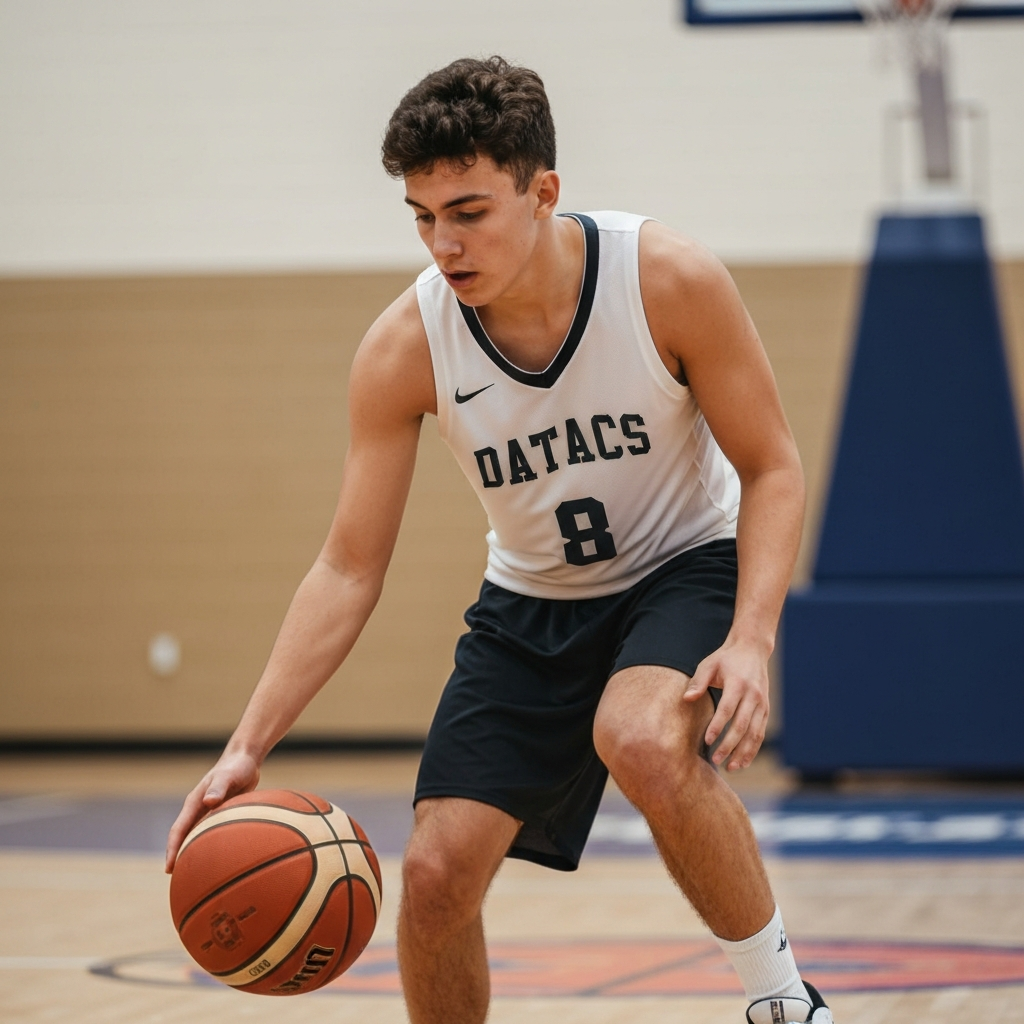
Proper dribbling starts with the correct grip and posture. Keep your knees bent, feet shoulder-width apart, and your weight balanced. Your eyes should be up, scanning the court – not focused on the ball. Use your fingertips to control the ball, pushing it down rather than slapping it. Avoid letting the ball touch your palm; this gives you better control and prevents traveling violations. Practice dribbling the ball no higher than your waist for optimal control and quickness.
A common mistake is dribbling too high, which makes the ball vulnerable to steals. Focus on dribbling low and hard, using your wrist and fingers to maintain control. Aim for a consistent, rhythmic dribble that allows you to move swiftly and confidently.
Step 2: Dribbling Drills for Skill Development
Stationary Dribbling and Hand Alternation
Begin with stationary dribbling drills to build a solid foundation. Dribble the ball with your right hand for 30 seconds, then switch to your left. Focus on maintaining a consistent bounce and keeping your eyes up. As you improve, try alternating hands every few seconds, practicing the crossover dribble. A key element here is repetition. Consistent practice, even for short periods each day (15-20 minutes), will yield significant results over time.
Progress to moving drills, walking and then running while dribbling. Vary the intensity of your dribble – from a soft, controlled bounce to a more powerful dribble for speed. This will help you adapt to different game situations. Remember, dribbling is not just about moving the ball; it's about controlling it under pressure while maintaining awareness of the court.
Tools or Materials Required
- Basketball
- Open space (court, driveway, etc.)
- Cones (optional, for agility drills)
Step 3: Advanced Dribbling Techniques
Crossovers and Behind-the-Back Dribbles
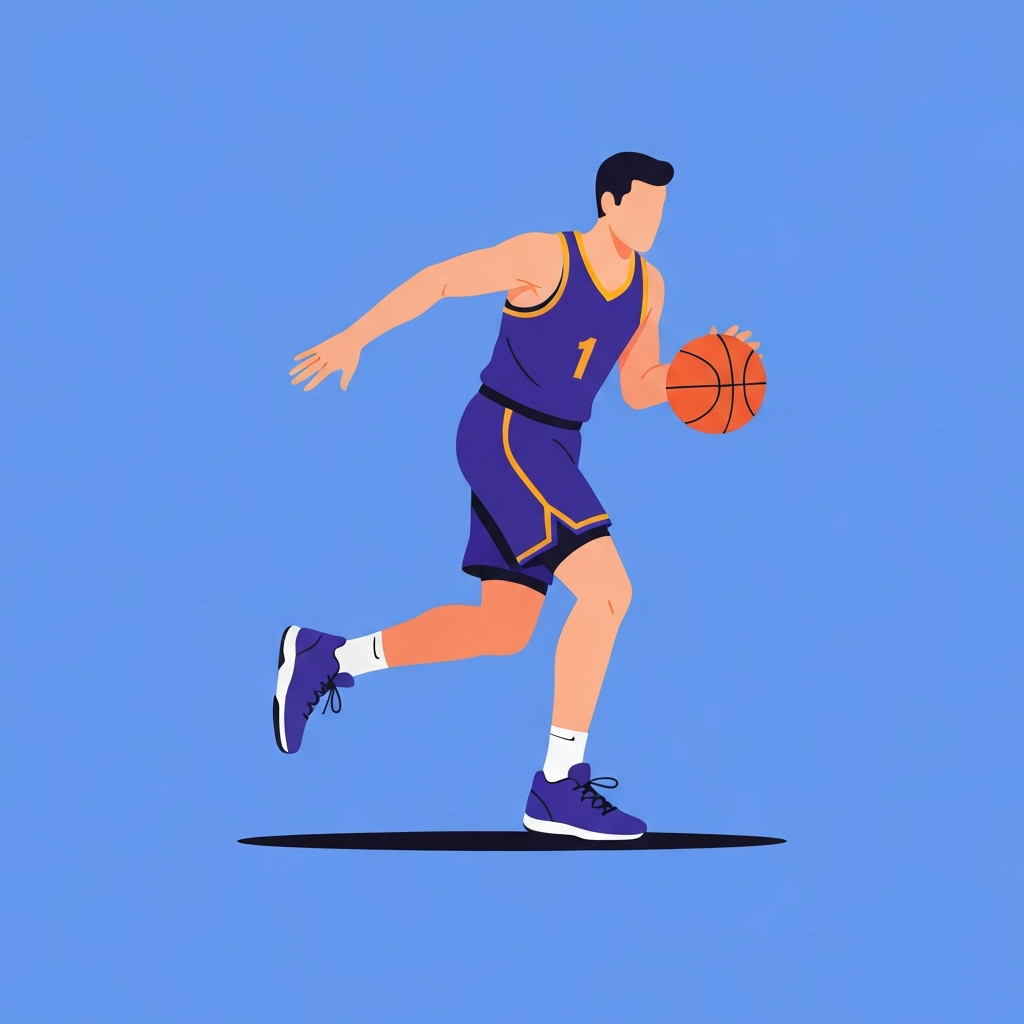
Once you’re comfortable with basic dribbling, it's time to incorporate advanced techniques. Crossovers, where you quickly switch the ball from one hand to the other, are essential for changing direction and evading defenders. Practice these at varying speeds and angles. Similarly, behind-the-back dribbles can be used to protect the ball and create space.
These advanced moves require coordination and practice. Start slowly, focusing on control and precision. As you become more proficient, increase the speed and complexity of your dribbling combinations. Remember to keep your eyes up, anticipating the movements of your opponents.
Step 4: Developing a Consistent Shooting Form
BEEF: Balance, Eyes, Elbow, Follow Through
Shooting is arguably the most crucial skill in basketball. A consistent shooting form is the foundation for accurate shots. Remember the acronym BEEF: Balance, Eyes, Elbow, Follow Through. Maintain good balance with your feet shoulder-width apart and knees slightly bent. Keep your eyes focused on the target – the basket. Tuck your shooting elbow close to your body, and follow through with your wrist, as if reaching into a cookie jar.
Perfecting your shooting form takes time and dedication. Practice shooting hundreds of shots each week, focusing on maintaining proper technique. Film yourself shooting to identify any flaws in your form. Small adjustments can make a big difference in your shooting percentage.
Step 5: Shooting Drills for Accuracy
Spot Shooting and Free Throws
Start with spot shooting, focusing on making shots from various locations around the key. Begin close to the basket and gradually move further out as your accuracy improves. Pay attention to your form and make adjustments as needed. Free throws are another essential aspect of shooting. Develop a consistent pre-shot routine and practice free throws regularly. The more consistent your form and routine, the more accurate you'll become.
Simulate game situations during your practice. Shoot under pressure, with distractions, and after running sprints. This will help you maintain your composure and accuracy during actual games. Aim to make at least 7 out of 10 free throws consistently.
Step 6: Mastering Layups and Finishes
Proper Footwork and Timing
Layups are a fundamental scoring opportunity. Practice your footwork, taking off from the correct foot (opposite of your shooting hand). Focus on timing your jump and extending your arm towards the basket. Use the backboard to guide the ball into the hoop.
Practice layups from both sides of the basket, using both your dominant and non-dominant hands. Incorporate different types of finishes, such as floaters and reverse layups, to become more versatile around the rim.
Step 7: Defensive Stance and Movement
Low and Ready Position
Defense is just as important as offense. A solid defensive stance is the first step to becoming a good defender. Keep your feet wider than shoulder-width apart, knees bent, and back straight. Maintain a low center of gravity, allowing you to move quickly and efficiently.
Keep your hands up and active, anticipating passes and shots. Focus on staying between your opponent and the basket, forcing them away from the lane. Remember that good defense requires effort, discipline, and anticipation. Don't reach in and foul; instead, focus on staying in front of your opponent and contesting their shots.
Step 8: Defensive Drills and Positioning
Shuffle Steps and Closing Out
Practice shuffle steps, moving laterally while maintaining your defensive stance. This will help you stay in front of your opponent and prevent them from driving to the basket. Work on closing out quickly on shooters, getting a hand up to contest their shot without fouling. It's important to cut off the drive first.
Defensive positioning is crucial. Understand where to be on the court based on the ball's location and your opponent's tendencies. Communicate with your teammates, calling out screens and switches. Remember, defense is a team effort, and effective communication is key to success.
Step 9: Developing Teamwork and Passing Skills
Chest Passes and Bounce Passes
Basketball is a team sport, and effective passing is essential for creating scoring opportunities. Master the chest pass and bounce pass, focusing on accuracy and speed. A chest pass should be delivered directly to your teammate's chest, while a bounce pass should hit the floor about two-thirds of the way between you and your teammate.
Practice passing drills with your teammates, working on timing, precision, and communication. Learn to anticipate your teammates' movements and deliver passes to them in stride. Avoid telegraphing your passes, which can give the defense an opportunity to intercept the ball.
Step 10: Game Strategy and Basketball IQ
Understanding Roles and Responsibilities
Understanding the game is just as important as having the physical skills. Study different offensive and defensive strategies. Learn the roles and responsibilities of each position on the court. Watch professional games and analyze the players' movements and decisions. A high basketball IQ can give you a significant advantage, even if you're not the most athletic player on the court.
Pay attention to scouting reports and understand your opponents' strengths and weaknesses. Adjust your game plan accordingly. Be a student of the game, constantly learning and adapting to new situations.
Pro Tips
- Film yourself playing and practicing to identify areas for improvement.
- Set realistic goals and track your progress.
- Get feedback from coaches and experienced players.
- Stay positive and persistent, even when you face setbacks.
Step 11: Physical Conditioning for Basketball
Cardio, Strength, and Agility
Basketball requires a high level of physical fitness. Incorporate cardio, strength training, and agility exercises into your training regimen. Running sprints, doing plyometrics, and lifting weights will improve your speed, power, and endurance.
Focus on exercises that mimic the movements of basketball, such as jumping, lateral movements, and quick changes of direction. Pay attention to injury prevention, stretching properly and using good form when lifting weights.
Safety Considerations
- Warm up properly before each practice and game.
- Stretch regularly to improve flexibility and prevent injuries.
- Stay hydrated by drinking plenty of water.
- Use proper equipment, such as supportive shoes and protective gear.
- Listen to your body and rest when needed.
FAQ Section
- How often should I practice?
- Aim for at least 3-5 times per week, with each session lasting 1-2 hours.
- What's the best way to improve my shooting?
- Focus on proper form, consistent practice, and shooting drills.
- How can I become a better defender?
- Develop a solid defensive stance, practice shuffle steps, and improve your positioning.
- What are some essential teamwork skills?
- Effective passing, communication, and understanding your role on the team.
- How important is physical conditioning?
- Very important. Cardio, strength training, and agility are essential for basketball success.
Conclusion
Improving at basketball requires dedication, discipline, and a willingness to learn. By mastering the fundamentals, practicing consistently, and developing a strong understanding of the game, you can unlock your full potential and achieve your goals on the court. Remember to stay positive, persistent, and always strive to improve. Good luck!