Have you ever gazed into a mirror and wondered if your features resemble those of an animal? Or perhaps you've felt a deep connection to a particular creature, sensing a kindred spirit? The concept of identifying with an animal based on physical characteristics and personality traits is more than just whimsy; it's a journey of self-discovery. While there are many ways to explore this idea, this guide provides expert advice and practical steps to help you determine which animal best reflects your appearance and essence.
The idea of animal "pretty types" has become popular on platforms like TikTok, categorizing individuals as "bunny pretty," "cat pretty," "deer pretty," or "fox pretty," based on distinct facial features and perceived aura. This guide draws from these observations, offering a more in-depth approach that combines facial analysis with personality assessment. Understanding which animal you resemble can provide valuable insights into how others perceive you and can even boost your self-awareness.
This isn't about superficial judgements; it's about recognizing inherent qualities, celebrating your unique beauty, and understanding your place in the broader spectrum of nature. Are you ready to embark on this fascinating exploration? Let's delve into the steps that will help you uncover your animal look-alike.
Step 1: Analyze Your Facial Features
The first step in determining your animal resemblance involves a detailed analysis of your facial features. Pay close attention to the shape of your face, the size and shape of your eyes, the prominence of your cheekbones, and the overall structure of your nose and mouth. Are your features generally soft and rounded, or are they more sharp and angular? Consider your profile as well – does your nose have a prominent bridge, or is it more subtle? Take detailed notes on each element, using descriptive words that capture the essence of your features. Don't be afraid to use a mirror and good lighting to get a clear picture of your face.

Step 2: Consider Your Hair and Eye Color
Hair and eye color can significantly influence your overall appearance and contribute to your animal resemblance. Dark hair and dark eyes might suggest a resemblance to animals like wolves or ravens, known for their striking and intense features. Light hair and light eyes, on the other hand, could point towards animals like foxes or deer, which often have a more delicate and ethereal quality. Consider the overall contrast in your complexion as well. High contrast (dark hair and light skin, or vice versa) can create a dramatic effect, while low contrast gives a softer, more harmonious impression.

Step 3: Assess Your Face Shape
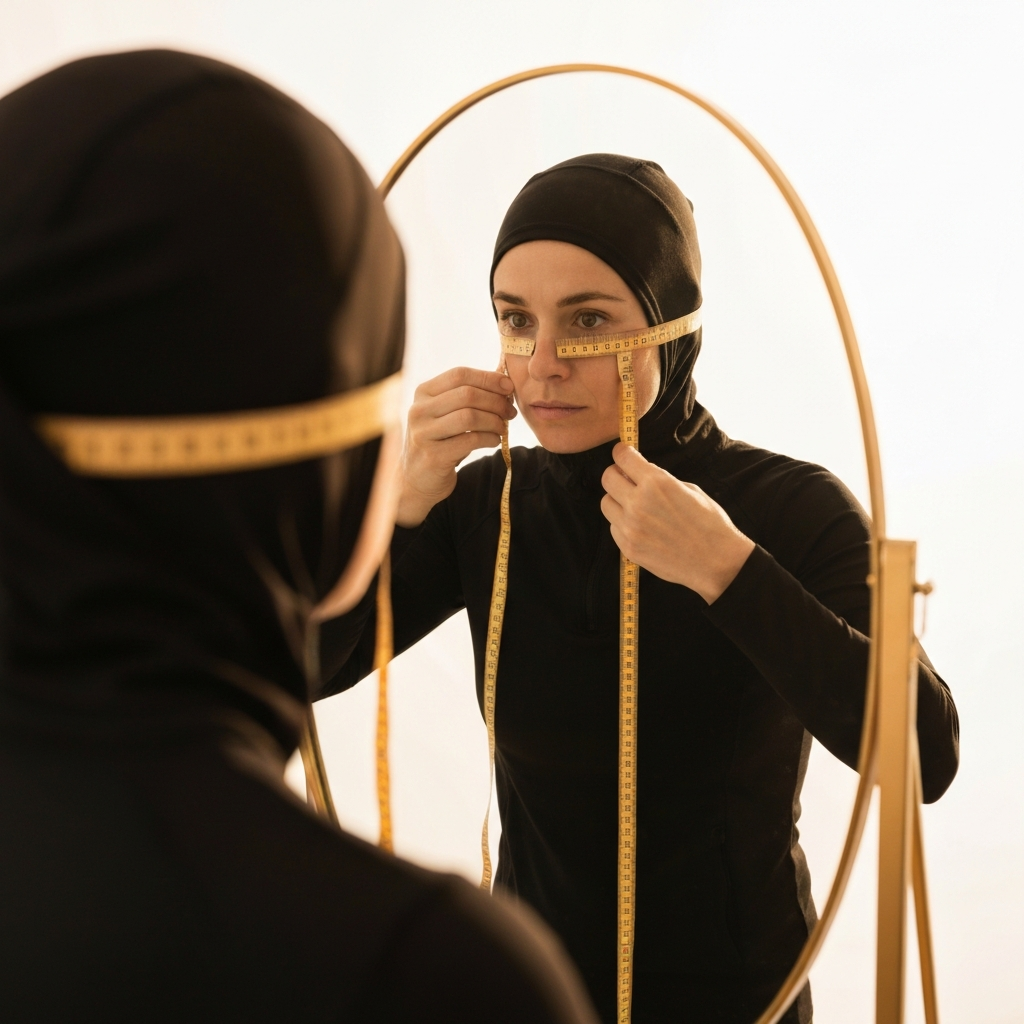
Your face shape plays a crucial role in defining your overall appearance and can be a significant indicator of your animal resemblance. Common face shapes include round, oval, square, rectangle, triangle, heart, and diamond. Round or oval faces tend to have softer features and can resemble animals like bunnies or seals. Square or rectangle faces are characterized by strong jawlines and can evoke images of powerful animals like lions or bears. Triangle, heart, and diamond faces, with their narrower chins and wider foreheads or cheekbones, may resemble foxes or deer. Use a measuring tape and a mirror to accurately determine your face shape. Compare your measurements to online guides for face shape analysis to ensure accuracy.
Step 4: Evaluate Your Overall Vibe and Aura
Beyond physical features, consider the overall vibe and aura that you project. Do people often describe you as kind and gentle, or do they perceive you as powerful and intimidating? Do you exude a sense of playfulness and fun, or do you come across as serious and reserved? Your perceived aura can significantly influence your animal resemblance. A kind and gentle demeanor might suggest a resemblance to animals like deer or rabbits, while a powerful and intimidating presence could point towards animals like wolves or eagles. Ask trusted friends or family members for their honest opinions about the vibe you give off. Their feedback can provide valuable insights that you might not be aware of.

Step 5: Take a Quiz (with Caution)
Online quizzes can be a fun and engaging way to explore your animal resemblance. Many quizzes incorporate questions about your physical features, personality traits, and preferences to provide a suggested animal match. However, it's important to approach these quizzes with caution, as they are often based on generalizations and may not accurately reflect your true essence. Use quizzes as a starting point for further exploration, rather than accepting the results as definitive. Consider the questions carefully and be honest in your responses.

Step 6: Research the Animal You Resemble
Once you have a potential animal match, whether from your own analysis or an online quiz, take the time to research that animal in detail. Learn about its physical characteristics, its natural habitat, its behavior patterns, and its symbolic meaning in different cultures. Do you see parallels between the animal's traits and your own personality, strengths, and weaknesses? Does the animal's appearance resonate with your own sense of style and aesthetic? Consider multiple animal possibilities and compare them. Often, the best fit is a combination of qualities.

FAQ Section
Q: Is this just about physical appearance?
A: No, while physical appearance is a starting point, personality and perceived aura are equally important factors in determining your animal resemblance.
Q: Can I resemble more than one animal?
A: Absolutely! It's common to have traits that align with multiple animals. Consider which animal best represents your dominant characteristics.
Q: What if I don't feel a connection to any animal?
A: That's perfectly fine! This is meant to be a fun and insightful exercise, not a definitive label. You may simply resonate more with human qualities.
Conclusion
Discovering your animal look-alike is a fascinating journey of self-exploration that combines physical analysis, personality assessment, and intuitive reflection. By carefully examining your facial features, considering your hair and eye color, evaluating your face shape, assessing your overall vibe, and researching potential animal matches, you can gain valuable insights into how others perceive you and deepen your understanding of your own unique essence. Remember that this is not about conforming to stereotypes, but about celebrating your individuality and recognizing the inherent qualities that make you who you are. Embrace the animal within, and let it guide you on your path to self-discovery.