The animal kingdom is a vast tapestry of life, filled with creatures exhibiting an incredible array of behaviors and personalities. Have you ever wondered which animal best reflects your own inner self? Beyond mere curiosity, understanding your "spirit animal" can offer valuable insights into your strengths, weaknesses, and how you interact with the world. This guide will explore how to identify the animal that resonates most with you, drawing connections between human and animal traits.
While it's impossible to definitively categorize a person as a single animal, exploring common associations and observing your own inclinations can be a fun and enlightening exercise. Are you fiercely independent like a cat, or deeply loyal like a dog? Perhaps you're resourceful like a beaver, or adaptable like a fox. This exploration isn't about strict labels, but rather about gaining a deeper understanding of yourself through the lens of the animal kingdom.
This guide will provide a structured approach to identifying your animal counterpart, considering various personality aspects and behavioral patterns. Get ready to embark on a journey of self-discovery, and unlock the animal within!
Step-by-Step Guide to Finding Your Animal Match
-
Step 1: Introspection - Understanding Your Core Traits
The first step involves honest self-reflection. Consider your dominant personality traits. Are you introverted or extroverted? Do you prefer leading or following? Are you more analytical or intuitive? Jot down a list of adjectives that best describe you. Be honest with yourself, even if some traits aren't flattering. This is a journey of self-discovery, and accuracy is key. Think about how you typically react in different situations. Do you tend to be cautious and observant, or do you jump right into the action?

-
Step 2: Identifying Your Strengths and Weaknesses
Every animal, and every person, possesses unique strengths and weaknesses. Identifying yours is crucial to finding your animal match. Are you naturally gifted at problem-solving, like a clever chimpanzee? Or perhaps you excel at nurturing and caring for others, similar to an elephant. Consider your weaknesses as well. Are you prone to anxiety, like a gazelle? Or perhaps you struggle with impulsivity, like a squirrel. Acknowledging these aspects helps paint a more complete picture of your overall personality.

-
Step 3: Analyzing Your Social Behavior
How do you interact with others? Are you a social butterfly, flitting from group to group like a dolphin? Or do you prefer solitary activities, like a lone wolf? Pay attention to your preferred social settings. Do you thrive in large crowds, or do you feel more comfortable in smaller, intimate gatherings? Consider your role within your social circles. Are you the peacemaker, the entertainer, or the observer? This analysis will provide valuable clues about your animal counterpart.

-
Step 4: Assessing Your Communication Style
Communication isn't just about words; it's also about body language, tone, and overall approach. Are you direct and assertive in your communication, like a lion? Or are you more subtle and nuanced, like a fox? Do you prefer to communicate verbally, or do you rely more on nonverbal cues? Observe how you express yourself in different contexts. Do you adapt your communication style to suit the situation, or do you maintain a consistent approach?

-
Step 5: Considering Your Values and Beliefs
Your core values and beliefs play a significant role in shaping your personality. What do you prioritize in life? Are you driven by ambition, like a jaguar? Or are you more focused on community and collaboration, like a bee? Consider your ethical principles and moral compass. What issues are you passionate about? What causes do you support? Your values reflect your inner essence and can provide a strong connection to a particular animal.

-
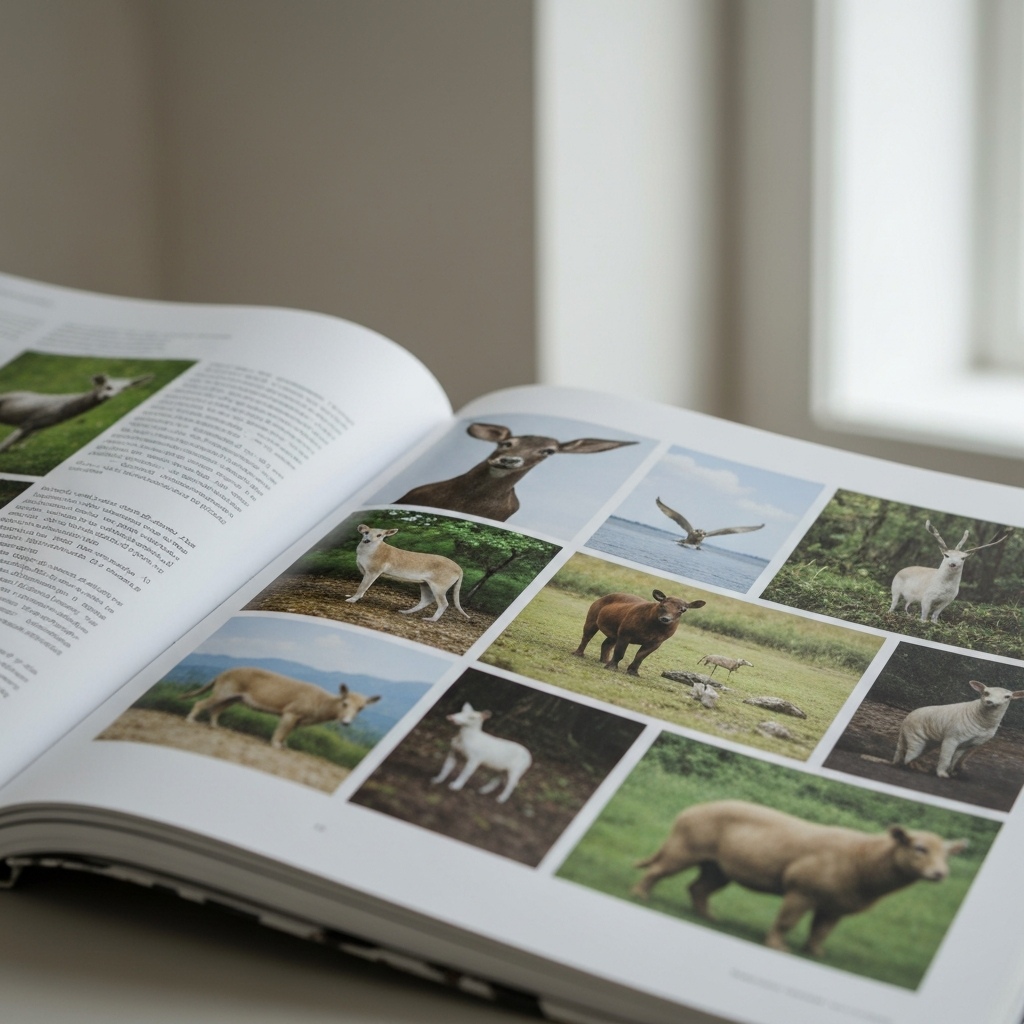
Step 6: Researching Animal Personalities
Once you have a good understanding of yourself, it's time to explore the personalities of different animals. Don't just focus on superficial stereotypes. Delve into the nuances of their behaviors, social structures, and survival strategies. Use reputable sources like National Geographic or WWF to learn about animal behavior and their common traits. Consider how these animals interact with their environment and with each other.
-
Step 7: Making the Connection – Identifying Resonating Animals
With your self-assessment and animal research complete, it's time to make the connections. Which animals resonate most strongly with your personality, strengths, weaknesses, social behavior, communication style, and values? Don't limit yourself to just one animal. You may find that you identify with several different species. Consider the overall "vibe" of each animal and how it aligns with your own sense of self.

Common Mistakes to Avoid
- Relying on stereotypes: Avoid basing your decision solely on common stereotypes. Dig deeper and consider the full range of an animal's behaviors.
- Choosing based on aesthetics: Don't pick an animal simply because you find it visually appealing. Focus on personality traits and behavioral patterns.
- Being dishonest with yourself: Accurate self-assessment is crucial. Be honest about your strengths, weaknesses, and values.
- Overthinking the process: This is meant to be an enjoyable and insightful exercise. Don't get too bogged down in analysis.