Traveling with pets by car can be a rewarding experience, allowing you to share adventures with your furry, scaled, or feathered companions. However, it requires careful planning and preparation to ensure the safety and comfort of both you and your pet. Properly preparing for the trip minimizes stress for your pet and reduces potential distractions for the driver.
Whether you're embarking on a cross-country road trip or simply heading to the vet, understanding the specific needs of your pet is paramount. From choosing the right carrier to providing adequate hydration and bathroom breaks, every detail contributes to a successful and enjoyable journey. This guide provides a comprehensive overview of how to travel with various types of pets by car, covering everything from pre-trip preparations to in-transit care.
Safety is always the top priority. This includes not only the physical safety of your pet but also ensuring that you, as the driver, remain focused and undistracted. An unrestrained pet can become a projectile in the event of an accident, posing a serious risk to everyone in the vehicle. By following these guidelines, you can create a safe and comfortable travel experience for you and your beloved pet.
-
Step 1: Pre-Trip Veterinary Checkup and Documentation
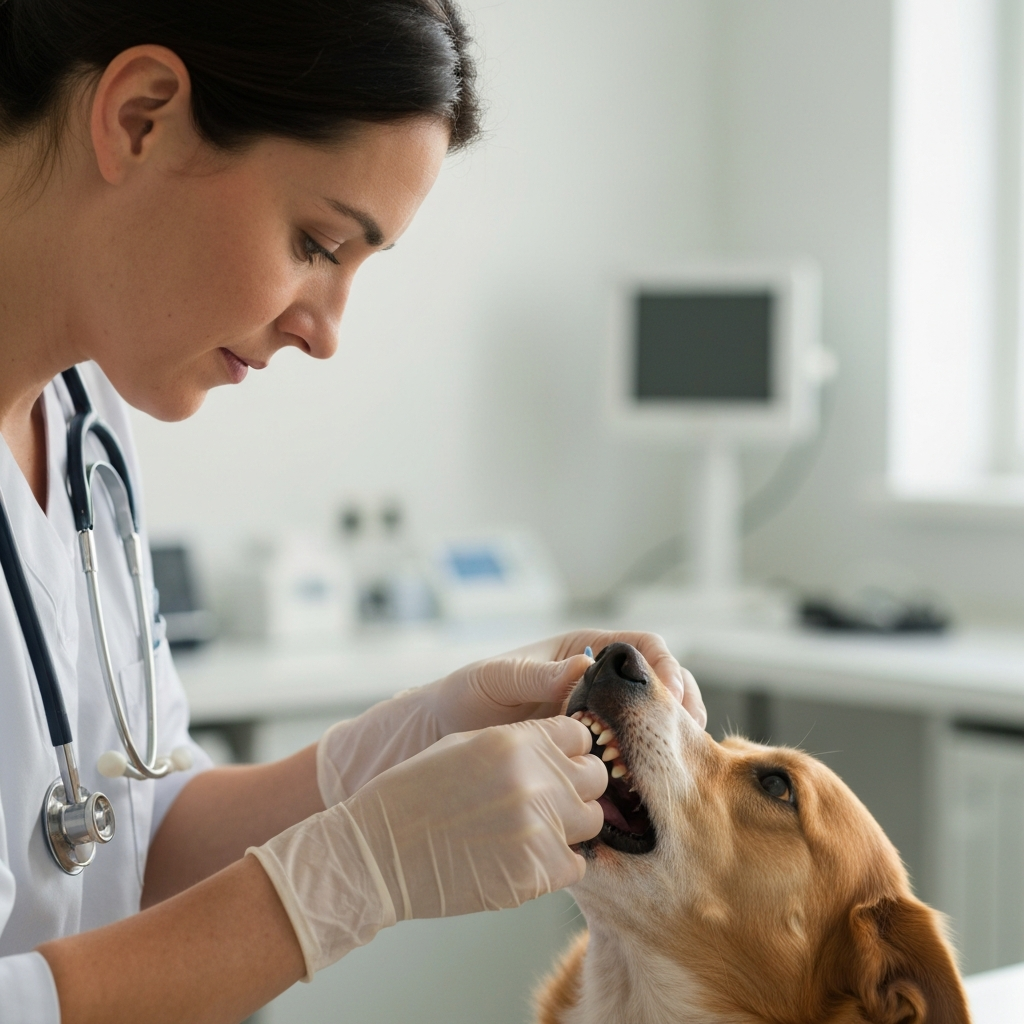
Before any extended car trip, schedule a visit with your veterinarian. This checkup is crucial to ensure your pet is healthy enough for travel and to obtain any necessary vaccinations or health certificates required for crossing state lines or entering certain establishments. Discuss any pre-existing conditions with your vet and get their recommendations for managing them during the trip. Ensure your pet is microchipped and that your contact information is up-to-date.
-
Step 2: Choosing the Right Carrier or Restraint System
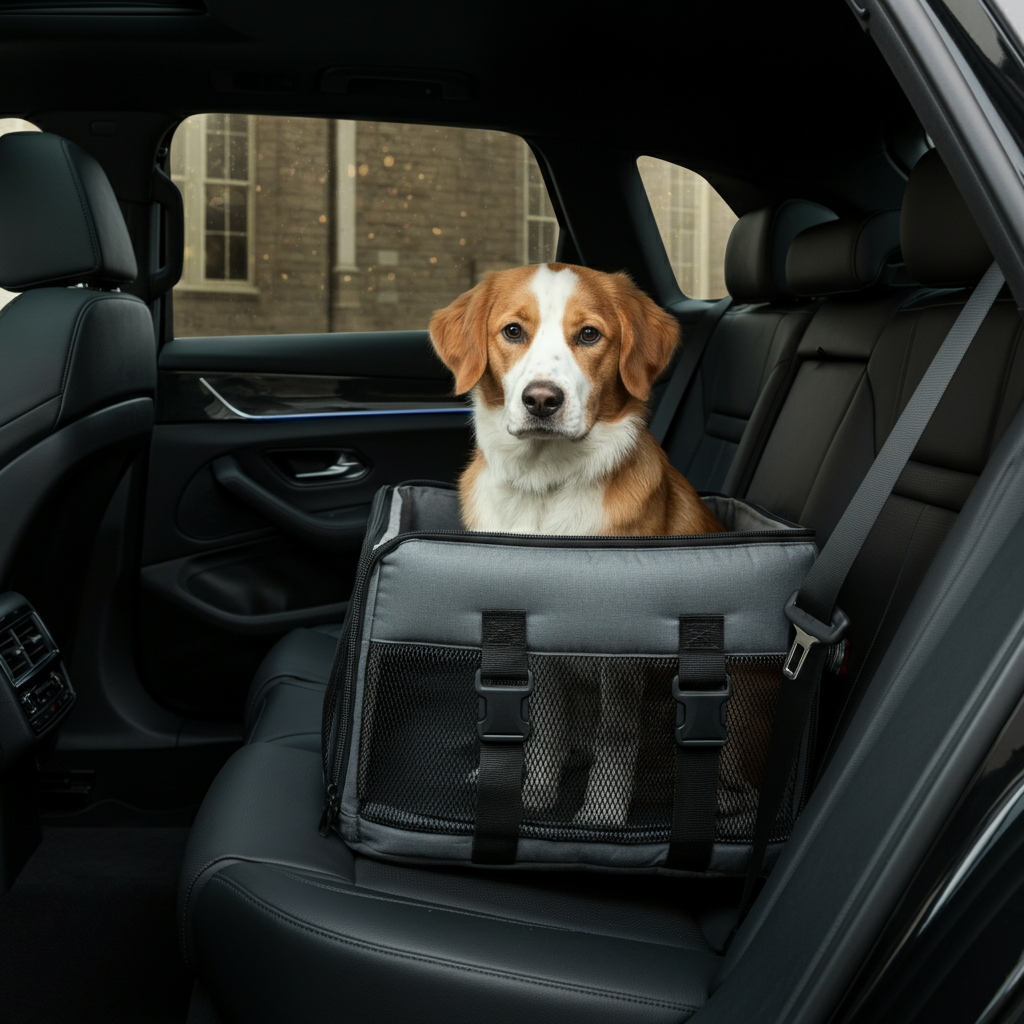
The type of carrier or restraint system depends on the species, size, and temperament of your pet. For dogs and cats, a sturdy, well-ventilated carrier is often the best option. Ensure the carrier is large enough for your pet to stand up, turn around, and lie down comfortably. Alternatively, consider using a pet seatbelt or harness that attaches to the car's seatbelt system. Never allow your pet to ride unrestrained in the car, as this is extremely dangerous. Small animals like hamsters or gerbils require secure cages with appropriate bedding and food/water dispensers. For birds, a travel-sized birdcage is essential.
-
Step 3: Packing a Pet Travel Kit
A well-stocked pet travel kit is essential for addressing your pet's needs on the road. This kit should include: food and water bowls, plenty of food and water, leash, waste bags (for dogs), litter box and litter (for cats), any necessary medications, first-aid kit specifically designed for pets, toys and comfort items to reduce stress, and cleaning supplies for accidents. Don't forget copies of your pet's vaccination records and health certificates. Consider a travel-sized water bottle specifically designed for pets, which makes it easy to offer them water on the go without spills.

-
Step 4: Planning Your Route and Making Frequent Stops
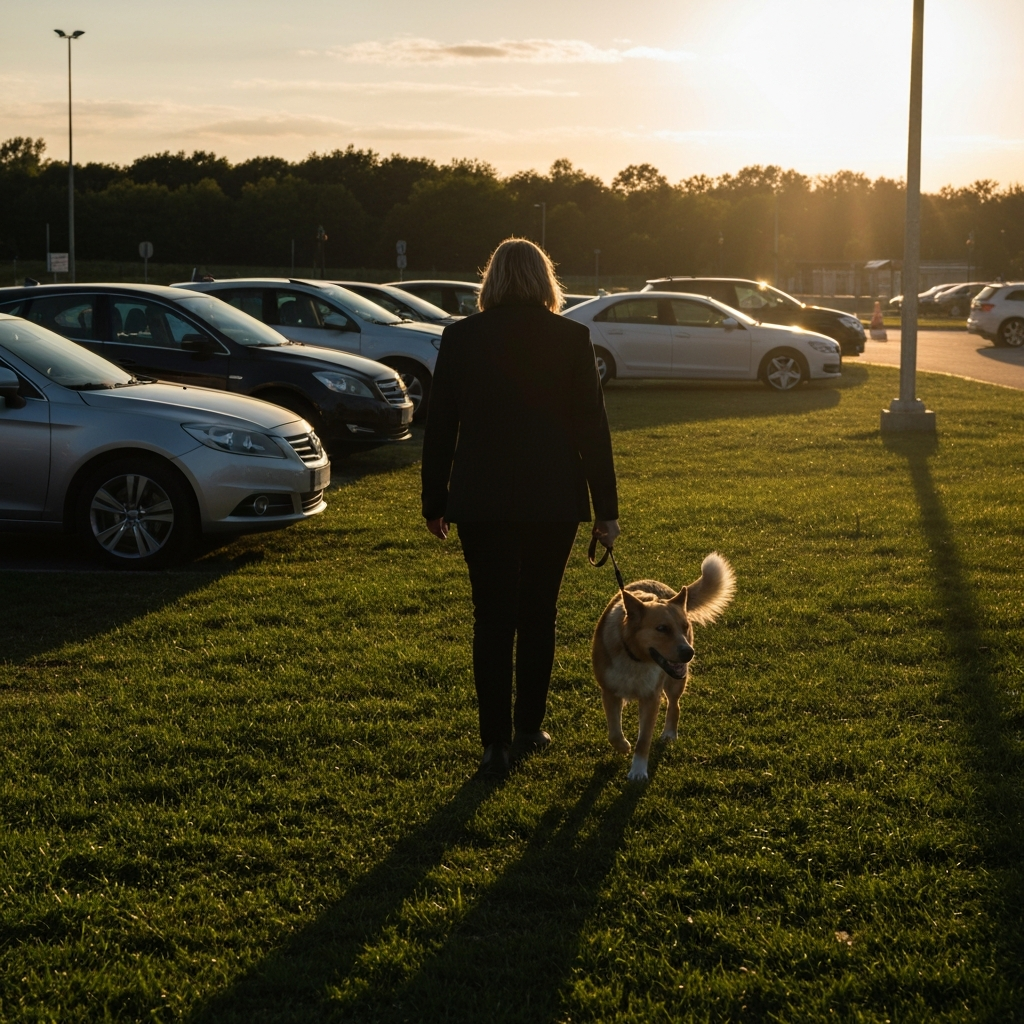
When planning your route, identify pet-friendly rest stops, parks, and hotels along the way. Use online resources or apps to locate these amenities. Plan to stop every 2-3 hours to allow your pet to relieve themselves, stretch their legs, and get some fresh air. Never leave your pet unattended in a parked car, especially in hot or cold weather. Temperatures inside a car can rise or fall rapidly, posing a serious health risk. Always keep your pet on a leash when outside the car, even in designated pet areas.
-
Step 5: Introducing Your Pet to the Car
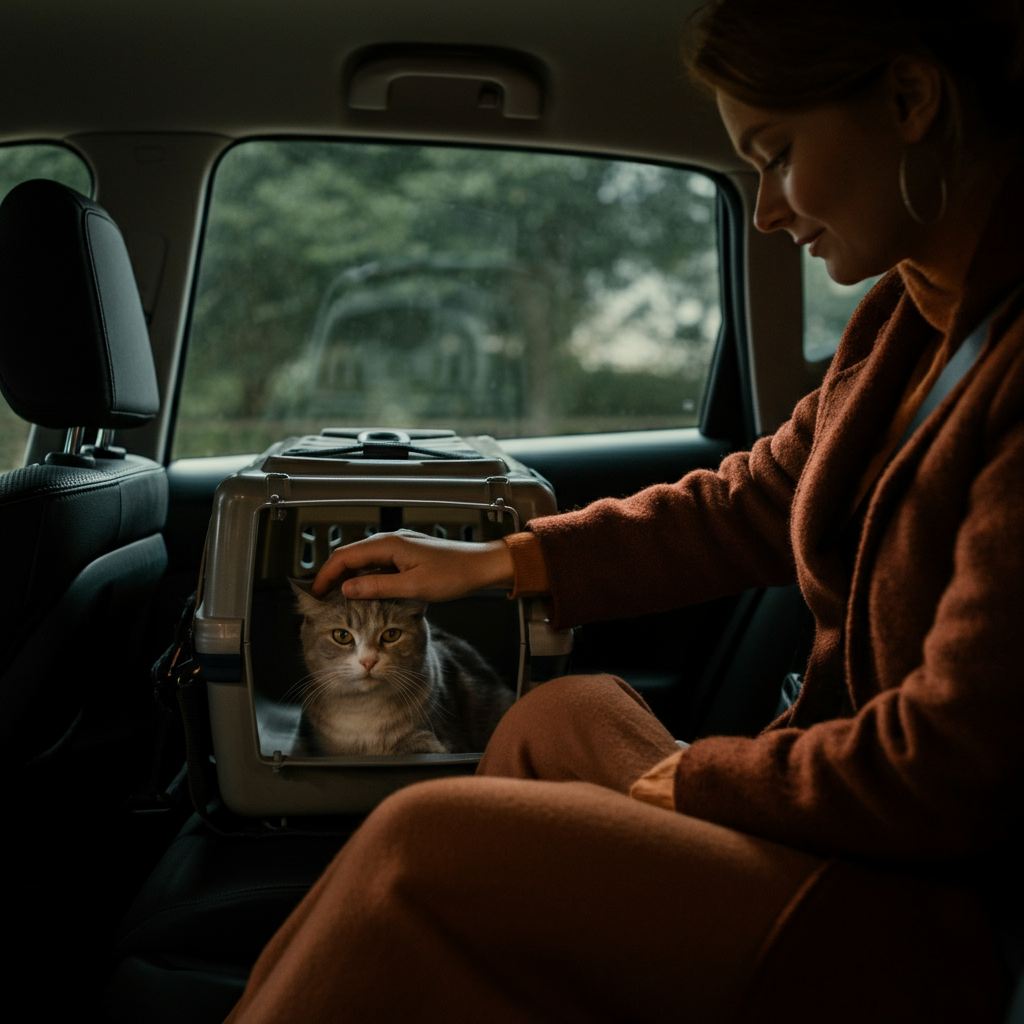
Before embarking on a long trip, acclimate your pet to the car. Start with short trips around the block and gradually increase the duration. Make the car a positive experience by offering treats, toys, and praise. If your pet experiences car sickness, consult with your veterinarian about potential remedies. Consider using a pheromone spray or diffuser designed to calm anxious pets. Playing calming music can also help.
-
Step 6: Managing Temperature and Ventilation
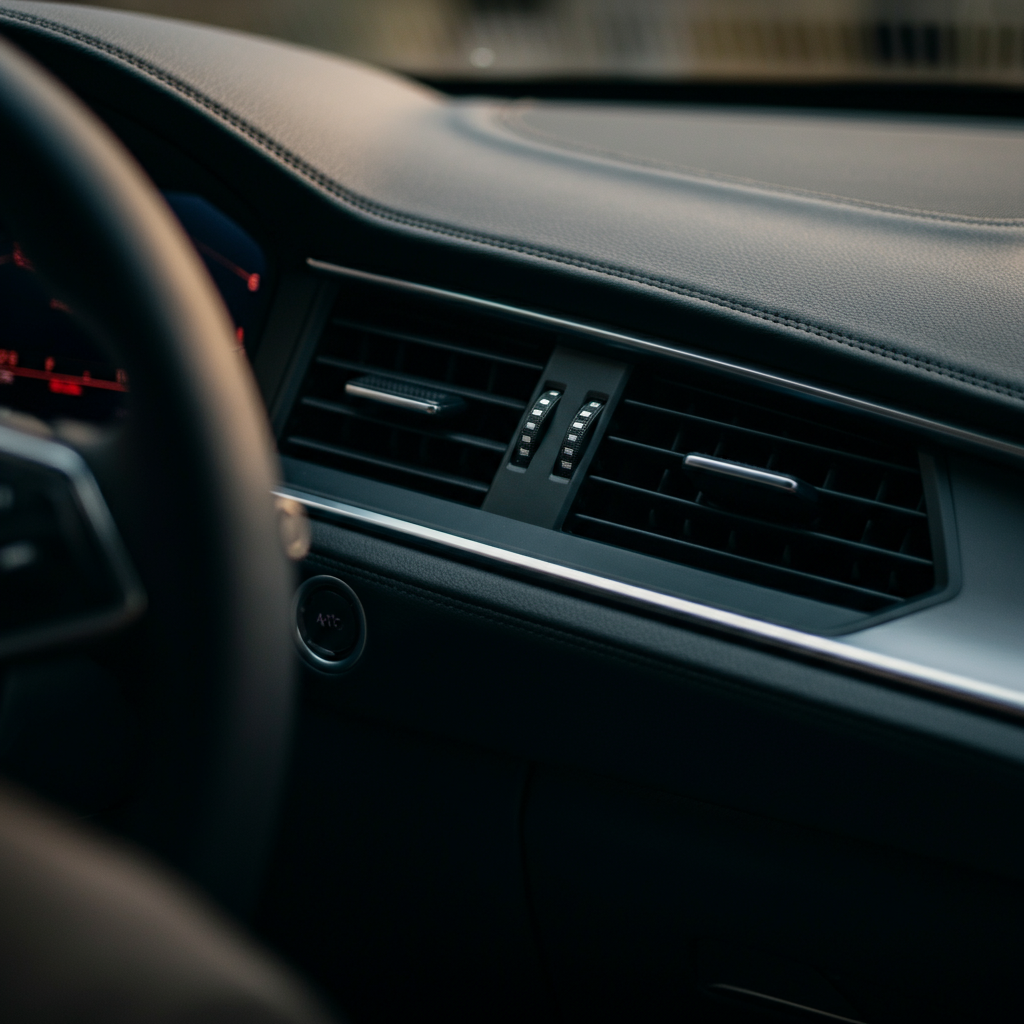
Maintain a comfortable temperature inside the car for your pet. Avoid exposing your pet to direct sunlight, and ensure adequate ventilation. Use the air conditioning or heater as needed, but be mindful of your pet's sensitivity to temperature changes. Consider using window shades to block out direct sunlight and reduce heat buildup. Monitor your pet for signs of overheating or hypothermia, such as excessive panting, drooling, shivering, or lethargy.
-
Step 7: Feeding and Hydration
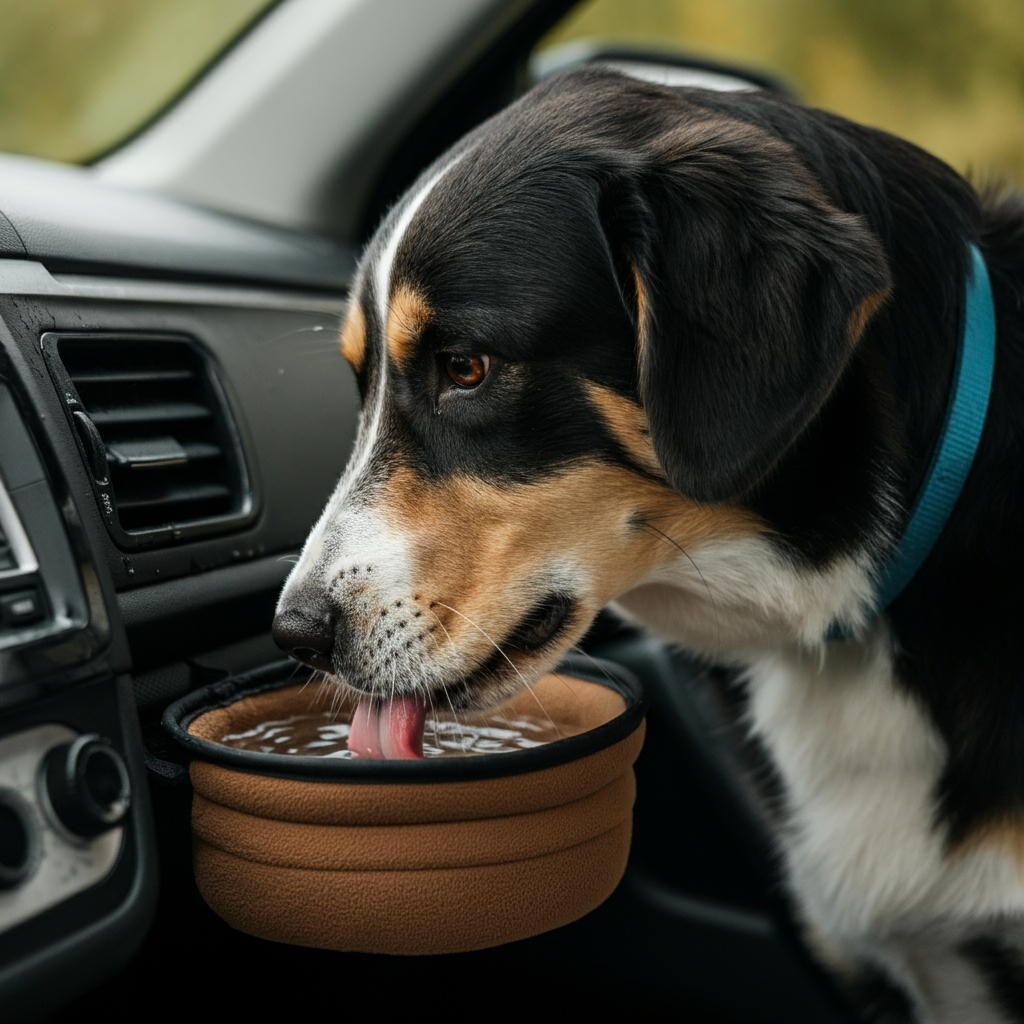
Avoid feeding your pet a large meal right before traveling, as this can increase the likelihood of car sickness. Offer small amounts of food and water at regular intervals during the trip. Pack plenty of fresh water and a portable water bowl. If your pet is prone to car sickness, consult with your veterinarian about withholding food for a few hours before traveling. Always dispose of uneaten food promptly to prevent spoilage.
Safety Considerations
- Never leave your pet unattended in a parked car.
- Secure your pet in a carrier or with a restraint system.
- Avoid driving with your pet in the front seat, especially if there are airbags.
- Keep medications easily accessible.
- Be aware of your pet's behavior and react accordingly.
Common Mistakes to Avoid
- Failing to acclimate your pet to the car before a long trip.
- Not providing enough water or bathroom breaks.
- Leaving your pet unattended in a parked car.
- Forgetting to pack essential supplies.
- Driving aggressively or erratically.
FAQ Section
- Q: How can I prevent car sickness in my dog?
- A: Consult your veterinarian about anti-nausea medications or natural remedies. Acclimate your dog to the car with short trips. Avoid feeding your dog a large meal before traveling. Ensure adequate ventilation.
- Q: What should I do if my cat becomes stressed during the car ride?
- A: Provide a comfortable and secure carrier. Bring familiar toys and blankets. Use pheromone sprays or diffusers. Speak to your cat in a calm and reassuring voice. Avoid sudden movements or loud noises.
- Q: How often should I stop for bathroom breaks with my dog?
- A: Plan to stop every 2-3 hours for puppies and smaller dogs. Larger dogs can typically go longer between stops, but it's always best to err on the side of caution.
Conclusion
Traveling with pets by car requires preparation, patience, and a focus on safety. By following these guidelines, you can create a comfortable and enjoyable travel experience for both you and your pet. Remember to prioritize your pet's well-being and adapt your plans as needed to ensure their health and happiness. Happy travels!