Does your child dream of blazing across the field, outrunning their friends, or improving their sports performance? Running faster isn't just about natural talent; it's a skill that can be developed and honed with the right guidance and techniques. This guide provides a comprehensive, step-by-step approach to helping kids improve their running speed, focusing on proper form, motivation, and making the process enjoyable.
We’ll cover everything from essential warm-up exercises to advanced techniques, ensuring your child builds a solid foundation for speed and endurance. Remember, patience and encouragement are key. Focus on incremental improvements and celebrate every milestone along the way. Running should be a positive experience, fostering a lifelong love for physical activity.
This isn't just about sprinting; it's about building confidence, discipline, and a healthy lifestyle. By following these guidelines, you can help your child unlock their full potential and achieve their running goals. Let's get started!
Step 1: Warm-Up Exercises
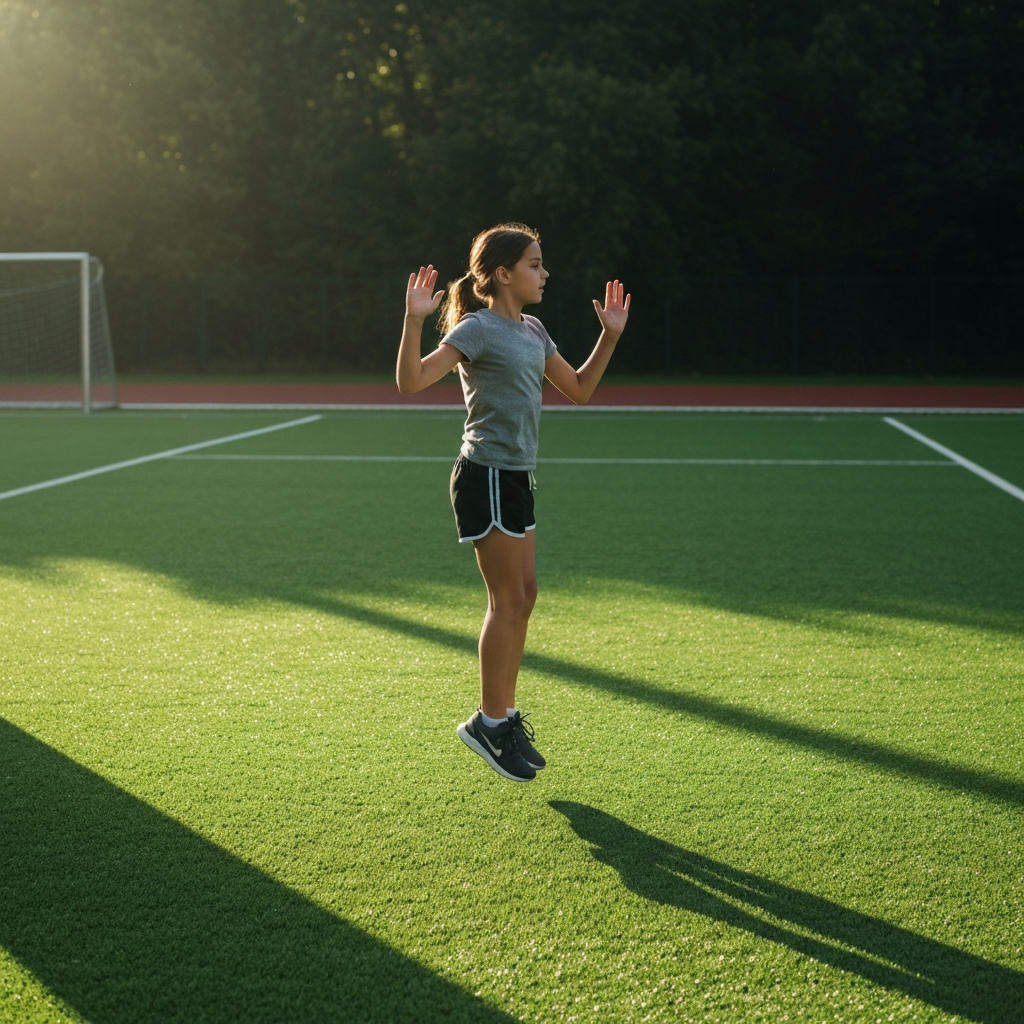
Before any high-intensity activity, it's crucial to prepare the body with a proper warm-up. Dynamic stretches and light cardiovascular exercises increase blood flow to the muscles, improve flexibility, and reduce the risk of injury. Jumping exercises are particularly effective for runners as they engage the muscles used in sprinting and build explosive power. A good warm-up should last for 10-15 minutes and include exercises like jumping jacks, high knees, butt kicks, and arm circles.
Step 2: Assessing Running Form
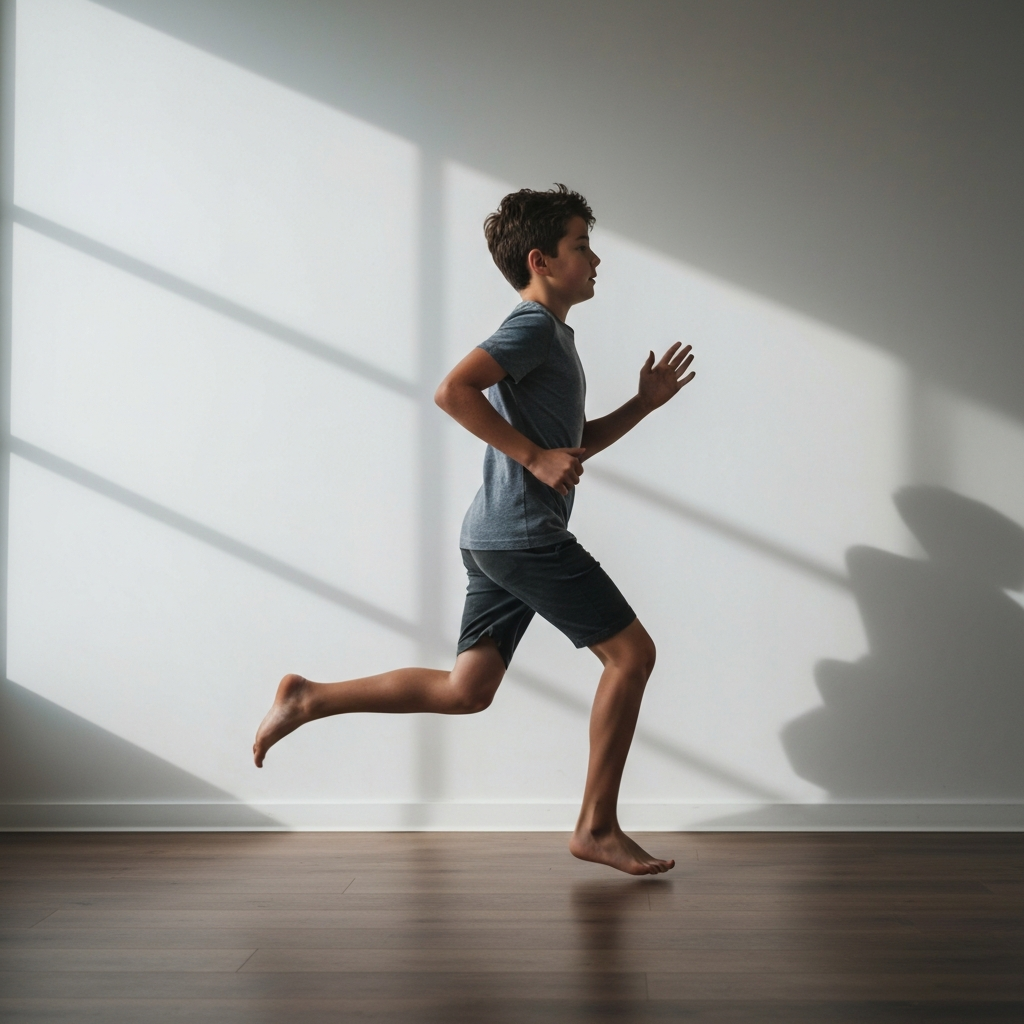
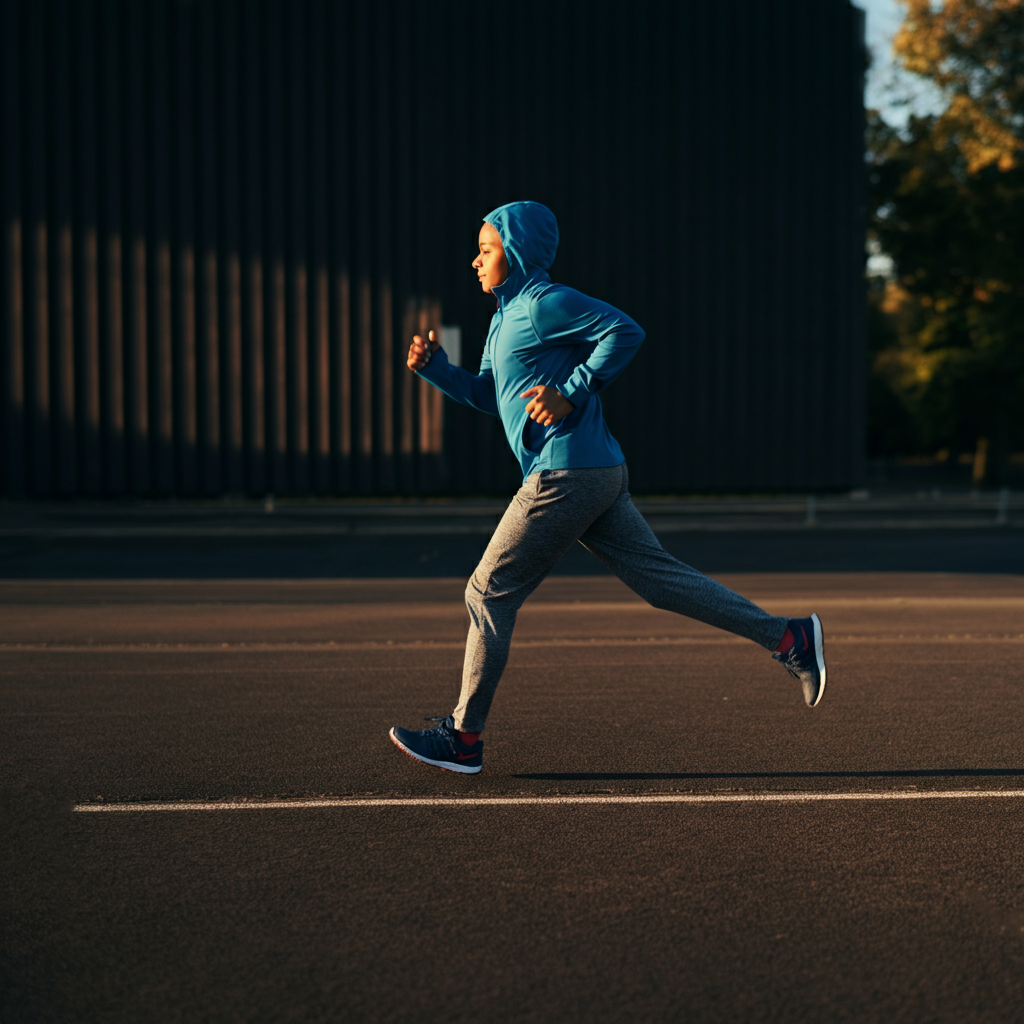
Understanding a child's current running form is the first step towards improvement. Have the child run in place for a short burst (about 5 seconds) while you observe their technique. Look for key indicators such as foot strike, arm movement, posture, and knee drive. Common issues include overstriding (landing with the heel far in front of the body), poor arm swing (crossing the midline), and a lack of knee lift. Note any areas that need improvement and focus on addressing them in subsequent drills. Good sprinting form involves pushing off with the front foot, leaning forward, maintaining a vertical torso, keeping the head still, bending the elbows at right angles, pumping the arms close to the sides, and lifting the front knee high.
Step 3: Modeling Proper Technique
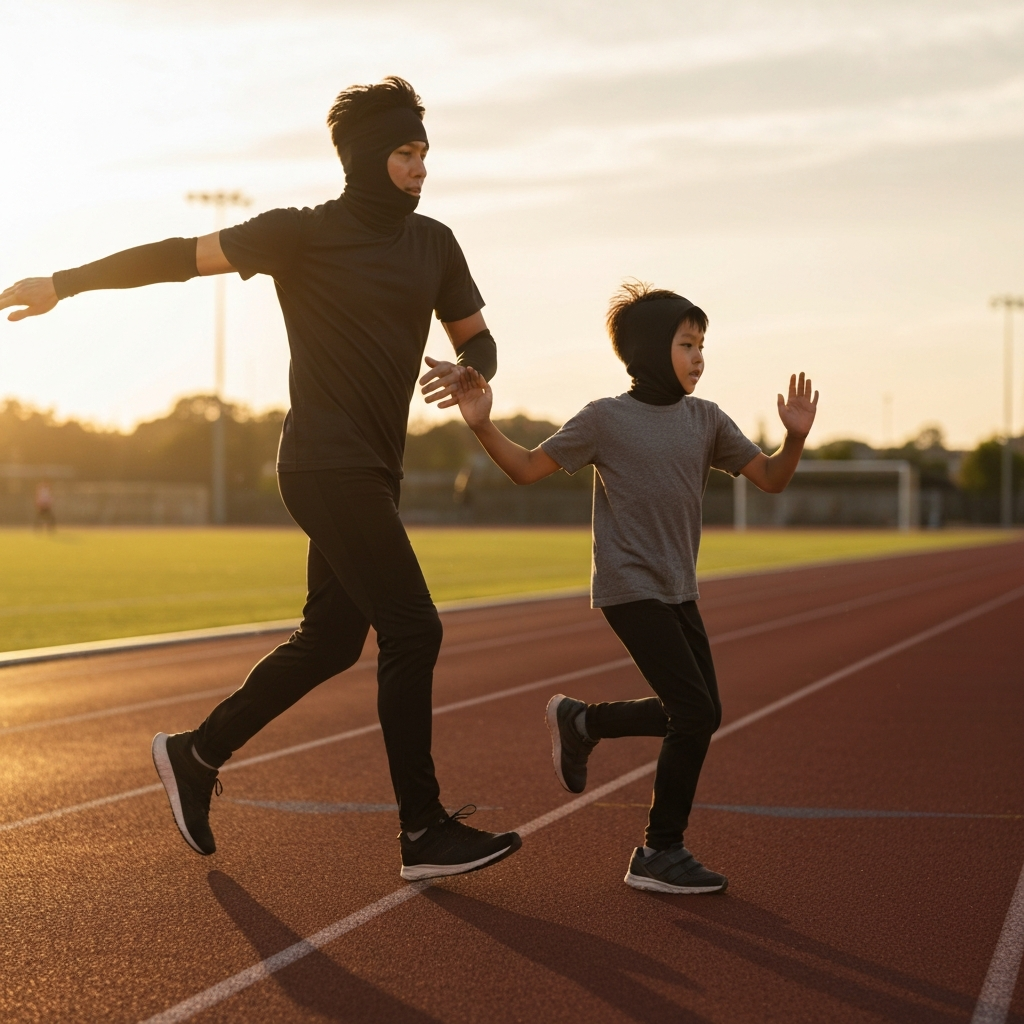
Children learn by observing and imitating. After identifying areas for improvement, demonstrate the correct running form yourself. Run alongside the child, emphasizing the specific elements you want them to focus on. For example, if you're working on arm swing, exaggerate the movement, showing them how to drive their elbows back and forth. Verbal cues can be helpful ("Drive your elbows!"), but visual demonstrations are often more effective. Encourage the child to mirror your movements and provide feedback as they practice.
Step 4: Visualizing Correct Form
Help children understand the feeling of good running form through visualization techniques. Encourage them to imagine themselves running with perfect technique, focusing on the sensation of each movement. For instance, tell them to imagine they are pushing their hips forward with their feet. This helps them remember that most of the force for sprinting should come from the feet pushing away from the ground. Or, imagine they are holding a bird in each hand – they shouldn't clench their fists so tightly the bird flies away, but they also shouldn't open their hands and drop the bird. This mental imagery can translate into improved physical performance. Remind them of these images during their runs.
Step 5: Verbal Cues and Feedback
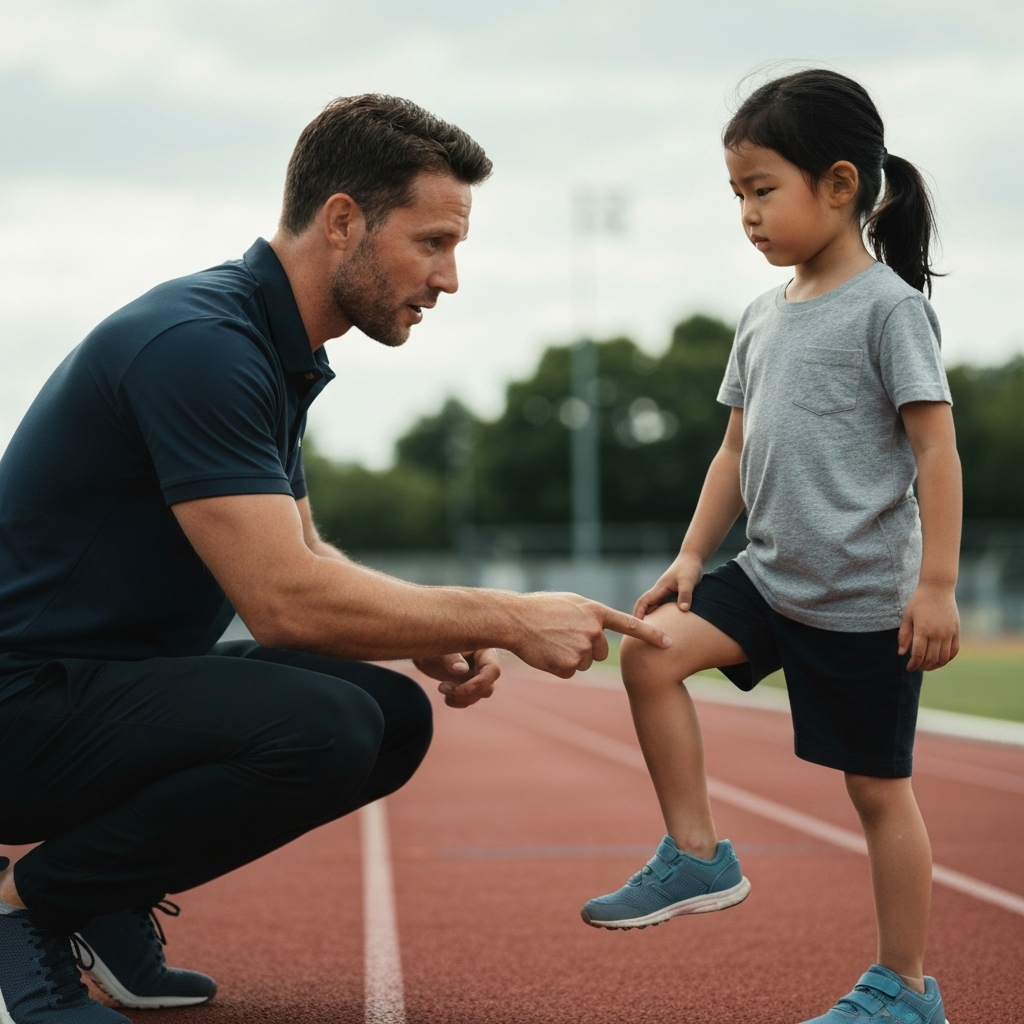
As the child practices sprinting, provide ongoing verbal cues and feedback to reinforce correct form. Use simple, memorable phrases to remind them of key elements. For example, if they aren't lifting their knees high enough, shout "Knees up!" or if they need to swing their arms wider, shout "Hip to Lip!". Focus on one or two cues at a time to avoid overwhelming them. Positive reinforcement is essential, so praise their efforts and highlight improvements, even small ones. "Great arm swing!" or "Much better knee drive!" can go a long way.
Step 6: Setting Achievable Goals
Motivation is key to sustained progress. Help the child set realistic and achievable running goals. These goals should be specific, measurable, attainable, relevant, and time-bound (SMART). Instead of aiming to "run faster," set a goal to "shave 0.5 seconds off my 40-yard dash time within one month." Focus on personal improvement rather than comparing them to others. Celebrate milestones along the way to maintain their enthusiasm.

Step 7: Tracking Progress
Visualizing progress can be a powerful motivator. Keep track of the child's running times and distances over time. Use a simple chart or graph to record their improvements. Seeing tangible evidence of their hard work can boost their confidence and encourage them to continue striving for better results. Ensure the data collection is fun and doesn't feel like a chore. Make it a collaborative process, involving the child in tracking their own progress.
Step 8: Avoiding Overtraining
It's crucial to avoid pushing the child too hard, especially in the early stages of training. Overtraining can lead to fatigue, injuries, and burnout. Limit sprinting practice to 3-4 times per week and ensure they get adequate rest and recovery. Encourage cross-training activities like swimming, cycling, or yoga to build overall fitness without overstressing the running muscles. Remember, consistency is more important than intensity.
Step 9: Incorporating Games and Fun
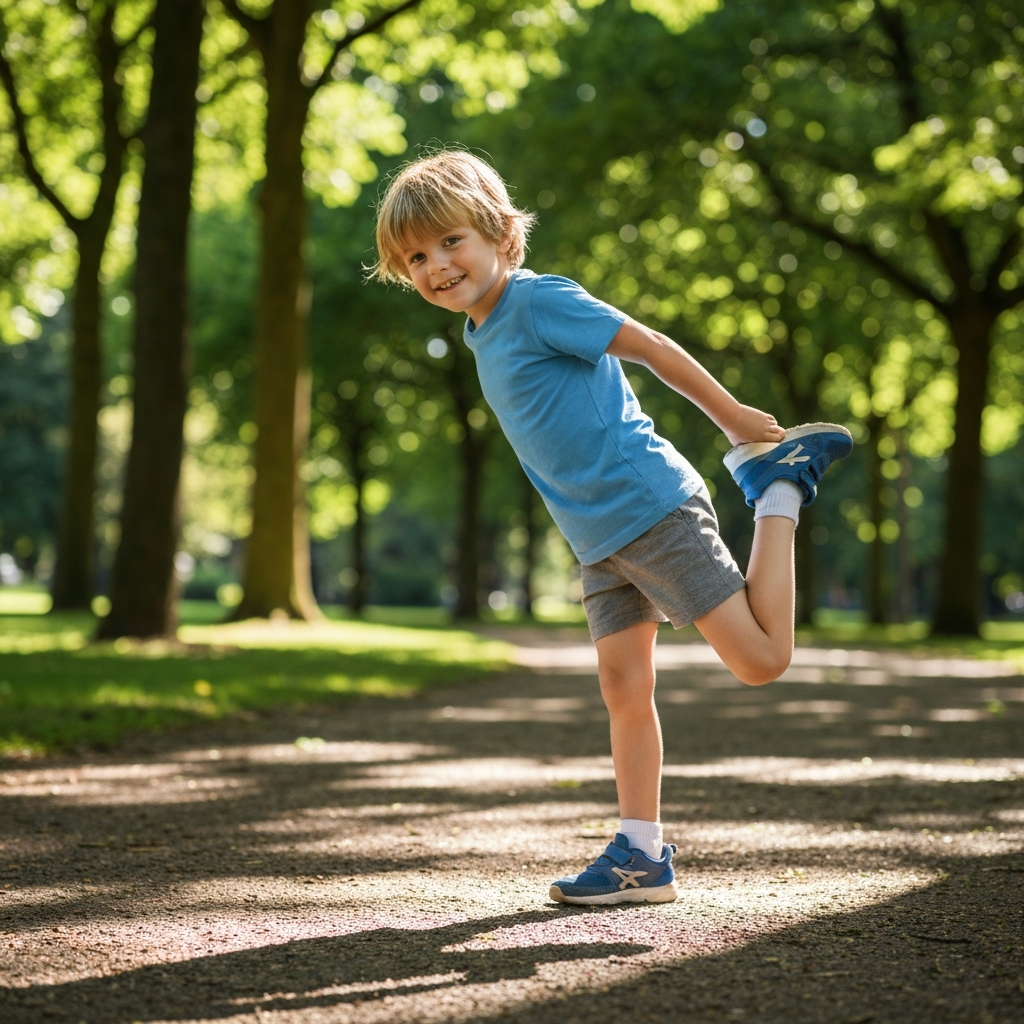
Running doesn't have to be all drills and repetition. Incorporate games and activities that make sprinting fun and engaging. Games like tag, relay races, and "Red Light, Green Light" can improve speed and agility while keeping the child entertained. Make sure to vary the activities to prevent boredom and keep them motivated. Even simple variations, such as adding obstacles or changing the rules, can add a new level of excitement.
Step 10: Integrating Running into Other Sports
Encourage the child to participate in sports that involve running, such as soccer, basketball, baseball, and kickball. These activities provide opportunities to practice sprinting in a more natural and dynamic setting. The inherent motivation of playing a game can make the training more enjoyable and effective. The skills learned in one sport often transfer to others, creating a well-rounded athlete.
Step 11: Run Together
One of the best ways to motivate a child is to lead by example. Run with them! This provides an opportunity to bond, offer encouragement, and demonstrate proper technique firsthand. It also shows the child that you're invested in their success and willing to put in the effort alongside them. You can run drills together, play games, or simply go for a leisurely jog. If they’re interested, consider running a race together. Remember to adjust your pace to match their abilities and make it a positive experience for both of you.
Safety Considerations
Prioritize safety by ensuring a safe running environment, proper hydration, and appropriate footwear. Avoid running on uneven or hazardous surfaces. Ensure the child drinks plenty of water before, during, and after exercise. Invest in well-fitting running shoes that provide adequate support and cushioning. Teach the child to listen to their body and stop if they experience any pain or discomfort. Consult with a medical professional before starting any new exercise program, especially if the child has any underlying health conditions.
Common Mistakes to Avoid
Several common mistakes can hinder a child's progress. Avoid pushing them too hard too soon, neglecting proper warm-up and cool-down routines, focusing solely on speed without addressing form, and failing to provide positive reinforcement. Remember that patience, encouragement, and a focus on long-term development are key to success. Don’t compare the child to others; focus on their individual progress.
Conclusion
Teaching kids to run faster is a rewarding journey that can instill a lifelong love for physical activity and build valuable life skills. By focusing on proper form, setting achievable goals, making training fun, and prioritizing safety, you can help your child unlock their full potential and achieve their running dreams. Remember to be patient, supportive, and celebrate every milestone along the way. With the right guidance and encouragement, any child can improve their running speed and experience the joy of movement.