Studio apartments, while often affordable and conveniently located, present a unique design challenge: how to create distinct living spaces within a single room. Without walls to delineate areas, the bed might be a stone's throw from the kitchen, and the living area might feel like an extension of the workspace. A well-chosen and strategically placed room divider can transform a studio into a more functional and aesthetically pleasing home.
This guide explores various room divider options tailored for studio apartments, from simple and budget-friendly solutions to more elaborate and permanent installations. We'll walk you through the selection process, installation tips, and creative ideas to maximize your space. Whether you're looking for privacy, organization, or simply a visual separation, we've got you covered.
By the end of this guide, you'll have the knowledge and inspiration to choose the perfect room divider for your studio apartment, enhancing both its functionality and style.
Step 1: Assessing Your Needs and Space
Before diving into room divider options, it's crucial to evaluate your needs and the constraints of your space. Consider what you want to achieve with the divider – is it primarily for privacy, noise reduction, or simply to define different zones within the apartment? Measure the area where you plan to place the divider to ensure it fits comfortably and doesn't obstruct walkways or access to essential areas. Also, factor in the existing décor and style of your apartment to choose a divider that complements the overall aesthetic.
Step 2: Exploring Room Divider Options
Several room divider options cater to various needs and budgets. Here's a breakdown of some popular choices:
2.1: Screens and Dividers
Foldable screens are a versatile and affordable option for dividing space. They come in various materials, such as fabric, bamboo, and metal, offering different levels of privacy and aesthetic appeal. Fabric dividers are cost-effective, while bamboo screens add a touch of natural elegance. Metal-and-glass dividers offer a modern, minimalist look. Consider the transparency of the screen: frosted glass offers more privacy, while clear glass allows more light to pass through. Foldable screens are easy to move and adjust as needed, making them ideal for renters or those who like to rearrange their space frequently.
2.2: Curtains
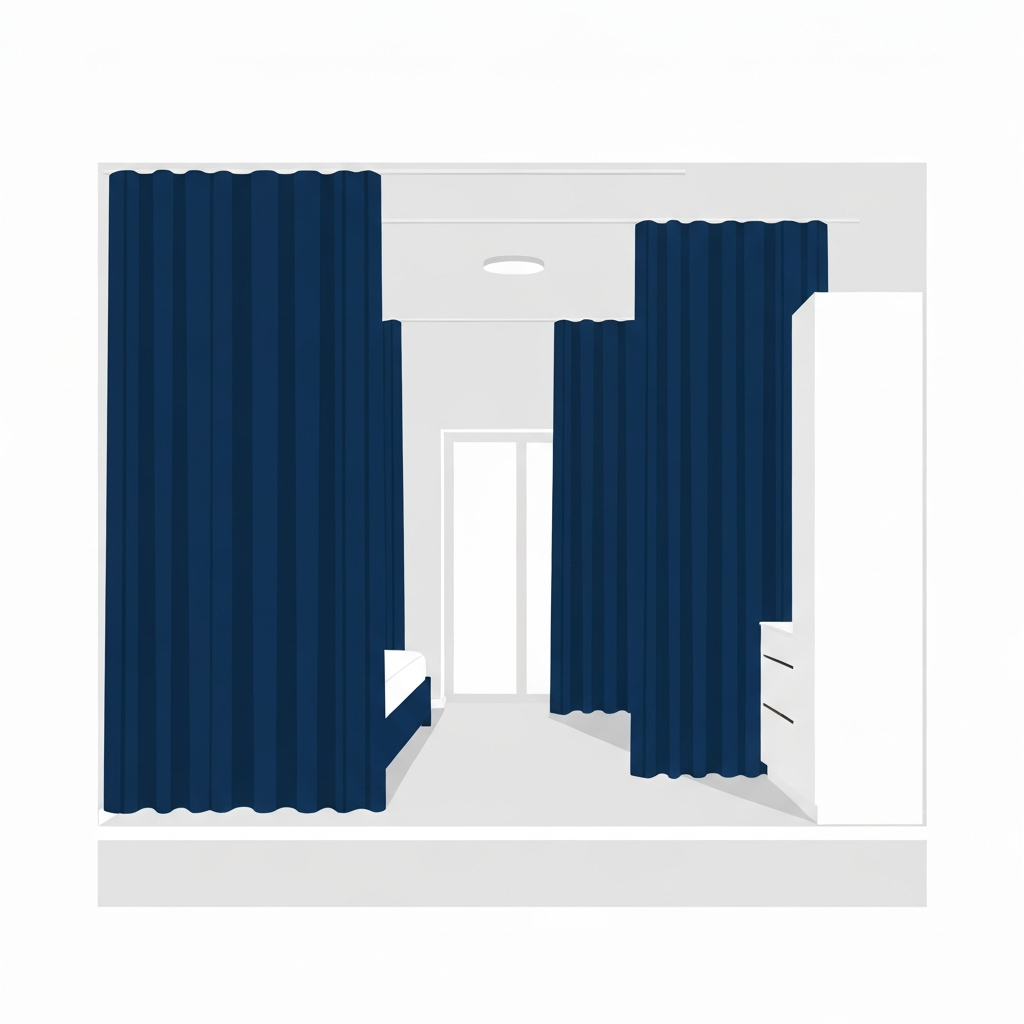
Fabric or beaded curtains provide a soft and stylish way to create private spaces. Choose a neutral color for a subtle look or a bold pattern to add visual interest. Beaded curtains can create a bohemian vibe and allow light to filter through. Consider using an adjustable divider frame to customize the height of the curtains. This option is particularly well-suited for creating a bedroom nook or separating a workspace from the living area.
2.3: Shelves and Bookcases
Shelves and bookcases offer a functional and stylish way to divide a studio apartment while providing valuable storage space. A closed-back shelf offers maximum privacy, while an open-back shelf allows light to flow through. Use the shelves to display books, plants, or decorative items, adding personality to your space. Heavier bookcases offer more stability but can be difficult to move. If you anticipate rearranging your space, opt for lighter shelving units on wheels.
2.4: Tall Furniture
Strategically placed tall furniture, such as TV stands, headboards, and wardrobes, can effectively create visual separation. A tall headboard behind a bed can delineate the sleeping area, while a wardrobe can serve as a wall between the living area and the bedroom. When using furniture as a divider, consider its height and width to ensure it effectively blocks off the desired area. This is a practical approach as it integrates storage and functionality into the room division.
2.5: Plants
Tall plants offer a natural and refreshing way to divide a studio apartment. Strategically placed plants can partially hide furniture, like beds and couches, creating a subtle separation. Opt for plants with dense foliage for better privacy. Be mindful of the plant's light requirements and watering needs. Alternatively, consider using high-quality artificial plants to avoid the upkeep.
2.6: Clothing Racks
Clothing racks, especially double-decker racks, can double as a wall when placed alongside a bed or sofa, providing both storage and privacy. This option is trendy and practical, particularly for those with extensive wardrobes. Ensure the rack is sturdy enough to support the weight of your clothing and that it doesn't obstruct walkways.
2.7: Makeshift Walls (DIY)
For the DIY enthusiast, constructing temporary walls from breeze blocks or wood panels can be a rewarding project. Breeze blocks can be stacked and sealed together to create a geometric divider, while wood panels can be installed to form temporary walls. However, ensure you possess the necessary skills and tools or consider hiring a contractor to ensure a safe and stable structure. This option offers a high degree of customization but requires careful planning and execution.
2.8: Sliding Doors
Sliding doors provide a functional and solid room divider, especially for apartments with half-walls. A barn door adds a rustic touch, while a standard white sliding door blends seamlessly with any décor. Before installing a sliding door, check with your landlord to ensure it's permitted. This option offers excellent privacy and sound insulation but requires professional installation.
2.9: Built-in Walls (For Owners)
If you own your apartment, consider building a permanent wall for a more defined separation. A half-wall can separate a semi-private space, while a full-length wall creates a completely separate room. This option offers the ultimate privacy and sound insulation but is a significant investment and may require permits and professional construction.
Step 3: Placement Strategies
The placement of your room divider is just as crucial as the type you choose. Consider the following strategies:
3.1: Divide Living Area with Screens
Place a foldable screen behind chairs or a sofa to section off a living area, creating a distinct zone within the studio. This arrangement allows light to flow while blocking the view of the bed or other areas, enhancing the feeling of separation.
3.2: Frame Kitchen with Bookcases
If your apartment has a kitchenette with appliances on two sides, flank each side with a bookshelf to frame the kitchen area, visually separating it from the rest of the space.
3.3: Create a Bedroom Nook with Curtains
Set up a curtain at the foot of your bed using a portable rod and frame to create a private bedroom nook. Close the curtain at night for privacy and open it during the day to expand the space.
3.4: Use Plants to Demarcate Zones
Strategically place tall plants between furniture to indicate different zones, creating a natural and airy separation. This approach allows light to flow and doesn't make the space feel smaller.
Step 4: Separating Spaces Without a Physical Divider
Sometimes, a physical divider isn't necessary to create distinct zones. Here are some effective alternatives:
4.1: Utilize Rugs
Use area rugs to define specific spaces. Place a large rug under your living area furniture to create a visual boundary. Alternatively, use several small rugs in similar shades to outline a sleeping area.
4.2: Arrange Furniture
Turn your furniture toward a central point in each distinct area to create natural separation. Face chairs towards a coffee table in the living room and point your bed's headboard toward a wall to indicate a bedroom.
4.3: Lighting
Use lighting to visually define zones. Place tall lamps beside sofas and beds to indicate individual spaces. Focus lighting on specific areas to create a sense of separation.
4.4: Mirrors
Using mirrors can visually expand a space. A tall standing mirror can act as a border to a space.
Safety Considerations
When choosing and installing a room divider, prioritize safety. Ensure that any freestanding dividers are stable and won't easily tip over. Secure them to the wall if necessary, especially if you have children or pets. Avoid placing dividers near heat sources or in areas where they could obstruct exits. If constructing a DIY divider, use appropriate safety gear, such as gloves and eye protection, and follow all building codes and regulations.
Common Mistakes to Avoid
- Choosing a divider that's too small: Ensure the divider is tall and wide enough to provide adequate privacy and separation.
- Obstructing natural light: Opt for dividers that allow light to pass through, such as screens with open designs or sheer curtains.
- Ignoring the overall aesthetic: Choose a divider that complements the existing décor of your apartment.
- Neglecting stability: Ensure freestanding dividers are stable and won't easily tip over.
Pro Tips
- Combine different divider methods: Use a shelf at the foot of your bed and curtains along the side for increased privacy and style.
- Incorporate storage: Choose dividers with built-in storage to maximize space and functionality.
- Consider portability: Opt for foldable screens or lightweight furniture if you anticipate rearranging your space frequently.
- Add personality: Decorate your divider with plants, artwork, or other decorative items to reflect your personal style.
FAQ Section
- Q: Can I install a room divider in a rental apartment?
- A: It depends on your lease agreement and landlord. Generally, non-permanent dividers like screens, curtains, and shelves are acceptable. However, always check with your landlord before making any structural changes or installing anything that requires drilling or permanent fixtures.
- Q: How much does a room divider cost?
- A: The cost of a room divider varies greatly depending on the type, material, and size. Simple fabric screens can cost as little as $50, while custom-built walls can cost several thousand dollars. Consider your budget and needs when making your selection.
- Q: What's the best room divider for a small studio apartment?
- A: For small studio apartments, space-saving options like foldable screens, curtains, and shelves are ideal. These dividers offer flexibility and functionality without taking up too much space.
Conclusion
Dividing a studio apartment can significantly enhance its functionality and livability. By carefully assessing your needs, exploring various room divider options, and implementing strategic placement techniques, you can create distinct living spaces that reflect your personal style and preferences. Whether you opt for a simple screen, a stylish curtain, or a custom-built wall, a well-chosen room divider can transform your studio apartment into a comfortable and organized home.