The simple act of choosing a front door color can speak volumes, imbued with historical context, cultural beliefs, and personal preferences. Among the spectrum of hues, the color red holds a particularly intriguing position. From ancient traditions to modern-day interpretations, a red door carries a wealth of symbolism, offering more than just curb appeal. It's a statement, a welcome, and sometimes, a declaration.
Exploring the meaning behind a red door unlocks a fascinating journey through time and across cultures. Whether it's a sign of welcome in early America or a symbol of protection in biblical times, the associations are rich and varied. This guide will delve into the historical and contemporary significance of red doors, helping you understand the layered meanings behind this vibrant choice.
Furthermore, we'll examine how personal beliefs, architectural style, and feng shui principles play a role in determining whether a red door is the right choice for you. By the end of this guide, you'll have a comprehensive understanding of red door symbolism and be able to appreciate the multifaceted meaning it holds.
Step 1: Understanding the Welcoming Tradition
Historically, a red door served as a beacon of hospitality, particularly in the United States. During the early days of American settlement, a red door indicated that a home was a safe haven for travelers, offering respite for both people and their horses. This tradition stemmed from the need for weary travelers to easily identify welcoming establishments along often desolate roads. A vibrant red door was a clear signal amidst the landscape. Today, while the practical need for such signage has diminished, the connotation of welcome and neighborliness remains strongly associated with red doors. It suggests a friendly and approachable homeowner, keen to engage with their community. Consider this aspect carefully, as a red door can subtly influence how your home is perceived.
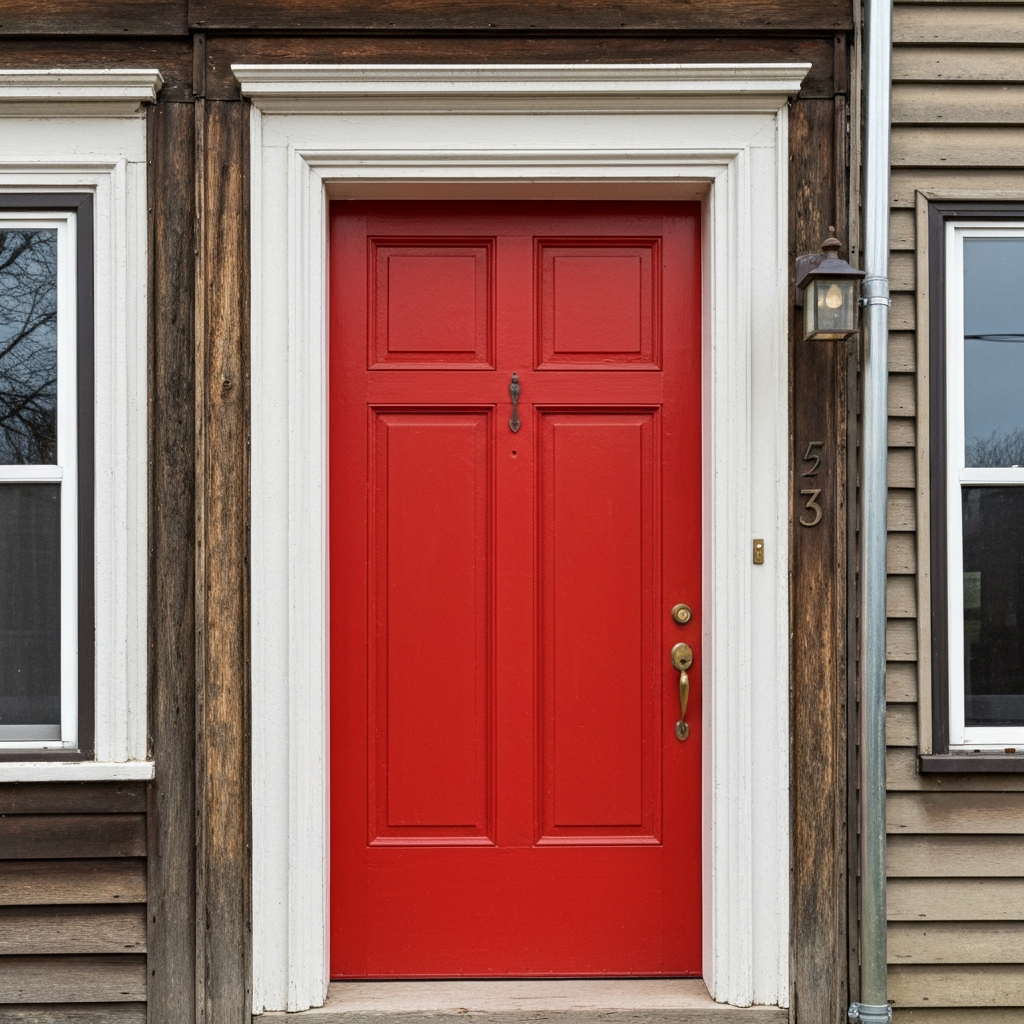
Step 2: Red Doors as a Symbol of Safety and Sanctuary
The protective symbolism of red doors has deep roots in religious traditions. Many churches traditionally paint their doors red to signify the sanctuary and safety offered within. This practice is often linked to the blood of Christ, representing the ultimate sacrifice and divine protection offered to believers. Historically, red doors marked churches as places of refuge where individuals could seek asylum from persecution or danger. The red door essentially signaled that those who entered were under the protection of the church and, by extension, God. While the legal concept of sanctuary has evolved, the symbolic association of red doors with safety and refuge persists in many communities.
Step 3: Feng Shui and the Energy of Red Doors
In Feng Shui, the front door is considered the "mouth of the home," the primary entry point for energy. The color red is a powerful element, associated with fire and good fortune. Painting your front door red is believed to attract positive energy and prosperity into the home, warding off negative influences. However, Feng Shui also emphasizes balance and harmony. Therefore, the direction your door faces is crucial. According to Feng Shui principles, if your door faces west or northwest (directions associated with the metal element), painting it red (the fire element) could create an elemental conflict, potentially leading to disharmony. Before painting your door red based on Feng Shui principles, carefully determine the facing direction of your front door and consult with a Feng Shui expert if needed.

Step 4: The Mortgage-Free Celebration
A lesser-known, yet intriguing, meaning of red doors stems from a Scottish tradition. Legend has it that upon paying off their mortgage, homeowners in Scotland would paint their front doors red as a visible symbol of their debt-free status. This act was a public announcement of financial freedom, a celebration of being "out of the red." While this tradition might not be widely practiced today, the underlying sentiment resonates with many. A red door can symbolize accomplishment, financial stability, and a sense of pride in homeownership. It's a subtle yet powerful message of personal achievement.
Step 5: Civil War Significance: The Underground Railroad Connection
During the tumultuous era of the American Civil War, red doors took on a clandestine meaning. Houses serving as safe houses along the Underground Railroad, a network aiding enslaved people seeking freedom, sometimes used red doors as a subtle signal. This allowed escaping slaves to identify safe havens without explicitly advertising their purpose, which would have carried severe consequences. The red door, therefore, became a symbol of hope and liberation, a beacon of safety in a dangerous landscape. The historical significance adds another layer of depth to the already rich symbolism associated with red doors, underscoring their role in pivotal moments of history.
Step 6: Biblical Origins: Protection from God
The Old Testament provides another compelling historical context for the symbolism of red doors. In the Book of Exodus, during the story of Passover, the Israelites were instructed by God to sacrifice a lamb and smear its blood on their doorframes. This act served as a sign to God, ensuring that the Angel of Death would "pass over" their homes, sparing them from the plague that befell the Egyptians. Thus, the red on the door represented divine protection and deliverance. This powerful biblical connection reinforces the association of red doors with safety, sanctuary, and divine intervention. It represents a covenant, a promise of protection in times of adversity.
Step 7: Irish Rebellion and Victorian Mourning
Across the Atlantic, in Victorian-era Ireland, red doors took on a defiant meaning. Following the death of Prince Albert, Queen Victoria (known as the "Famine Queen" by the Irish due to her perceived indifference during the Great Famine) supposedly ordered the Irish to paint their doors black as a sign of mourning. In an act of resistance against English rule, many Irish citizens instead painted their doors red, a symbolic gesture of rebellion and defiance. This act demonstrated their refusal to succumb to English authority and highlighted their national pride. Irish folklore also suggests red doors were used to ward off evil spirits or help drunkards find their way home.
Step 8: Choosing the Right Shade of Red
The specific shade of red you choose for your door is largely a matter of personal preference. There's no single "correct" shade, and the associations with the color generally remain consistent regardless of the hue. However, consider the overall aesthetic of your home and neighborhood. A bright, vibrant red might be perfect for a modern home, while a more muted or darker red might be more suitable for a traditional or historic property. Test different shades by painting samples on a board and observing them in different lighting conditions before making your final decision. Also, check with your homeowner's association (HOA) to ensure that your chosen shade is permitted.
Common Mistakes to Avoid
- Ignoring HOA Restrictions: Always check with your HOA before painting your door, as some associations have strict color guidelines.
- Neglecting the Door's Condition: Ensure your door is properly prepared before painting. Repair any damage, sand the surface, and apply a primer for optimal adhesion and a professional finish.
- Choosing the Wrong Red: The "perfect" red depends on your home's style, surrounding landscape, and personal taste. Test paint samples before committing to a full application.
- Ignoring Feng Shui: If you practice Feng Shui, consider the direction your door faces and choose colors accordingly to avoid elemental imbalances.
Conclusion
The meaning of a red door is multifaceted, steeped in history, culture, and personal symbolism. From ancient traditions of protection to modern expressions of welcome and financial freedom, the color red on a front door speaks volumes. By understanding the historical and cultural context, as well as your own personal beliefs and preferences, you can confidently choose whether a red door is the right statement for your home. Whether you're seeking to attract good fortune, signify a welcoming home, or simply add a vibrant touch to your curb appeal, a red door offers a powerful and enduring message.