In an increasingly connected world, protecting your privacy is paramount. One technique that has emerged for this purpose is phone number spoofing. Spoofing, in essence, masks your actual phone number and replaces it with a different number of your choosing. This can be useful in various scenarios, from protecting your personal number when making business calls to avoiding unwanted attention. However, it's crucial to understand the legal and ethical implications before engaging in phone number spoofing.
This guide provides a comprehensive, step-by-step approach to phone number spoofing, highlighting the necessary tools, legal considerations, and potential pitfalls. We aim to equip you with the knowledge to spoof responsibly and safeguard your privacy. Remember, the intent behind spoofing matters significantly; using it for fraudulent or malicious purposes is illegal and unethical.
Before proceeding, always verify the legality of spoofing in your specific jurisdiction. Laws regarding caller ID manipulation vary significantly by state and country.
Step 1: Understanding the Legal Landscape
Before you even consider spoofing your phone number, it is imperative to understand the legal framework governing this practice. The legality of spoofing hinges primarily on your intent. In the United States, the Truth in Caller ID Act prohibits spoofing with the intent to defraud, cause harm, or wrongfully obtain anything of value. Violations can result in substantial fines, potentially reaching $10,000 per violation. Some states have even stricter regulations, outright banning spoofing except for specific, authorized uses like law enforcement operations or public safety initiatives. Carefully research and comprehend the laws in your state and any other relevant jurisdictions to avoid unintentional legal breaches. Ignorance of the law is not an excuse, so ensure you are fully informed before proceeding.

Step 2: Choosing a Spoofing Method
Several methods exist for spoofing your phone number, each with its own advantages and disadvantages. One common approach is to use a dedicated spoofing service or app. These services typically offer a user-friendly interface and a range of features, such as the ability to record calls or change your voice. Another option is to use a Voice over Internet Protocol (VoIP) service that allows you to customize your caller ID. When selecting a method, prioritize security and privacy. Ensure that the service you choose has a clear privacy policy and does not log your calls or personal information. Free services might seem appealing, but they often come with hidden costs, such as data collection or intrusive advertising. Consider your specific needs and choose a method that aligns with your technical expertise and budget.
Step 3: Setting Up Your Spoofing Service or App
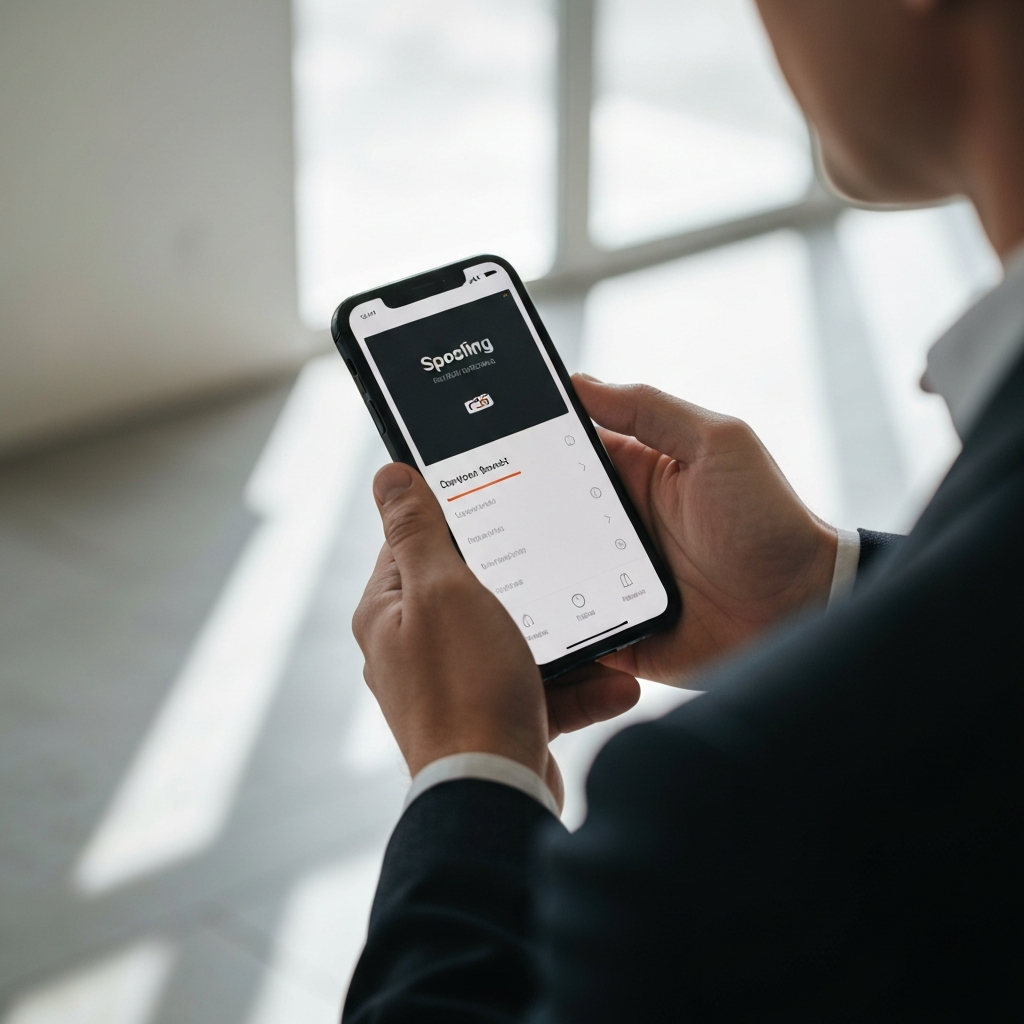
Once you've selected a spoofing service or app, you'll need to create an account and configure your settings. This typically involves providing your real phone number for verification purposes. The app or service will then guide you through the process of setting up your desired caller ID, the number that will be displayed to the person you're calling. Double-check the number you enter as your spoofed caller ID to ensure accuracy. A typo could result in you accidentally using someone else's number, potentially causing them inconvenience or distress. Some services offer the option to choose a random number, which can be useful if you don't have a specific number in mind. Familiarize yourself with all the available features and settings to maximize the utility of the service.

Step 4: Making a Spoofed Call
With your spoofing service configured, you're now ready to make a call. Open the app or access the service's interface and enter the phone number you wish to call. The service will then initiate the call, displaying your chosen spoofed number to the recipient. Before making the call, take a moment to consider the context and potential impact of your actions. Ensure that your spoofed number is appropriate for the situation and that you are prepared to explain your reason for spoofing if asked. Remember, responsible use of spoofing involves transparency and a genuine commitment to protecting your privacy without causing harm or deception.

Step 5: Testing and Verification
After making your first spoofed call, it's wise to verify that the spoofing is working as intended. Ask a trusted friend or family member to call you back to confirm that the correct spoofed number is being displayed on their caller ID. This step is crucial for ensuring that your settings are properly configured and that the service is functioning correctly. If the spoofing is not working, review your settings and contact the service's customer support for assistance. Consistent verification will help you avoid accidentally revealing your real number or misrepresenting your identity.
Safety Considerations
While spoofing can be a useful tool for protecting your privacy, it's essential to be aware of the potential risks and safety considerations. Never use spoofing to impersonate law enforcement, government agencies, or other trusted entities. Such actions are illegal and can have serious consequences. Be cautious about the information you share during a spoofed call, as it's possible for the recipient to trace the call back to your real number through various means. Always prioritize ethical behavior and avoid engaging in any activity that could be construed as harassment, fraud, or deception.
FAQ Section
Q: Is phone number spoofing always illegal?
A: No, it is not always illegal. It depends on your intent and the laws in your jurisdiction. Spoofing with the intent to defraud or cause harm is generally illegal, but spoofing for legitimate privacy reasons may be permissible.
Q: Can my spoofed number be traced back to me?
A: While spoofing makes it more difficult to trace your number, it is not foolproof. Law enforcement and telecommunication companies have methods for tracing spoofed calls, particularly in cases of criminal activity.
Q: Are there any free spoofing services?
A: Some free spoofing services exist, but they often come with limitations, such as limited usage or the inclusion of advertising. Be wary of free services, as they may not prioritize your privacy or security.
Conclusion
Phone number spoofing can be a valuable tool for protecting your privacy in certain situations. However, it is crucial to approach this technique with caution and responsibility. Always prioritize ethical behavior, respect the laws in your jurisdiction, and be mindful of the potential consequences of your actions. By following the steps outlined in this guide and adhering to the safety considerations, you can spoof your phone number safely and effectively.