Few things are worse than lying in bed, exhausted, but unable to sleep because you've eaten too much. That feeling of fullness, accompanied by potential heartburn or indigestion, can turn a peaceful night into a restless one. While it's always best to practice mindful eating and avoid overindulgence, sometimes it happens. The good news is that there are strategies you can use to mitigate the discomfort and improve your chances of getting a good night's sleep, even after a large meal.
This guide provides actionable steps to help you manage the symptoms of overeating and drift off to sleep. We'll cover everything from optimizing your sleeping position to incorporating gentle digestive aids. Remember that consistency is key; these techniques are most effective when incorporated into a regular routine. By implementing these tips, you can minimize the negative impact of overeating on your sleep and wake up feeling refreshed, not regretful.
Let's get started on making those post-feast nights a little more restful.
Step 1: Elevate Your Upper Body
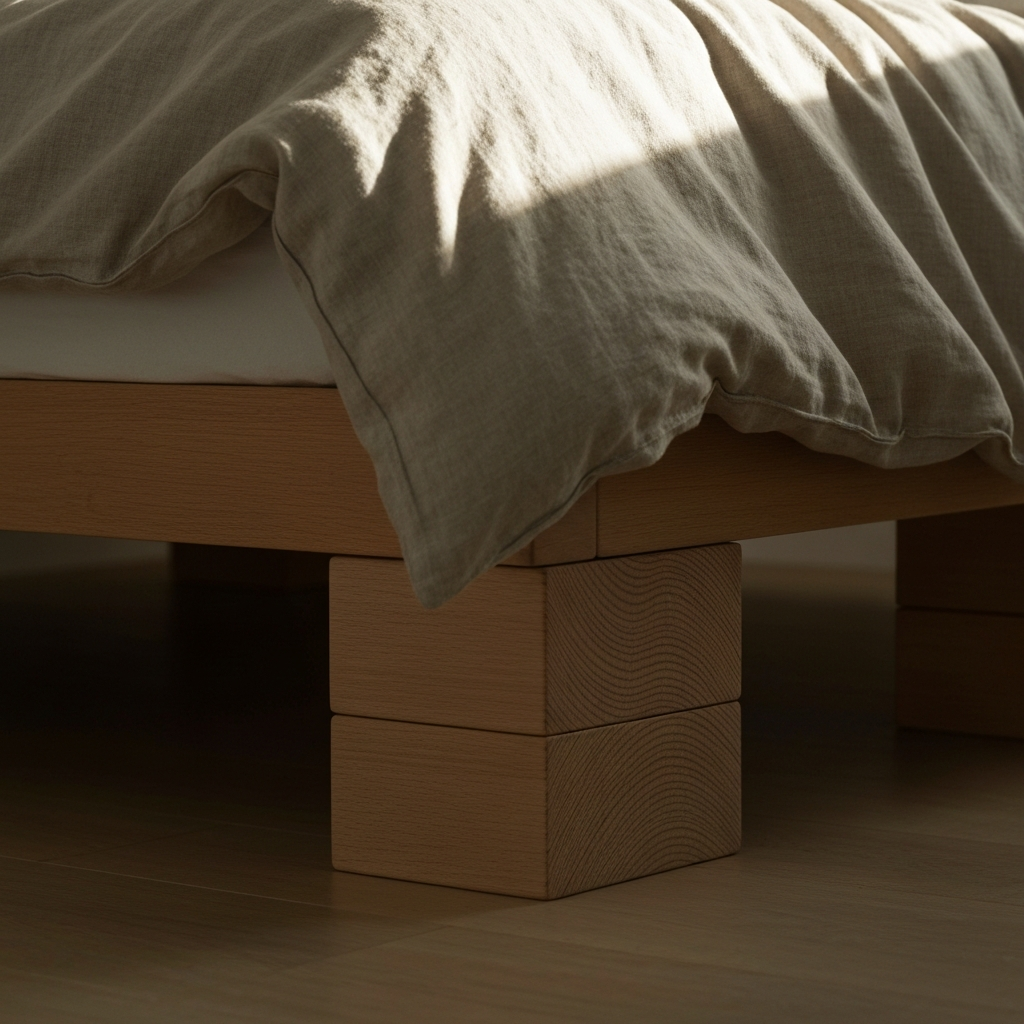
Elevating your upper body is a crucial first step in combating acid reflux and heartburn, common culprits that keep you awake after overeating. By raising the head of your bed or using a wedge pillow, you allow gravity to work in your favor, preventing stomach acid from flowing back into your esophagus. This simple adjustment can significantly reduce discomfort and promote a more peaceful sleep. Aim for an elevation of 6-8 inches.
You can achieve this elevation by placing sturdy blocks under the front legs of your bed frame or investing in a specialized wedge pillow designed for this purpose. Standard pillows often don't provide sufficient elevation and can lead to neck strain. A common mistake is only elevating your head, which bends your neck and doesn’t solve the problem. Consider a gradual incline for the entire upper torso. Make sure the bed frame is stable and blocks are securely placed to avoid any accidental shifts during the night.
Step 2: Sleep on Your Left Side
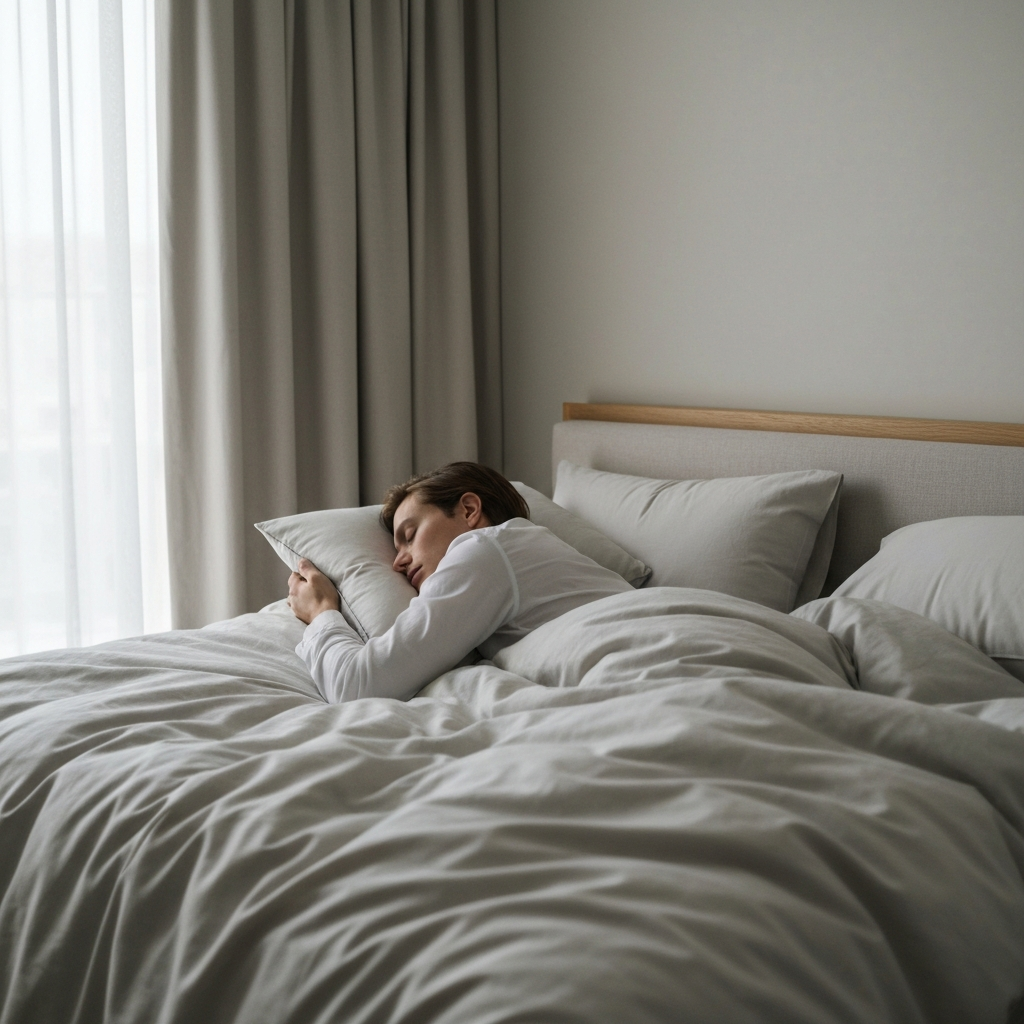
Believe it or not, your sleeping position can significantly impact your digestive comfort. Sleeping on your left side is widely recommended because of the anatomical arrangement of your digestive organs. When you lie on your left side, your stomach and esophagus are positioned in a way that reduces the likelihood of stomach acid flowing back into your esophagus. This simple change can make a noticeable difference in preventing heartburn and acid reflux.
While sleeping on your left side is generally beneficial, it might feel unnatural at first if you’re used to another position. Try placing a pillow behind you to prevent rolling onto your back during the night. Some people find it helpful to hug a pillow or use a body pillow for added comfort and support. Be patient with yourself as you adjust to this new sleeping position. It may take a few nights to feel completely comfortable. Avoid sleeping on your right side, as this can exacerbate heartburn symptoms.
Step 3: Gentle Movement After Eating
While intense exercise right before bed is generally discouraged, a gentle walk can aid digestion and reduce that overly full feeling. Light physical activity, such as a leisurely stroll around your home or neighborhood, can stimulate the digestive process and help your body process food more efficiently. This can ease discomfort and make it easier to fall asleep. Aim for a 15-20 minute walk at a relaxed pace.
Avoid strenuous activities or anything that might put pressure on your abdomen. The goal is to encourage digestion, not to burn calories. A short, slow walk after dinner can work wonders. Even stretching or light yoga poses can help to ease tension and promote relaxation. Listen to your body and stop if you feel any discomfort. Choose a safe and well-lit area for your walk, especially if it's dark outside.

Step 4: Soothe with Ginger
Ginger has long been recognized for its digestive benefits and can be a valuable ally when you've overeaten. Ginger possesses natural anti-inflammatory and antiemetic properties, which can help to soothe an upset stomach, reduce nausea, and ease bloating. Whether consumed as tea, candy, or fresh ginger, this natural remedy can provide relief and promote relaxation before bed. Ginger can help speed up gastric emptying.
You can prepare ginger tea by steeping sliced fresh ginger in hot water for 5-10 minutes. Alternatively, ginger chews or candies can provide a convenient and palatable way to consume ginger. If you're using fresh ginger, start with a small amount to gauge your tolerance, as excessive amounts can cause stomach upset in some individuals. Avoid ginger ale with high sugar content, as it can worsen indigestion. Choose a natural ginger brew option if available.

Step 5: Optimize Your Sleep Environment
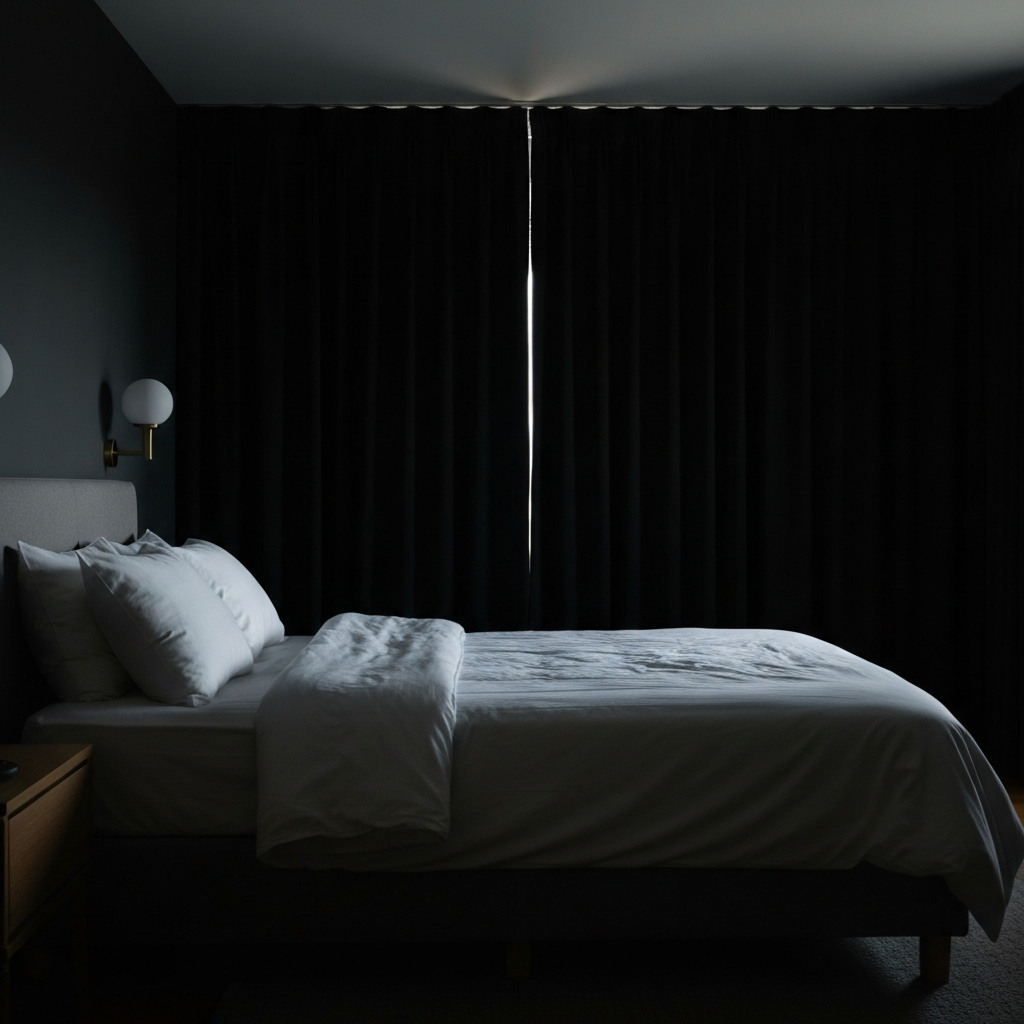
Creating a conducive sleep environment is essential for a restful night, especially when dealing with the discomfort of overeating. A dark, quiet, and cool room can significantly improve your sleep quality. Darkness promotes the production of melatonin, the sleep hormone, while a cool temperature helps your body regulate its core temperature for optimal sleep. Minimize distractions to create a peaceful sleep space.
Use blackout curtains or blinds to block out external light sources. Consider using earplugs or a white noise machine to minimize disruptive sounds. Set your thermostat to a comfortable temperature, typically between 60-70 degrees Fahrenheit. Ensure your bedding is clean and comfortable, and avoid using electronic devices in bed, as the blue light emitted from screens can interfere with sleep. Make your bedroom a sanctuary for sleep.
Step 6: Avoid Late-Night Stimulants
Consuming caffeine or alcohol close to bedtime can sabotage your sleep efforts, particularly when your digestive system is already working overtime. Caffeine is a stimulant that can keep you awake and disrupt your sleep cycle, while alcohol, although initially sedating, can lead to fragmented sleep and awakenings during the night. It's best to avoid these substances at least 3-4 hours before bedtime.
Caffeine is found not only in coffee and tea but also in chocolate, soda, and some medications. Be mindful of hidden sources of caffeine. Alcohol can relax the muscles in your esophagus, potentially worsening acid reflux. If you're struggling to fall asleep, opt for caffeine-free herbal teas or warm milk instead. Choose decaffeinated options after lunchtime. Water is always a safe bet.

Step 7: Antacids as a Last Resort
While antacids can provide temporary relief from heartburn and acid reflux, they should be considered a last resort rather than a regular solution. Frequent use of antacids can interfere with nutrient absorption and mask underlying digestive issues. Use them sparingly and consult with a healthcare professional if you find yourself relying on them regularly.
Choose an antacid that is appropriate for your specific symptoms and follow the dosage instructions carefully. Be aware that some antacids can interact with other medications, so it's essential to inform your doctor about all medications you are taking. Overuse can lead to imbalances in your digestive system. Lifestyle changes, such as avoiding trigger foods and practicing mindful eating, are often more effective in the long run.
Common Mistakes to Avoid
- Lying down immediately after eating: Give your body time to digest before hitting the pillow.
- Wearing tight clothing: Opt for loose-fitting pajamas to avoid putting pressure on your stomach.
- Eating large meals close to bedtime: Try to finish eating at least 3 hours before going to sleep.
- Ignoring trigger foods: Pay attention to what foods tend to cause you heartburn or indigestion.
FAQ Section
Q: How long should I wait to lie down after eating?
A: Aim to wait at least 3 hours after eating before lying down to allow your body to digest the food.
Q: Is it better to nap sitting up after overeating?
A: Napping upright can help reduce acid reflux compared to lying flat. It's a temporary solution, though, not a long-term fix.
Q: What foods should I avoid before bed?
A: Avoid fatty, fried, spicy, and acidic foods, as well as caffeine and alcohol. These can all contribute to indigestion and heartburn.
Conclusion
Sleeping comfortably after overeating requires a multi-faceted approach that combines lifestyle adjustments, dietary awareness, and strategic remedies. By elevating your upper body, sleeping on your left side, engaging in gentle movement, and optimizing your sleep environment, you can minimize the discomfort and improve your chances of a restful night. Remember to avoid late-night stimulants and use antacids sparingly. Prioritize mindful eating and establish a consistent sleep routine for long-term digestive health and improved sleep quality. With these tips, you can navigate those post-feast nights with greater ease and wake up feeling refreshed and ready to face the day.