The nape of the neck, a seemingly simple anatomical feature, holds a surprising amount of cultural significance and physiological sensitivity. Often overlooked in daily life, it's a region that has been both revered and policed throughout history. From its role in beauty standards to its sensitivity as an erogenous zone, the nape deserves a closer look.
This guide will delve into the fascinating world of the nape. We will explore its anatomical location, examine its cultural associations across different societies, and provide expert insights on how to care for and appreciate this often-neglected part of the body. Whether you're a student of anatomy, a beauty enthusiast, or simply curious about the human form, this comprehensive guide will offer a wealth of information.
Prepare to uncover the hidden depths of the nape, from its etymological origins to its role in non-verbal communication and intimate connection. Let's begin this journey of discovery!
Step 1: Identifying the Nape
Locating the Nape Accurately
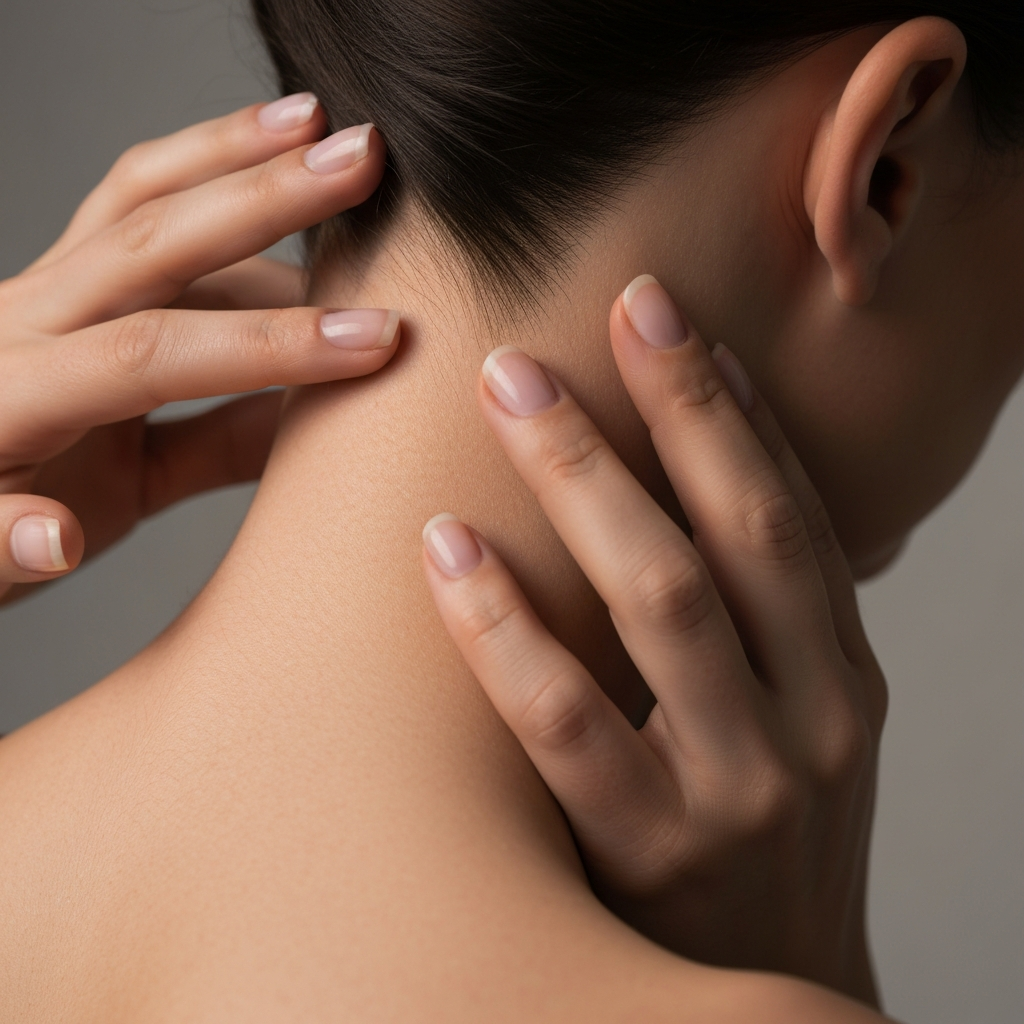
The nape is essentially the back of your neck, specifically the area situated right beneath the base of the skull. Think of it as the point where your hairline meets the back of your neck. To pinpoint it precisely, run your fingers along the back of your head downwards until you reach the slight indentation where your skull connects to your neck. This is your nape. Medically, this area corresponds to the uppermost part of the cervical spine, which provides crucial support for your head. It's important to differentiate the nape from the broader back of the neck; the nape is a more concentrated and defined area.
Step 2: Understanding the Nape's Sensitivity
Exploring its Erogenous Qualities
The nape is widely recognized as a sensitive area and, for many, an erogenous zone. This sensitivity arises from the concentration of nerve endings in this region. Light touches, gentle kisses, or even the subtle brush of hair against the nape can elicit feelings of pleasure and arousal. The nape's proximity to the spine and brainstem further amplifies its sensitivity, making it a prime target for intimate touch. Remember that sensitivity varies from person to person, so communication is key when exploring this area with a partner. Also, consider how clothing and accessories can influence this area -- a high collar, for example, might increase sensitivity due to the constant friction and contact.

Step 3: Caring for the Nape: Hair and Skin
Maintaining a Healthy Nape
The skin and hair at the nape often require special care. The hair in this area can sometimes be coarser, shorter, and more prone to frizz than the rest of your hair. When washing your hair, be sure to thoroughly cleanse the nape to prevent buildup of oils and product. Gently exfoliate the skin to prevent ingrown hairs, especially if you shave or wax the area. Be mindful of tight hairstyles that can put stress on the nape hairline, potentially leading to hair loss. Consider using a gentle, moisturizing lotion to keep the skin hydrated and prevent irritation. Pay attention to the products you use in this area, and opt for fragrance-free options to minimize the risk of allergic reactions.

Step 4: Nape Piercings: Considerations
Thinking About Nape Piercing
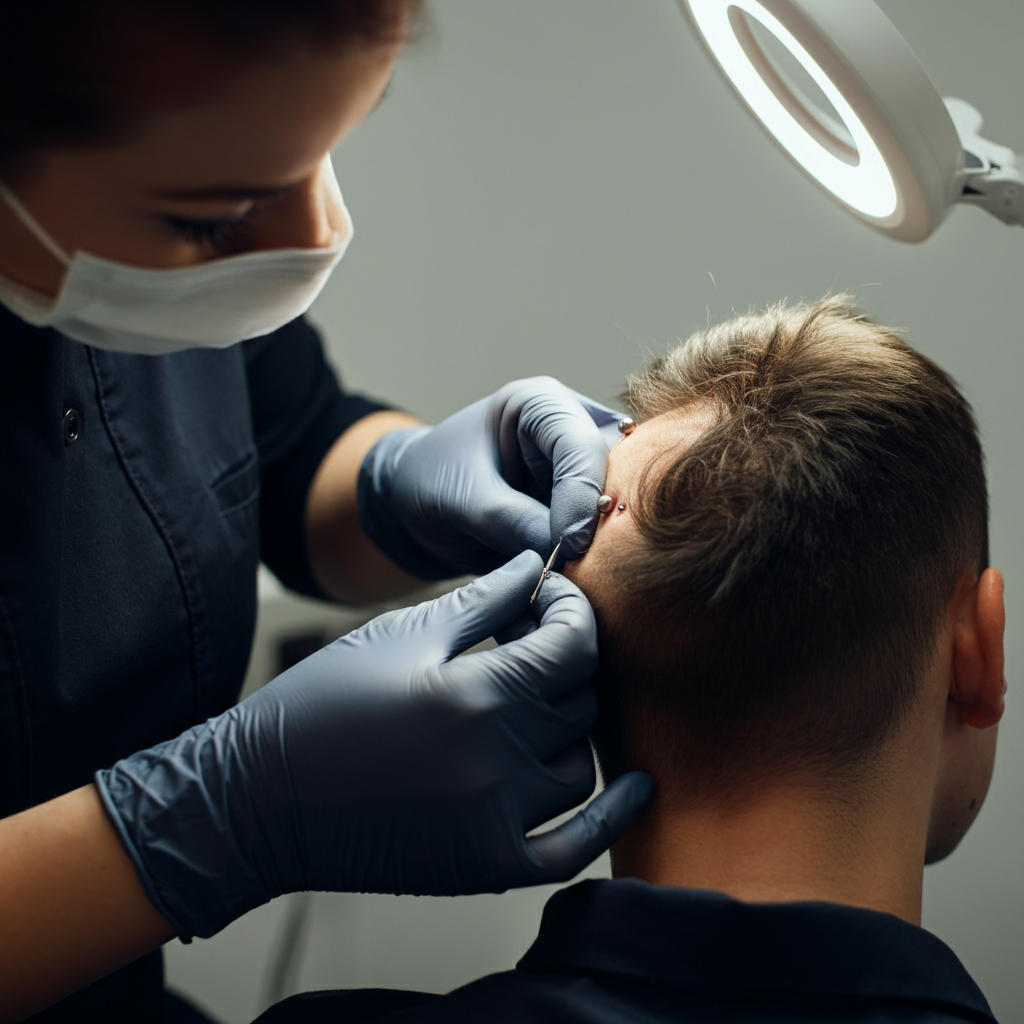
A nape piercing, a surface piercing located on the back of the neck just beneath the hairline, is a bold and unique form of body modification. Unlike traditional piercings, nape piercings use a surface bar with entry and exit points on the skin's surface. Due to its location and the skin's natural movement, nape piercings are prone to rejection and require diligent aftercare. It is absolutely crucial to find a highly experienced and reputable piercer who is knowledgeable about surface piercings and proper placement. Thoroughly research the piercing process, potential risks, and aftercare instructions before committing to a nape piercing. Be prepared for a longer healing time and the possibility of needing to remove the piercing if complications arise.
Step 5: Cultural Significance
Nape Through Cultures
The cultural significance of the nape varies greatly across different societies. In some cultures, such as traditional Japan, the nape was considered a highly alluring part of a woman's body, often accentuated in traditional attire and makeup. Conversely, in certain Middle Eastern cultures, a slap to the nape is considered a demeaning gesture. These contrasting perceptions highlight the importance of understanding cultural nuances and avoiding actions that could be misinterpreted or offensive. The nape, as a visible and vulnerable part of the body, often carries symbolic weight and reflects societal values related to beauty, respect, and social hierarchy. By understanding these differences, we can become more culturally sensitive and avoid unintentional offense.

Pro Tips
- Massage for Tension Relief: Regularly massage the nape area to relieve tension and promote relaxation. Use circular motions with your fingertips, applying gentle pressure.
- Sun Protection: Don't forget to apply sunscreen to your nape, especially if you have short hair or wear your hair up. This area is often exposed to the sun and vulnerable to sunburn.
- Communicate Preferences: When receiving a massage or intimate touch, clearly communicate your preferences regarding pressure and technique.
FAQ Section
- Q: Why is the nape so sensitive? A: The nape contains a high concentration of nerve endings, making it particularly receptive to touch.
- Q: Can tight hairstyles damage the nape hairline? A: Yes, consistently wearing tight hairstyles can put excessive strain on the nape hairline, potentially leading to hair loss.
- Q: Is a nape piercing painful? A: Pain levels vary from person to person, but most people describe a nape piercing as moderately painful.
Conclusion
The nape of the neck is more than just a patch of skin at the back of your neck; it's a complex area with anatomical significance, cultural relevance, and the potential for heightened sensitivity. By understanding its location, appreciating its cultural nuances, and providing it with proper care, you can unlock a deeper appreciation for this often-overlooked part of the human body. Remember to be mindful of cultural sensitivities, prioritize your health and safety when considering piercings, and communicate openly with partners about your preferences and boundaries.