Experiencing muscle soreness after a workout, often referred to as Delayed Onset Muscle Soreness (DOMS), is a common phenomenon. That familiar ache can make you question your training schedule and whether pushing through is beneficial or detrimental. The answer, as with many things in fitness, isn't a simple yes or no. It requires understanding the type of soreness you're experiencing and adapting your workout accordingly.
This guide will walk you through the factors to consider when deciding whether or not to exercise when sore. We'll explore how to differentiate between DOMS and injury pain, how to modify your workout, and strategies to promote recovery. By understanding your body's signals and implementing these techniques, you can optimize your training and minimize downtime.
Whether you're a seasoned athlete or just starting your fitness journey, learning to navigate muscle soreness effectively is crucial for long-term progress and injury prevention. So, let's dive in and discover the best approach for your body.
Step 1: Assess Your Soreness Level
Before making any decisions about your workout, it's crucial to accurately assess the level of soreness you're experiencing. Mild soreness, where you feel a slight ache or stiffness but can still move comfortably, is different from severe pain that limits your range of motion. Ask yourself: Is it a dull ache, or a sharp, stabbing pain? Also, consider when the soreness started. DOMS typically appears 24-48 hours after exercise. Immediate pain during or right after a workout may indicate an injury, which requires a different approach.
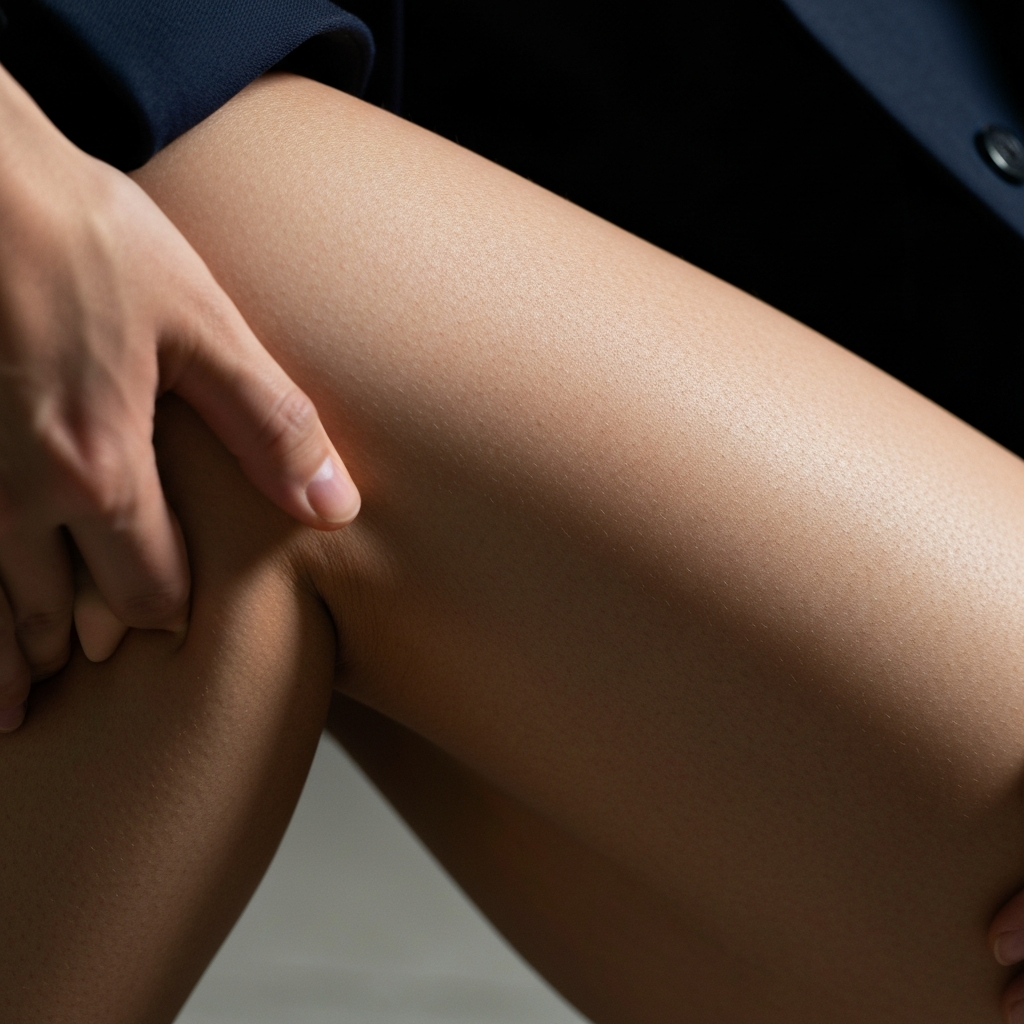
Step 2: Differentiate Between DOMS and Injury
It's vital to distinguish between Delayed Onset Muscle Soreness (DOMS) and actual injury. DOMS is characterized by a general ache and stiffness in the affected muscles, typically peaking 24-72 hours after exercise. Injury pain, on the other hand, tends to be sharp, localized, and often accompanied by swelling, bruising, or limited range of motion. If you suspect an injury, stop exercising immediately and consult a medical professional. Pushing through an injury can lead to further complications and prolonged recovery.

Step 3: Consider Active Recovery
If you've determined that you're experiencing DOMS and not an injury, active recovery can be a beneficial strategy. Active recovery involves engaging in low-intensity exercises that promote blood flow to the sore muscles, aiding in the removal of metabolic waste and reducing inflammation. Examples include light walking, swimming, yoga, or cycling at a very low intensity. Avoid high-impact activities or exercises that exacerbate the soreness.

Step 4: Modify Your Workout Intensity
If you decide to exercise while sore, it's crucial to modify the intensity of your workout. Reduce the weight you're lifting, decrease the number of repetitions, or shorten the duration of your exercise session. Focus on proper form and technique rather than pushing yourself to your limits. Consider focusing on different muscle groups that aren't sore to allow the affected muscles to recover.

Step 5: Focus on Nutrition and Hydration
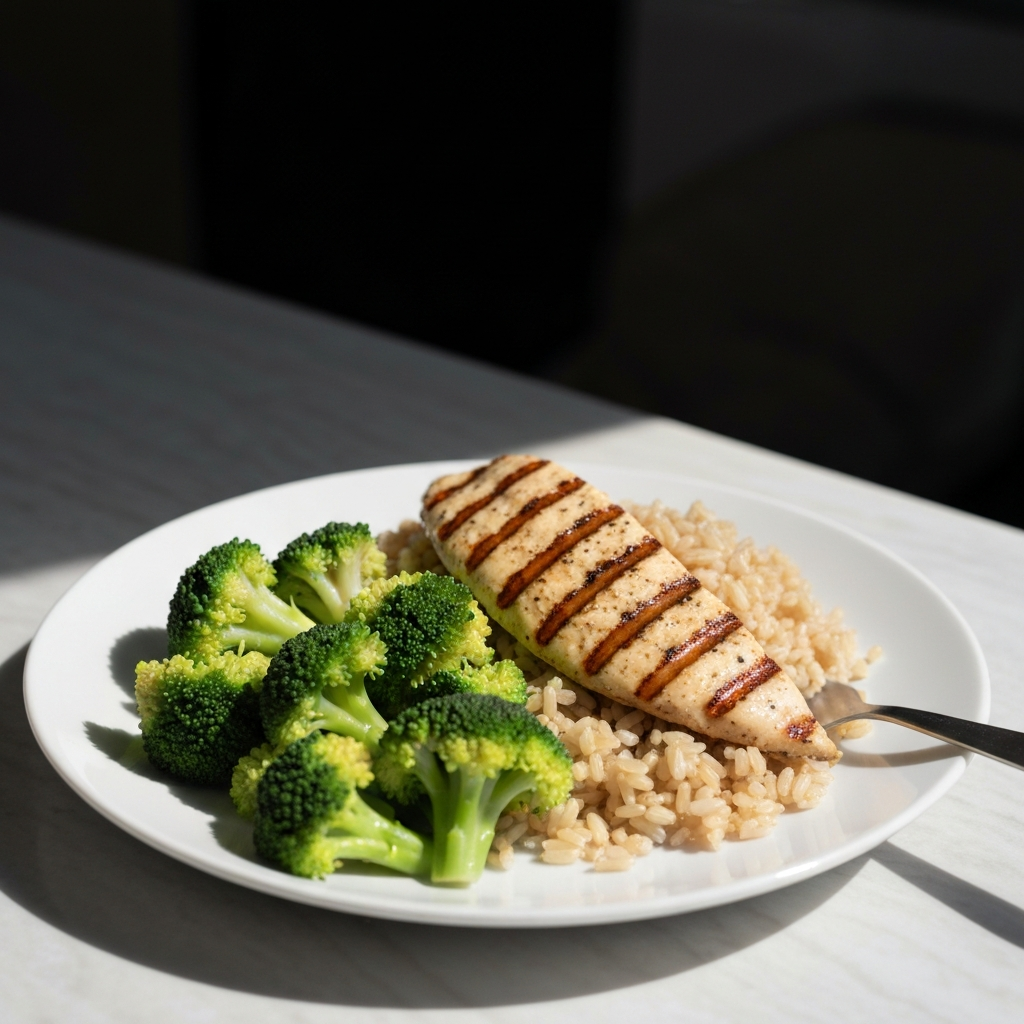
Proper nutrition and hydration are essential for muscle recovery. Ensure you're consuming adequate protein to aid in muscle repair and repair (aim for 1.1-1.5 grams of protein per kilogram of body weight). Complex carbohydrates provide energy and support recovery. Staying well-hydrated helps to flush out metabolic waste products and maintain optimal muscle function. Consider incorporating anti-inflammatory foods like berries, leafy greens, and fatty fish into your diet.
Step 6: Prioritize Rest and Sleep
Rest and sleep are paramount for muscle recovery. During sleep, your body releases hormones that promote tissue repair and muscle growth. Aim for 7-9 hours of quality sleep each night to optimize recovery. Avoid overtraining, which can exacerbate muscle soreness and increase the risk of injury. Listen to your body and take rest days when needed.

Safety Considerations
- If you experience sharp, stabbing pain, stop exercising immediately and consult a medical professional.
- Avoid pushing through pain, as this can lead to further injury.
- Listen to your body and take rest days when needed.
- Ensure you're properly hydrated before, during, and after exercise.
Common Mistakes to Avoid
- Ignoring pain signals and pushing through an injury.
- Overtraining without adequate rest and recovery.
- Neglecting proper nutrition and hydration.
- Not warming up and cooling down properly.
FAQ Section
- Q: Is it okay to do light cardio when sore?
- A: Yes, light cardio, such as walking or swimming, can be beneficial for active recovery and promoting blood flow to sore muscles.
- Q: Should I stretch sore muscles?
- A: Gentle stretching can help to alleviate muscle stiffness and improve range of motion. However, avoid aggressive stretching that causes pain.
- Q: How long should I rest when I'm sore?
- A: The duration of rest depends on the severity of your soreness. Mild soreness may only require a day or two of rest or active recovery, while more severe soreness may require longer.
- Q: Can massage help with muscle soreness?
- A: Yes, massage can help to reduce muscle soreness and promote relaxation. Foam rolling can also be a helpful self-massage technique.
Conclusion
Exercising when sore requires careful consideration and a personalized approach. By accurately assessing your soreness level, differentiating between DOMS and injury, and modifying your workout accordingly, you can continue to train effectively while promoting recovery. Remember to prioritize rest, nutrition, and hydration to optimize muscle repair and minimize downtime. Listening to your body and adjusting your training plan based on its signals is crucial for long-term fitness success and injury prevention.