Positive reinforcement is key to a happy and well-behaved parrot. Understanding how to effectively reward desired behaviors will strengthen your bond and encourage your feathered friend to learn and thrive. Unlike dogs or cats, parrots have unique cognitive abilities and social needs, making a tailored approach to rewards essential.
This guide will walk you through proven methods for rewarding your parrot, covering everything from verbal praise and tasty treats to enriching environmental changes. Remember that consistency and understanding your parrot's individual preferences are crucial for success. Each bird is an individual, and what works for one may not work for another. This guide will help you find the best ways to make your parrot happy.
By applying these techniques, you can create a positive learning environment, reduce unwanted behaviors, and deepen your connection with your intelligent and fascinating companion. So, let's get started and discover how to reward your parrot like a pro!
Step 1: Understanding the Basics of Positive Reinforcement
Positive reinforcement, at its core, involves adding something desirable after a behavior occurs, making the behavior more likely to happen again in the future. In the context of parrots, this means identifying what your bird finds rewarding and using it strategically after they exhibit a behavior you want to encourage. It's vital to act immediately after the behavior for the parrot to connect the action with the reward. Delaying the reward can lead to confusion and ineffective training.
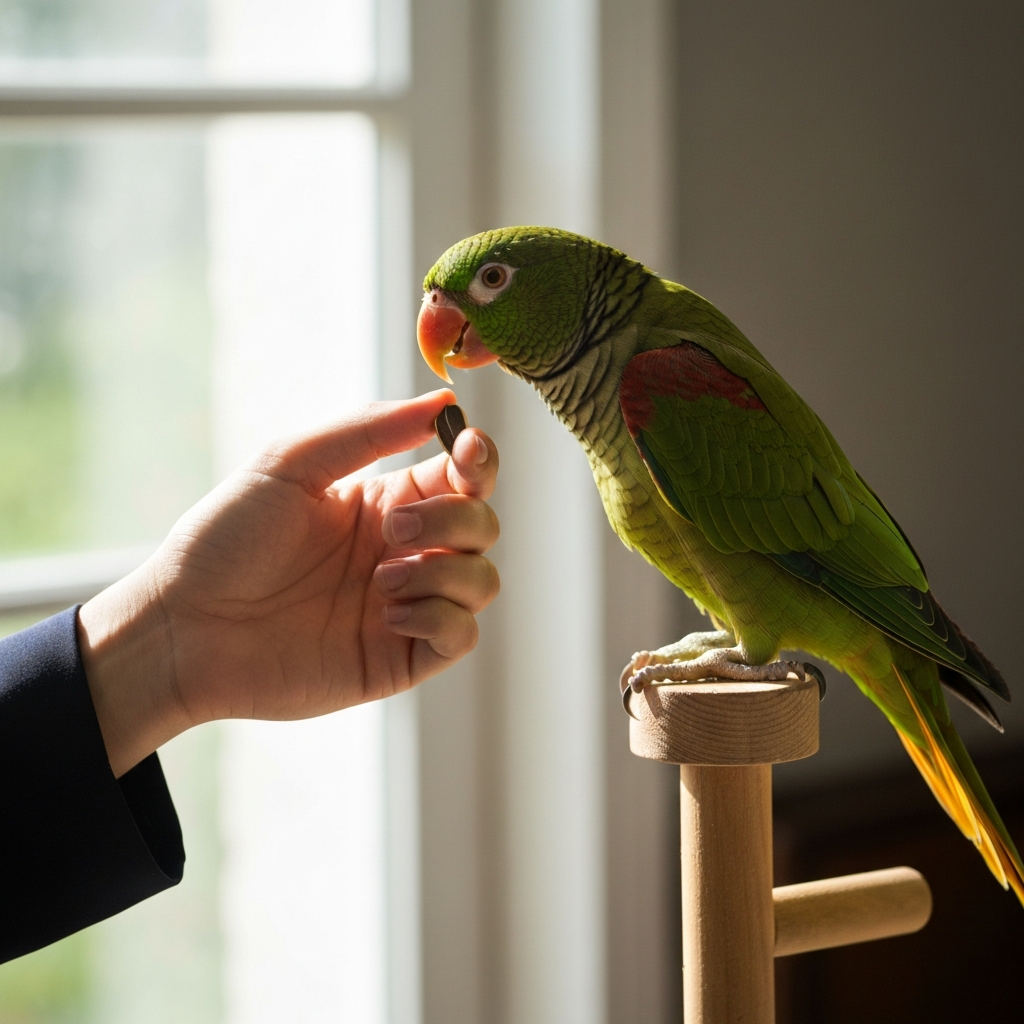
Step 2: Mastering Verbal Praise
Verbal praise is a readily available and effective way to reward your parrot. Use a cheerful and enthusiastic tone when your parrot performs a desired action, such as stepping up onto your hand or performing a trick. Phrases like "Good bird!" or "Well done!" can work wonders. The key is to use a consistent phrase and deliver it with genuine excitement. Parrots are highly attuned to your tone of voice, so a monotone delivery will likely be ignored. Avoid using the parrot's name in a scolding tone; save it for positive interactions.
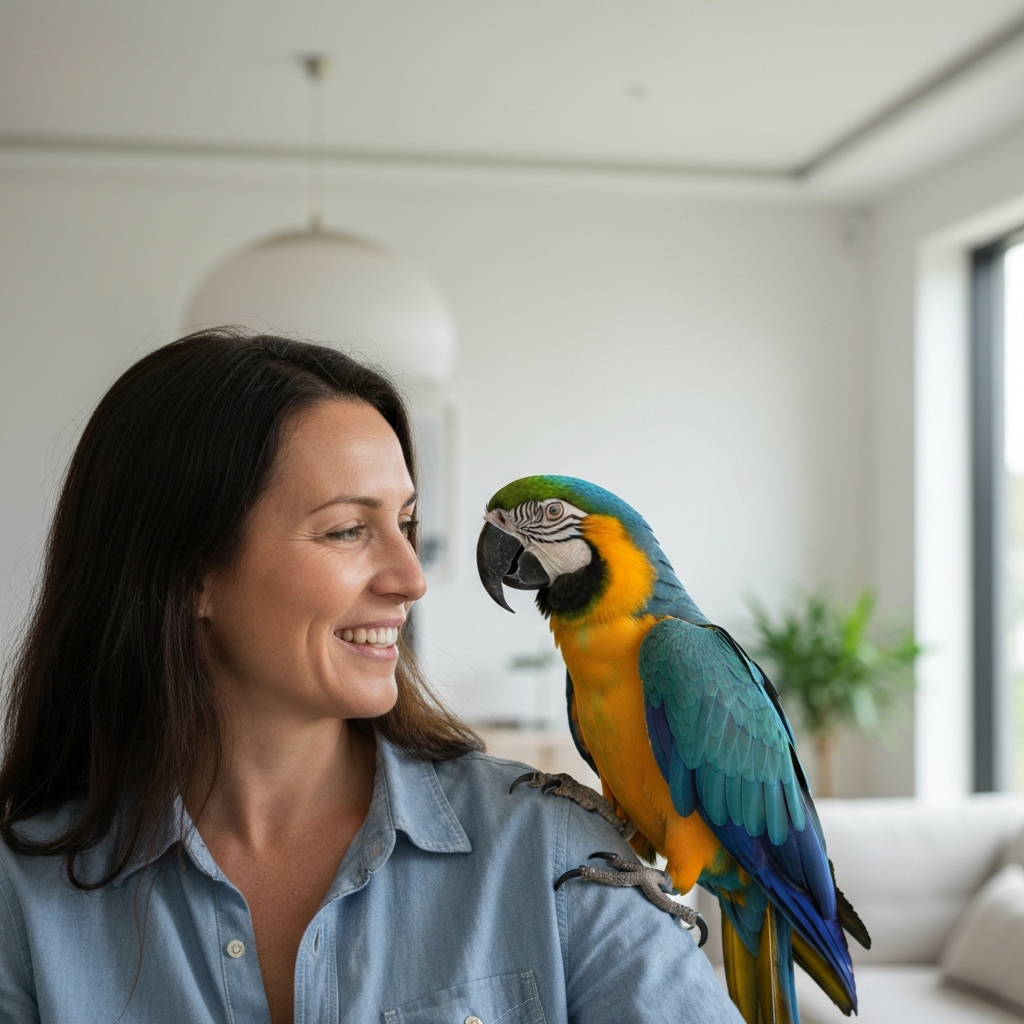
Step 3: Utilizing Treat Rewards Effectively
Treats are a powerful tool for positive reinforcement, but it's important to use them judiciously. Select healthy treats that your parrot enjoys but doesn't get all the time. Small pieces of nuts, seeds, or even chopped fruits and vegetables work well. Offer the treat immediately after the desired behavior, pairing it with verbal praise. Avoid overfeeding treats, as this can lead to health problems. Break larger treats into smaller pieces to prolong the reward experience and prevent the bird from getting full too quickly. A single almond can be broken into multiple tiny slivers for a longer training session.
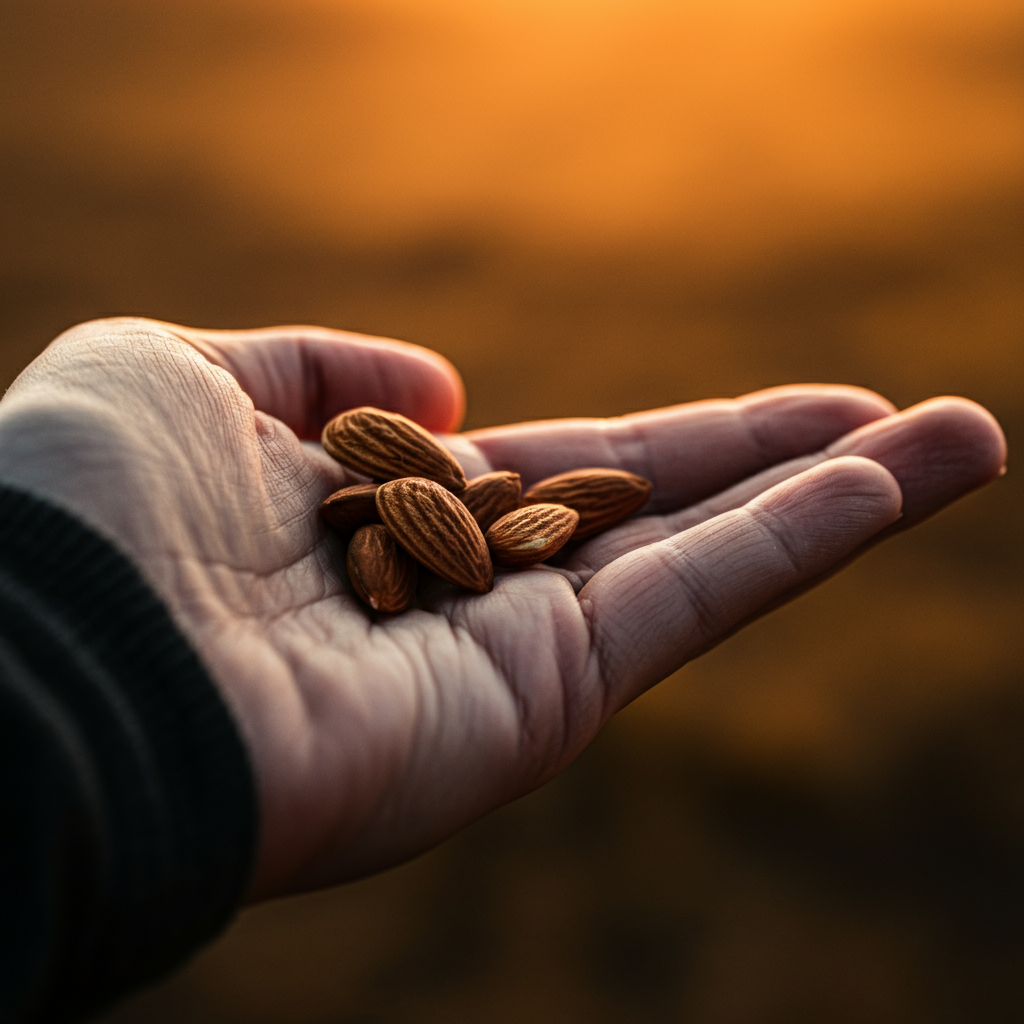
Step 4: Varying Your Reward Methods
Relying solely on one type of reward can lead to boredom and reduced effectiveness. Keep things fresh by varying your reward methods. Some parrots enjoy being sprayed with a mist of water, while others appreciate a head scratch or a brief period of play with a favorite toy. Observe your parrot's behavior closely to identify what they find most rewarding. Introducing novelty into the reward system keeps your parrot engaged and motivated. A new toy, a change in the training environment, or even a different type of verbal praise can all make a difference.
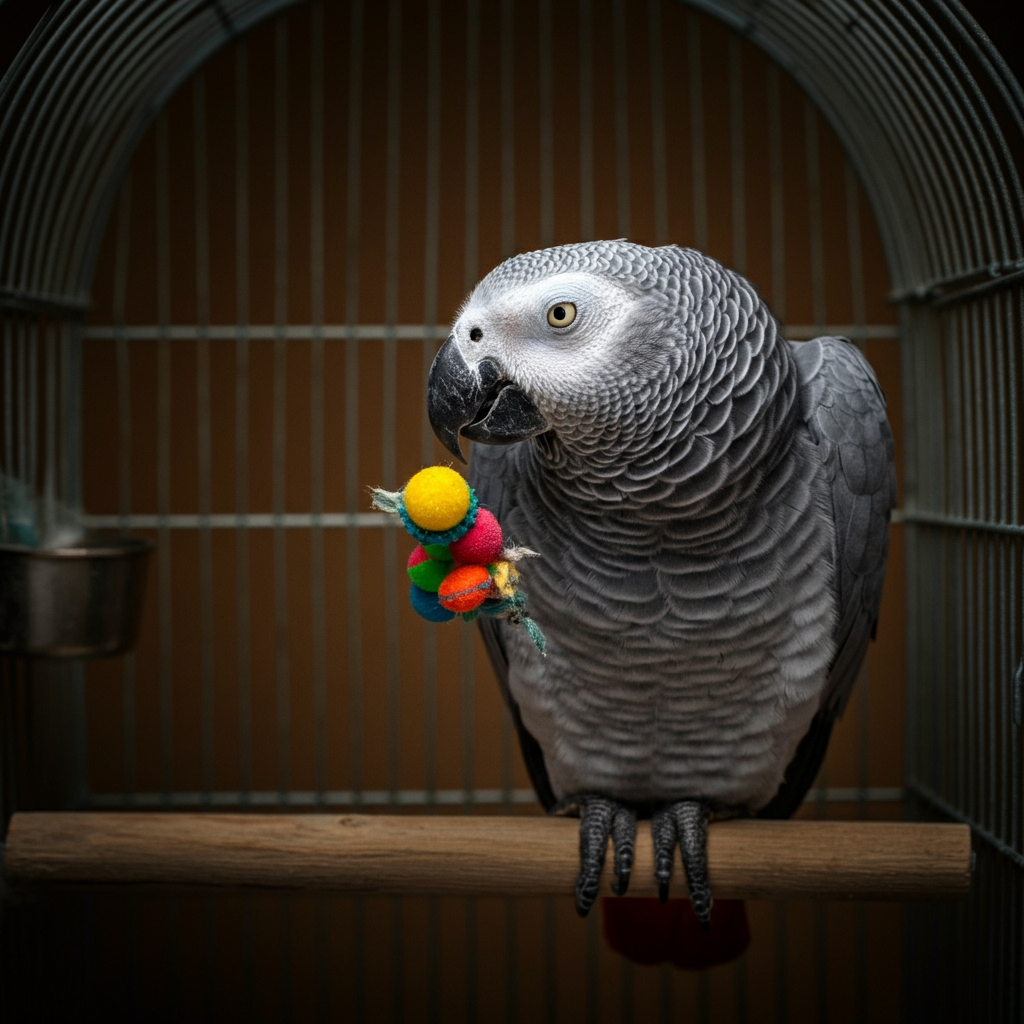
Step 5: Addressing Bad Behavior
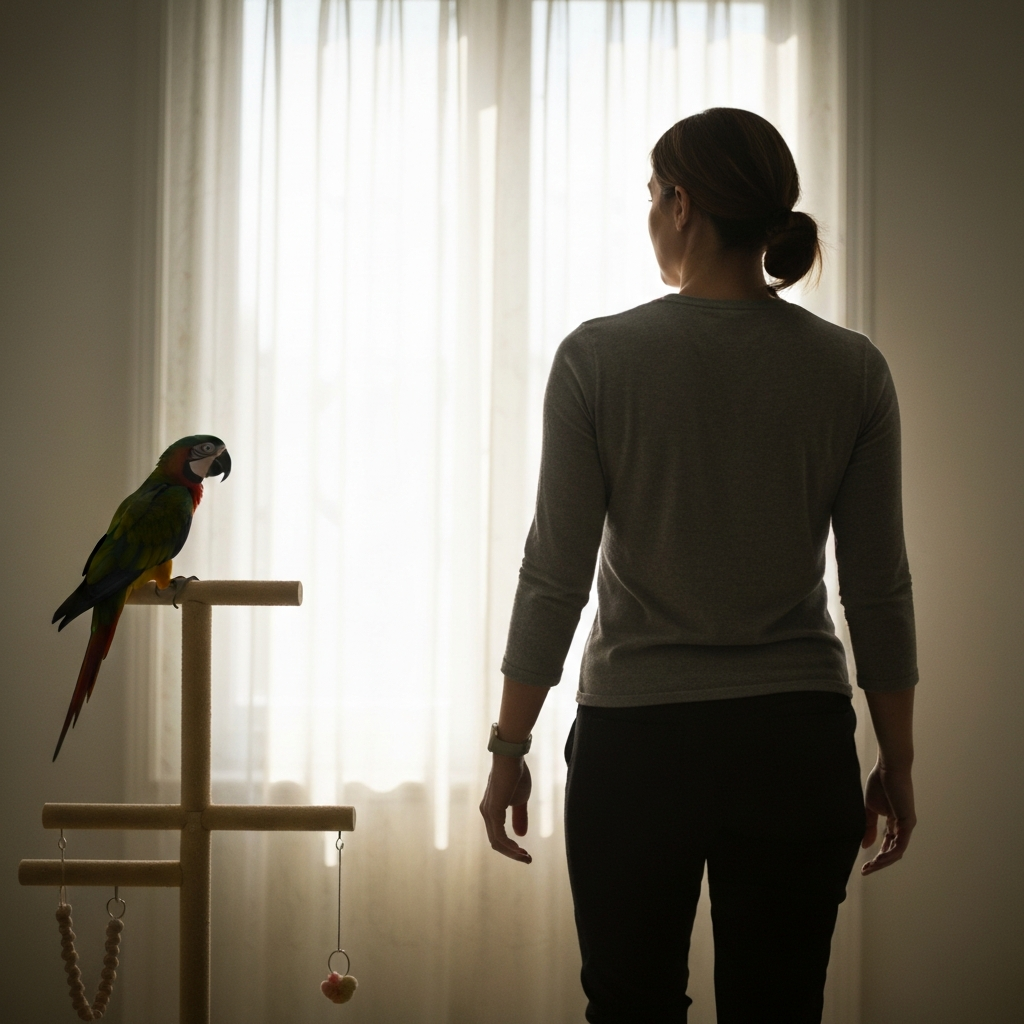
The golden rule of positive reinforcement is to reward good behavior and ignore bad behavior. Never punish your parrot for unwanted actions. Punishment can damage your bond and lead to fear and aggression. If your parrot bites, simply remove yourself from the situation and ignore the behavior. Once the parrot calms down, look for an opportunity to reward a positive behavior. Birds often do negative things when they seek attention. Providing attention during the negative actions is like providing a reward.
Step 6: Environmental Enrichment as a Reward
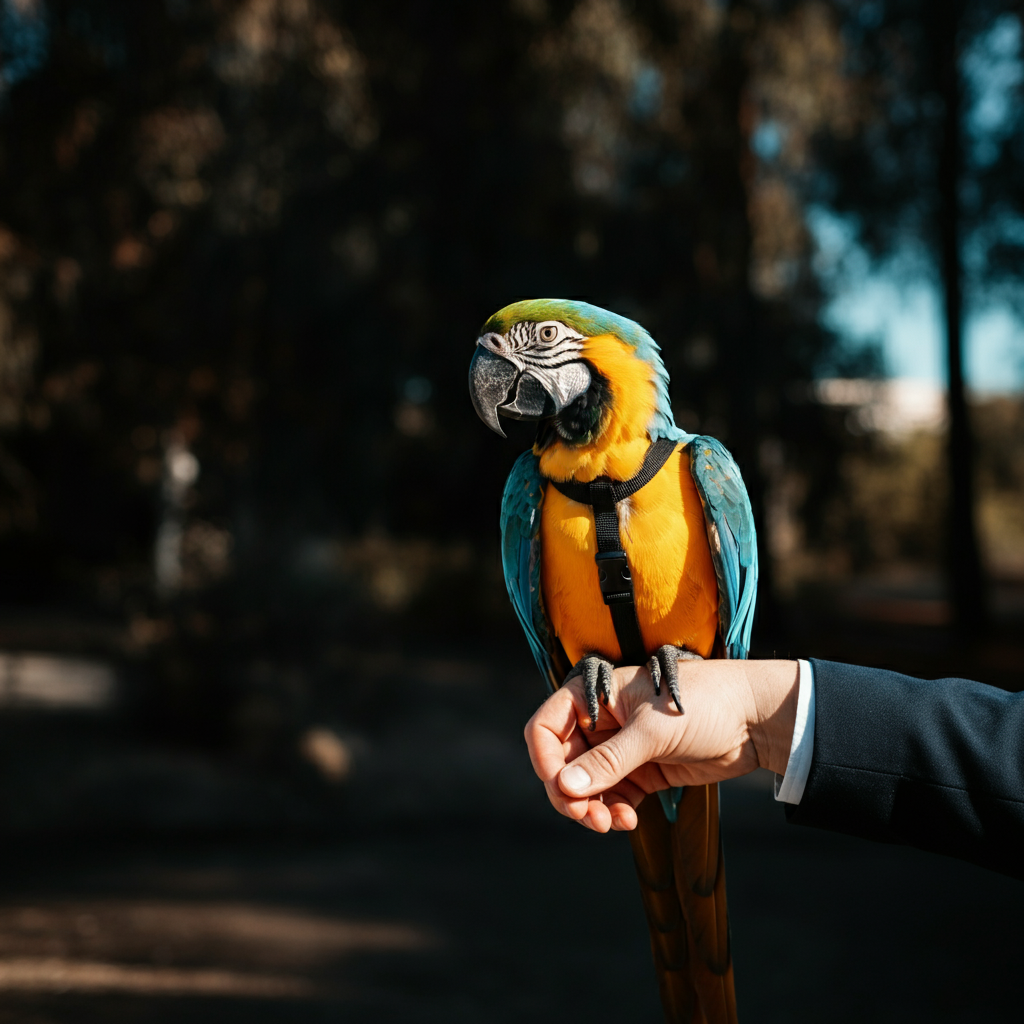
Environmental enrichment can also serve as a powerful reward. Allowing your parrot out of its cage for supervised exploration, providing new toys, or even simply rearranging its cage can be highly rewarding. Many parrots enjoy spending time with their owners outside of the cage. Supervised playtime and exploration are crucial for their mental and physical well-being. Ensure the environment is safe and free of hazards before allowing your parrot to roam freely. Consider a bird harness and leash for safe outdoor adventures.
Tools or Materials Required
- A variety of healthy treats (nuts, seeds, fruits, vegetables)
- A spray bottle filled with clean water (if your parrot enjoys being misted)
- A selection of engaging toys
- A bird harness and leash (optional, for outdoor excursions)
Common Mistakes to Avoid
- Inconsistency in rewarding desired behaviors.
- Punishing or scolding your parrot.
- Overfeeding treats.
- Failing to identify your parrot's individual preferences.
- Not acting fast enough when rewarding desired behaviours.
Safety Considerations
- Always supervise your parrot when it is outside of its cage.
- Ensure your home is parrot-proofed, removing any potential hazards such as toxic plants, open electrical cords, or unsecured cleaning supplies.
- Wash your hands thoroughly after handling your parrot or its droppings.
- Choose treat options that are safe for parrots. Some foods can be toxic.
FAQ Section
Q: How often should I reward my parrot?
A: Reward frequently during initial training, then gradually reduce the frequency as your parrot becomes more consistent with the desired behavior.
Q: What if my parrot doesn't seem interested in treats?
A: Experiment with different types of treats and other rewards, such as verbal praise, head scratches, or playtime.
Q: How do I stop my parrot from biting?
A: Ignore the biting behavior and focus on rewarding positive interactions. Identify the triggers for biting and avoid those situations.
Q: My parrot seems bored with its toys. What should I do?
A: Rotate your parrot's toys regularly to keep them engaged. Introduce new toys periodically and offer opportunities for enrichment.
Conclusion
Rewarding your parrot's behavior is a journey of understanding and connection. By mastering the principles of positive reinforcement, you can create a harmonious relationship built on trust and mutual respect. Remember that consistency, patience, and a deep understanding of your parrot's individual needs are paramount. So, go forth, experiment with different reward methods, and enjoy the process of training and bonding with your remarkable feathered companion.