A picnic is more than just eating outdoors; it's an experience. It's about enjoying good food, great company, and the beauty of nature. But a successful picnic requires planning and attention to detail. From selecting the perfect location to packing the right food, there are several key elements to consider to ensure a memorable outing.
This guide will walk you through each step of planning a picnic, offering expert tips and practical advice to help you avoid common pitfalls. We'll cover everything from choosing the ideal location and menu to packing efficiently and ensuring everyone has a comfortable and enjoyable time. Prepare to elevate your picnic game and create unforgettable memories.
Whether you're planning a romantic date for two, a family outing, or a fun get-together with friends, this guide will equip you with all the knowledge you need to make your picnic a resounding success. So, let's get started and transform your outdoor meal into a truly special occasion.
Step 1: Choosing the Perfect Location
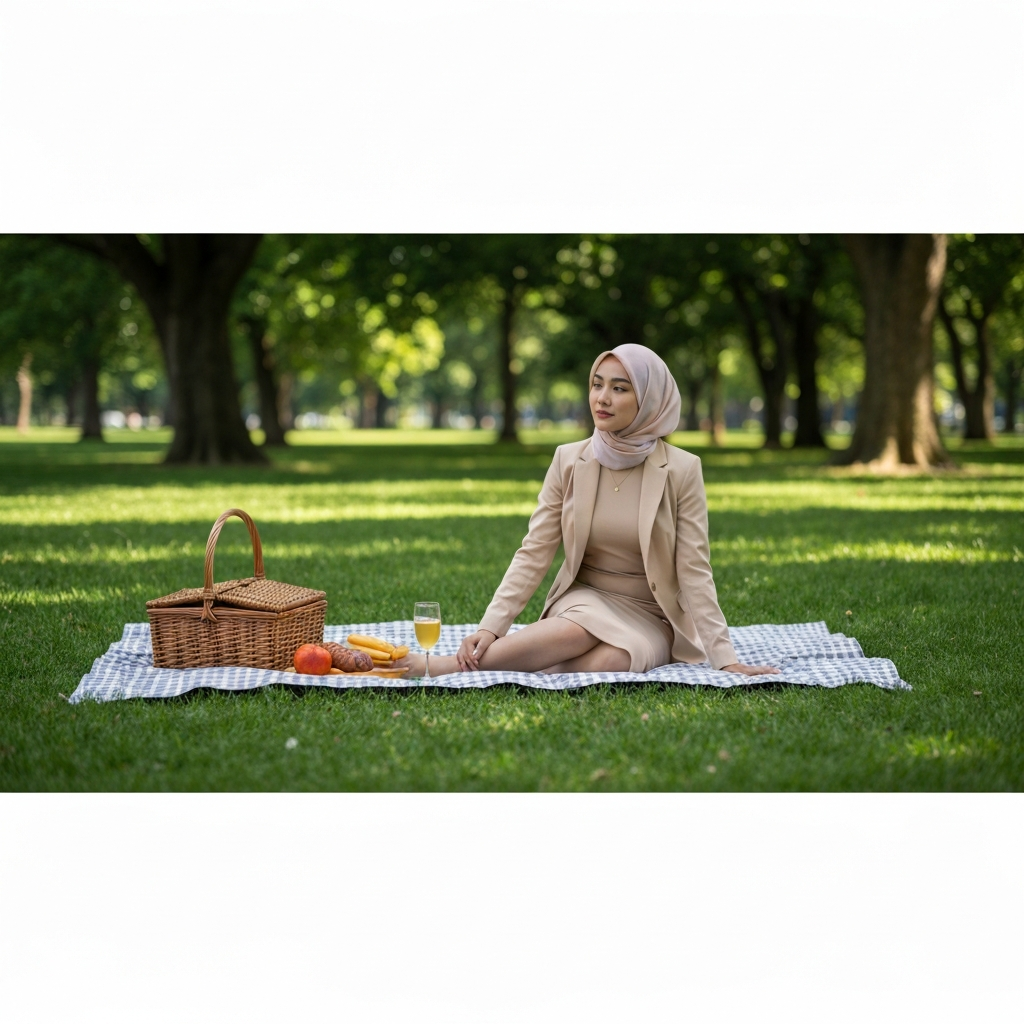
The location sets the stage for your entire picnic experience. Consider factors such as accessibility, scenery, and available amenities. A picturesque park with sprawling lawns and mature trees offers a classic picnic setting. A secluded beach provides a tranquil backdrop, while a mountaintop offers breathtaking views. Research the location beforehand to ensure it meets your needs. Check for picnic tables, restrooms, and shade. Also, consider the distance from your home and the ease of transportation.
Step 2: Deciding on the Time of Day
The time of day impacts both the menu and the overall ambiance of your picnic. A brunch picnic calls for lighter fare such as pastries, fruits, and yogurt parfaits. A lunchtime picnic can feature sandwiches, salads, and cold pasta dishes. An evening picnic offers the opportunity for grilling or enjoying a more substantial meal as the sun sets. Consider the weather forecast when choosing the time of day. Avoid midday picnics during the hottest months to prevent discomfort.
Step 3: Planning Your Picnic Menu
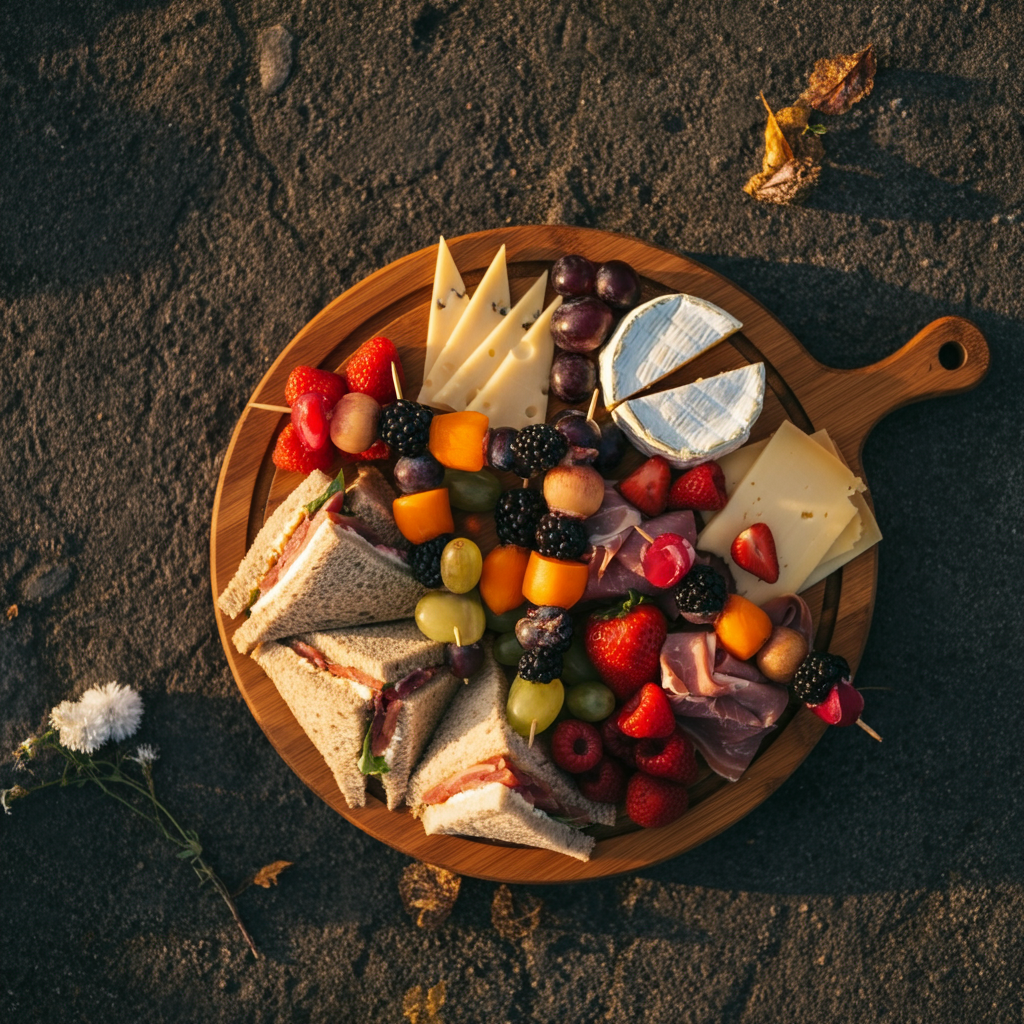
The menu is a crucial element of any picnic. Opt for foods that are easy to transport, serve, and eat outdoors. Sandwiches, salads, wraps, and finger foods are all excellent choices. Avoid dishes that require extensive preparation or are prone to spoilage. Consider the dietary restrictions and preferences of your guests when planning the menu. Provide a variety of options to ensure everyone has something to enjoy. Pre-cut fruits and vegetables, cheeses, and crackers are always a crowd-pleaser.
Step 4: Guest Invitations and Communication
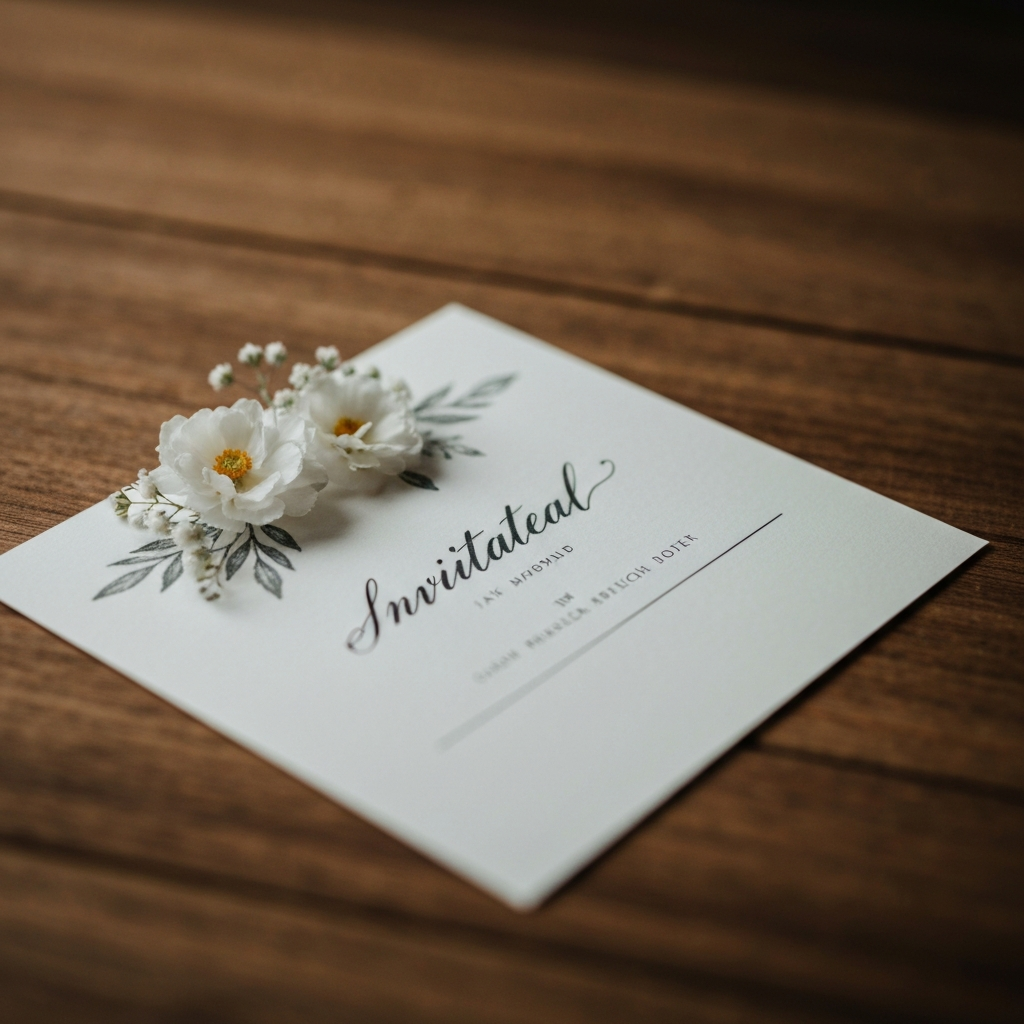
Decide who you want to invite and communicate the details of the picnic clearly. For a casual gathering, a simple text message or email invitation may suffice. For a more formal affair, consider sending out paper invitations. Be sure to include the date, time, location, and any specific instructions or requests, such as bringing a dish to share for a potluck-style picnic. Clearly state if guests should bring anything. Confirm attendance in advance to get an accurate headcount.
Step 5: Packing Your Picnic Basket and Cooler
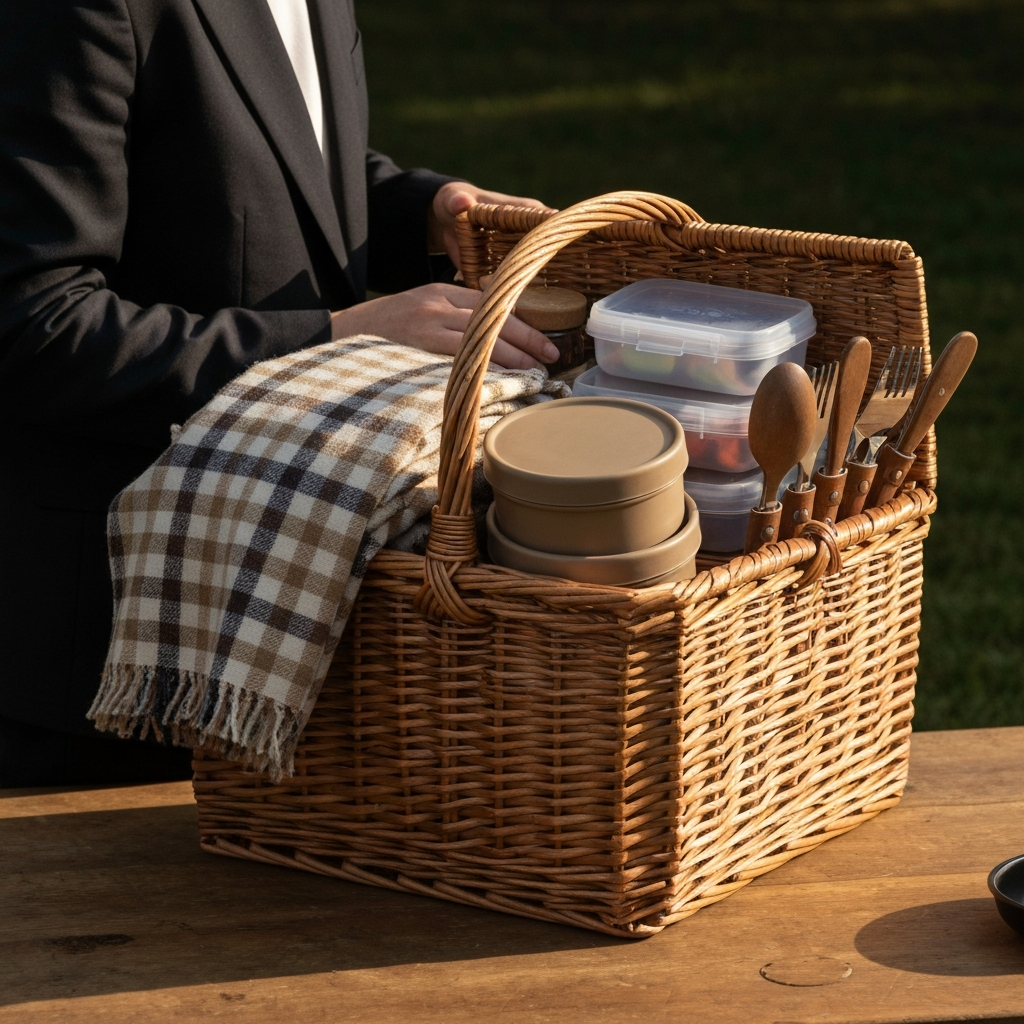
Efficient packing is essential for a stress-free picnic. Start by creating a checklist of everything you need to bring. Pack non-perishable items at the bottom of the basket, followed by plates, utensils, and napkins. Place the blanket or tablecloth on top for easy access. In the cooler, layer ice packs or frozen water bottles at the bottom, followed by perishable foods. Use reusable containers and wraps to minimize waste. Keep drinks separate from food to prevent cross-contamination and to avoid constantly opening the food cooler.
Step 6: Activities and Entertainment
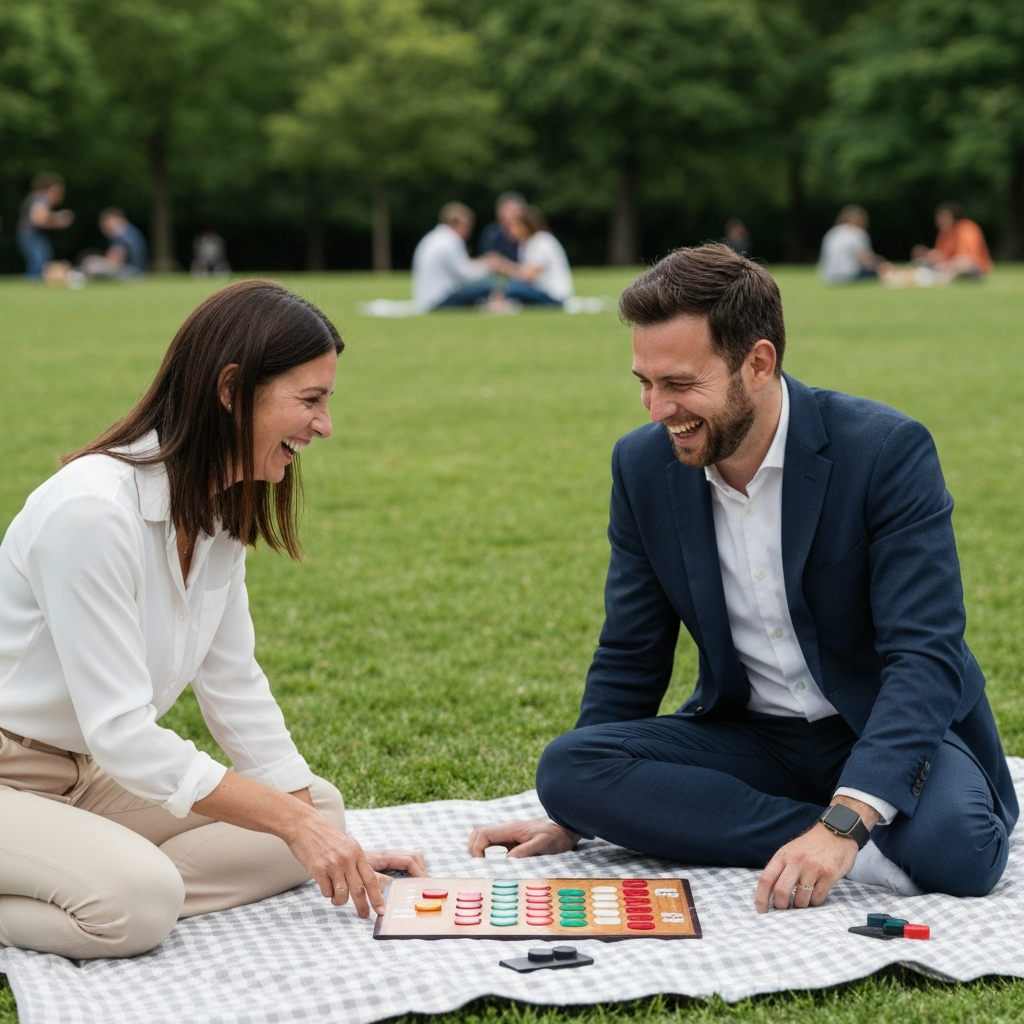
Enhance your picnic experience by planning some fun activities and entertainment. Bring along a frisbee, a ball, or a board game to keep everyone entertained. Consider the interests and ages of your guests when choosing activities. Music can also add to the ambiance. Create a playlist of your favorite tunes to enjoy during the picnic. Remember to bring portable speakers and ensure they are fully charged. Alternatively, nature watching or a casual hike can also be entertaining.
Step 7: Cleanup and Waste Disposal
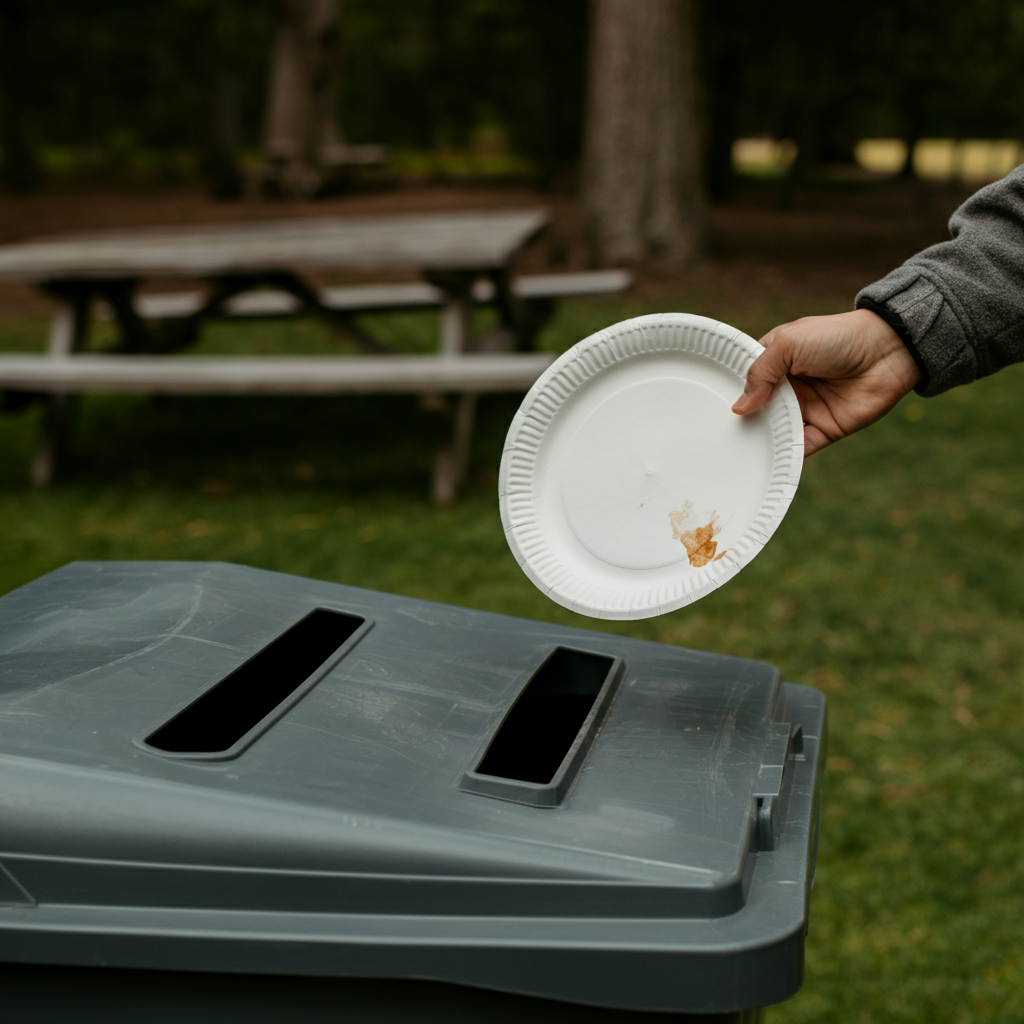
Leave no trace behind by properly cleaning up after your picnic. Bring trash bags to collect all your waste. Separate recyclables from general trash if possible. Dispose of waste properly in designated bins or take it home with you. Wipe down picnic tables and ensure the area is left as clean as you found it. Bring extra bags for any unexpected messes. Responsible waste disposal is crucial for preserving the beauty of the environment.
Safety Considerations
When planning a picnic, safety should be a top priority. Always check the weather forecast before heading out. Pack sunscreen, hats, and sunglasses to protect yourself from the sun. Bring insect repellent to ward off mosquitoes and other bugs. Store food properly to prevent spoilage and food poisoning. Be aware of any potential hazards in the area, such as poisonous plants or wildlife. Supervise children closely and ensure they are aware of basic safety rules.
Common Mistakes to Avoid
- Forgetting essential items such as plates, utensils, or napkins.
- Not packing enough food or drinks.
- Choosing a location that is too crowded or noisy.
- Failing to consider the weather forecast.
- Not properly disposing of waste.
Tools or Materials Required
- Picnic basket or bag
- Cooler with ice packs
- Blanket or tablecloth
- Plates, utensils, and napkins
- Food and drinks
- Trash bags
- Sunscreen and insect repellent
- Activities and entertainment
Conclusion
Planning a perfect picnic involves careful consideration of various factors, from choosing the right location and menu to packing efficiently and ensuring everyone's safety and enjoyment. By following these steps and incorporating the expert tips provided, you can create a memorable outdoor dining experience that you and your guests will cherish for years to come. So, gather your loved ones, pack your basket, and head out to enjoy the beauty of nature with a delightful picnic.