So, you want to host a murder mystery dinner party? Excellent! But let's be honest, many attempts fall flat – resulting in awkward silences, forced acting, and a general feeling of "this is not fun." Fear not! With careful planning and attention to detail, you can create an immersive and unforgettable experience for your guests. This guide will walk you through the essential steps, from choosing the right kit to setting the perfect ambiance.
The key to a successful murder mystery dinner lies in balancing structured gameplay with organic social interaction. You want your guests to feel like they're actively participating in a story, not just reading lines from a script. This requires careful consideration of your guest list, the chosen theme, and the level of preparation you're willing to invest.
Get ready to unleash your inner detective (or villain) and throw a party that will have your guests talking for weeks to come. Let's dive in!
Step 1: Choose the Right Murder Mystery Kit
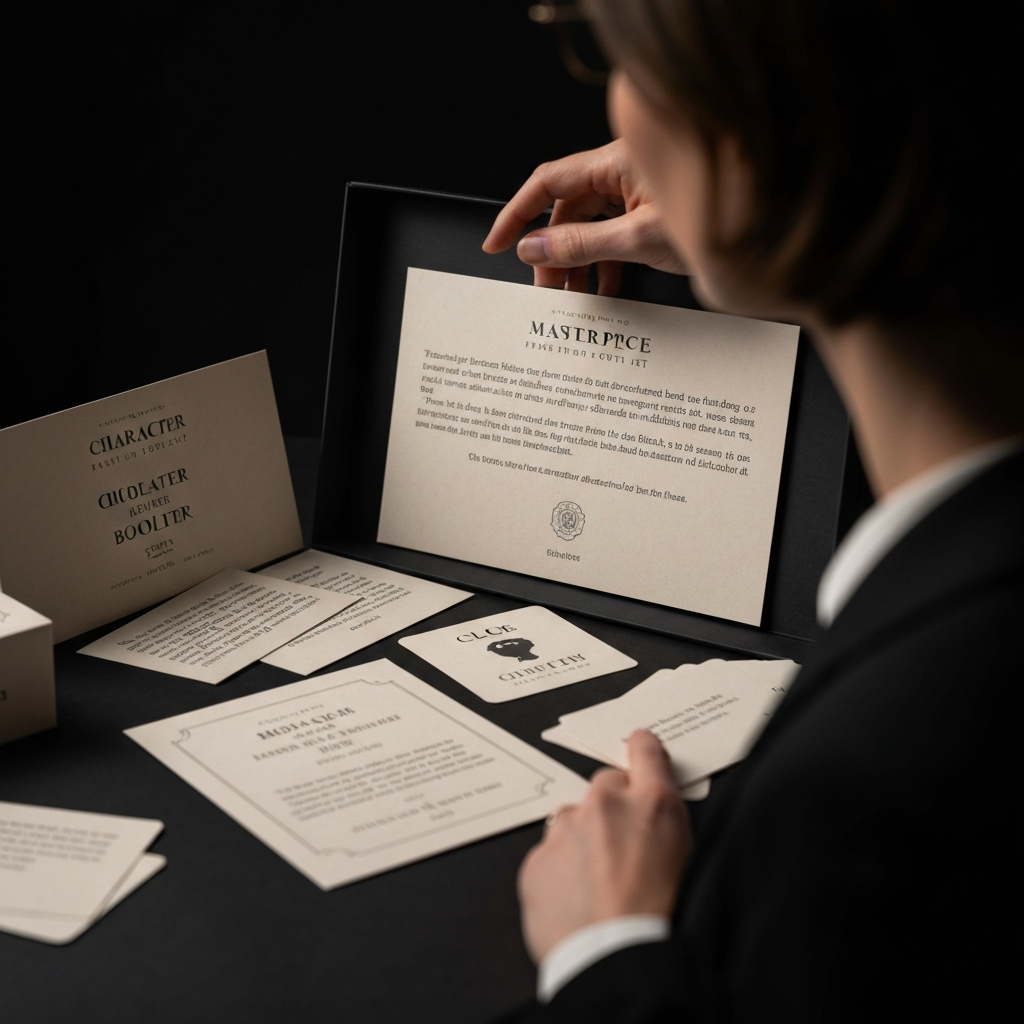
The foundation of any good murder mystery dinner is the kit itself. There are countless options available, ranging from downloadable PDFs to professionally produced boxed sets. Consider your group's size, experience with role-playing, and preferred level of complexity when making your selection. Some kits are more elaborate, with detailed character backgrounds, intricate plotlines, and even accompanying audio or video elements. Others are simpler, focusing on basic clues and allowing for more improvisation.
Practical Details:
- Downloadable Kits: Affordable and convenient, but often require more printing and preparation.
- Boxed Sets: Higher quality materials and often include props, but can be more expensive.
- Online Interactive Games: Can be fun for remote groups or those who prefer a digital format, but may lack the tactile experience of a physical kit.
Considerations:
- Number of Players: Ensure the kit accommodates your guest list.
- Theme: Choose a theme that appeals to your group's interests (e.g., 1920s speakeasy, Wild West saloon, futuristic space station).
- Difficulty Level: Beginner-friendly kits are best for novices.
Step 2: Craft Your Guest List and Assign Roles
Your guest list is just as important as the kit itself. Carefully select guests who are enthusiastic, open-minded, and comfortable with a bit of role-playing. Consider their personalities and assign them roles that suit their strengths. A natural comedian might be perfect for a flamboyant character, while a detail-oriented friend could excel as the detective.

Practical Details:
- Send Invitations Early: Give your guests plenty of notice so they can prepare their costumes and familiarize themselves with their characters.
- Include Character Information: Provide each guest with a detailed description of their character, including their background, motives, and any secrets they may be hiding.
- Encourage Costumes: Costumes add to the immersion and make the experience more fun. Suggest a dress code that aligns with the theme.
Considerations:
- Mix Personalities: A diverse group of personalities can create more interesting interactions.
- Consider Relationships: Think about how your guests interact with each other in real life. Assigning roles that complement or contrast with their existing relationships can add an extra layer of intrigue.
Step 3: Set the Scene: Ambiance is Key
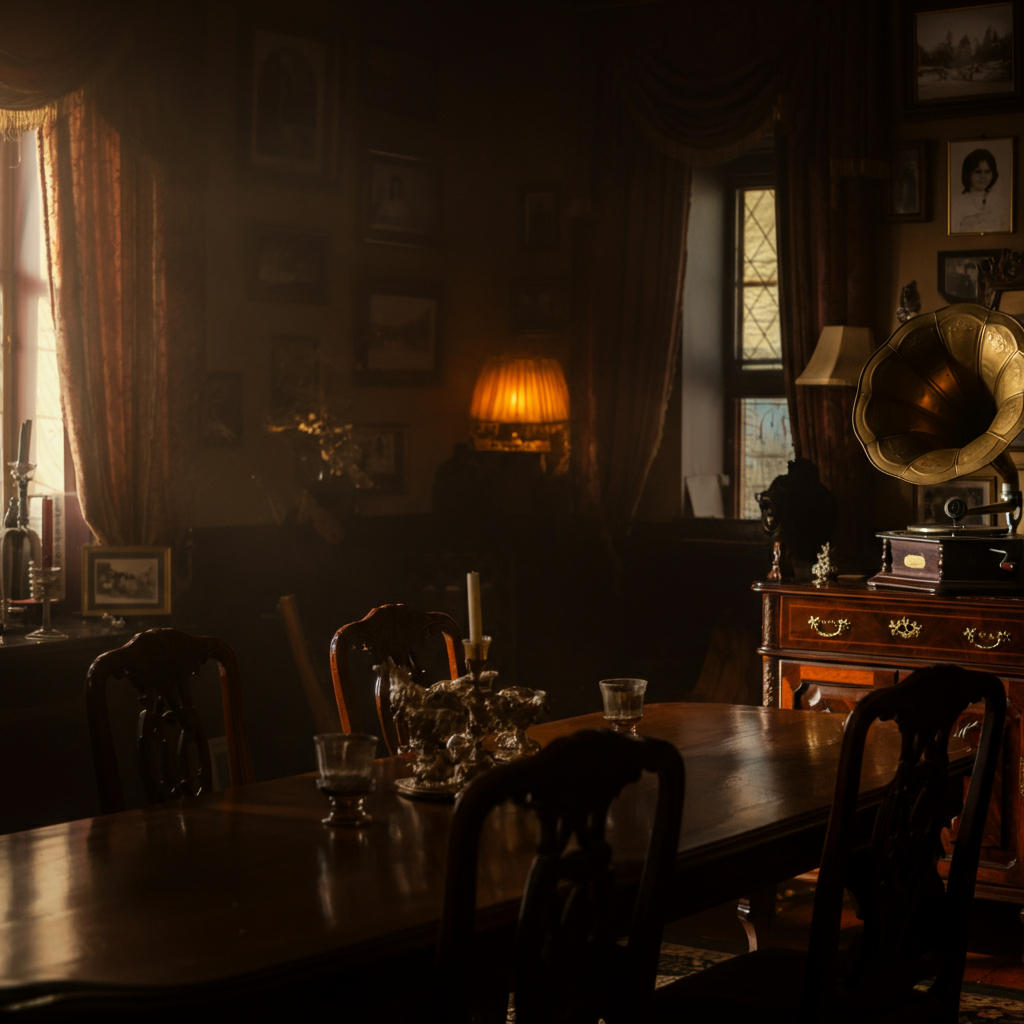
Transforming your dining room into a believable setting is crucial for creating an immersive experience. Pay attention to details such as lighting, decorations, music, and even the scent of the room. Think about the theme of your murder mystery and try to create an atmosphere that reflects it. Dim lighting, candles, and thematic props can go a long way in setting the mood.
Practical Details:
- Lighting: Use dimmers, candles, or colored light bulbs to create the desired atmosphere.
- Decorations: Borrow or purchase thematic props to enhance the setting.
- Music: Create a playlist of music that complements the theme.
Considerations:
- Sound Effects: Subtle sound effects can add to the suspense.
- Smell: A subtle scent, such as sandalwood or lavender, can help to create a specific mood.
Step 4: Food and Drink: Fueling the Mystery
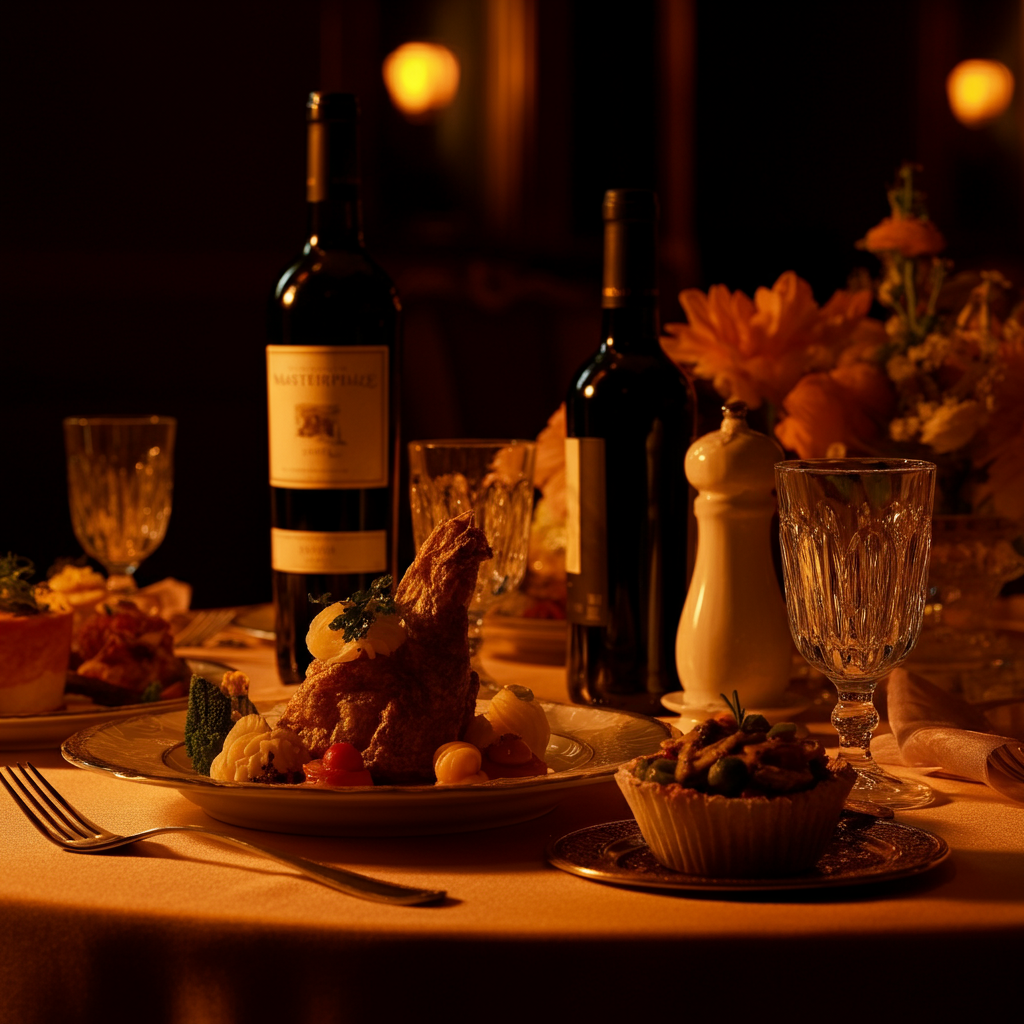
The food and drink you serve should be both delicious and thematic. Consider creating a menu that reflects the era or location of your murder mystery. For example, a 1920s speakeasy theme might call for cocktails like Old Fashioneds and sidecars, along with finger foods like deviled eggs and mini quiches. A Wild West theme could feature chili, cornbread, and whiskey.
Practical Details:
- Plan Ahead: Prepare as much of the food as possible in advance to avoid stress on the night of the party.
- Consider Dietary Restrictions: Ask your guests about any allergies or dietary restrictions and plan your menu accordingly.
- Presentation Matters: Pay attention to the presentation of your food and drinks. Use thematic serving dishes and garnishes.
Considerations:
- Drinks: Offer a variety of alcoholic and non-alcoholic beverages.
- Finger Foods: Finger foods are easy to eat while mingling and investigating.
Step 5: Facilitate the Game: Keep Things Moving
As the host, your role is to facilitate the game and ensure that everyone is having a good time. Be prepared to answer questions, provide clues, and keep the story moving forward. Encourage guests to interact with each other and to stay in character. Don't be afraid to improvise and add your own personal touches to the game.

Practical Details:
- Read the Instructions Thoroughly: Familiarize yourself with the rules and plot of the murder mystery.
- Provide Gentle Guidance: If guests are struggling, offer subtle hints or suggestions.
- Time Management: Keep an eye on the clock and ensure that the game progresses at a reasonable pace.
Common Mistakes to Avoid:
- Not Preparing Enough: Thorough preparation is essential for a smooth and enjoyable experience.
- Being Too Strict: Allow for some flexibility and improvisation.
- Forcing the Fun: Don't try to force your guests to have fun. Let the game unfold naturally.
FAQ Section
Q: What if my guests don't want to participate in the role-playing?
A: Some guests may be hesitant to fully embrace their characters. Encourage them to participate at their own comfort level. Even if they don't fully commit to the role-playing, they can still enjoy the mystery and the social interaction.
Q: How long should the murder mystery dinner last?
A: Most murder mystery dinners last between 2 and 4 hours. This depends on the complexity of the kit and the pace of the game.
Q: What do I do if someone figures out the killer too early?
A: If someone solves the mystery early, try to steer the conversation in a different direction or introduce a new clue to keep the game going. You can also encourage them to help other players solve the mystery.
Conclusion
Hosting a murder mystery dinner party that doesn't suck is all about preparation, attention to detail, and a willingness to embrace the absurdity of the situation. By choosing the right kit, crafting a compelling guest list, setting the scene, and facilitating the game effectively, you can create an unforgettable experience for your guests. Remember to relax, have fun, and let the mystery unfold! With a little planning and a lot of enthusiasm, you can throw a murder mystery dinner party that will be the talk of the town.