The world of Yu-Gi-Oh! extends far beyond the duels depicted in the anime and manga. For collectors, it's a realm of rare cards, stunning artwork, and potentially staggering value. Certain cards have ascended to legendary status, commanding prices that rival those of fine art or classic cars. This guide will delve into the most expensive Yu-Gi-Oh! cards ever produced, exploring their history, rarity, and the factors that contribute to their exorbitant worth. Whether you're a seasoned collector or just starting out, understanding these grail cards is essential for navigating the high-stakes world of Yu-Gi-Oh! collecting.
We'll not only identify these valuable cards but also provide insights into how to assess the value of your own collection. From understanding rarity and condition to navigating the complex market, we'll equip you with the knowledge you need to identify potential treasures hidden within your binders. Remember that accurate grading and authentication are crucial when dealing with cards of this caliber. This isn't just about finding a card; it's about understanding its place in the vast history of Yu-Gi-Oh!
So, prepare to embark on a journey through the upper echelons of Yu-Gi-Oh! collecting, where iconic characters, championship prizes, and one-of-a-kind creations reign supreme. Let's begin our exploration of the most sought-after and expensive Yu-Gi-Oh! cards in existence.
Step 1: Identifying the Black Luster Soldier (Stainless Steel)
The Pinnacle of Rarity: Black Luster Soldier (Stainless Steel)
The Black Luster Soldier card, forged from stainless steel, stands as arguably the most expensive Yu-Gi-Oh! card. Presented at the first ever Yu-Gi-Oh! tournament in 1999, it represents the ultimate prize for the champion. The card's unique composition, combined with its status as the very first championship reward, makes it an irreplaceable artifact. Its black and gold aesthetic evokes the feeling of ancient treasure, further contributing to its allure. The estimated value fluctuates significantly based on perceived condition and buyer interest, but it consistently holds its position at the top.

Step 2: Exploring the Blue-Eyes Ultimate Dragon (Tournament Prize)
The Fusion of Power: Blue-Eyes Ultimate Dragon (Tournament Prize)
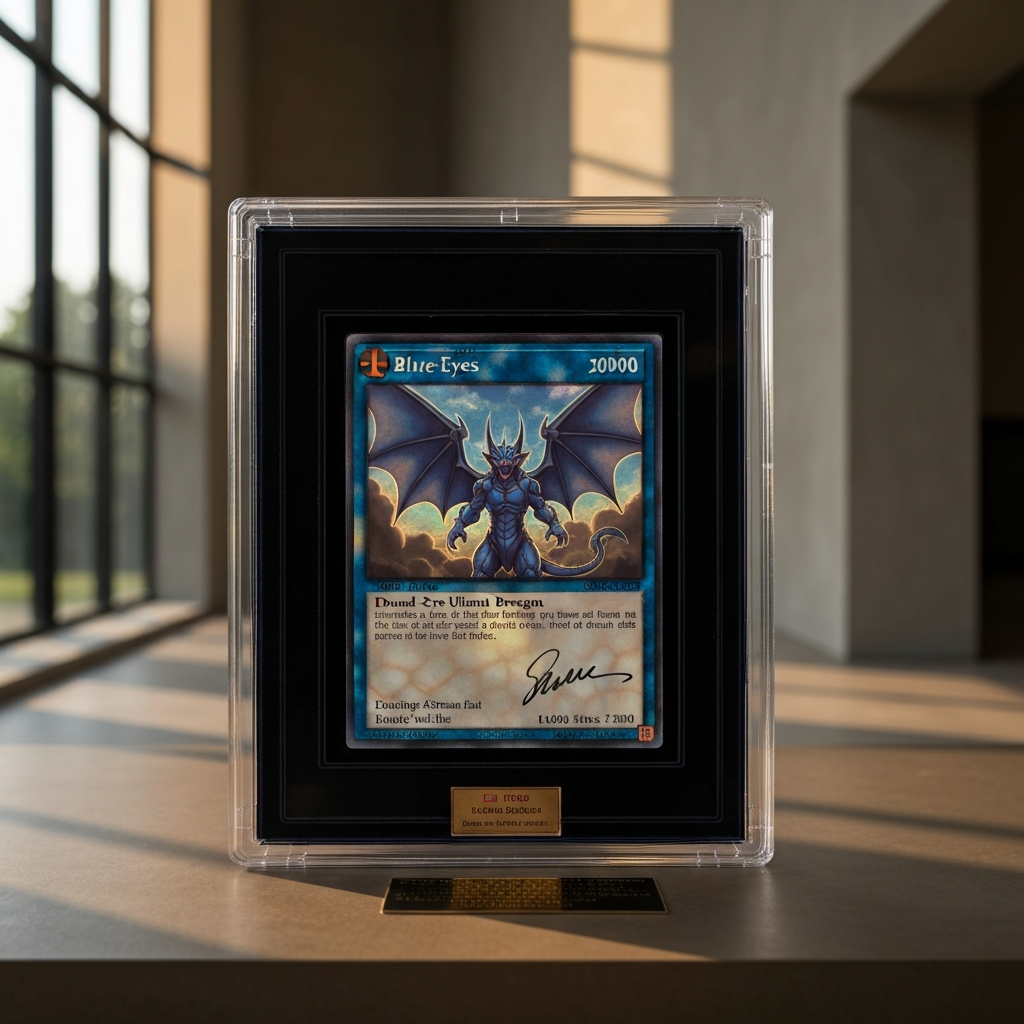
This specific version of the Blue-Eyes Ultimate Dragon, awarded as a prize at a 2001 tournament, holds significant value due to its unique art and the autograph of Kazuki Takahashi, the creator of Yu-Gi-Oh! While other versions of the Blue-Eyes Ultimate Dragon exist, this particular prize card is distinguished by its exclusive design and creator signature. Collectors prize this card for its direct connection to the game's creator and its historical significance as a tournament reward. The combination of the iconic monster and the personal touch of Takahashi-sensei makes it a highly desirable piece.
Step 3: Understanding the Value of "Tyr, The Vanquishing Warlord"
Champion's Reward: Tyr, The Vanquishing Warlord
Awarded to the champion of the 2008 Yu-Gi-Oh! tournament, "Tyr, The Vanquishing Warlord" is known for its extraordinary rarity. This card features a unique design depicting a warrior that seems to blend armored knight and futuristic robot elements, contributing to its distinctiveness. Its limited availability coupled with its eye-catching art has driven its value up considerably. The card's appeal lies in its visual impact and its history as a symbol of competitive achievement within the Yu-Gi-Oh! community. Maintaining its pristine condition is paramount for preserving its value.

Step 4: Examining the Unique History of "Tyler The Great Warrior"
A Wish Fulfilled: Tyler The Great Warrior
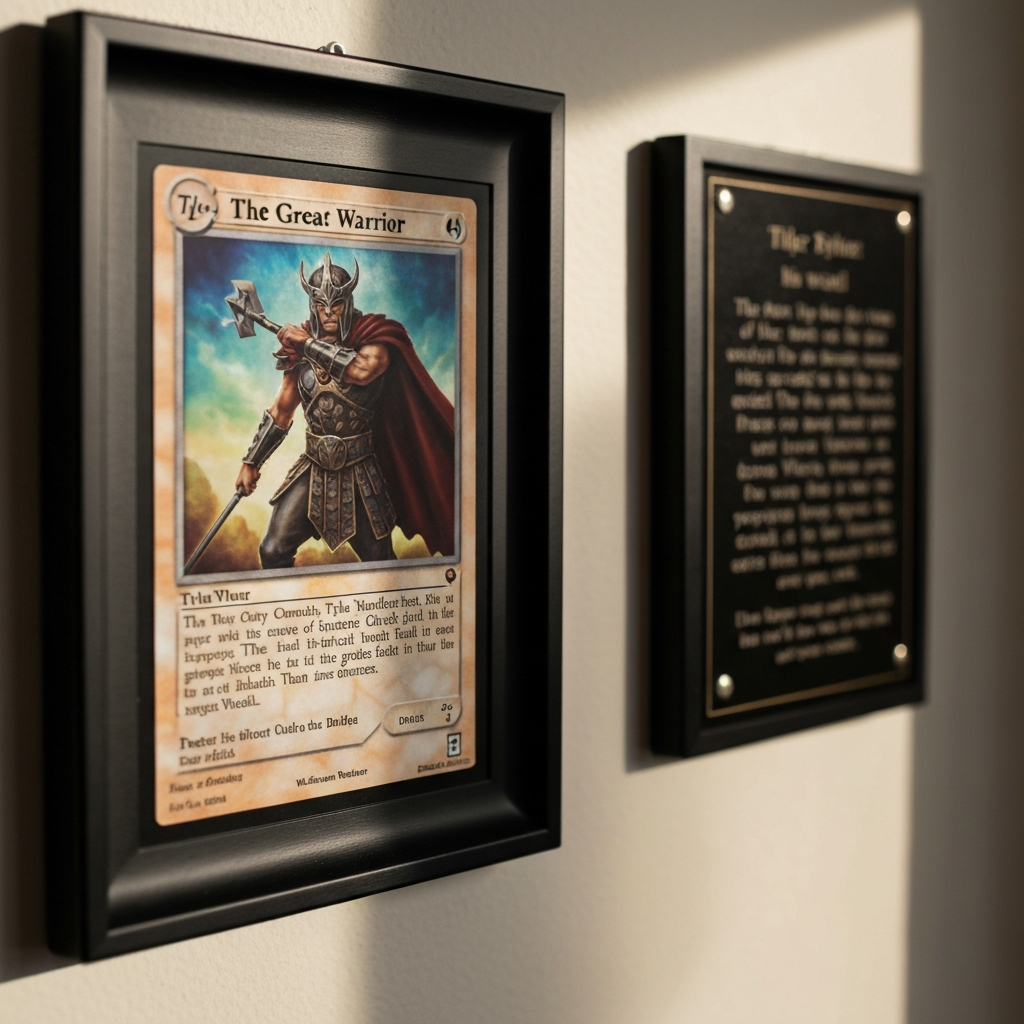
This card is particularly special. "Tyler The Great Warrior" was designed by a young boy battling a rare form of liver cancer. His wish was granted by the Make-A-Wish Foundation, allowing him to create his very own Yu-Gi-Oh! card. This card features a Dragon Ball Z-inspired warrior. Only one copy of this card was ever made, making it priceless in the eyes of many collectors. The card’s value stems not only from its rarity but also from the deeply personal and heartwarming story behind its creation.
Step 5: Appreciating the Significance of "Kaiser Eagle, The Heavens' Mandate"
A Moment in Time: Kaiser Eagle, The Heavens' Mandate
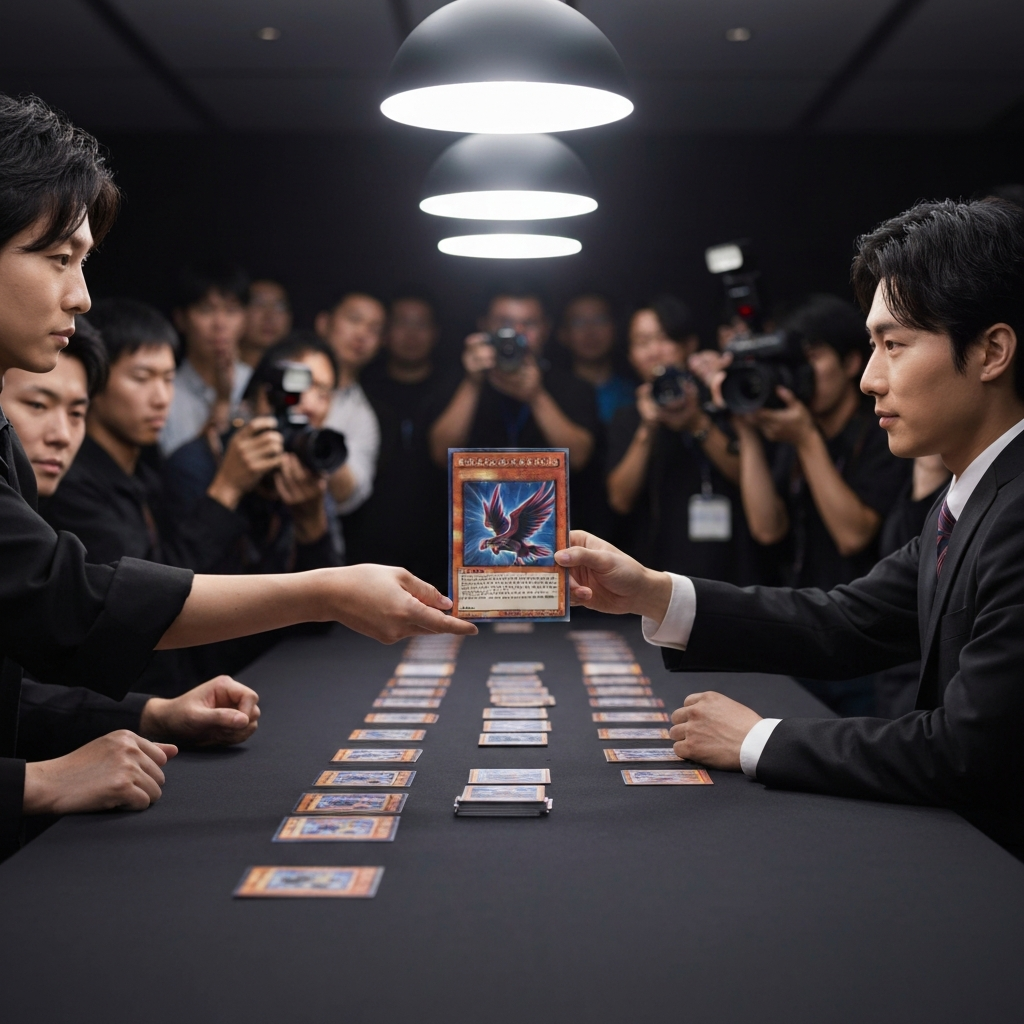
Awarded at a Yu-Gi-Oh! tournament in 2019 before the pandemic-induced hiatus, "Kaiser Eagle, The Heavens' Mandate" holds sentimental value for many competitive players. Its brief re-emergence on the market in 2021 only fueled collector's desire. The card features a striking winged beast, symbolizing the heights of competitive ambition. Its limited distribution and the timing of its release contribute significantly to its desirability and value. Collectors view it as a representation of a specific era in Yu-Gi-Oh! tournament history.
Step 6: Demystifying the "Crush Card Virus" Prize Card
The Power of a Trap: Crush Card Virus (Shonen Jump Championship Prize)
The "Crush Card Virus" card, given to top finishers in the 2007 Shonen Jump Championship, is both rare and powerful. This trap card, which also played a vital role in the anime storyline, is highly sought after by both collectors and players. Its scarcity stems from its limited distribution as a prize card. The card’s popularity is boosted by its in-game utility and its connection to a pivotal moment in the Yu-Gi-Oh! anime. A well-preserved specimen can fetch a substantial price.

Step 7: Understanding the Value of Des Volstgalph
Anime Limited: Des Volstgalph
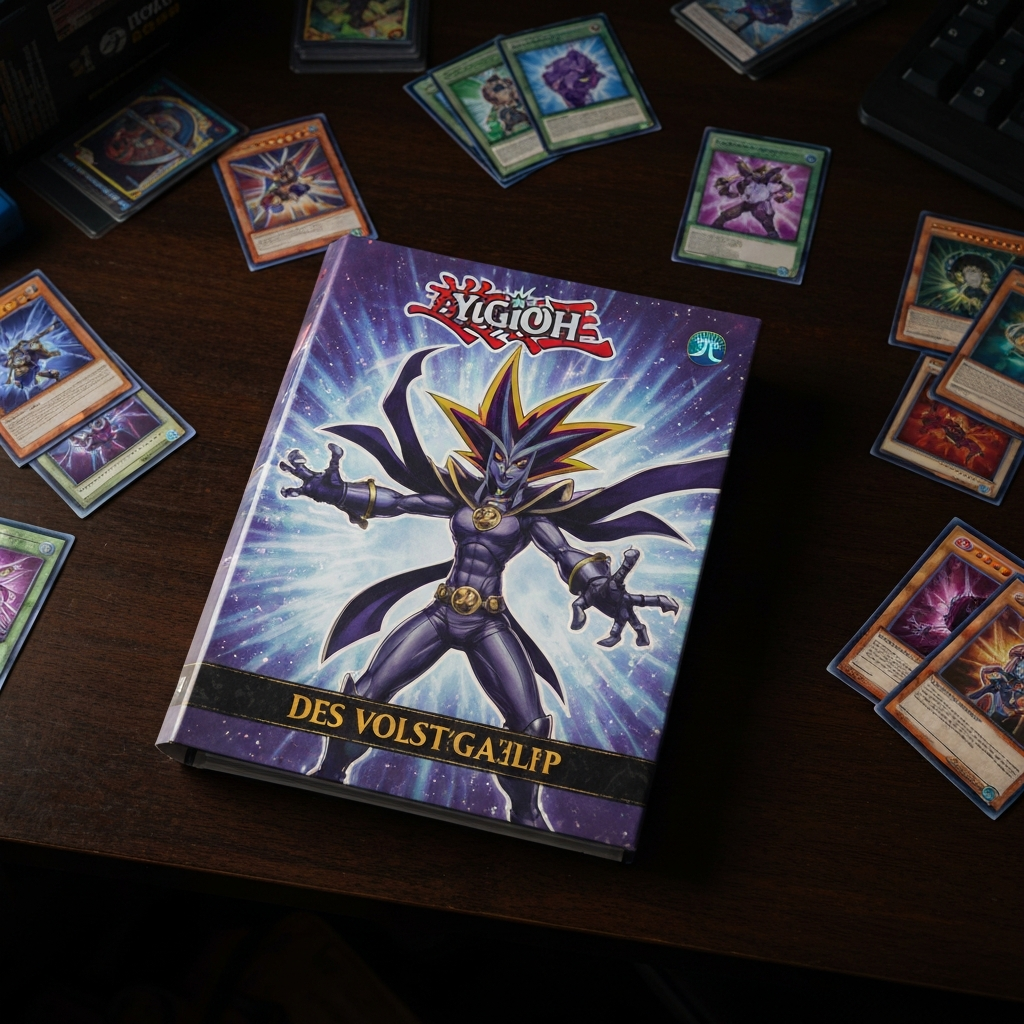
While only appearing in a single episode of the anime series, Des Volstgalph's status as a 2005 Shonen Jump Championship prize card has solidified its status as a highly valuable collectible. For years, it was not publicly released until four years later, greatly increasing its rarity. Due to its fluctuating worth, Des Volstgalph still reigns as one of the expensive collector's items to exist in the Yu-Gi-Oh! franchise.
Step 8: The Allure of Stardust Divinity
Celestial Rarity: Stardust Divinity
First appearing at the 2010 World Championships, Stardust Divinity has been sought after in online auctions. This synchro monster, appearing as a fire-engulfed celestial being, is also the only prize card of its kind, amplifying the card's rarity. Many collectors and players want to add this card to their collection, resulting in the card's high value.

Step 9: Dark Magician Girl Secret Rare 1st Edition
Japanese Exclusive: Dark Magician Girl Secret Rare 1st Edition
The Dark Magician Girl Secret Rare 1st Edition features a cute magician girl in blue and purple that was exclusively released in Japan. It was part of the Yu-Gi-Oh! Duel Monsters III: Tri-Holy God Advent Official Tournament Street Dual Legend of Power. Several reprints have been made, but the most sought after ones are the #G3-11 edition and the PSA10 Graded version.
Step 10: Dark Duel Stories Blue-Eyes White Dragon
Prismatic Secret: Dark Duel Stories Blue-Eyes White Dragon
This valuable card is part of the Dark Duel series and is a Prismatic Secret Rare Card. This card belonged to a promotional set that was released alongside the video game in 2000. Only 130 cards of this kind currently exist in print, making it a sought after treasure for collectors.
Step 11: The power of Gold Sarcophagus
Powerful Summon: Gold Sarcophagus Ultra Rare Shonen Jump Prize
Responsible for the defeat of a formidable enemy in the anime, the Gold Sarcophagus was presented at the 2007 Shonen Jump Championship and is capable of summoning any card in the deck. Not for the faint of wallet, the SJCS-EN005 version of this card is treasured for its power and unique origins.
Step 12: Shonen Jump Championship Cyber-Stein
Banned Power: Shonen Jump Championship Cyber-Stein
This card was awarded as a prize at the 2004 Shonen Jump Championship. The card was once on the ban list, due to its ability to summon extremely powerful monsters. While it was eventually released in the Dark Beginning 2 card set in 2005, its limited status makes it a prize card today.
Tools or Materials Required (For Assessing Your Collection)
- Magnifying Glass: Essential for examining card conditions closely. Look for signs of wear, scratches, or imperfections.
- Soft Cloth: For gently cleaning cards without causing damage.
- Archival Sleeves and Toploaders: To protect cards from scratches, bending, and environmental damage.
- Bright, Neutral Lighting: Crucial for accurately assessing card condition.
- Card Grading Guides: Resources that outline the criteria for different condition grades (Mint, Near Mint, Excellent, etc.).
- Online Price Guides (e.g., TCGplayer, Cardmarket): To research current market values for specific cards.
Common Mistakes to Avoid
- Misgrading Card Condition: Overestimating the condition of your cards can lead to unrealistic expectations and difficulty selling. Be honest and objective.
- Ignoring Minor Imperfections: Seemingly small flaws can significantly impact a card's value. Pay attention to every detail.
- Using Abrasive Cleaners: Never use harsh chemicals or abrasive materials to clean your cards. This can damage the surface and reduce their value.
- Improper Storage: Storing cards in damp, hot, or otherwise unsuitable environments can cause irreversible damage.
- Relying on Inaccurate Price Guides: Ensure that your price guides are up-to-date and reliable. Outdated information can lead to poor decisions.
FAQ Section
Q: How do I know if my card is a first edition?
A: First edition cards typically have a "1st Edition" mark printed on the lower left or right corner of the card, directly below the artwork. Look closely for this designation, as it can significantly increase the card's value.
Q: What is PSA grading, and why is it important?
A: PSA (Professional Sports Authenticator) grading is a process where experts assess the condition and authenticity of a card. A higher PSA grade generally translates to a higher value. Graded cards are encased in protective holders, preserving their condition. PSA grading provides a standardized and trusted assessment for collectors and buyers.
Q: Where is the best place to sell high-value Yu-Gi-Oh! cards?
A: Reputable online marketplaces like eBay, specialized card stores, and auction houses are all viable options. Research each platform carefully to understand their fees, policies, and reputation before listing your cards. Consider professional consignment services for particularly valuable items.
Conclusion
Navigating the world of high-value Yu-Gi-Oh! cards requires a keen eye, a deep understanding of rarity and condition, and a healthy dose of patience. The cards discussed in this guide represent the pinnacle of Yu-Gi-Oh! collecting, each with a unique story and a price tag to match. By understanding the factors that contribute to their value, you can better assess your own collection and make informed decisions about buying, selling, or simply appreciating these rare treasures. Remember, thorough research and a commitment to preservation are key to unlocking the true potential of your Yu-Gi-Oh! cards.