Dreaming of headlining stadiums but your bank account screams "open mic night"? Don't despair! The path to rock stardom doesn't have to be paved with platinum records and million-dollar instruments. It's about passion, creativity, and a whole lot of ingenuity. With a little resourcefulness and a willingness to get your hands dirty, you can start your rock journey without breaking the bank.
This guide is your roadmap to rocking out on a budget. We'll explore practical steps, from finding affordable gear and honing your skills to building a fan base and booking gigs, all while keeping your expenses to a minimum. Get ready to turn up the volume and unleash the rockstar within!
Remember, success in rock and roll is not solely defined by financial riches. It’s about expressing yourself, connecting with others through music, and creating unforgettable experiences. Let’s get started!
Step 1: Find Your Instrument (Without Selling Your Soul)
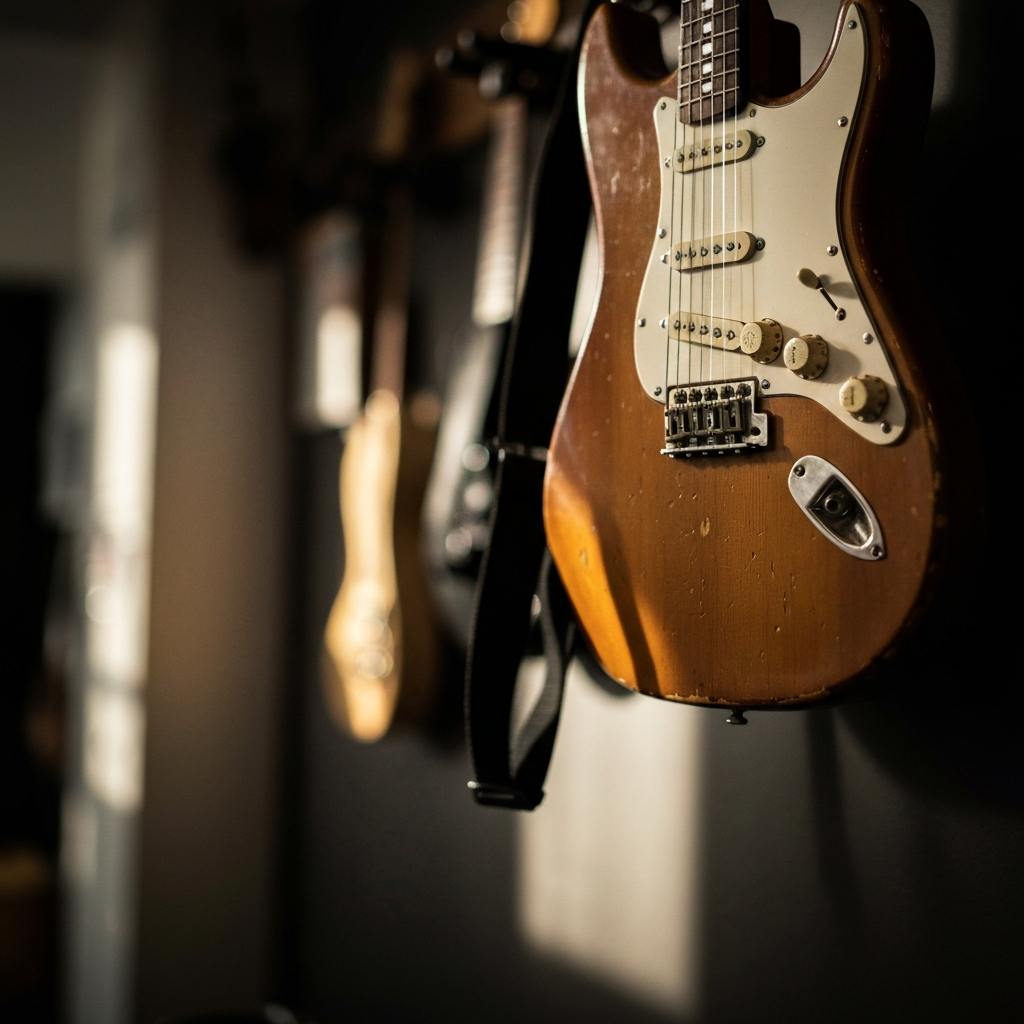
Acquiring an instrument is the first hurdle. Forget brand-new Gibsons and Fenders – at least for now. Explore options like pawn shops, online marketplaces (Craigslist, Facebook Marketplace), and local music stores that offer used instruments. Often, you can find surprisingly good quality instruments for a fraction of the price of new ones. Consider renting an instrument initially to see if it's a good fit before committing to a purchase. Don't be afraid to haggle – many sellers are willing to negotiate, especially if the instrument has been listed for a while. Finally, check with friends and family; someone might have an old guitar or keyboard gathering dust in their attic that they'd be willing to lend or sell cheaply.
Step 2: Master the Basics (Free Resources Abound!)
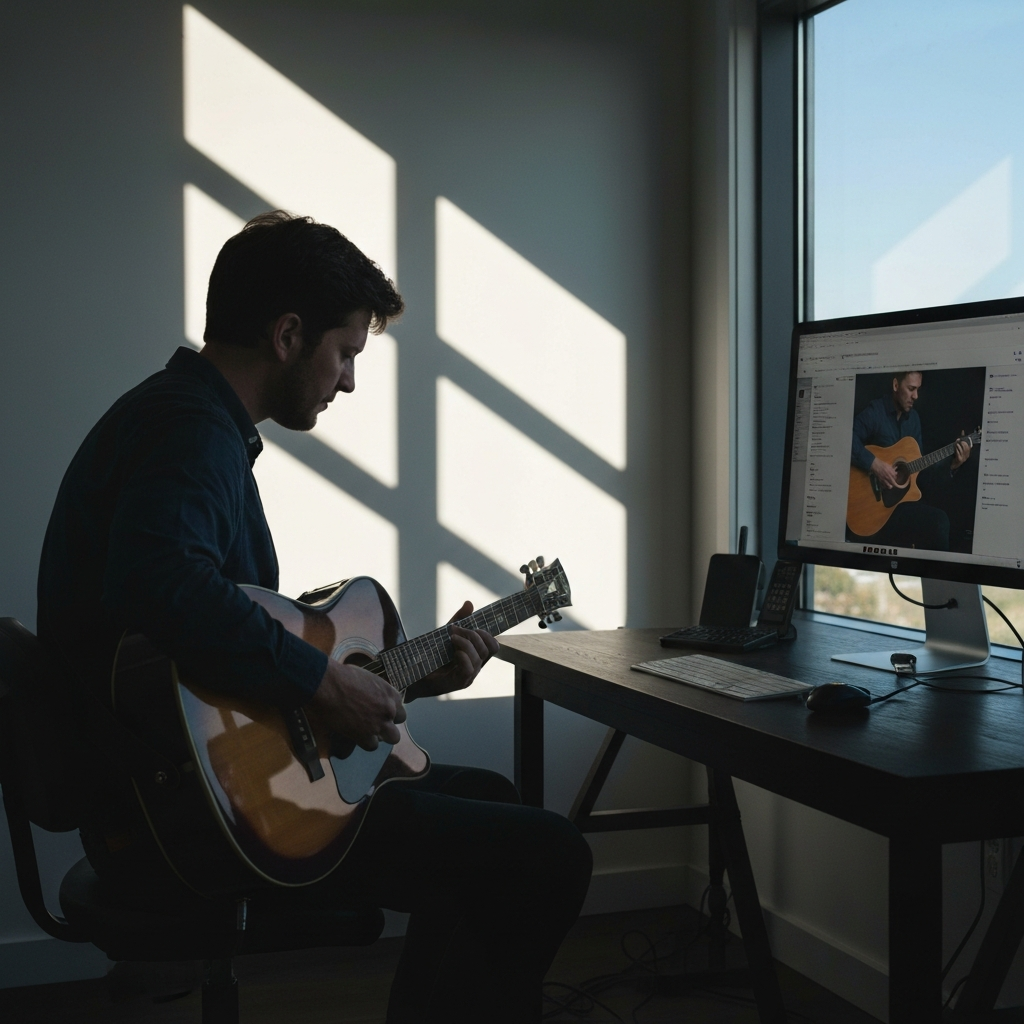
Once you have an instrument, it's time to learn to play! Forget expensive private lessons – the internet is a goldmine of free tutorials. YouTube channels offer lessons for every instrument and skill level. Websites like JustinGuitar.com and Fender Play (often offering a free trial) provide structured learning paths. Practice consistently, even if it's just for 30 minutes a day. Start with the fundamentals: chords, scales, rhythm. Don't try to learn everything at once – focus on mastering the basics before moving on to more complex techniques. Learn by ear; try to figure out your favorite songs. This develops your musical intuition and helps you understand how music works.
Step 3: Form a Band (or Go Solo!)
Playing with others is crucial for developing your musical skills and creating a dynamic sound. Look for bandmates in your local community. Check out open mic nights, music schools, and online forums. Be open to collaborating with musicians from different backgrounds and genres. If you can't find a band, consider going solo. Many rock artists started as solo performers, using loop pedals and other technology to create a full band sound. Don't be afraid to experiment – find what works best for you and your musical style.
Step 4: Write Your Own Music (Inspiration is Everywhere!)
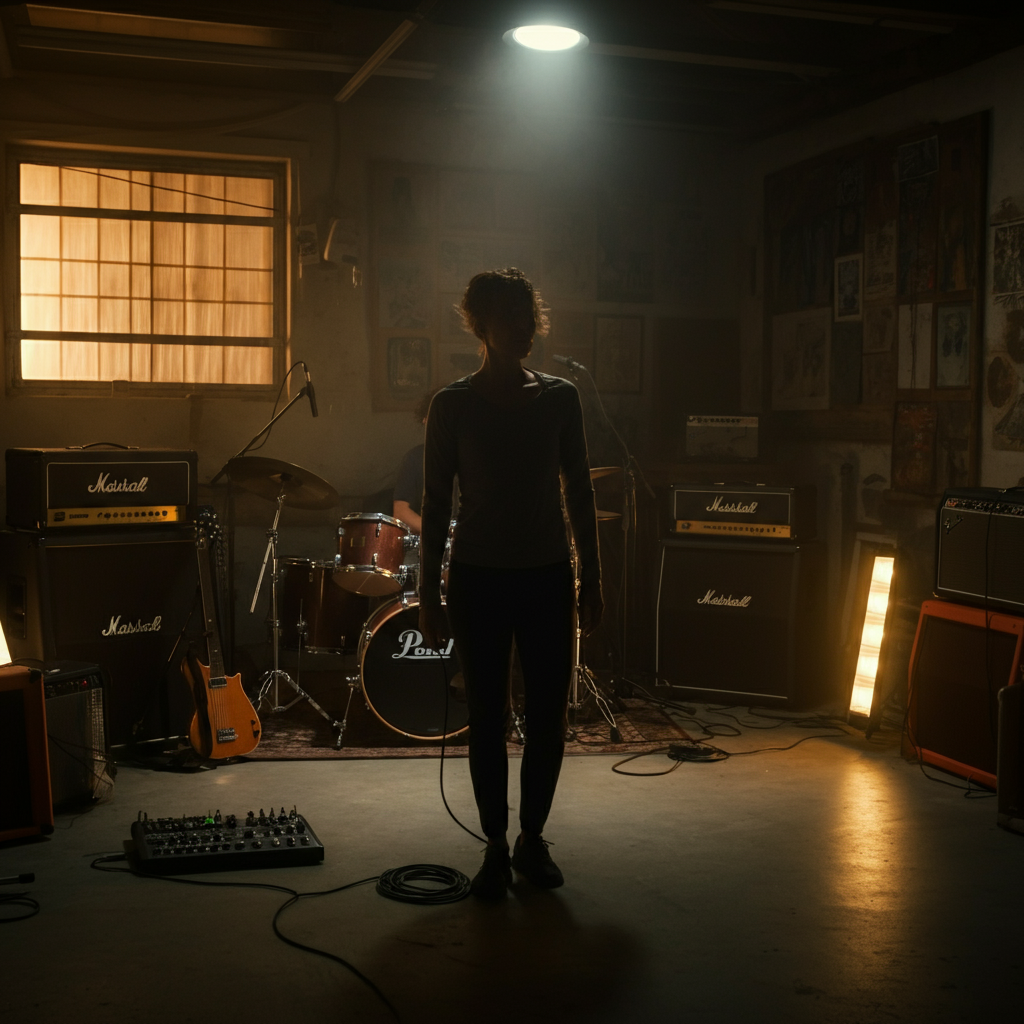
Original music is what sets you apart. Start by experimenting with different song structures, chord progressions, and melodies. Draw inspiration from your own experiences, emotions, and observations. Don't be afraid to be vulnerable and honest in your songwriting. Use free recording software like Audacity to record your ideas and experiment with different arrangements. Collaborate with other musicians to get feedback and inspiration. Writing original music is a process – don't be discouraged if your first songs aren't perfect. Keep writing, keep experimenting, and keep refining your craft.

Step 5: Build Your Online Presence (Social Media is Your Stage!)
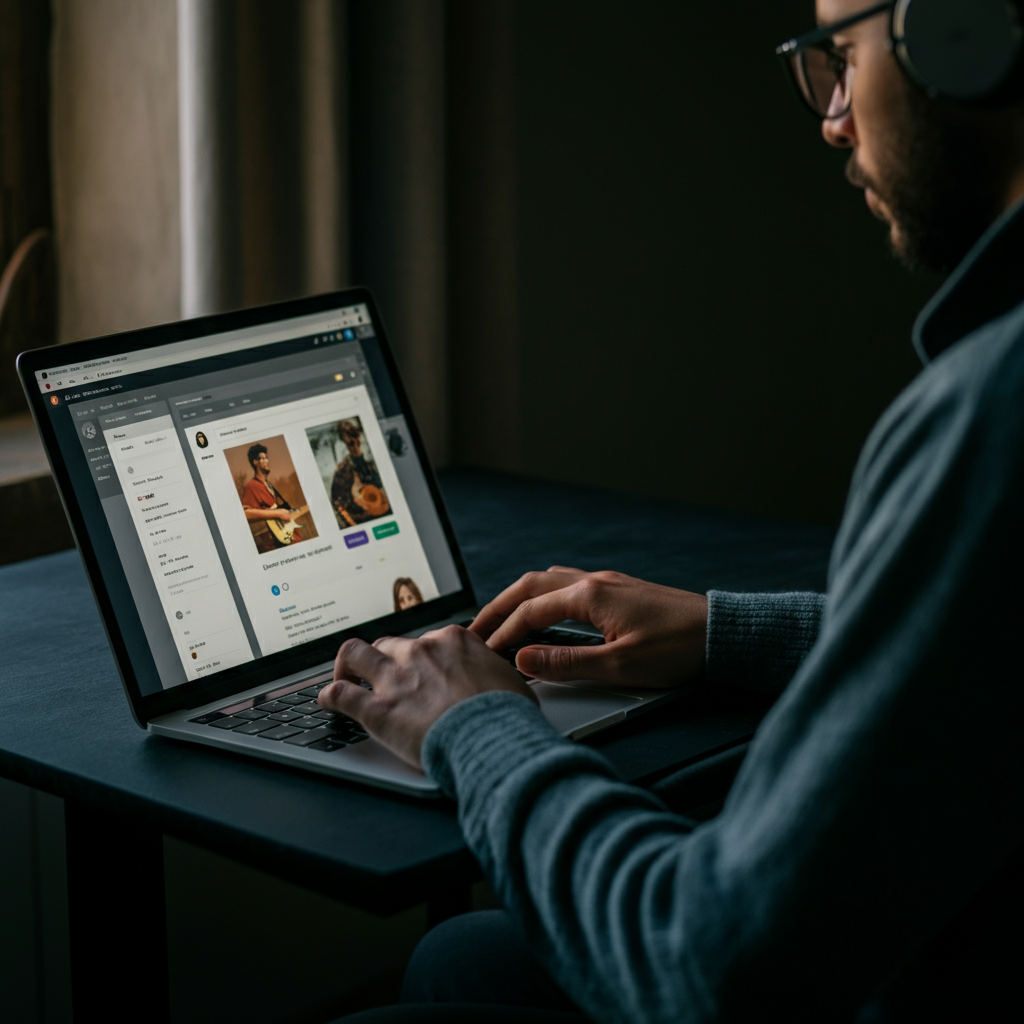
In today's music industry, a strong online presence is essential. Create profiles on platforms like YouTube, SoundCloud, Instagram, and Facebook. Consistently post high-quality content: recordings of your music, videos of your performances, and engaging posts that connect with your audience. Engage with your fans – respond to comments, answer questions, and build a community. Use free tools like Canva to create eye-catching graphics and promotional materials. Run contests and giveaways to attract new followers. Building an online presence takes time and effort, but it's crucial for reaching a wider audience and building a fan base.
Step 6: Gigging on the Cheap (DIY Venues and Open Mic Nights!)
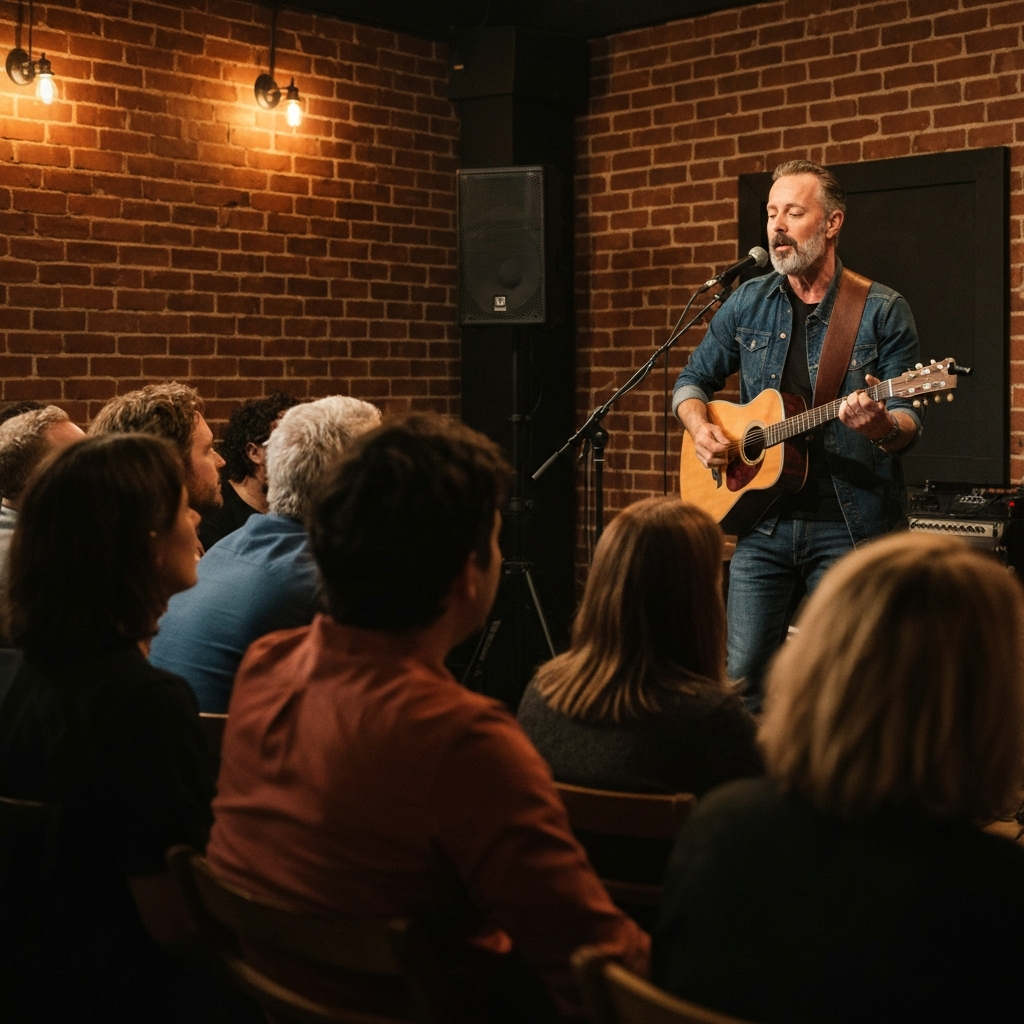
Getting on stage is crucial for gaining experience and building a following. Start by playing at open mic nights and local coffee shops. These venues often offer free performance opportunities and a chance to connect with other musicians and fans. Look for unconventional venues, like house parties, art galleries, and community events. Promote your gigs through social media and word of mouth. Don't be afraid to ask for feedback after your performances – it's a valuable way to improve your act. Remember to always be professional and respectful, even at small gigs. Treat every performance as an opportunity to impress and build your reputation.
Tools or Materials Required
- Instrument (used or rented)
- Basic recording equipment (microphone, audio interface - optional to start)
- Free recording software (Audacity, GarageBand)
- Social media accounts
- Internet access
Common Mistakes to Avoid
- Ignoring practice
- Poor sound quality on recordings
- Inconsistent social media posting
- Not engaging with fans
- Giving up too easily
FAQ Section
Q: How much money do I REALLY need to get started?
A: You can start with very little. The most crucial investment is time and effort. A used instrument, free software, and a smartphone for recording basic audio/video can get you surprisingly far.
Q: What if I'm not a "natural" musician?
A: Musical talent is developed, not just innate. Consistent practice and dedication are key. Focus on improving gradually, and celebrate small victories.
Q: How do I protect my music?
A: Copyright protection is automatic as soon as you create a work. For more formal protection, consider registering your music with a performing rights organization (PRO) like ASCAP or BMI.
Conclusion
Unleashing your inner rockstar on a shoestring budget is entirely possible. It requires resourcefulness, dedication, and a willingness to learn and adapt. By finding affordable gear, mastering the basics, writing original music, building an online presence, and gigging creatively, you can take your first steps towards rock stardom without emptying your wallet. Remember to stay true to your artistic vision, connect with your audience, and never stop rocking!