Have you ever wondered what happens when you put a CD in the microwave? This experiment demonstrates the fascinating (and potentially hazardous) effects of subjecting a compact disc to microwave radiation. The thin layer of metal on the CD interacts with the microwaves, creating miniature electrical arcs and a visual spectacle. However, it's crucial to understand the risks involved and take necessary precautions.
This process can damage your microwave and release potentially harmful fumes, so approach this experiment with caution and respect for safety. The following steps outline the procedure, safety measures, and expected outcomes. Remember, this is for demonstration purposes only, and repeating it frequently can shorten the lifespan of your microwave.
Before proceeding, it's important to reiterate: this experiment carries risks. Ensure you understand and accept these risks before attempting it. We strongly advise using an old, expendable microwave in a well-ventilated area.
Tools or Materials Required
- An old, expendable microwave oven
- A CD or CD-R (preferably one you don't need)
- Safety glasses or goggles
- A well-ventilated room or outdoor space
- (Optional) Fire extinguisher
Step 1: Preparation and Safety First
Choosing Your CD and Microwave
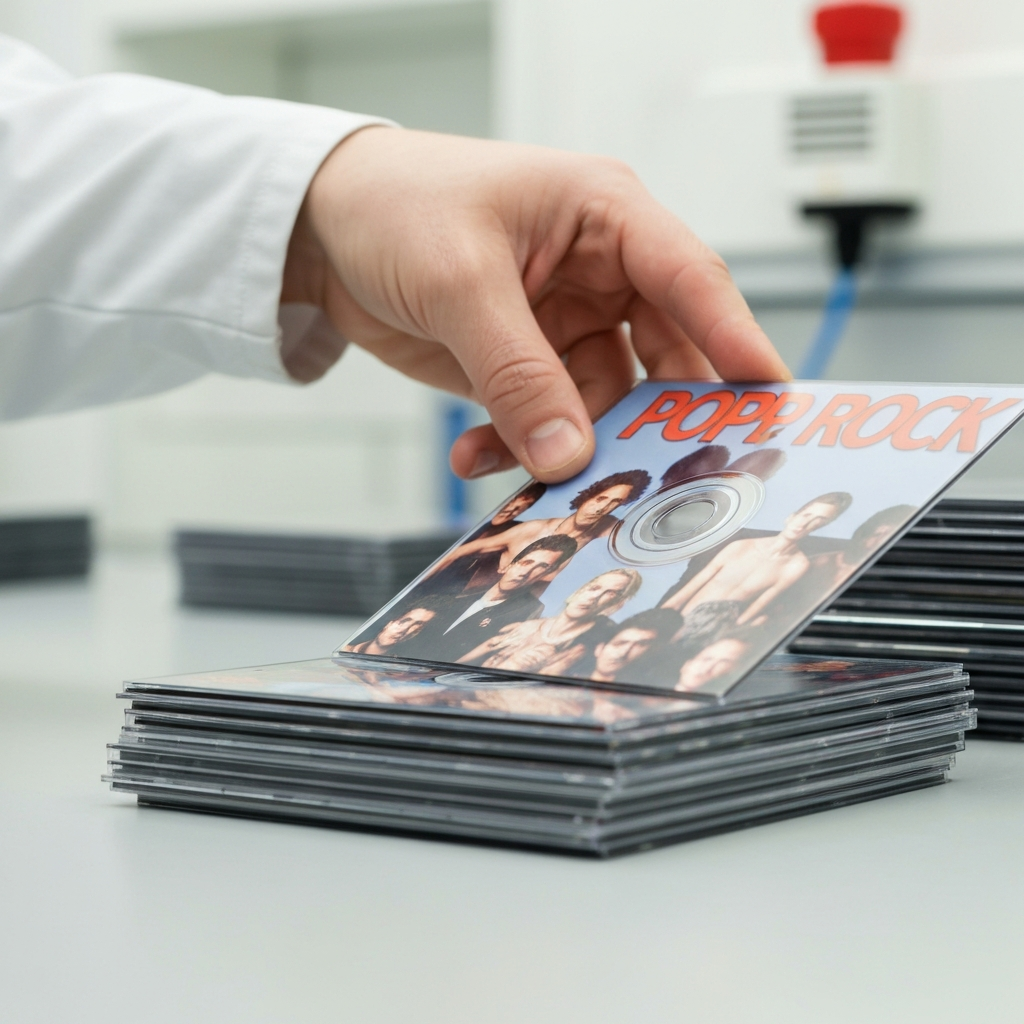
Select a CD that you no longer need, as it will be destroyed in the process. Avoid using valuable music CDs or data discs. Similarly, use an older microwave that you wouldn't mind potentially damaging. Newer microwaves often have more advanced shielding, which might reduce the effect or even prevent it entirely. It's far better to sacrifice an old appliance than risk harming a newer one. Check that the microwave is clean inside; excessive food residue could exacerbate any potential fire risk.
Step 2: Setting Up the Experiment
Positioning the CD
Place the CD in the center of the microwave. Do not use any metal holders or supports. The CD should sit directly on the glass turntable or microwave-safe base. This ensures even exposure to the microwave radiation. Avoid letting the CD touch the sides of the microwave, as this could concentrate the energy and increase the risk of arcing to the appliance walls. A small, microwave-safe cup can be used to prop the CD up on its edge, although this isn't strictly necessary.
Step 3: The Microwaving Process
Short Bursts of Power
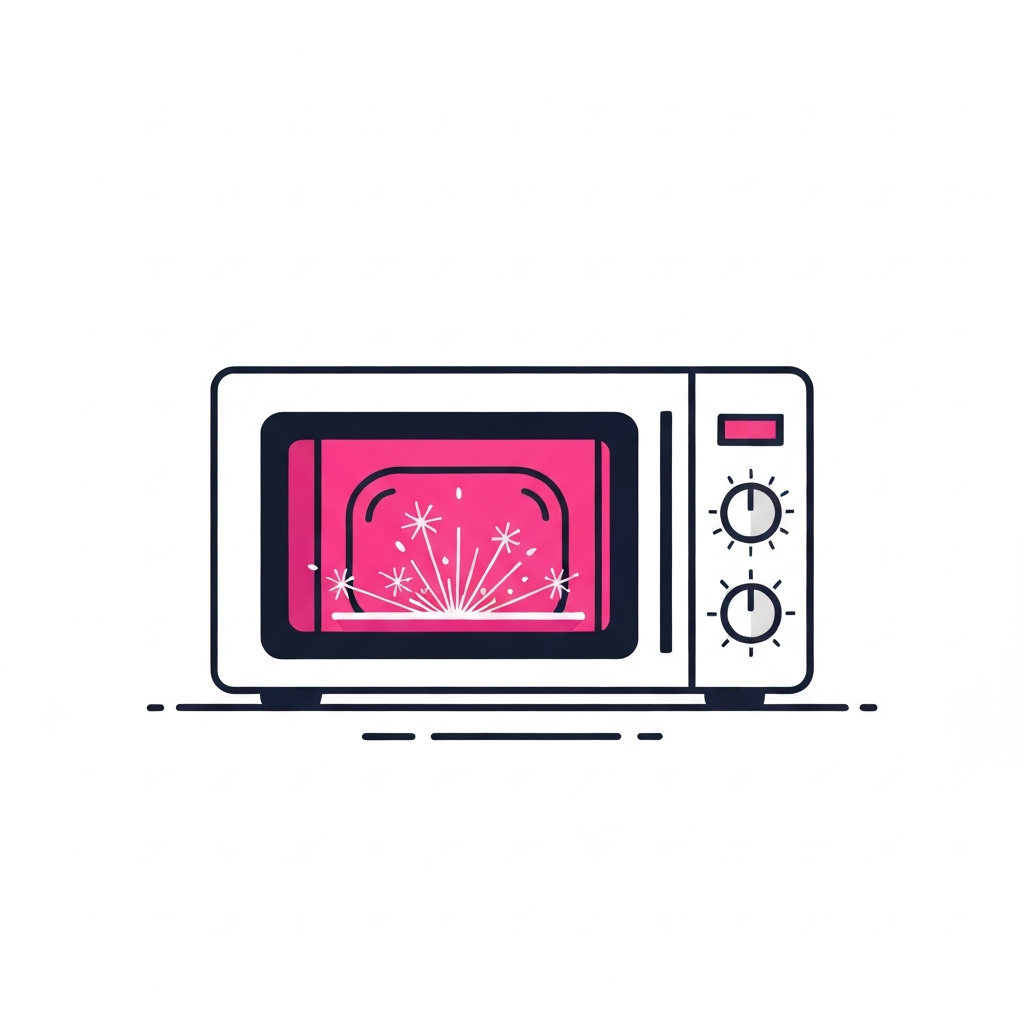
Set the microwave to high power but only for a very short duration. Start with just 3-5 seconds. Closely monitor the CD through the microwave door. You should see sparks and electrical arcs forming on the surface of the disc. If nothing happens after 5 seconds, incrementally increase the time by 1-2 seconds, but never exceed 10 seconds in a single burst. Overheating the CD can lead to a fire, release of toxic fumes, or damage to the microwave itself.
Step 4: Observation and Cool-Down
Analyzing the Results
Once you've microwaved the CD, allow it to cool down for a few minutes before handling it. The CD will be hot, and the metal coating may be sharp. Observe the patterns of arcing and burning on the surface. You'll likely see tree-like patterns where the metal has vaporized. The extent of the damage will depend on the power of your microwave and the duration of the exposure. Be mindful of any lingering odors and ensure the area is well-ventilated to dissipate any fumes.
Step 5: Safe Disposal
Proper Disposal of the CD
The microwaved CD is now considered waste and should be disposed of properly. Because it contains metal residue, it might not be suitable for regular recycling. Check with your local recycling center for specific guidelines on how to dispose of electronic waste or items with metallic components. If in doubt, it can be safely discarded in your regular trash.
Safety Considerations
- Fire Hazard: Microwaving a CD can cause a fire. Have a fire extinguisher nearby and be ready to use it.
- Fumes: The fumes released during this process can be toxic. Ensure good ventilation.
- Microwave Damage: This experiment can damage your microwave. Use an old appliance.
- Burns: The CD can be very hot after microwaving. Allow it to cool before handling.
- Eye Protection: Wear safety glasses to protect your eyes from potential sparks or flying debris.
Common Mistakes to Avoid
- Using a new or valuable microwave.
- Microwaving the CD for too long.
- Failing to provide adequate ventilation.
- Touching the CD immediately after microwaving without allowing it to cool down.
- Using metal containers or supports in the microwave.
Pro Tips
- For a more dramatic effect, try microwaving the CD in a darkened room. This will make the sparks more visible.
- Experiment with different types of CDs and CD-Rs to see how they react differently.
- Consider filming the process with a camera to capture the electrical arcs in action. Use a tripod for stable footage.
FAQ Section
- Will this ruin my microwave?
- Yes, there's a high chance of damaging your microwave. Use an old, expendable one.
- How long should I microwave the CD for?
- Start with 3-5 seconds and increase incrementally, but never exceed 10 seconds in one burst.
- Is it safe to breathe the fumes?
- No, the fumes can be toxic. Ensure good ventilation.
- Can I use a DVD instead?
- DVDs will likely react similarly, but results may vary. Exercise the same precautions.
Conclusion
Microwaving a CD is a fascinating demonstration of how microwave radiation interacts with metallic surfaces, producing sparks and electrical arcs. However, it's an experiment that should be approached with caution and respect for safety. By following the steps outlined above and taking necessary precautions, you can minimize the risks and observe this phenomenon safely. Remember to always prioritize safety, use appropriate equipment, and dispose of materials responsibly.