Mewing, named after British orthodontist Dr. John Mew, has gained significant traction as a non-invasive technique aimed at reshaping the jawline and improving facial aesthetics. The core principle involves consciously altering tongue posture to promote changes in craniofacial structure over time. While anecdotal evidence and online communities tout its benefits, it's crucial to approach mewing with a balanced perspective, understanding both its potential and limitations.
This guide provides a detailed exploration of mewing, covering the proper technique, potential benefits, associated risks, and suitable alternatives. We aim to equip you with the knowledge necessary to make informed decisions about incorporating mewing into your daily routine. It is important to emphasize that mewing's effectiveness is still debated within the scientific community, and results may vary significantly from person to person.
Before embarking on any mewing regimen, consulting with a qualified healthcare professional, such as an orthodontist or dentist, is strongly recommended. They can assess your individual needs and provide personalized guidance, ensuring that mewing is safe and appropriate for your specific situation. This guide is for informational purposes only and should not be considered a substitute for professional medical advice.
Step 1: Understanding Correct Tongue Posture
Achieving the correct tongue posture is the foundation of effective mewing. The entire tongue, including the back portion, should rest gently against the roof of the mouth, also known as the palate. Imagine trying to pronounce the "ng" sound, as in "sing," to engage the back of your tongue. The tip of your tongue should rest just behind your front teeth, without actually touching them. Avoid pressing too hard or forcing the tongue against the palate, as this can lead to muscle fatigue and discomfort.

Step 2: Achieving Proper Head and Neck Alignment
Maintaining proper head and neck alignment is crucial for maximizing the potential benefits of mewing and preventing strain. Stand or sit upright with your shoulders relaxed and your head level. Avoid tilting your head forward or backward, as this can disrupt the natural alignment of your jaw and neck muscles. Imagine a string pulling you up from the crown of your head, elongating your spine and promoting good posture. Regularly check your posture throughout the day to ensure you are maintaining optimal alignment.

Step 3: Performing the Mewing Exercise
Once you've established the correct tongue posture and head alignment, you can begin practicing the mewing exercise. Gently close your lips, keeping your teeth lightly touching or slightly apart. Focus on breathing through your nose, as this encourages proper tongue posture and nasal airflow. Maintain the tongue posture throughout the day, consciously reminding yourself to keep your tongue pressed against the roof of your mouth. Start with short periods of practice and gradually increase the duration as you become more comfortable.

Step 4: Integrating Mewing into Your Daily Routine
Consistency is key to experiencing any potential benefits from mewing. Make a conscious effort to integrate mewing into your daily routine by practicing it during various activities, such as working at your desk, watching television, or even while sleeping. Set reminders on your phone or computer to prompt you to check your tongue posture throughout the day. Be patient and persistent, as it may take time to develop the habit of maintaining proper tongue posture consistently.

Step 5: Monitoring Progress and Adjusting Technique
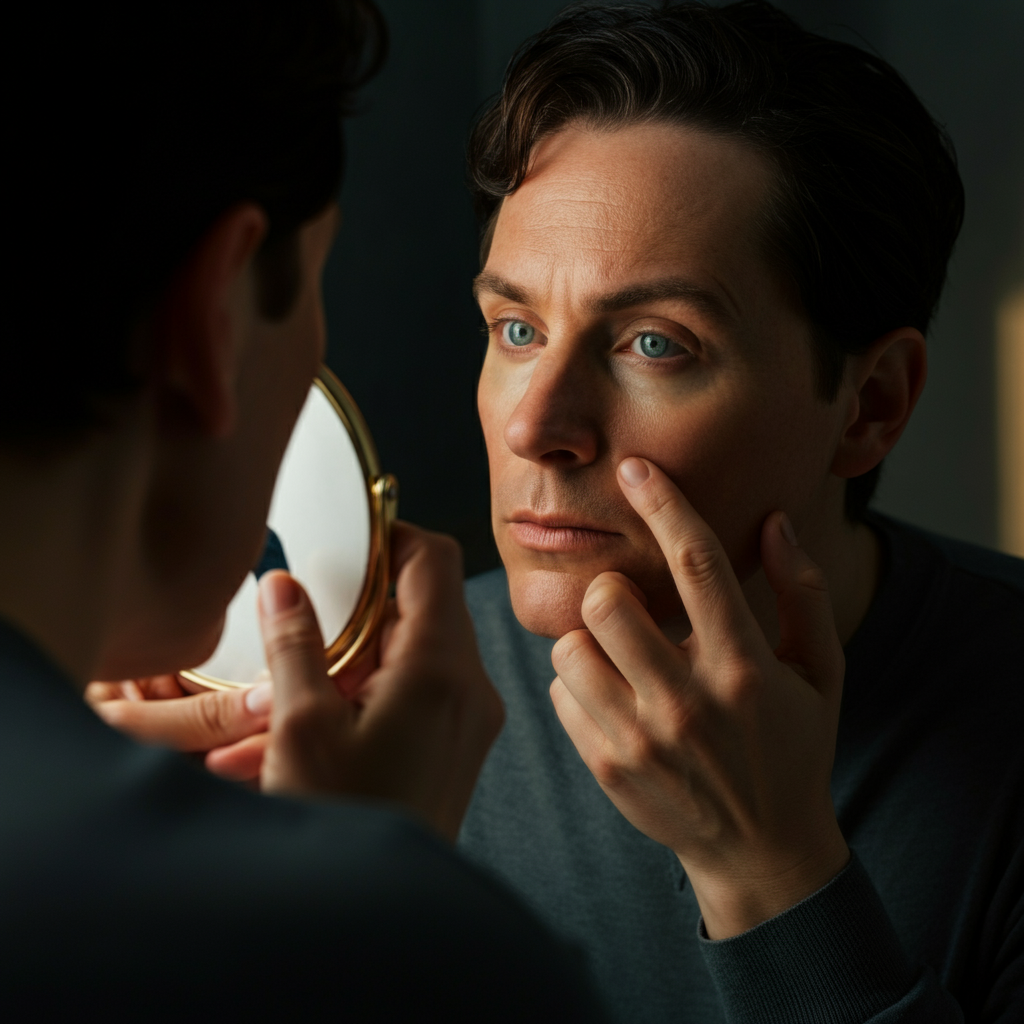
Regularly monitor your progress and be prepared to adjust your technique as needed. Pay attention to any changes in your facial structure, jawline definition, or breathing patterns. If you experience any pain or discomfort, discontinue mewing immediately and consult with a healthcare professional. Consider taking photographs of your face at regular intervals to track your progress over time. Be realistic about your expectations and understand that results may vary.
Common Mistakes to Avoid
- Incorrect Tongue Placement: Ensure the entire tongue, including the back, is resting on the palate.
- Excessive Force: Avoid pressing too hard, as this can cause muscle fatigue and discomfort.
- Clenching Teeth: Keep your teeth lightly touching or slightly apart to prevent jaw strain.
- Mouth Breathing: Focus on nasal breathing to encourage proper tongue posture and airflow.
- Inconsistent Practice: Consistency is crucial for maximizing potential benefits.
Safety Considerations
Mewing is not a substitute for professional medical treatment. If you have any underlying health conditions, such as temporomandibular joint (TMJ) disorders, consult with a healthcare professional before starting mewing. Discontinue mewing immediately if you experience any pain or discomfort. Be realistic about your expectations and understand that results may vary. Maintain good oral hygiene practices to prevent dental problems.
FAQ Section
Q: How long does it take to see results from mewing?
A: Results can vary significantly depending on individual factors such as age, genetics, and consistency of practice. Some people may notice subtle changes within a few months, while others may take longer to see noticeable results.
Q: Is mewing safe for everyone?
A: Mewing may not be suitable for everyone, especially those with underlying health conditions such as TMJ disorders. Consult with a healthcare professional before starting mewing.
Q: Can mewing fix an overbite or underbite?
A: Mewing is not a substitute for orthodontic treatment. While it may potentially contribute to minor improvements in jaw alignment, it cannot correct severe cases of overbite or underbite.
Conclusion
Mewing is a technique that involves consciously altering tongue posture to potentially reshape the jawline and improve facial aesthetics. While anecdotal evidence suggests potential benefits, scientific evidence supporting its effectiveness is limited. Approaching mewing with a balanced perspective, understanding its limitations, and consulting with a healthcare professional are crucial. Consistency, proper technique, and patience are key to maximizing any potential benefits. Remember, mewing is not a substitute for professional medical treatment and should be practiced with caution.