Have you ever wondered if your affinity for black clothing, introspective music, and a generally melancholic outlook on life aligns with the emo subculture? Perhaps you've taken online quizzes, but still feel uncertain. This comprehensive guide will delve into the core characteristics of the emo identity, helping you determine if you genuinely resonate with this often misunderstood subculture.
Emo, short for "emotional," evolved from the hardcore punk scene in the 1980s. It's more than just a fashion statement; it's a complex blend of music, style, and emotional expression. This guide explores the key aspects of emo culture, drawing from established characteristics to help you assess your own alignment.
While online quizzes can be a fun starting point, they often oversimplify the nuances of identity. This guide aims to provide a more in-depth understanding, allowing you to consider various facets of the emo subculture and make a more informed self-assessment. So, let's embark on this journey of self-discovery to uncover whether you truly identify with the emo aesthetic and lifestyle.
Step 1: Evaluate Your General Mood
Consider your average emotional state. Emo culture, at its core, emphasizes emotionality, often leaning towards introspection, melancholy, and sensitivity. While everyone experiences a range of emotions, individuals aligned with the emo subculture tend to experience sadness, angst, and a sense of longing more frequently and intensely. Ask yourself: Do you find yourself consistently drawn to expressing these emotions through art, music, or personal style? If happiness is your default setting, the emo label might not be the best fit.

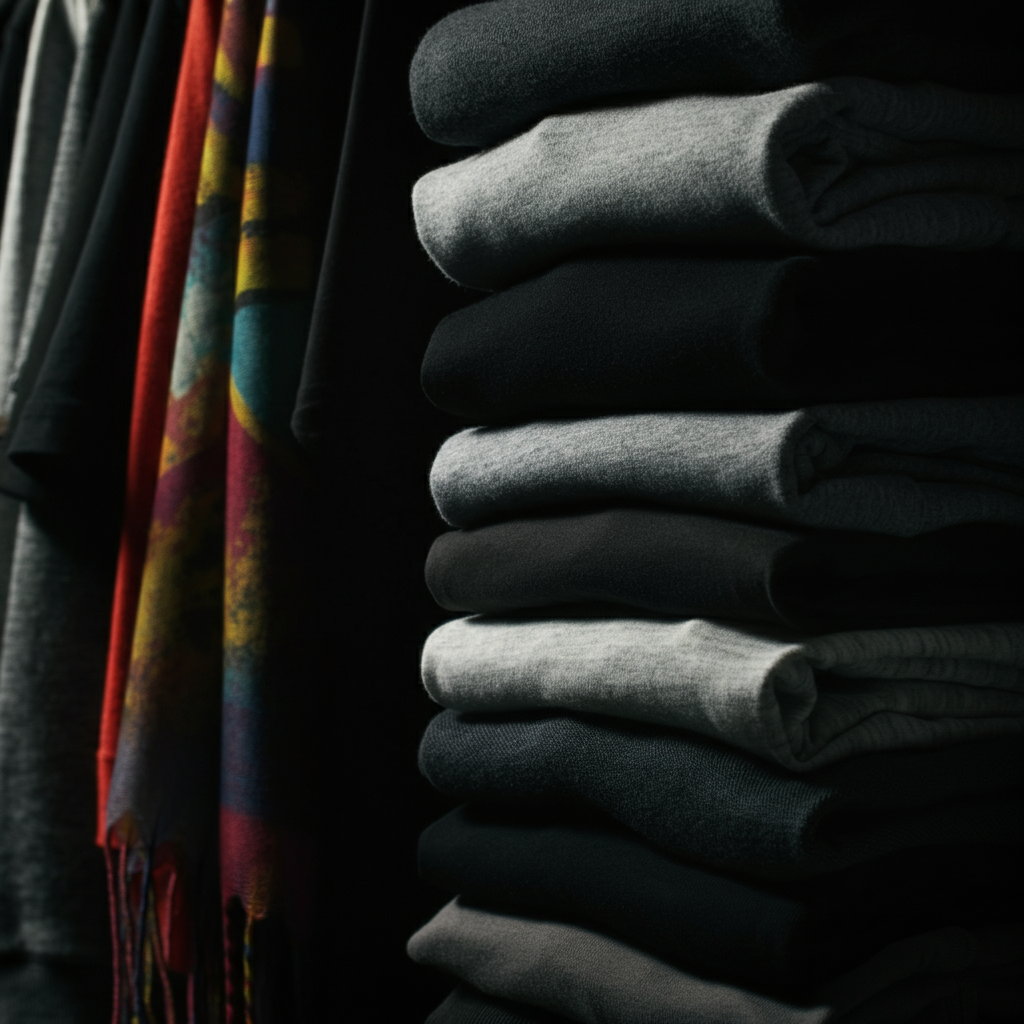
Step 2: Examine Your Wardrobe Color Palette
Take a look inside your closet and honestly assess the dominant colors. While not an absolute requirement, black is a prevalent color within emo fashion. It often symbolizes introspection, nonconformity, and a sense of individuality. A wardrobe dominated by bright, vibrant colors might suggest a different aesthetic preference. However, don't let this single factor be the sole determinant; consider if you incorporate black as a deliberate statement or simply prefer other hues.
Step 3: Analyze Your Hairstyle Preferences
Hair is often a key element of self-expression within subcultures. The classic emo hairstyle often involves long, side-swept bangs that partially obscure the eyes. This style can be interpreted as a way to express introversion, a desire for privacy, or a rejection of conventional beauty standards. Consider if you actively choose hairstyles that reflect these characteristics. Simply having bangs doesn't automatically qualify you as emo; the intention and styling are crucial factors.

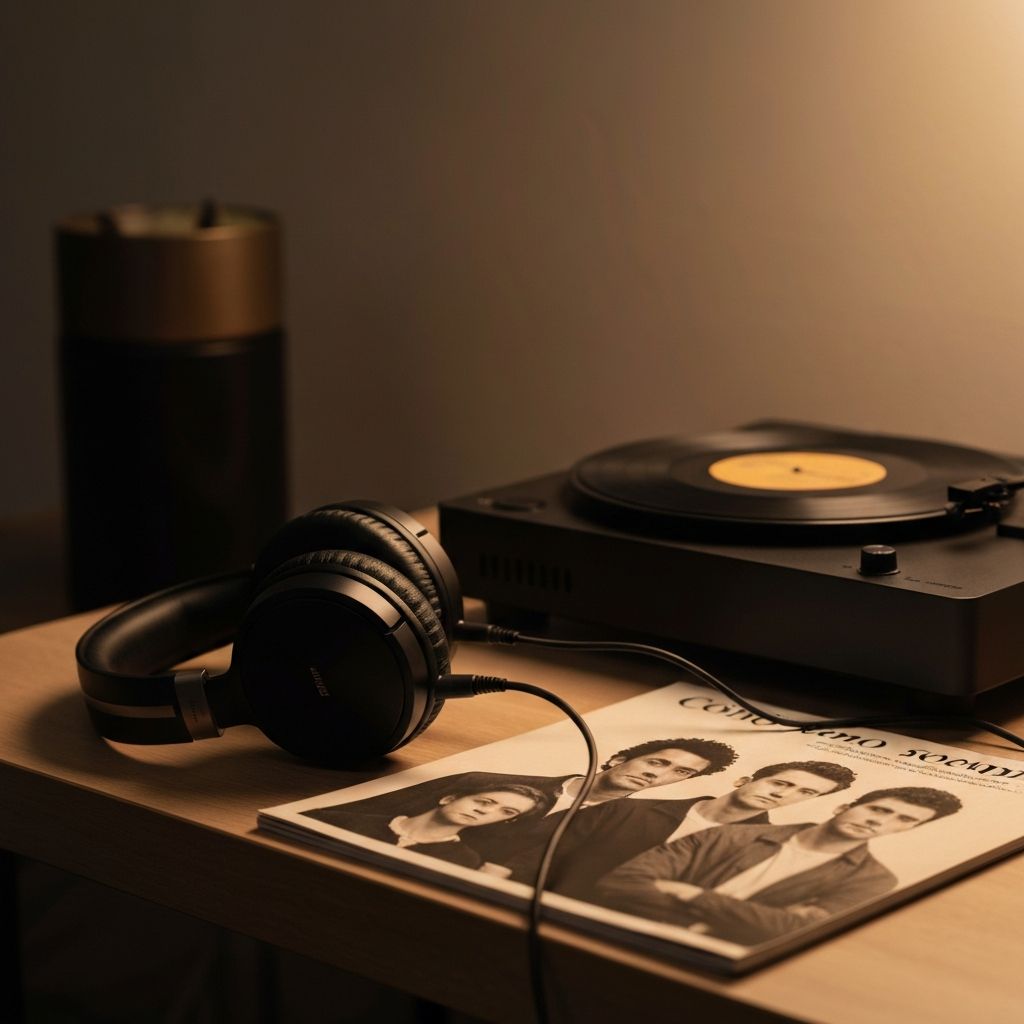
Step 4: Evaluate Your Musical Tastes
Music is undeniably central to the emo subculture. Bands like My Chemical Romance, Paramore, Fall Out Boy, and Panic! At The Disco are considered foundational to the genre. However, emo music encompasses a wide range of artists, from the earlier hardcore influences to more contemporary indie and alternative bands. A genuine appreciation for the emotional depth and lyrical content of these bands is more important than simply knowing their names. Consider if you connect with the themes and sentiments expressed in their music.
Step 5: Assess Your Outfit Choices
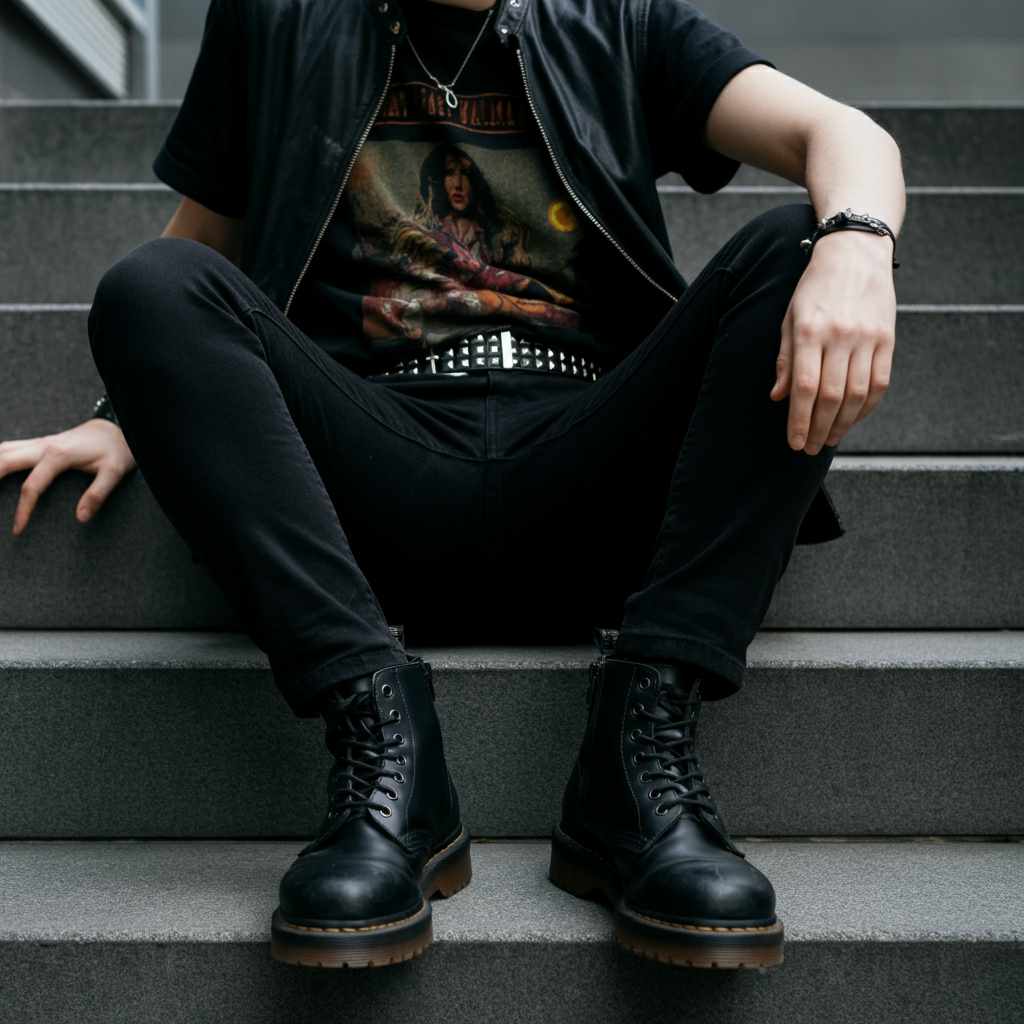
Emo fashion often involves a combination of dark, form-fitting clothing, band t-shirts, and accessories that reflect individuality. Black skinny jeans, studded belts, and combat boots are common elements. While there's no strict uniform, the overall aesthetic tends to be edgy, expressive, and often rebellious. Consider how your clothing choices reflect your personality and values. Remember that authentic self-expression is more important than blindly following trends.
Step 6: Reflect on How Others Perceive You
While self-perception is crucial, understanding how others view you can provide valuable insights. Do your friends describe you as introspective, sensitive, or perhaps even a bit melancholic? Their perspectives can offer an external viewpoint on your behavior and demeanor, helping you gauge if you project qualities associated with the emo subculture. However, remember that ultimately, your self-identification is the most important factor.

FAQ Section
Q: Is it necessary to be sad all the time to be considered emo?
A: No. While emotional expression is a core tenet of emo culture, it doesn't necessitate constant sadness. It's about acknowledging and expressing a wide range of emotions, including sadness, anger, and longing, in an authentic way.
Q: Can I be emo if I like other types of music besides emo?
A: Absolutely! Musical tastes are diverse, and enjoying other genres doesn't negate your connection to emo music and its underlying values. Many people who identify with the emo subculture also appreciate other genres like punk, alternative, and indie music.
Q: Is there an age limit to being emo?
A: No. Identity is a personal journey, and age is not a determining factor. People of all ages can connect with the emo subculture and express themselves through its music, style, and values.
Conclusion
Ultimately, deciding whether you "are emo" is a personal exploration. This guide provides a framework for self-assessment, encouraging you to reflect on your emotional state, style preferences, musical tastes, and overall worldview. Remember, there's no right or wrong answer. The most important thing is to embrace authenticity and express yourself in a way that feels true to who you are. If you resonate with the values and aesthetics discussed, then perhaps the emo label is a fitting descriptor. If not, that's perfectly fine too. Embrace your individuality and explore the many facets of your identity.