The "Manic Pixie Dream Girl" (MPDG) is a common character trope found in film and literature, particularly prevalent in early 2000s rom-coms. This archetype describes a quirky, unconventional female character whose primary function is to inspire and invigorate a more serious, often brooding, male protagonist. Coined by film critic Nathan Rabin in 2007, the term has become a subject of debate and re-evaluation in recent years.
These characters are often characterized by their whimsical personalities, unique sense of style, and unconventional approaches to life. While initially appearing charming and refreshing, the MPDG trope has been criticized for its lack of depth and its tendency to reduce female characters to mere plot devices. They often exist solely to serve the male lead's emotional journey, lacking their own independent goals or motivations.
This guide will explore the origins, characteristics, examples, and criticisms of the Manic Pixie Dream Girl trope, providing a comprehensive understanding of its significance and its evolution in contemporary media.
Understanding this trope requires careful consideration, as it can be easily misapplied or used as a derogatory label. Our goal is to provide an objective and nuanced perspective, enabling you to recognize and analyze the MPDG archetype effectively.
Step 1: Defining the Core Characteristics
What is a Manic Pixie Dream Girl?
At its core, a Manic Pixie Dream Girl is a female character designed to be quirky, eccentric, and free-spirited. These characters are often presented as being "not like other girls," possessing unique hobbies, unconventional fashion choices, and a generally optimistic outlook on life. The primary purpose of this character is to shake up the male protagonist's mundane existence, encouraging him to embrace life and find joy in the unexpected. However, this character is often not well-developed, acting only as an emotional support for the male lead. They lack the same detailed backstory and motivations.

Step 2: Recognizing Key Examples in Film
Identifying Prominent MPDGs in Cinema
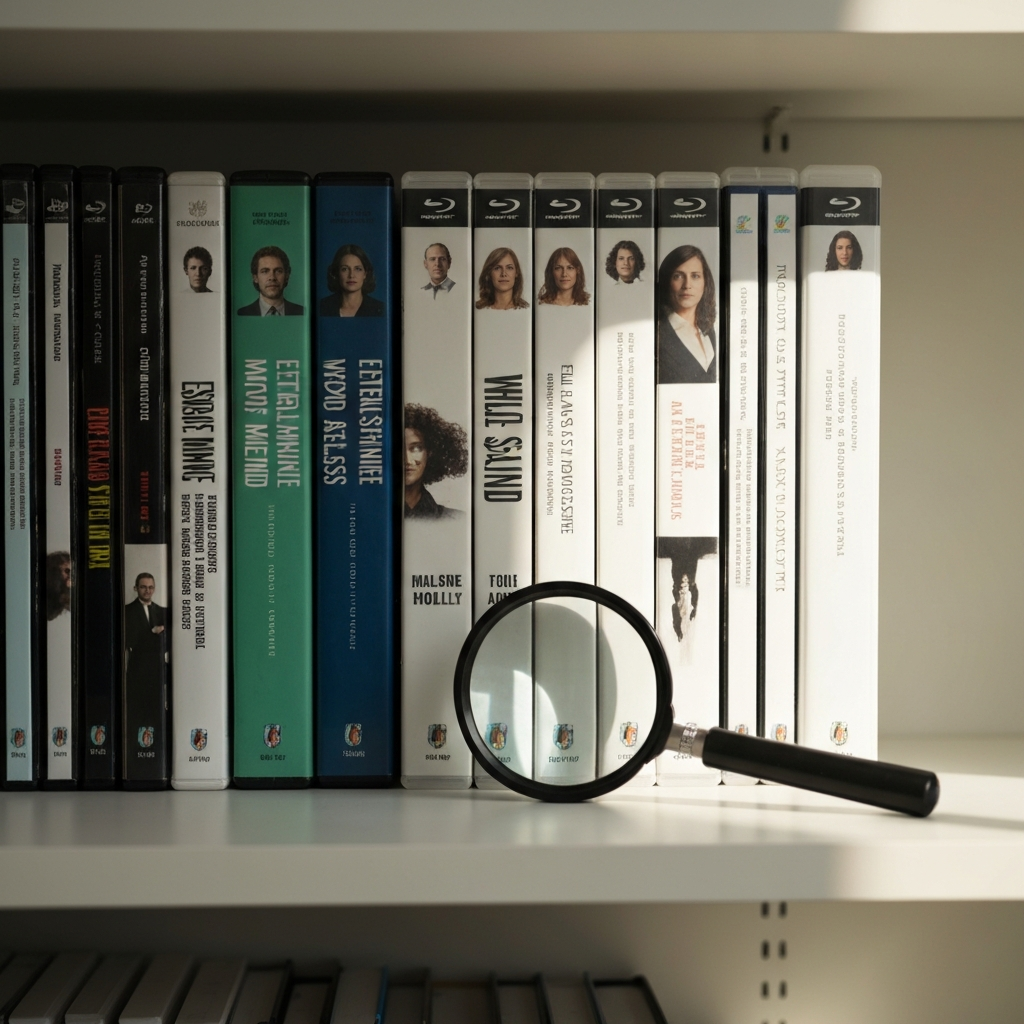
Several films feature characters that have been identified as Manic Pixie Dream Girls. Clementine Kruczynski from Eternal Sunshine of the Spotless Mind, played by Kate Winslet, is a complex character, embodying many MPDG traits while also challenging the trope's limitations. Ramona Flowers from Scott Pilgrim vs. the World, portrayed by Mary Elizabeth Winstead, is another prime example, engaging her love interest in a series of challenges. Penny Lane in Almost Famous, embodied by Kate Hudson, also fits the description, captivating the male journalist with her free-spirited attitude. Finally, Summer Finn in 500 Days of Summer, played by Zooey Deschanel, is a textbook example, complete with vintage outfits and oddball behavior, although she is revealed to be more complex than first impressions suggest. Analyzing these characters within the context of their respective films reveals both the appeal and the potential pitfalls of the MPDG archetype.
Step 3: Exploring Common Traits
Identifying Recurring Characteristics
Several traits are commonly associated with the Manic Pixie Dream Girl. Quirkiness is a defining feature, often manifested through unique hobbies, unconventional style choices, or eccentric behaviors. A whimsical worldview is another hallmark, characterized by an optimistic and unconventional perspective on life. Unconventional beauty, defying mainstream standards, often complements this persona, and finally, a recurring (and problematic) element of the MPDG is that they are sometimes written as being, or needing to be, rescued by the male protagonist. Note that the damsel in distress trait is often a flaw and makes the character seem shallow.

Step 4: Recognizing Character Flaws
Understanding the Limitations of the Trope
While seemingly charming, the Manic Pixie Dream Girl archetype often suffers from significant character flaws. Naiveté is a common characteristic, making these characters appear less aware of the complexities and dangers of the real world. Unreliability can also be a problem, as MPDGs are often portrayed as being more focused on their own whims than on fulfilling responsibilities. However, the most criticized flaw is the lack of agency, with MPDGs often existing solely to support the male protagonist's narrative arc, lacking their own independent goals and motivations.

Step 5: Addressing the "Problematic" Label
Critical Analysis of the MPDG Trope
The term "Manic Pixie Dream Girl" has faced increasing criticism in recent years. Many argue that the trope is inherently sexist, reducing female characters to mere plot devices rather than fully realized individuals. The term has also been overused and misapplied, leading to the unfair labeling of complex female characters who do not fully conform to the archetype. It's essential to recognize the limitations and potential harm of the MPDG label, avoiding its use as a simplistic and dismissive categorization. The trope itself is often shallow, sexist, and unrealistic, which has led to much public backlash and criticism.

Step 6: Understanding Evolution
The Evolution of the MPDG
In recent years, filmmakers have attempted to subvert and evolve the Manic Pixie Dream Girl trope. Characters are now being given richer backstories, more complex motivations, and greater agency. Some films explore the underlying mental health conditions that might contribute to a character's seemingly "quirky" behavior, adding depth and nuance to the portrayal. This is often done by the character speaking out against being type-cast, or by having them be intentionally portrayed to be multi-faceted. These efforts represent a conscious attempt to move beyond the simplistic and often problematic representation of female characters in popular media.
Common Mistakes to Avoid
- Oversimplification: Avoid reducing complex female characters to the simplistic label of "Manic Pixie Dream Girl" without considering their individual nuances and motivations.
- Misapplication: Recognize that not every quirky female character is an MPDG. The trope has specific characteristics and functions within a narrative.
- Ignoring Context: Analyze characters within the context of their respective films or stories, considering the historical and cultural influences that might have shaped their portrayal.
Conclusion
The Manic Pixie Dream Girl trope represents a complex and often problematic archetype in film and literature. While initially appearing charming and refreshing, the MPDG has been criticized for its lack of depth, its sexist undertones, and its tendency to reduce female characters to mere plot devices. By understanding the origins, characteristics, examples, and criticisms of this trope, you can develop a more nuanced and critical perspective on its significance and its evolution in contemporary media. Remember to apply this knowledge with care and sensitivity, avoiding the oversimplification and misapplication of the MPDG label.