Appreciating the artistry and beauty of Native American-inspired designs can enrich your personal style. However, it's crucial to approach this with respect and awareness. This guide focuses on how to incorporate Native American-inspired elements into your wardrobe and life in a way that honors the cultures from which they originate. The goal is to celebrate, not appropriate, and to ensure that Native American artists and communities benefit from the admiration of their work. This is about informed choices, ethical consumption, and a commitment to understanding the rich history and ongoing significance of Native American cultures.
Before incorporating any specific item, take the time to research its origins and cultural significance. Authenticity is paramount. Mass-produced items often dilute the meaning and disrespect the creators. Seek out pieces made by Native American artists and designers, and prioritize learning about the stories behind their creations. This approach not only elevates your style but also contributes to the preservation and continuation of Native American traditions.
This guide provides practical steps to navigate the complexities of cultural appreciation in fashion and design, ensuring that your choices reflect respect, understanding, and a genuine appreciation for the artistry and heritage of Native American cultures. Remember, true appreciation stems from knowledge and respect, not imitation.
Step 1: Seek Out Authentic Native American-Made Items
The most respectful way to incorporate Native American-inspired elements into your style is to purchase directly from Native American artists and designers. This ensures that the creators are properly credited and compensated for their work. Look for retailers and marketplaces that specialize in Native American-made goods, both online and locally. When purchasing, inquire about the artist, their tribe, and the story behind the piece. Support authentic artists by directly contributing to their livelihood and recognizing their cultural heritage. Consider the ethical implications of your purchase and prioritize items that are fairly traded and sustainably produced.

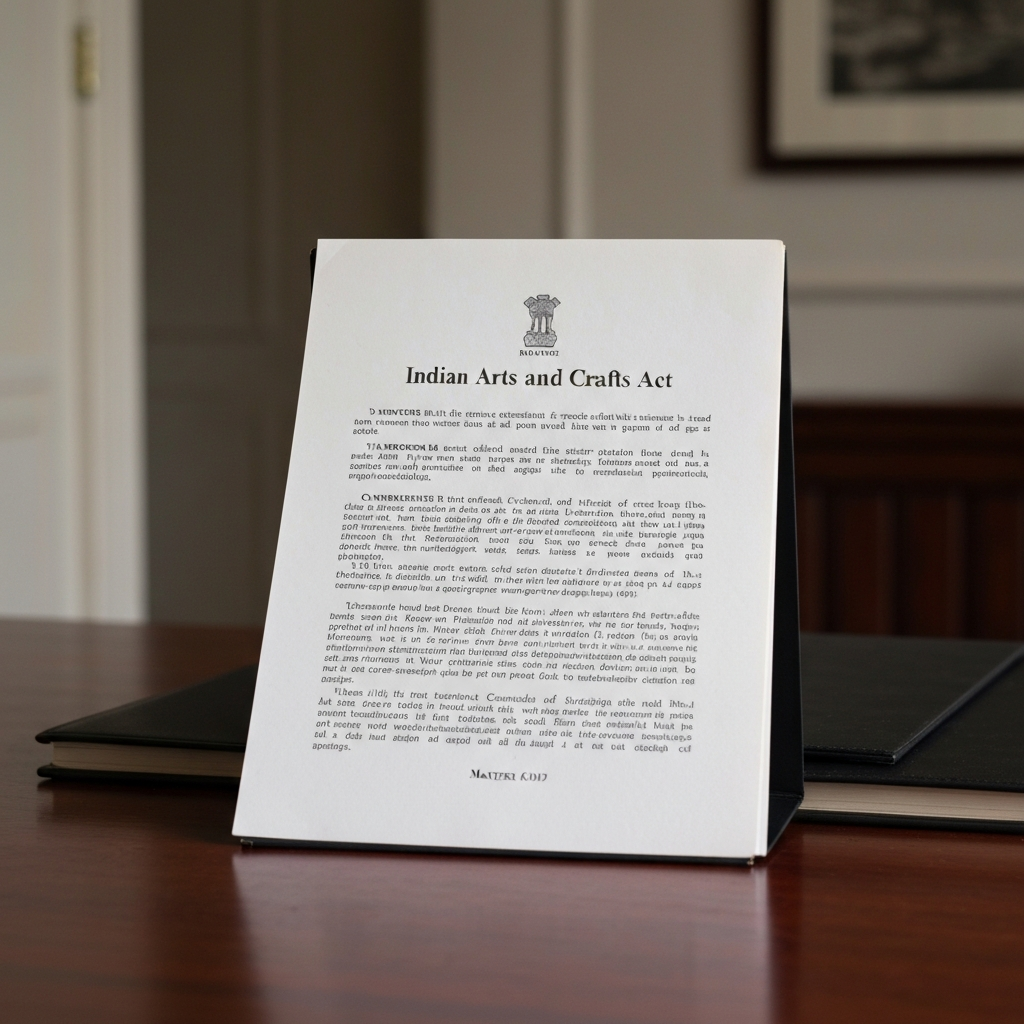
Step 2: Understand the Indian Arts and Crafts Act (IACA)
Familiarize yourself with the Indian Arts and Crafts Act (IACA), which protects Native American artists and their work. The IACA makes it illegal to misrepresent products as Native American-made when they are not. When shopping, look for items clearly labeled as "Native Made" or "Authentic Native American Art." Be wary of vague or misleading labels that don't explicitly state the item was made by a Native American artist. Educate yourself about the legal protections in place to safeguard Native American art and culture.
Step 3: Research Brands and Their Practices
Before purchasing from a non-Native American-owned brand that features Native American-inspired designs, conduct thorough research into their business practices. Determine if the company credits the artist or community that inspired the design, and if they share any of the proceeds with them. Avoid companies that exploit Native American culture for profit without giving back. Look for brands that actively support Native American communities through partnerships, donations, or scholarships. Support businesses that demonstrate a genuine commitment to ethical and respectful practices.

Step 4: Avoid Mass-Produced Imitations
Resist the temptation to purchase mass-produced items that imitate Native American designs. These items are often cheaply made, lack authenticity, and fail to benefit the communities they claim to represent. Avoid plastic headdresses, imitation animal pendant jewelry, and other items that trivialize sacred symbols or cultural practices. Be discerning about the products you choose to purchase and prioritize quality, authenticity, and ethical sourcing over affordability and convenience.
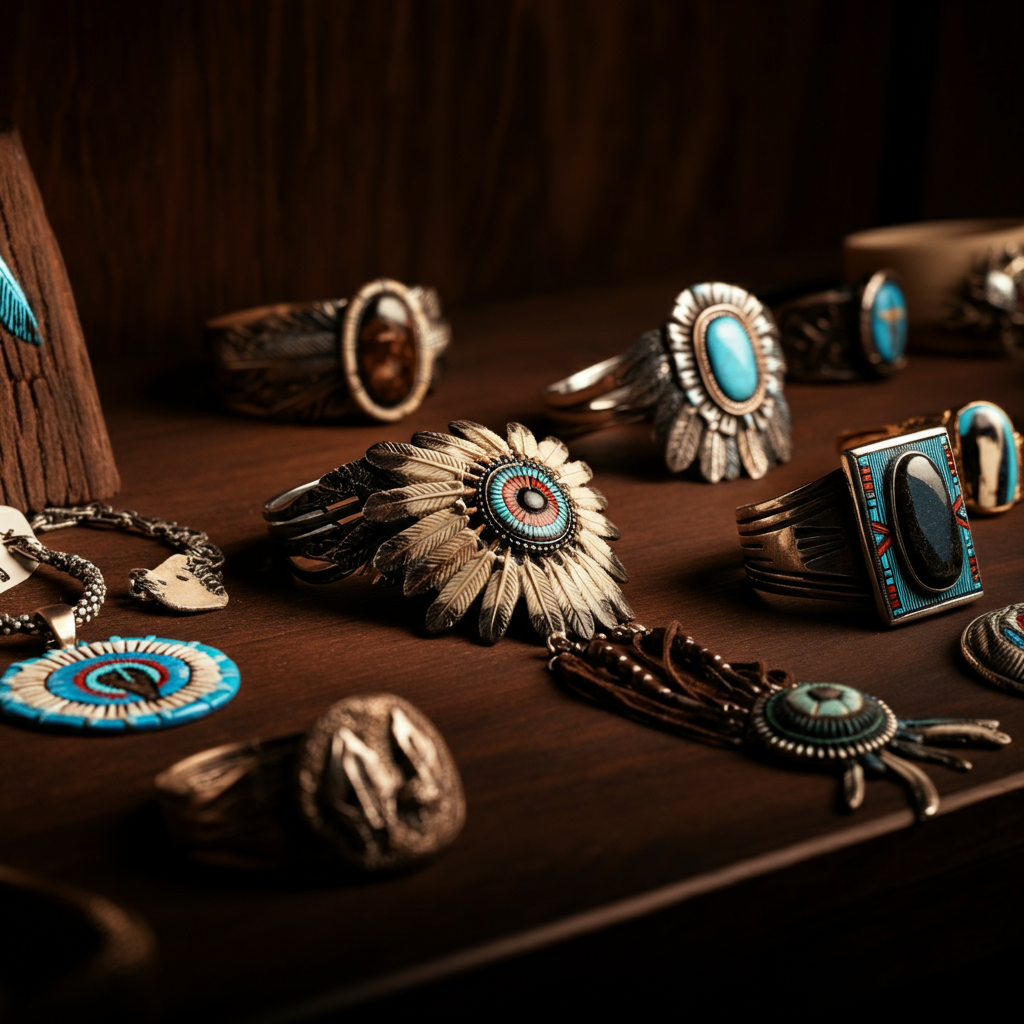
Step 5: Understand the History of What You Wear
Before wearing an item with Native American-inspired designs, take the time to research its history and cultural significance. Understand the meaning behind the symbols, patterns, and materials used. Be aware of any potential cultural sensitivities or restrictions associated with the item. Wearing something created by another culture without understanding its history can be disrespectful, even if unintentional. Educate yourself about the origins of the design and its place within Native American culture.
Step 6: Be Mindful of Sacred Items
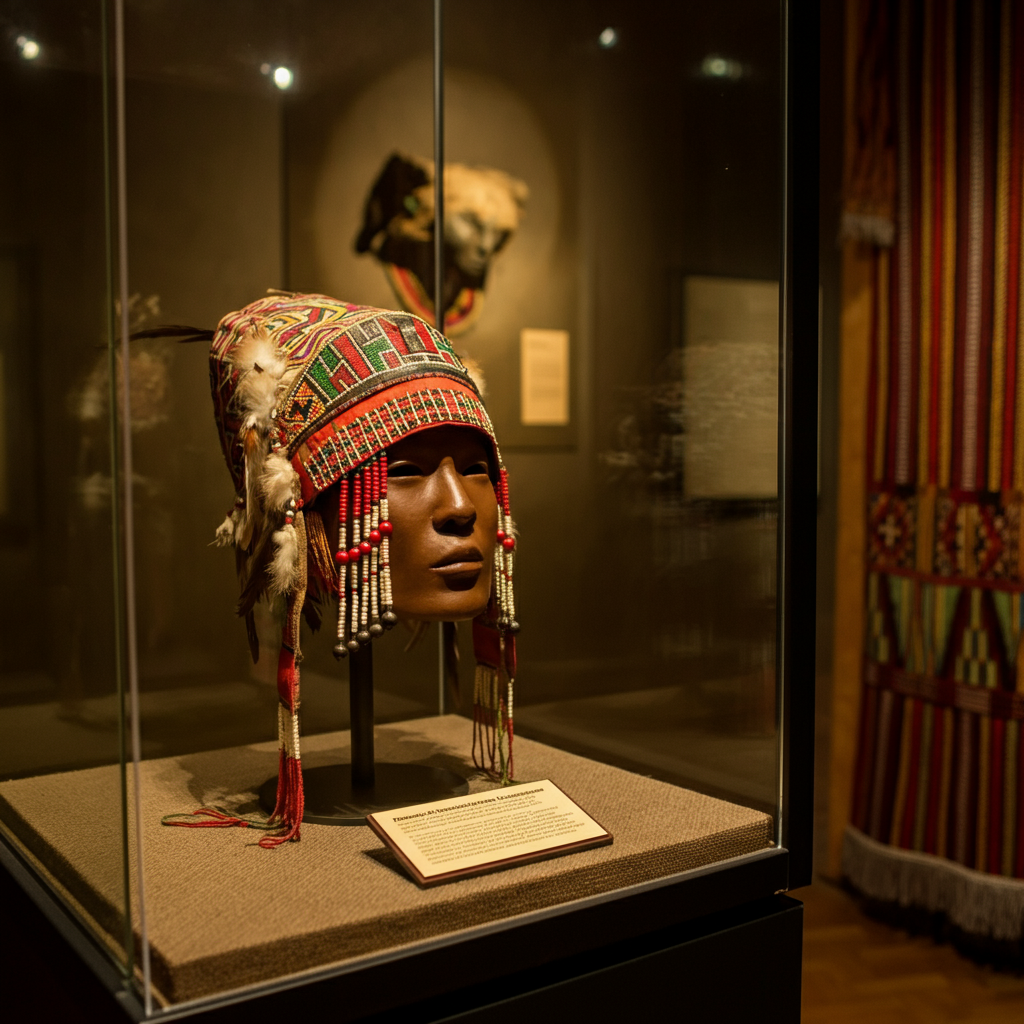
Recognize that certain items, such as feathers, headdresses, and warbonnets, hold deep spiritual meaning and should not be worn casually. These items are often earned through specific ceremonies and are reserved for individuals within the community who have demonstrated their worthiness. Wearing sacred items without proper authorization or understanding is considered highly disrespectful and can cause offense. Respect the cultural protocols and traditions of Native American communities.
Step 7: Don't "Dress Up" as Native American
Avoid trying to "look" Native American if you are not. Dressing in a stereotypical or exaggerated manner is a form of cultural appropriation and can perpetuate harmful stereotypes. Instead, focus on incorporating individual pieces into your wardrobe in a respectful and mindful way. Appreciate Native American art and design without attempting to imitate or assume a culture that is not your own. Authenticity comes from within, not from mimicking external appearances.

Tools or Materials Required
- Internet access for researching brands and Native American history
- Local listings for Native American artists and retailers
Common Mistakes to Avoid
- Purchasing mass-produced imitations
- Wearing sacred items without understanding their significance
- Adopting stereotypical representations of Native American culture
Safety Considerations
- Be aware of cultural sensitivities and potential misunderstandings.
FAQ Section
- Is it okay to wear turquoise jewelry?
- Turquoise jewelry is generally acceptable as long as it is purchased ethically and not a mass-produced imitation. Ideally, purchase it directly from Native American artists.
- Can I wear moccasins?
- Yes, moccasins can be worn respectfully, particularly if they are purchased from Native American artisans and you understand their cultural origin.
In conclusion, incorporating Native American-inspired elements into your style can be a beautiful and enriching experience, provided that it is approached with respect, awareness, and a commitment to supporting Native American artists and communities. By seeking out authentic pieces, understanding the history and significance behind the designs, and avoiding cultural appropriation, you can celebrate the artistry and heritage of Native American cultures in a meaningful and respectful way. Always remember that appreciation stems from understanding, and respect is paramount.