Personal care and style are not merely about aesthetics; they are fundamental aspects of self-respect and presentation. Cultivating a personalized routine and style allows you to feel more confident, comfortable, and empowered in your daily life. This guide will walk you through the essential elements, providing actionable steps and expert insights to help you achieve a look and feel that reflects your unique personality and values.
From skincare and grooming to wardrobe curation and accessorizing, the journey towards mastering personal care and style is a continuous process of self-discovery and refinement. It's about understanding what works best for you, embracing your individuality, and developing habits that promote well-being and project the image you desire.
This isn't a one-size-fits-all approach. We'll explore various techniques and strategies, encouraging you to experiment and adapt them to your specific needs and preferences. The goal is not to conform to trends but to create a sustainable and authentic expression of yourself.
Let's embark on this journey together, transforming your personal care and style into a powerful tool for self-expression and confidence.
Step-by-step Guide
1. Understanding Your Skin Type and Needs
Identifying your skin type is the cornerstone of any effective skincare routine. Common skin types include normal, dry, oily, combination, and sensitive. A simple test involves washing your face and observing how it feels after an hour. If it feels tight, you likely have dry skin. If it's shiny, you likely have oily skin. Combination skin often presents with oiliness in the T-zone (forehead, nose, and chin) and dryness elsewhere. Sensitive skin is prone to irritation and redness. Once you've determined your skin type, research products specifically formulated for it. Don't be afraid to consult a dermatologist for personalized recommendations, especially if you have persistent skin concerns. One common mistake is using harsh products that strip the skin of its natural oils, leading to dryness or, paradoxically, increased oil production as the skin tries to compensate.
2. Establishing a Daily Skincare Routine
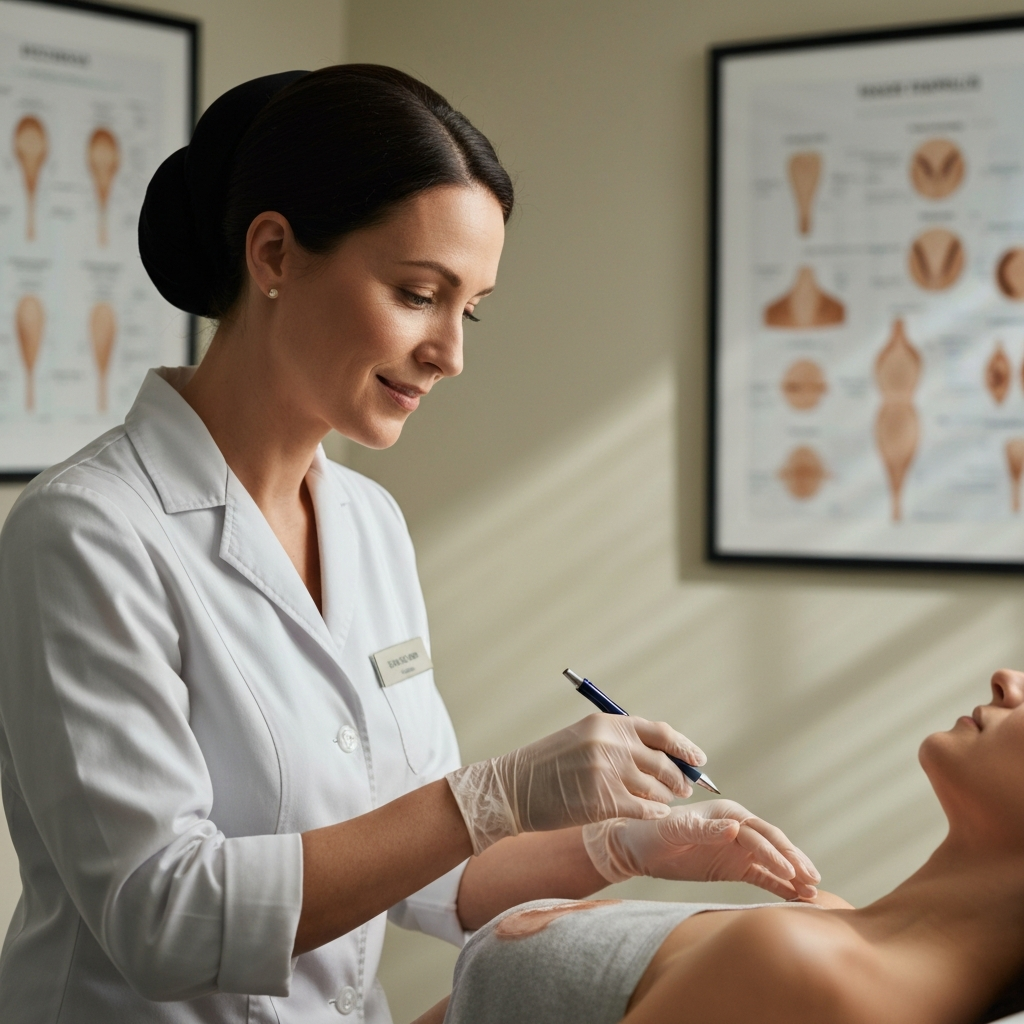
A consistent skincare routine is crucial for maintaining healthy, radiant skin. A basic routine should include cleansing, toning (optional), moisturizing, and sun protection. Cleanse your face twice daily to remove dirt, oil, and makeup. Choose a gentle cleanser that doesn't leave your skin feeling tight or dry. Apply a toner (if using) to balance your skin's pH levels. Follow with a moisturizer appropriate for your skin type to hydrate and nourish your skin. Finally, apply a broad-spectrum sunscreen with an SPF of 30 or higher every morning, even on cloudy days. Neglecting sunscreen is a major mistake that accelerates aging and increases the risk of skin cancer. Consider incorporating targeted treatments like serums with antioxidants or retinoids at night to address specific concerns like wrinkles or hyperpigmentation.

3. Mastering Basic Grooming Habits
Grooming extends beyond skincare and encompasses practices like hair care, nail care, and oral hygiene. Regularly washing and conditioning your hair keeps it clean, healthy, and manageable. Trim your nails regularly and keep them clean. Invest in quality nail clippers and a file. Pay attention to your oral hygiene by brushing your teeth twice daily and flossing once a day. Consider using mouthwash for extra freshness. For men, grooming may also involve shaving or beard maintenance. Find a shaving routine that minimizes irritation and ingrown hairs. Invest in quality shaving products and tools. Neglecting these basic grooming habits can negatively impact your overall appearance and hygiene.

4. Defining Your Personal Style
Defining your personal style is an ongoing process of self-discovery. Start by identifying the colors, patterns, silhouettes, and fabrics that you feel most comfortable and confident in. Consider your lifestyle and the types of activities you engage in. Do you need professional attire for work, casual clothes for weekends, or both? Look to fashion magazines, blogs, and social media for inspiration, but don't blindly follow trends. Focus on adapting elements that resonate with your personal taste and body type. Experiment with different styles and combinations to find what works best for you. Building a mood board or Pinterest board can be a helpful way to visualize your style and identify common themes.

5. Building a Versatile Wardrobe
A versatile wardrobe is one that can be easily adapted to different occasions and seasons. Start by investing in classic, high-quality pieces that can be mixed and matched. These may include a well-fitting blazer, a classic button-down shirt, a pair of dark-wash jeans, a little black dress (for women), and comfortable shoes. Choose neutral colors that are easy to coordinate. Add pops of color and personality with accessories like scarves, jewelry, and belts. Consider your body type when selecting clothing. Choose silhouettes that flatter your figure and highlight your best features. Don't be afraid to shop second-hand or consignment stores for unique and affordable finds. A common mistake is buying trendy items that quickly go out of style.

6. Accessorizing Strategically
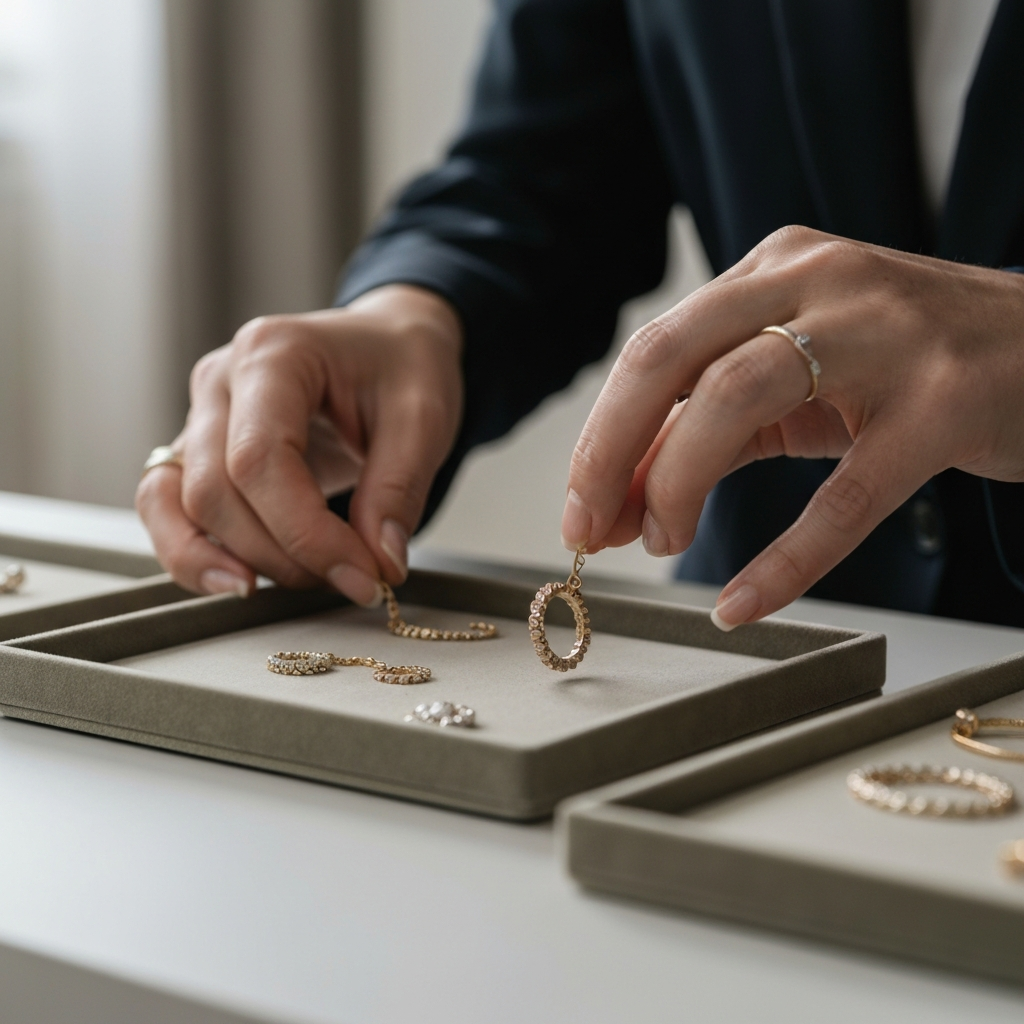
Accessories are the finishing touches that can elevate your outfit and express your personal style. Choose accessories that complement your clothing and enhance your overall look. Consider your face shape, skin tone, and body type when selecting jewelry. A statement necklace can draw attention to your neckline, while a pair of earrings can frame your face. Scarves can add warmth, color, and texture to your outfit. Belts can define your waist and add structure to your silhouette. Shoes can make or break an outfit, so choose footwear that is both stylish and comfortable. Don't overdo it with accessories. A few well-chosen pieces are more effective than piling on too many items.
7. Maintaining Proper Hygiene
Beyond skincare and grooming, maintaining proper hygiene is crucial for overall health and well-being. Shower or bathe regularly to keep your body clean and fresh. Use deodorant or antiperspirant to control body odor. Wash your hands frequently, especially before eating and after using the restroom. Change your clothes regularly, especially after sweating or exercising. Pay attention to your personal hygiene in public spaces, such as avoiding touching your face and covering your mouth when coughing or sneezing. Good hygiene habits not only keep you clean and healthy but also demonstrate respect for yourself and others.

8. Hair Styling and Maintenance
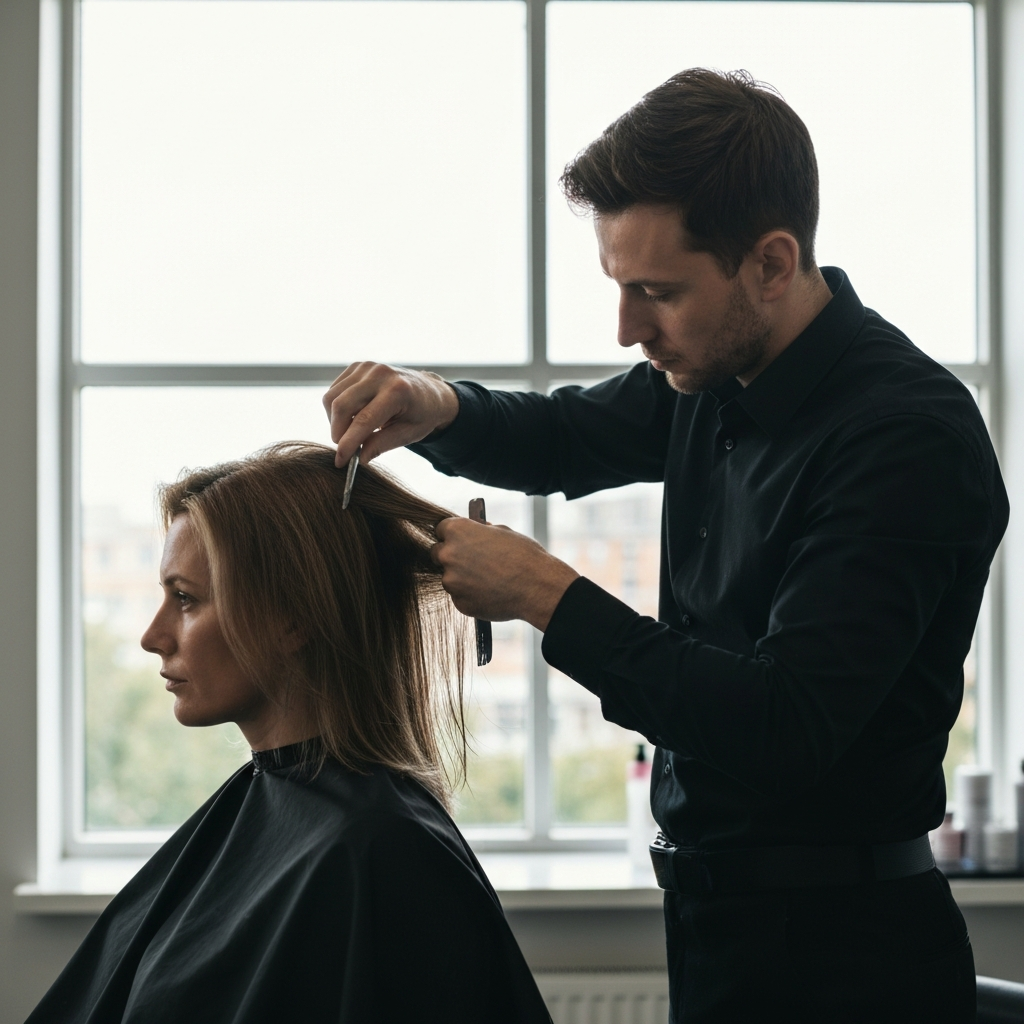
Your hairstyle can significantly impact your overall appearance. Experiment with different hairstyles to find one that suits your face shape, hair texture, and personal style. Consider consulting a hairstylist for professional advice and guidance. Regularly trim your hair to remove split ends and maintain its shape. Use quality hair products that are appropriate for your hair type. Avoid overusing heat styling tools, as they can damage your hair. Protect your hair from the sun and other environmental factors. If you color your hair, choose a color that complements your skin tone. A common mistake is neglecting hair care and allowing your hair to become dry, damaged, or unmanageable.
9. The Importance of Posture and Body Language
Good posture and confident body language can make a significant difference in how you are perceived. Stand tall with your shoulders back and your head up. Maintain eye contact when speaking to others. Smile genuinely and project a positive attitude. Avoid slouching or crossing your arms, as these can convey a lack of confidence. Practice good posture and body language in front of a mirror to become more aware of your habits. Consider taking a class on public speaking or presentation skills to improve your communication skills. Nonverbal communication is just as important as verbal communication, so pay attention to your body language and how it impacts your interactions with others.
10. Adapting to Different Occasions
Your personal care and style should be adapted to different occasions and settings. Dress appropriately for work, social events, and other activities. Consider the dress code and the overall atmosphere of the event. When in doubt, it's always better to err on the side of being slightly overdressed than underdressed. Pay attention to the details, such as your shoes, accessories, and grooming. For formal events, consider hiring a professional hairstylist or makeup artist. For casual events, keep your look simple and comfortable. Remember that your personal care and style should reflect your respect for the occasion and the people you are with.
Tools or Materials Required
- Skincare products: Cleanser, toner, moisturizer, sunscreen, serums
- Grooming tools: Nail clippers, file, razor, shaving cream
- Hair care products: Shampoo, conditioner, styling products
- Makeup (optional): Foundation, concealer, eyeshadow, mascara, lipstick
- Accessories: Jewelry, scarves, belts, shoes
Common Mistakes to Avoid
- Neglecting sunscreen
- Using harsh skincare products
- Following trends blindly
- Over-accessorizing
- Poor hygiene
Safety Considerations
- Always patch-test new skincare products before applying them to your entire face.
- Be careful when using sharp grooming tools like razors and clippers.
- Protect your skin from the sun by wearing sunscreen and protective clothing.
- Avoid sharing personal care items like makeup brushes and razors.
Pro Tips
- Invest in high-quality products and tools.
- Consult with professionals for personalized advice.
- Experiment with different styles and techniques.
- Be confident and embrace your individuality.
- Prioritize comfort and functionality.
FAQ Section
Q: How often should I wash my hair?
A: The frequency of hair washing depends on your hair type and lifestyle. Oily hair may need to be washed daily, while dry hair may only need to be washed a few times a week.
Q: How can I find my perfect foundation shade?
A: Test different foundation shades on your jawline in natural light. The shade that disappears into your skin is the best match.
Q: What is the best way to prevent wrinkles?
A: Sunscreen is the best way to prevent wrinkles. Also, incorporate anti-aging ingredients like retinol and vitamin C into your skincare routine.
Conclusion
Mastering personal care and style is a journey of self-discovery and continuous improvement. By understanding your skin type, establishing a consistent routine, defining your personal style, and adapting to different occasions, you can create a look and feel that reflects your unique personality and empowers you to feel confident and comfortable in your own skin. Remember to prioritize hygiene, maintain good posture, and embrace your individuality. Personal care and style are not about perfection; they are about self-expression and self-respect.