Have you ever heard that showering right after a meal can cause indigestion? It’s a common belief, passed down through generations. But is there any scientific truth to this claim? Many of us enjoy a refreshing shower, but the timing, especially in relation to mealtimes, can raise questions. This guide delves into the potential effects of showering after eating, providing expert insights to help you make informed decisions about your post-meal routine.
While there's no definitive danger, some argue that showering immediately after eating can disrupt your digestive process. The primary concern revolves around how your body prioritizes blood flow. During digestion, blood is directed towards your digestive system to aid in nutrient absorption. A hot shower, on the other hand, encourages blood flow towards the skin. The theory is that this shift in blood flow could potentially hinder digestion, leading to discomfort. But how much of this is fact, and how much is myth?
This comprehensive guide will explore the science (or lack thereof) behind this claim. We'll examine the potential effects of showering after eating, the ideal wait time, and other activities to avoid after a meal. By the end of this guide, you'll have a clear understanding of whether or not you need to rethink your shower schedule.
Step 1: Understanding the Potential Impact on Digestion
The Science (or Lack Thereof) Behind the Claim
While rigorous scientific studies directly examining the effects of showering after eating are limited, the underlying concern is rooted in basic physiology. After you eat, your digestive system kicks into high gear, requiring increased blood flow to the stomach and intestines to process food and absorb nutrients. The argument is that a hot shower might redirect blood flow towards the skin, potentially slowing down digestion and leading to discomfort like bloating or cramping. However, the extent to which this actually occurs and the severity of its impact can vary greatly from person to person.

Step 2: Potential Effects of Showering After a Meal
Digestive Discomfort and Other Considerations
While the risks are generally low, showering too soon after eating may, in some individuals, contribute to digestive issues. Some people report experiencing indigestion, bloating, cramping, or even mild nausea. The reasoning is that reduced blood flow to the digestive organs can impair their ability to efficiently process food. Additionally, the increased body temperature from a hot shower might, in theory, exacerbate these effects, although this is more of a theoretical concern than a proven phenomenon. Also, be aware that consuming very hot or spicy foods immediately before showering may amplify any potential discomfort due to the combined effects on body temperature and blood flow.

Step 3: Determining the Ideal Wait Time
How Long Should You Wait?
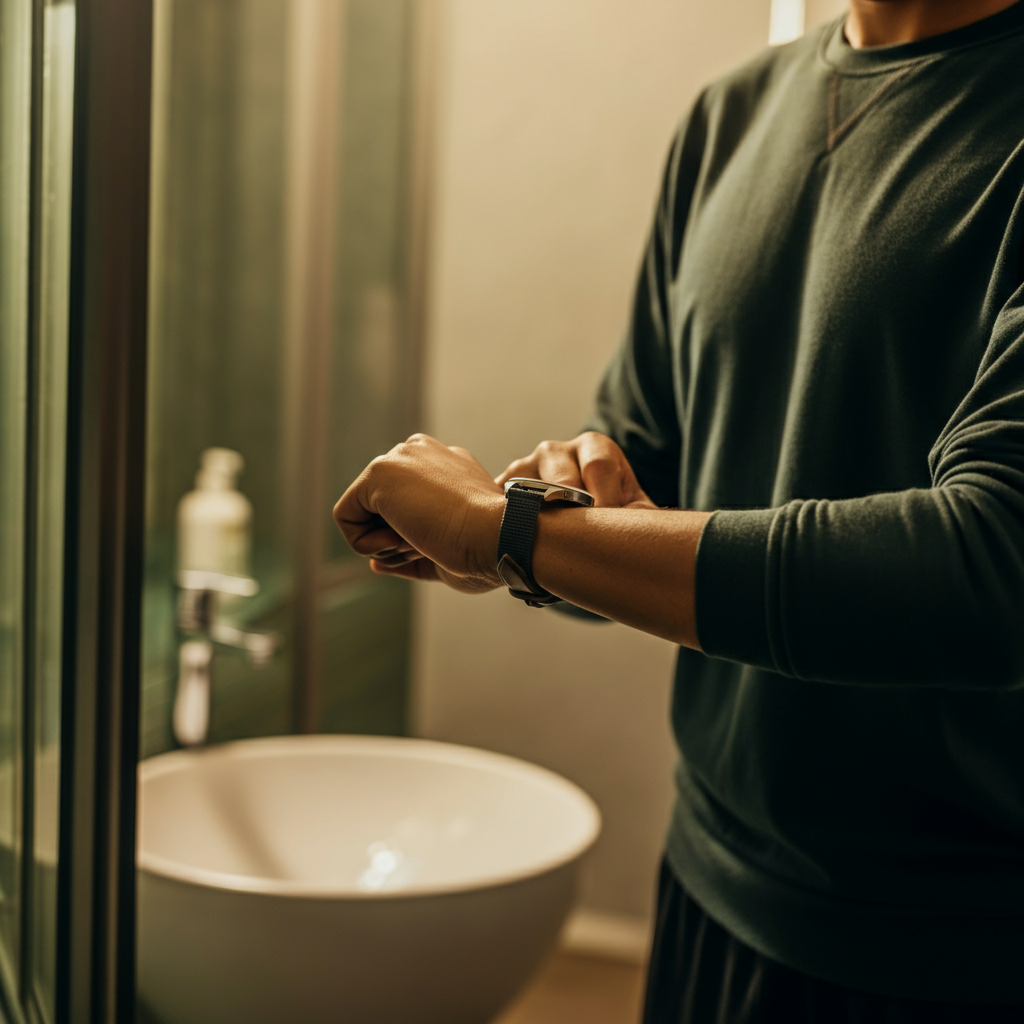
If you’re concerned about potential digestive issues, waiting before showering after a meal is a sensible precaution. A general guideline is to wait at least 30 to 60 minutes after eating before taking a shower. This allows the initial stages of digestion to occur without the potential interference of altered blood flow. However, the optimal wait time can vary depending on the size and composition of your meal. A large, heavy meal, particularly one high in fats, may require a longer waiting period compared to a light snack. Listen to your body and adjust the waiting time accordingly.
Step 4: Cold vs. Hot Showers: Does Temperature Matter?
Considering Shower Temperature
While the primary concern is blood flow, shower temperature can also play a role. Some believe that cold showers are better after eating because they may not cause the same redirection of blood flow as hot showers. However, there is little evidence to support this claim, and cold showers can actually constrict blood vessels, potentially hindering digestion. Lukewarm showers are likely the safest option, as they are less likely to significantly alter blood flow or body temperature. Ultimately, the best approach is to choose a shower temperature that feels comfortable for you and doesn't cause any noticeable digestive discomfort.
Step 5: Other Activities to Avoid After Eating
Beyond Showering: Activities That Can Affect Digestion
Showering isn't the only activity that can potentially impact digestion. Other activities that may require increased blood flow to specific areas of the body or that can disrupt the digestive process include strenuous exercise and immediately lying down after eating. Strenuous exercise, like showering, can divert blood flow away from the digestive system. Lying down immediately after eating can contribute to heartburn and indigestion, as it makes it easier for stomach acid to flow back up into the esophagus. Give your body some time to digest your food before engaging in these activities.

Common Mistakes to Avoid
- Showering immediately after a very large meal: Give your body more time to process a large meal before showering.
- Ignoring your body's signals: If you consistently experience digestive discomfort after showering, adjust your routine accordingly.
- Assuming cold showers are always better: Cold showers can also affect blood flow and may not be ideal for everyone.
FAQ Section
- Q: Is it dangerous to shower after eating?
A: No, it's generally not dangerous, but it might cause mild digestive discomfort for some individuals.
- Q: Does the type of food I eat matter?
A: Yes, large, fatty meals may require a longer waiting period before showering compared to light snacks.
- Q: What if I have a medical condition?
A: If you have any underlying medical conditions, such as digestive disorders or heart problems, consult with your doctor before making significant changes to your routine.
Conclusion
While the idea of showering immediately after eating being harmful is largely anecdotal, it's wise to be mindful of your body's signals. Waiting 30 to 60 minutes after a meal before showering is a reasonable precaution, especially if you’re prone to digestive discomfort. Consider the size and type of meal you've eaten, and opt for a lukewarm shower to minimize potential disruptions. By understanding the potential impact on digestion and making informed choices, you can maintain a comfortable and healthy routine.