Stage presence, that captivating quality that draws an audience in, isn't a mystical gift bestowed upon a chosen few. It's a skill honed through practice, self-awareness, and a genuine connection with your material and audience. Whether you're a seasoned performer or just starting out, understanding the fundamentals of stage presence is crucial for delivering impactful performances.
This guide provides a structured approach to developing your stage presence, breaking down essential elements into manageable steps. We'll explore techniques for commanding attention, projecting confidence, and connecting authentically with your audience. Remember, stage presence is about being present, both physically and emotionally, in the moment.
Developing a commanding stage presence takes time and dedicated effort. But with consistent practice and a willingness to step outside your comfort zone, you can unlock your inner star and leave a lasting impression on your audience.
Step 1: Mastering Your Posture
The Foundation of Confidence
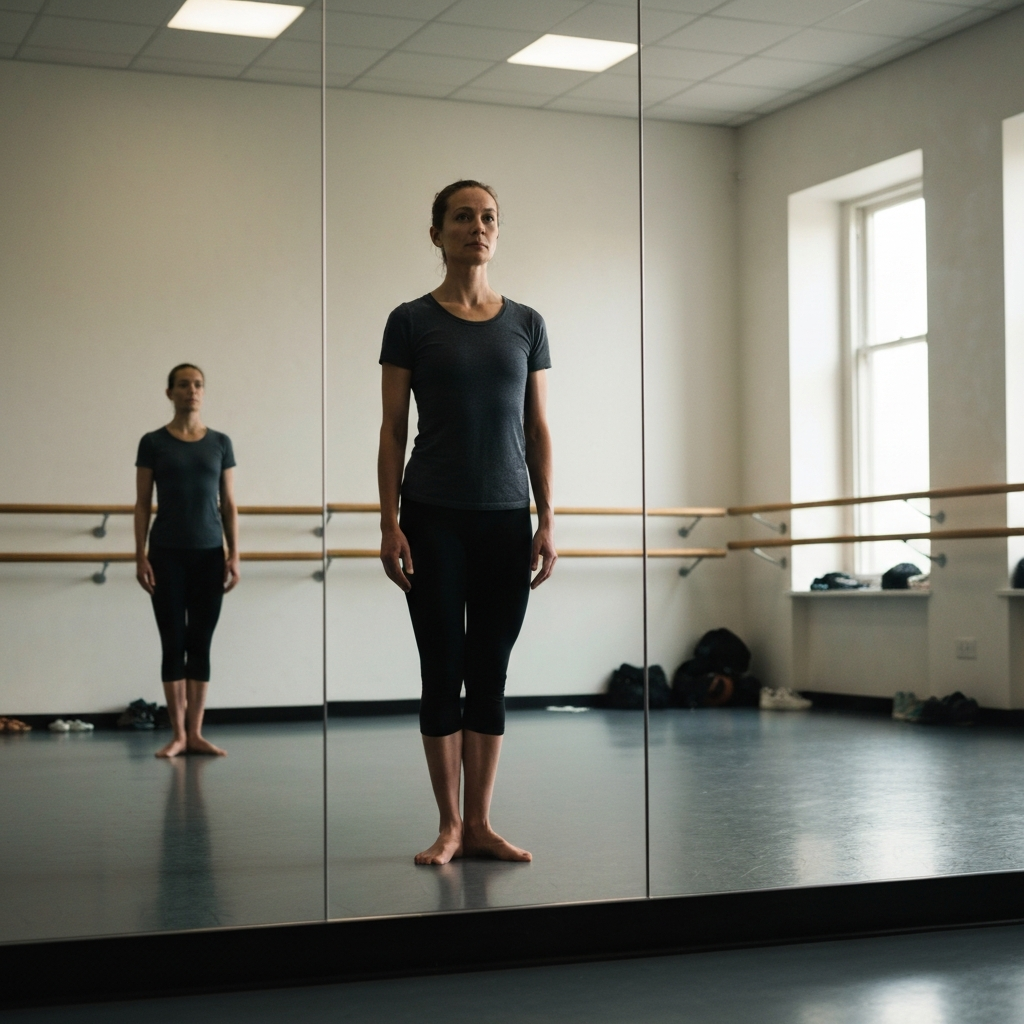
Posture is the bedrock of your stage presence. Good posture not only projects confidence but also allows you to breathe properly, which is essential for vocal projection and managing nerves. Stand tall with your shoulders relaxed and your weight evenly distributed. Imagine a string pulling you upwards from the crown of your head.
While maintaining good posture is key, avoid becoming stiff or robotic. Focus on finding a balance between a confident stance and a natural, relaxed demeanor. Practice in front of a mirror, paying attention to how your posture affects your overall appearance and confidence. Experiment with different stances to find what feels most comfortable and natural for you.
Step 2: Engaging with Eye Contact
Connecting with Your Audience
Eye contact is a powerful tool for forging a connection with your audience. Avoid scanning the room aimlessly. Instead, make deliberate eye contact with individuals throughout the audience. Hold their gaze for a few seconds before moving on to another person. This creates a sense of intimacy and makes each audience member feel seen and acknowledged.
If you're feeling nervous, it can be tempting to avoid eye contact altogether. However, this can make you appear distant and uninterested. Start by focusing on people in the back row or those who appear friendly and receptive. Gradually increase the duration of your eye contact as you become more comfortable. Remember, genuine eye contact communicates sincerity and confidence.

Step 3: Utilizing Gestures and Movement
Adding Emphasis and Energy
Gestures and movement can enhance your performance and add visual interest. However, it's crucial to use them purposefully and avoid distracting habits like fidgeting or pacing aimlessly. Use your hands to emphasize key points, open your arms to express enthusiasm, and move around the stage to engage different sections of the audience.
Practice your gestures and movements beforehand to ensure they feel natural and authentic. Avoid repetitive or exaggerated gestures that can detract from your message. Film yourself practicing to identify any distracting habits and refine your movements. Think about how your movements can support the emotions and ideas you're conveying.

Step 4: Controlling Your Voice
Projection, Pace, and Clarity
Your voice is your primary instrument for communicating with your audience. Mastering vocal projection, pace, and clarity is essential for delivering a compelling performance. Speak clearly and project your voice so that everyone in the audience can hear you. Vary your pace to maintain interest and emphasize important points. Avoid speaking in a monotone or rushing through your material.
Practice vocal exercises to improve your projection and articulation. Record yourself speaking and listen back to identify areas for improvement. Pay attention to your breathing and take pauses to gather your thoughts and allow the audience to process your message. Varying your vocal tone can also add depth and emotion to your performance.

Step 5: Embracing the Pause
The Power of Silence
Sometimes, the most powerful thing you can do on stage is nothing at all. Embracing the pause allows you to create anticipation, emphasize key points, and give the audience time to absorb your message. Don't be afraid to pause for a few seconds after making a significant statement or asking a question. The silence can be incredibly impactful.
Many performers fear silence, but it's a valuable tool for creating dramatic effect. Practice incorporating pauses into your performance and observe how they affect the audience's reaction. Be mindful of your body language during pauses. Maintain eye contact and remain present in the moment. The pause is an opportunity to connect with the audience on a deeper level.

Common Mistakes to Avoid
- Fidgeting: Avoid tapping your feet, playing with your hair, or fidgeting with your hands. These nervous habits can distract the audience.
- Monotone Voice: Vary your pitch, pace, and volume to keep the audience engaged.
- Avoiding Eye Contact: Make deliberate eye contact with individuals throughout the audience.
- Pacing Aimlessly: Move with purpose and intention. Avoid pacing back and forth without a clear reason.
- Rushing Through Your Material: Take your time and allow the audience to absorb your message.
Pro Tips
- Record Yourself: Regularly record your rehearsals to identify areas for improvement.
- Seek Feedback: Ask trusted friends, colleagues, or mentors for constructive criticism.
- Study Other Performers: Observe performers you admire and analyze their stage presence.
- Practice Mindfulness: Before going on stage, take a few deep breaths and focus on being present in the moment.
- Believe in Yourself: Confidence is contagious. Believe in your ability to deliver a compelling performance.
Conclusion
Developing stage presence is an ongoing journey of self-discovery and refinement. By mastering your posture, engaging with eye contact, utilizing gestures and movement, controlling your voice, and embracing the pause, you can unlock your inner star and captivate your audience. Remember, authenticity and genuine connection are the keys to a truly compelling performance. Keep practicing, seeking feedback, and refining your skills, and you'll be well on your way to commanding attention and leaving a lasting impression.