Many believe that artistic talent is something you're born with, a lucky draw in the genetic lottery. This simply isn't true. While some might have a natural inclination towards certain art forms, the capacity to create and express oneself artistically exists within everyone. The key is unlocking that potential, shedding inhibitions, and embracing the journey of exploration and discovery.
This guide is designed to help you tap into your inner artist, regardless of your current skill level or perceived lack thereof. We'll explore practical techniques, mindset shifts, and creative exercises that will empower you to create art that is authentic and meaningful to you. Forget about perfection; focus on the process and the joy of creation.
Remember, art is subjective. There's no right or wrong way to express yourself. So, are you ready to embark on this exciting adventure? Let's begin!
Step 1: Break Free from Limiting Beliefs
The first and most crucial step is to dismantle the negative self-talk and limiting beliefs that hold you back. Common culprits include the fear of failure, the belief that you're "not talented enough," or the comparison of your work to others. Recognize these thoughts as just that: thoughts, not facts. Challenge them by reminding yourself that everyone starts somewhere, and that the goal is not to create a masterpiece, but to simply express yourself.
Step 2: Choose Your Medium (and Don't Be Afraid to Experiment)
Selecting a medium is like choosing your instrument in an orchestra. It's the tool through which you'll translate your ideas into tangible form. The possibilities are vast: painting (acrylics, watercolors, oils), drawing (pencil, charcoal, pastels), sculpting (clay, wood, metal), digital art (tablets, software), photography, collage, mixed media – the list goes on. Don't limit yourself to just one. Experiment with different mediums to see which resonates most with you and allows you to express yourself most effectively.

Step 3: Start Small and Practice Regularly
Rome wasn't built in a day, and neither is artistic skill. Don't overwhelm yourself by trying to create a grand masterpiece right away. Start with small, manageable projects. A quick sketch, a simple watercolor wash, or a short digital painting can be a great starting point. The key is consistency. Aim to practice regularly, even if it's just for 15-30 minutes each day. Consistent practice will help you develop your skills, build confidence, and overcome creative blocks.
Step 4: Embrace Imperfection and Focus on the Process
One of the biggest obstacles to creative expression is the pursuit of perfection. Art is not about flawless execution; it's about experimentation, exploration, and self-expression. Embrace mistakes as opportunities for learning and growth. Don't be afraid to try new techniques, even if you're not sure they'll work. Focus on the process of creating, rather than the final product. Enjoy the journey, and let go of the need for perfection.
Step 5: Seek Inspiration and Learn from Others
Inspiration is all around us. Look to nature, music, literature, films, and the work of other artists for ideas. Visit art museums, browse online galleries, and read books on art history and technique. Don't be afraid to learn from others, but avoid simply copying their style. Use their work as a springboard for your own creative exploration. Consider taking art classes or workshops to learn new skills and connect with other artists.
Step 6: Develop Your Unique Style
As you continue to practice and experiment, you'll begin to develop your own unique style. This is the way you express yourself artistically, the way you interpret the world around you. Don't force it; let it emerge naturally. Your style will be influenced by your personality, your experiences, and your preferences. Embrace your individuality and don't be afraid to be different. The world needs your unique perspective.
Step 7: Share Your Work and Seek Feedback (But Be Selective)
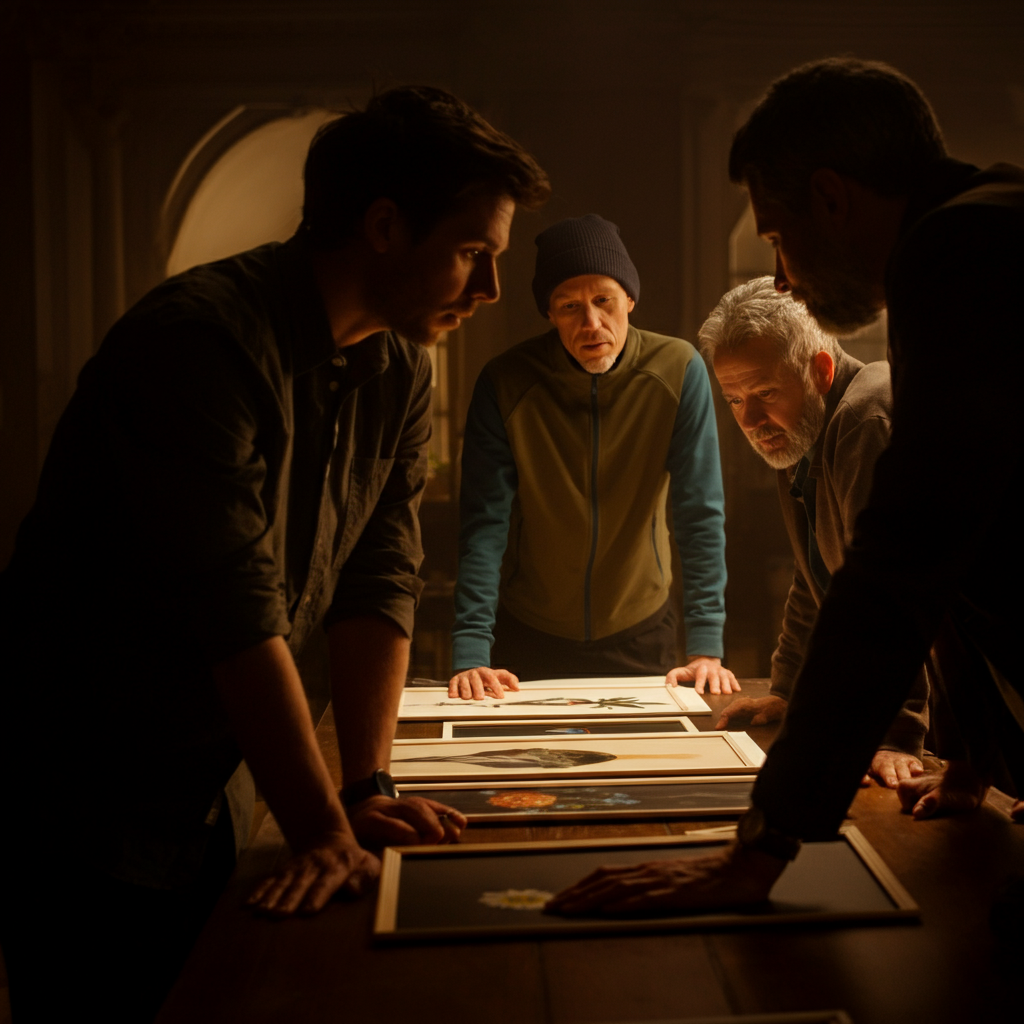
Sharing your work with others can be a rewarding experience, but it can also be intimidating. Choose your audience carefully. Start by sharing your art with trusted friends, family members, or fellow artists who can provide constructive criticism. Be open to feedback, but don't take it personally. Remember, art is subjective, and not everyone will appreciate your style. Use feedback to identify areas for improvement, but ultimately, stay true to your artistic vision.
Common Mistakes to Avoid
- Comparing yourself to others.
- Trying to be perfect.
- Giving up too easily.
- Not seeking feedback.
- Ignoring your own creative voice.
Pro Tips
- Set realistic goals.
- Create a dedicated workspace.
- Experiment with different materials and techniques.
- Find a mentor or join an art community.
- Be patient and persistent.
FAQ Section
- Q: I don't have any talent. Can I still learn to create art?
- A: Absolutely! Talent is often overrated. With practice, dedication, and the right guidance, anyone can develop their artistic skills.
- Q: What if I'm afraid of failing?
- A: Failure is a part of the learning process. Embrace it as an opportunity to grow and improve. Don't let fear hold you back.
- Q: How do I find my artistic style?
- A: Your style will emerge naturally as you experiment and explore different techniques and mediums. Don't force it; let it develop organically.
Conclusion
Unleashing your inner artist is a journey of self-discovery and creative exploration. It requires patience, dedication, and a willingness to embrace imperfection. By breaking free from limiting beliefs, experimenting with different mediums, practicing regularly, and seeking inspiration from others, you can tap into your artistic potential and create art that is authentic and meaningful to you. Remember, the most important thing is to enjoy the process and express yourself freely.