The allure of a thriving garden isn't limited to expensive pots and pristine soil. Many common household items, destined for the landfill, can be reborn as functional and aesthetically pleasing additions to your green space. Upcycling breathes new life into discarded materials, reducing waste and adding a unique, personal touch to your garden. This guide will walk you through the process of transforming everyday trash into garden treasure, empowering you to create a sustainable and beautiful outdoor oasis.
From old tires to plastic bottles, the possibilities are endless. Not only does upcycling save you money, but it also contributes to a healthier planet by reducing your carbon footprint and minimizing landfill waste. Embrace the opportunity to get creative and transform your trash into something truly special. Let's delve into the world of upcycled gardening and discover how to turn discarded items into flourishing plant havens.
This isn't just about repurposing; it's about reimagining. Prepare to look at your trash in a completely new light!
Step-by-Step Guide to Upcycling for Your Garden
-
Step 1: Transforming Plastic Bottles into Self-Watering Planters
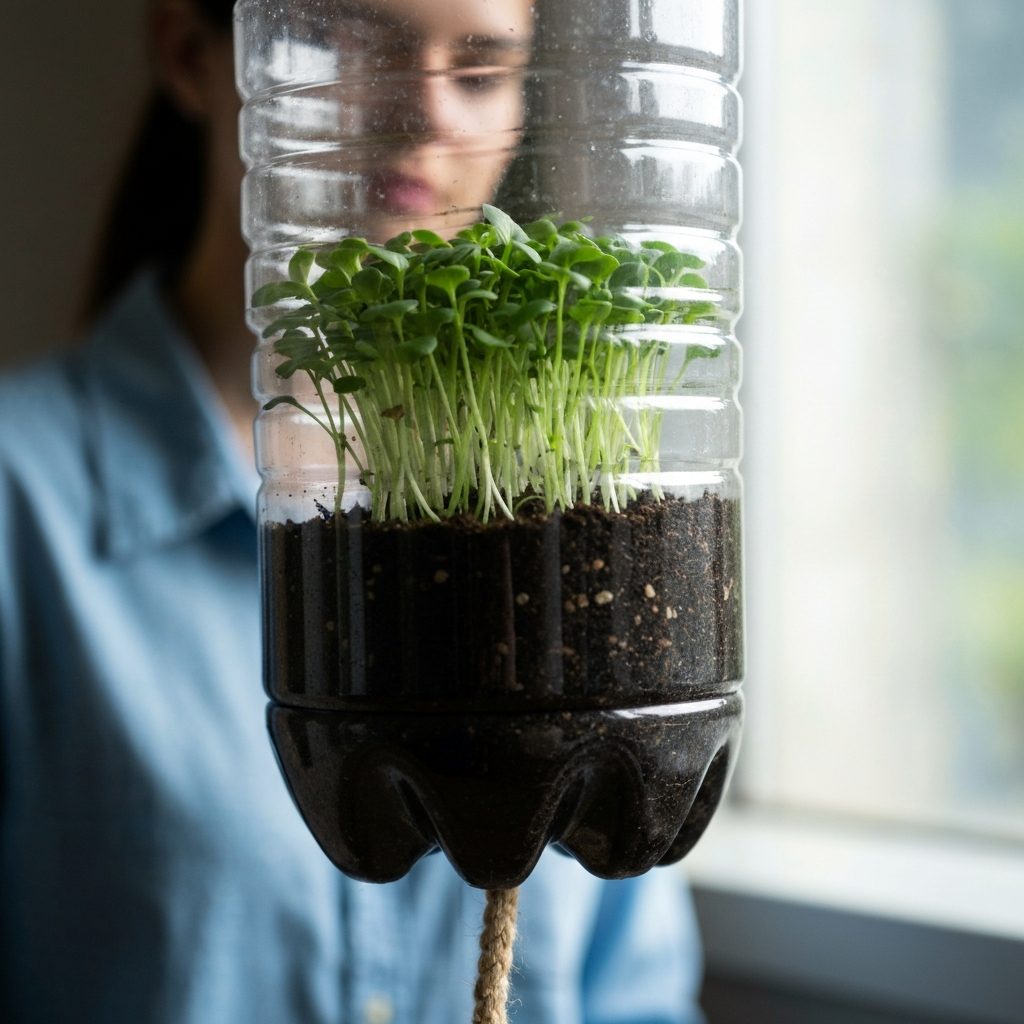
Plastic bottles are abundant and readily available, making them an excellent starting point for upcycling. Converting them into self-watering planters is a simple yet effective way to keep your plants hydrated, especially during warmer months. To begin, choose a sturdy plastic bottle, ideally a 2-liter soda bottle or a similar size. Cut the bottle in half, roughly 2/3 from the top. Turn the top half upside down and nest it inside the bottom half. Now, you have a basic self-watering planter. The key to its functionality lies in the wicking action of a cotton rope or strip of fabric. Insert one end of the rope into the bottle's neck, allowing it to dangle into the water reservoir in the bottom half. The other end should be buried in the soil within the inverted top half.
-
Step 2: Creating Tire Planters for a Rustic Look
Old tires often end up discarded, contributing to environmental pollution. Instead, transform them into eye-catching planters that add a rustic charm to your garden. Start by thoroughly cleaning the tire. Consider painting it in bright colors to enhance its visual appeal and protect it from the elements. Once dry, place the tire in your desired location. You can leave it as is for a simple planter or stack multiple tires to create a tiered effect. For larger tires, ensure you have adequate drainage by drilling holes in the bottom. Fill the tire with quality potting soil and plant your favorite flowers, herbs, or vegetables. Be mindful of the tire's previous use. Avoid planting edible crops in tires that were used for heavy machinery or potentially exposed to harmful chemicals.

-
Step 3: Building a Pallet Garden for Vertical Growing
Wooden pallets are a fantastic resource for creating vertical gardens, especially in limited spaces. Locate a sturdy pallet and inspect it for any loose nails or splinters, removing them as needed. Sanding down the pallet can also improve its overall appearance and prevent injuries. Next, line the back and bottom of each section with landscape fabric or heavy-duty plastic sheeting, stapling it securely in place. This will create individual pockets for your plants. Fill each pocket with potting soil and plant your chosen herbs, flowers, or vegetables. Consider the weight of the soil and plants when selecting a location for your pallet garden. Ensure it's placed against a sturdy wall or fence for support.

-
Step 4: Repurposing Tin Cans into Herb Gardens
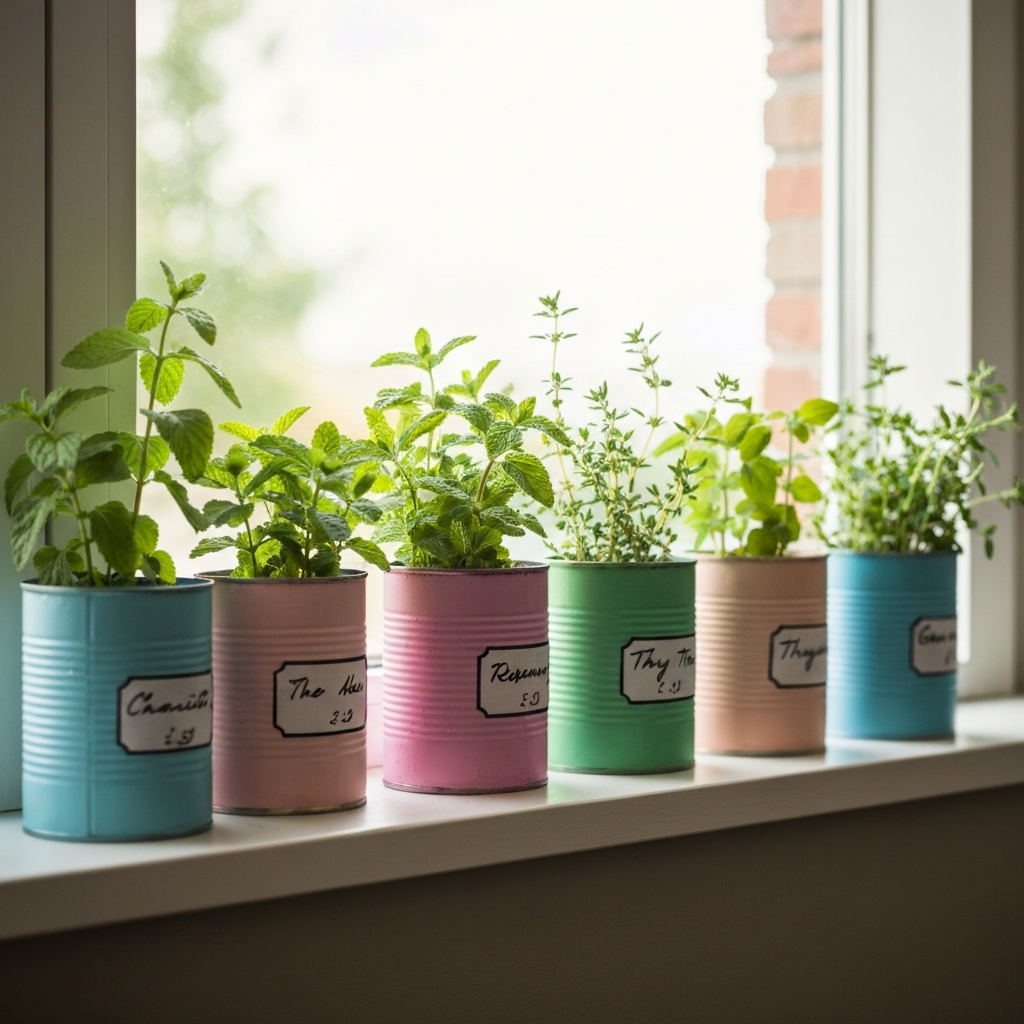
Tin cans, often discarded after single use, can be easily transformed into charming herb gardens. Remove any labels and thoroughly wash the cans with soap and water. Drill drainage holes in the bottom of each can to prevent waterlogging. You can leave the cans as is for a rustic look or paint them in your favorite colors and designs. Consider using food-safe paint if you plan to grow edible herbs. Fill the cans with potting soil and plant your chosen herbs. Arrange the cans on a windowsill, balcony, or patio, creating a miniature herb garden. Label each can with the name of the herb for easy identification.
Safety Considerations
When upcycling materials for your garden, prioritize safety. Wear gloves and eye protection when handling potentially sharp or dirty objects. Thoroughly clean any materials before using them, especially if they were previously used for storing chemicals or other hazardous substances. Be mindful of the structural integrity of your upcycled creations and ensure they are stable and secure. Always supervise children when they are helping with upcycling projects.
Tools or Materials Required
- Gloves
- Safety Glasses
- Drill with various sized bits
- Potting Soil
- Paints (optional)
- Landscape Fabric
- Staple Gun
- Scissors
- Cleaning Supplies (Soap, Water, Brush)
Common Mistakes to Avoid
A common mistake is neglecting proper drainage in upcycled planters. Ensure adequate drainage holes to prevent waterlogging and root rot. Another pitfall is using unsuitable materials that may leach harmful chemicals into the soil. Opt for food-safe paints and avoid using tires that were used for heavy machinery or exposed to hazardous materials when planting edible crops. Furthermore, consider the weight of your upcycled creations and ensure they are placed on stable surfaces.
FAQ Section
- What type of paint should I use for my upcycled planters?
- For planters used for edible plants, use food-safe paints. Otherwise, exterior-grade acrylic paints are a good choice for durability and weather resistance.
- How do I ensure proper drainage in my upcycled planters?
- Drill several drainage holes in the bottom of the planter. You can also add a layer of gravel or small stones at the bottom to improve drainage.
- Can I use any type of plastic bottle for self-watering planters?
- Sturdy plastic bottles, such as 2-liter soda bottles, are ideal. Avoid using thin, flimsy bottles that may collapse under the weight of the soil.
Turning trash into garden treasure is not only a sustainable practice but also a rewarding creative endeavor. By embracing upcycling, you can transform discarded materials into functional and aesthetically pleasing additions to your garden, saving money, reducing waste, and adding a unique, personal touch to your green space. Remember to prioritize safety, choose appropriate materials, and get creative with your designs. With a little imagination and effort, you can create a flourishing garden that reflects your commitment to sustainability and beauty.