Creating a beautiful and thriving garden doesn't have to drain your bank account or your water supply. In fact, designing a drought-resistant garden on a budget is entirely achievable with some careful planning, smart plant choices, and a little elbow grease. This guide will walk you through the essential steps, offering practical tips and tricks to transform your outdoor space into a stunning oasis that can withstand dry conditions without breaking the bank.
Many gardeners are intimidated by the prospect of xeriscaping (landscaping designed to reduce or eliminate the need for irrigation). However, the principles are surprisingly simple and can be adapted to various climates and aesthetic preferences. By focusing on native plants, efficient irrigation techniques, and water-wise landscaping practices, you can create a sustainable and visually appealing garden that's both environmentally friendly and budget-conscious.
This guide emphasizes resourcefulness and DIY solutions, ensuring that even novice gardeners can successfully implement these strategies. We'll cover everything from soil preparation to plant selection, helping you make informed decisions that will save you money and water in the long run. Get ready to roll up your sleeves and create the drought-resistant garden of your dreams!
Step 1: Assess Your Site and Plan Your Design
Before you even think about buying plants, take a good look at your garden space. Understanding your site's unique characteristics is crucial for success. Consider the amount of sunlight each area receives throughout the day, the type of soil you have (sandy, clay, loamy), and the natural drainage patterns. Note any existing structures or features that you want to incorporate into your design. Once you have a good grasp of your site's conditions, start sketching out a rough plan of your garden. Think about the overall layout, the placement of different plant groupings, and any hardscaping elements you want to include (paths, patios, rock features). Consider using graph paper or online garden planning tools to create a more detailed design.
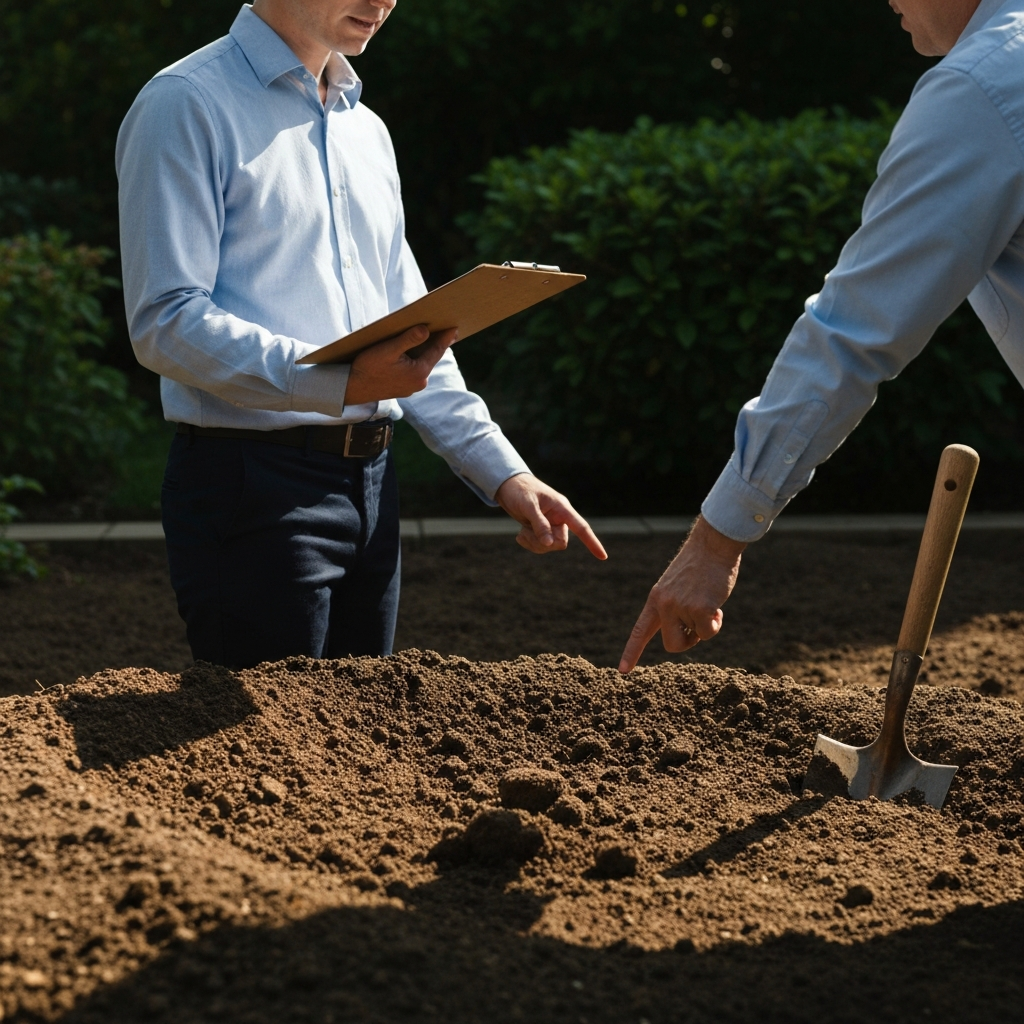
Step 2: Amend Your Soil for Optimal Drainage
Healthy soil is the foundation of any successful garden, especially a drought-resistant one. Most soils, especially those found in urban areas, benefit from amendments to improve drainage and water retention. Consider adding organic matter such as compost, well-rotted manure, or leaf mold to your soil. These amendments will help improve soil structure, allowing water to penetrate more easily and stay available to plant roots for longer. If you have heavy clay soil, adding coarse sand or gravel can also improve drainage. Avoid using excessive amounts of fertilizer, as this can actually increase the need for water.
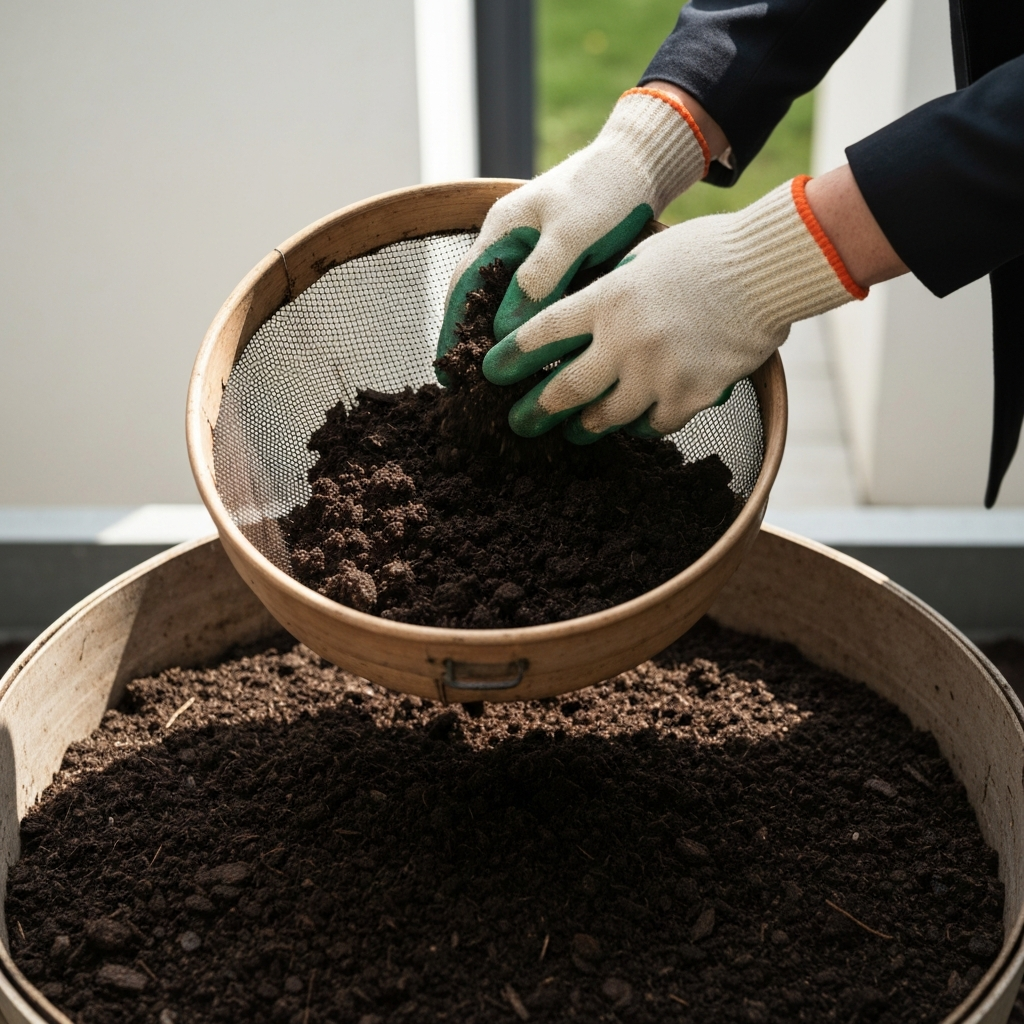
Step 3: Choose the Right Plants for Your Climate
Selecting drought-tolerant plants that are well-suited to your local climate is perhaps the most critical step in creating a water-wise garden. Native plants are often the best choice, as they are naturally adapted to the local conditions and require minimal watering once established. Research plants that thrive in your region and consider factors such as mature size, flowering time, and sun exposure requirements. Succulents, cacti, ornamental grasses, and many Mediterranean herbs are excellent choices for drought-resistant gardens. Look for smaller, less expensive starter plants and propagate them when possible. This will save you money in the long run.
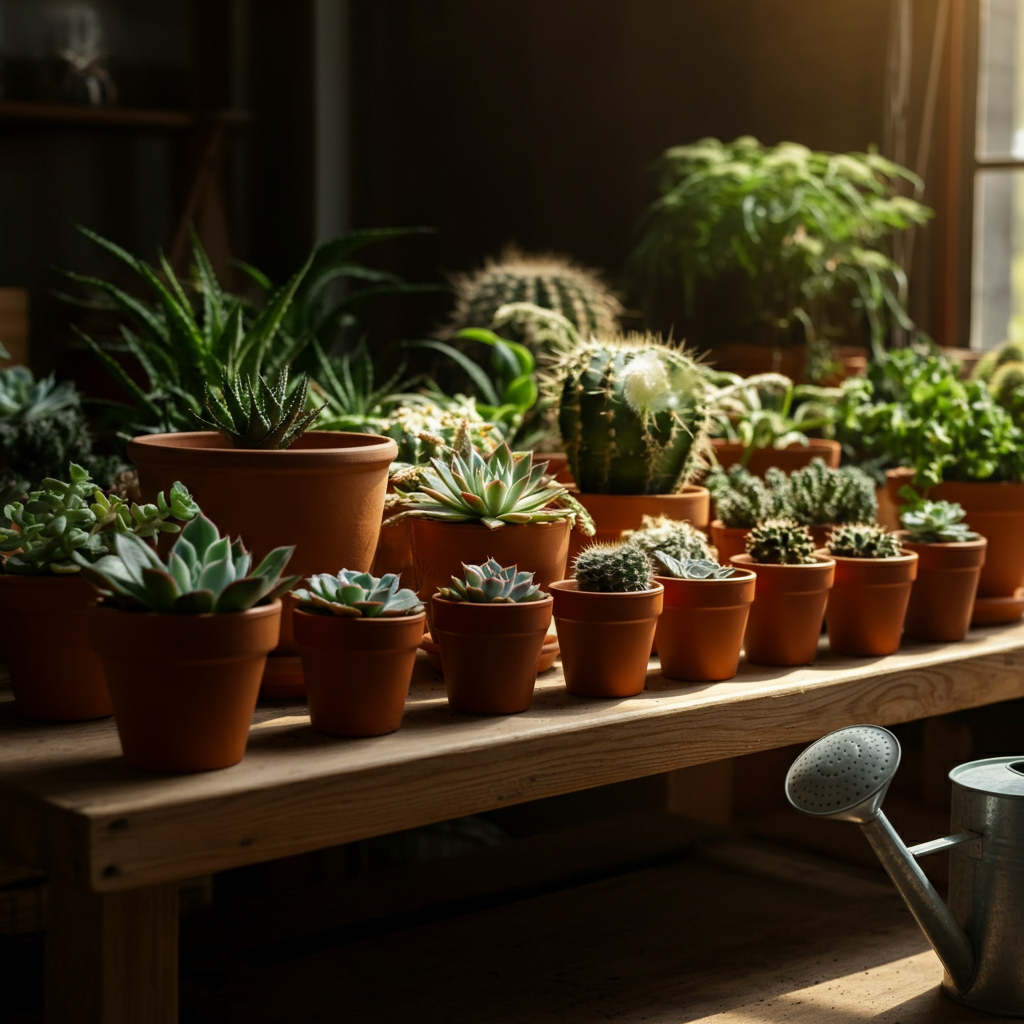
Step 4: Implement Efficient Irrigation Techniques
While drought-resistant plants require less water than traditional garden plants, they still need some irrigation, especially during the establishment phase. Drip irrigation and soaker hoses are the most efficient methods for delivering water directly to plant roots, minimizing water loss through evaporation. Consider installing a rain barrel to collect rainwater, which can then be used to irrigate your garden. Water deeply and infrequently, rather than shallowly and frequently. This encourages plants to develop deeper root systems, making them more resilient to drought conditions. Mulching around plants with organic materials such as wood chips or shredded bark can also help retain moisture in the soil and suppress weed growth.
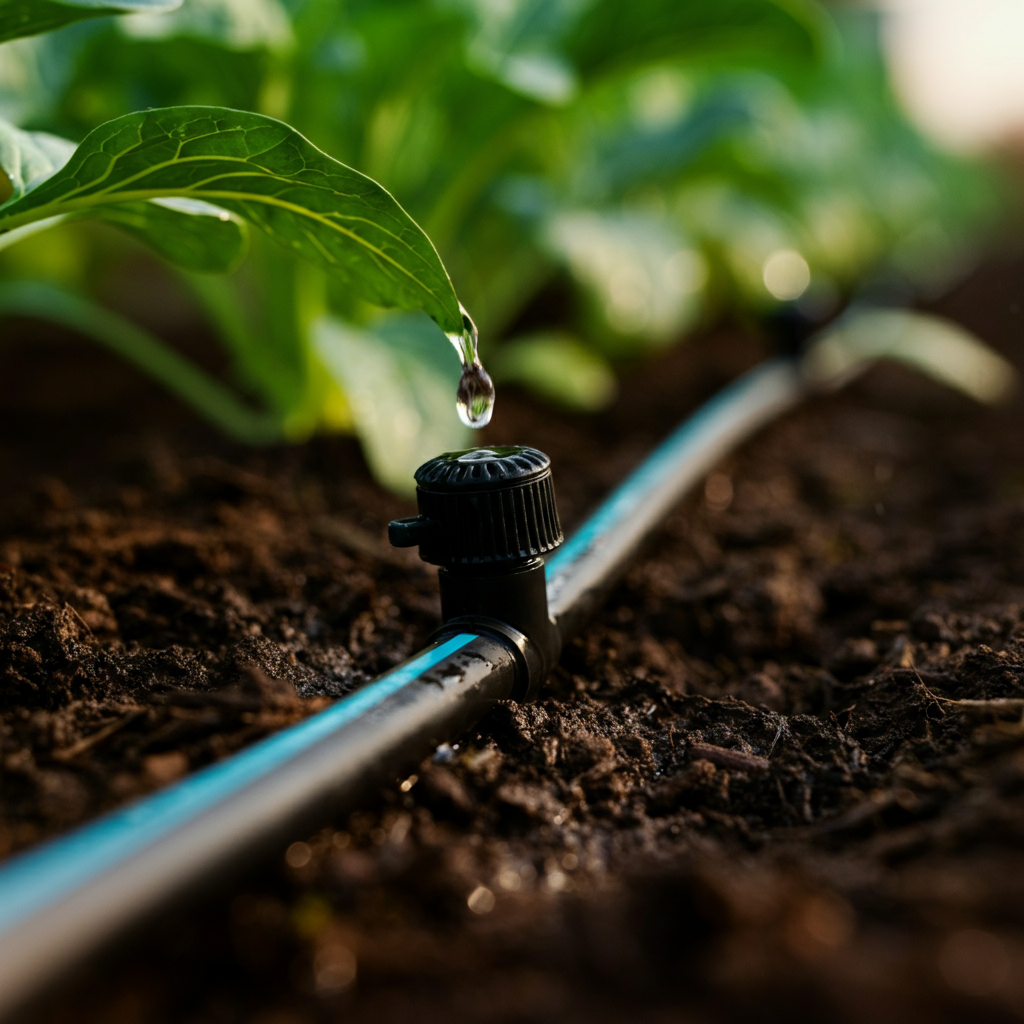
Step 5: Mulch Strategically
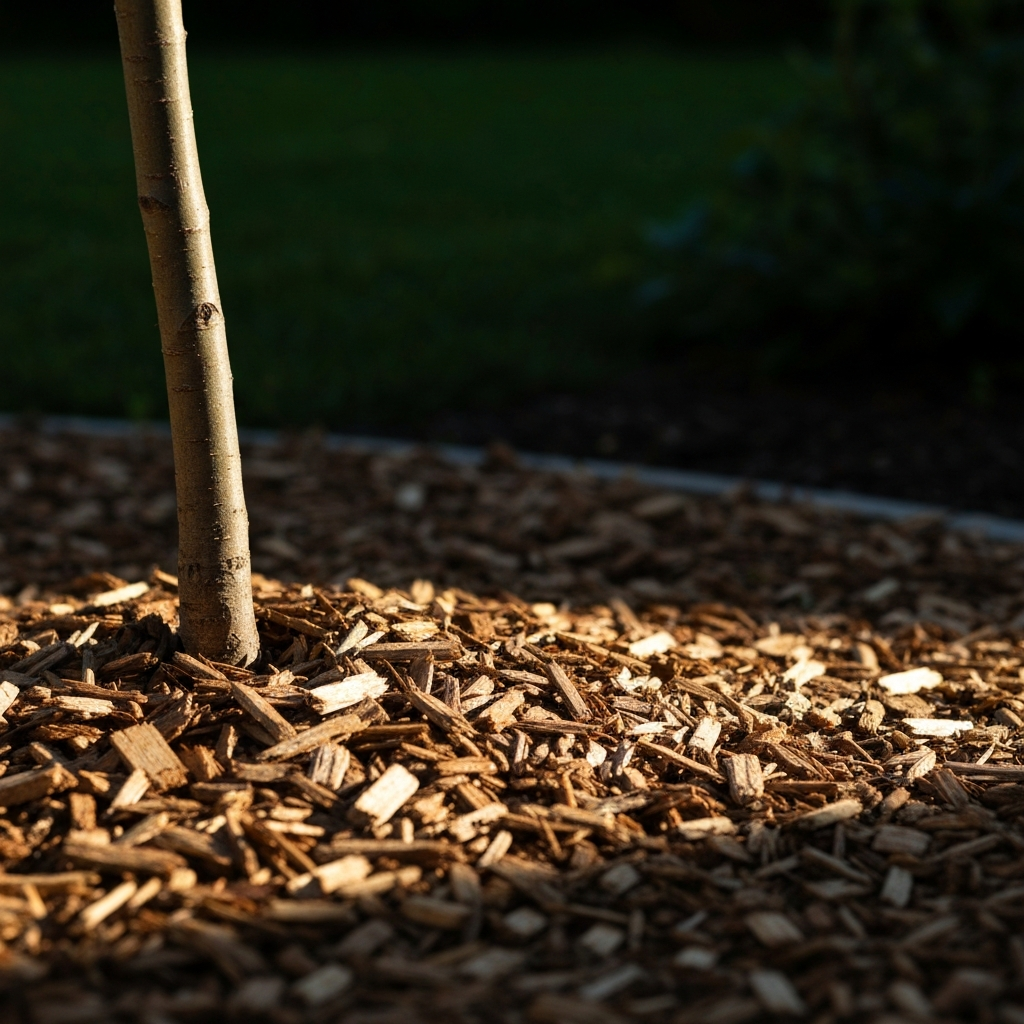
Mulch is your best friend in a drought-resistant garden. A generous layer of mulch (2-4 inches) helps retain soil moisture, suppress weeds, and regulate soil temperature. Organic mulches like wood chips, bark, shredded leaves, and pine straw are excellent choices, as they also decompose over time and enrich the soil. Avoid using inorganic mulches like rocks in areas with intense sun, as they can heat up the soil and stress plants. Replenish mulch as needed to maintain a consistent layer.
Step 6: Group Plants with Similar Water Needs
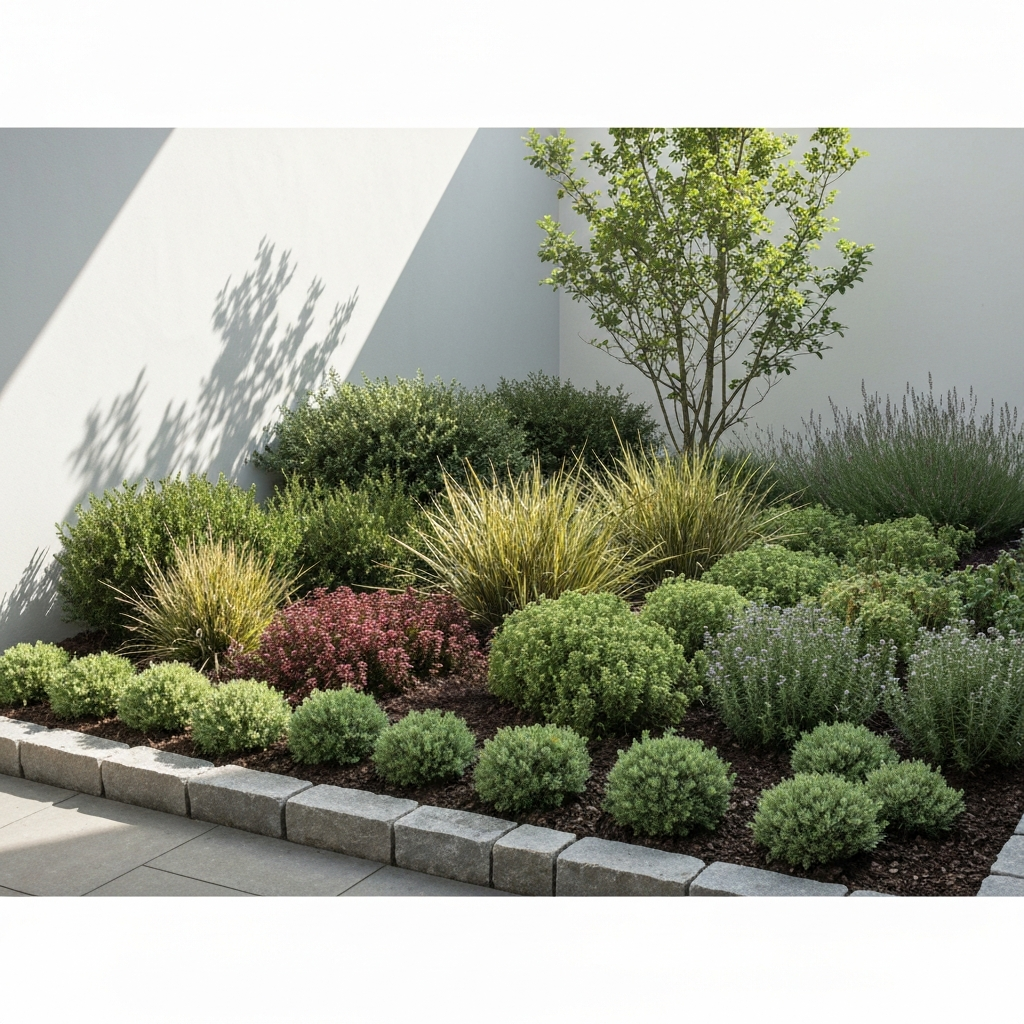
To maximize water efficiency, group plants with similar water requirements together. This allows you to water specific areas of your garden according to the needs of the plants in that zone. This practice, known as hydrozoning, prevents overwatering some plants while underwatering others. Place drought-tolerant plants in areas with less access to water and plants that require more moisture in areas where you can easily provide supplemental irrigation. Consider creating microclimates within your garden to accommodate different plant needs.
Step 7: Embrace Xeriscaping Principles in Hardscaping
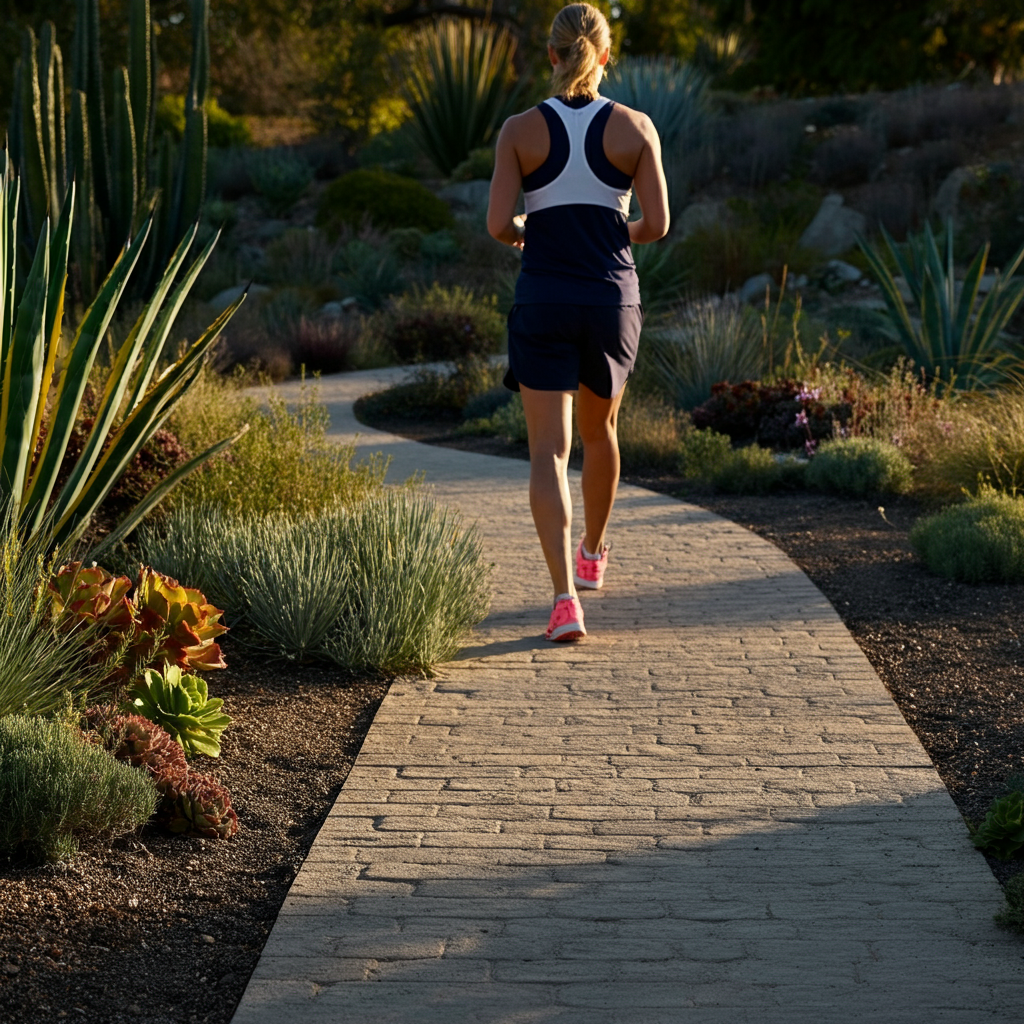
Hardscaping elements can play a significant role in creating a drought-resistant garden. Choose permeable paving materials for paths and patios to allow rainwater to infiltrate the soil. Incorporate rock features such as dry-stacked walls or rock gardens to create visual interest and provide habitat for beneficial insects. Use gravel or decomposed granite as ground cover in areas where you don't want to plant anything. These materials are low-maintenance and help prevent weed growth.
Step 8: Collect and Utilize Rainwater
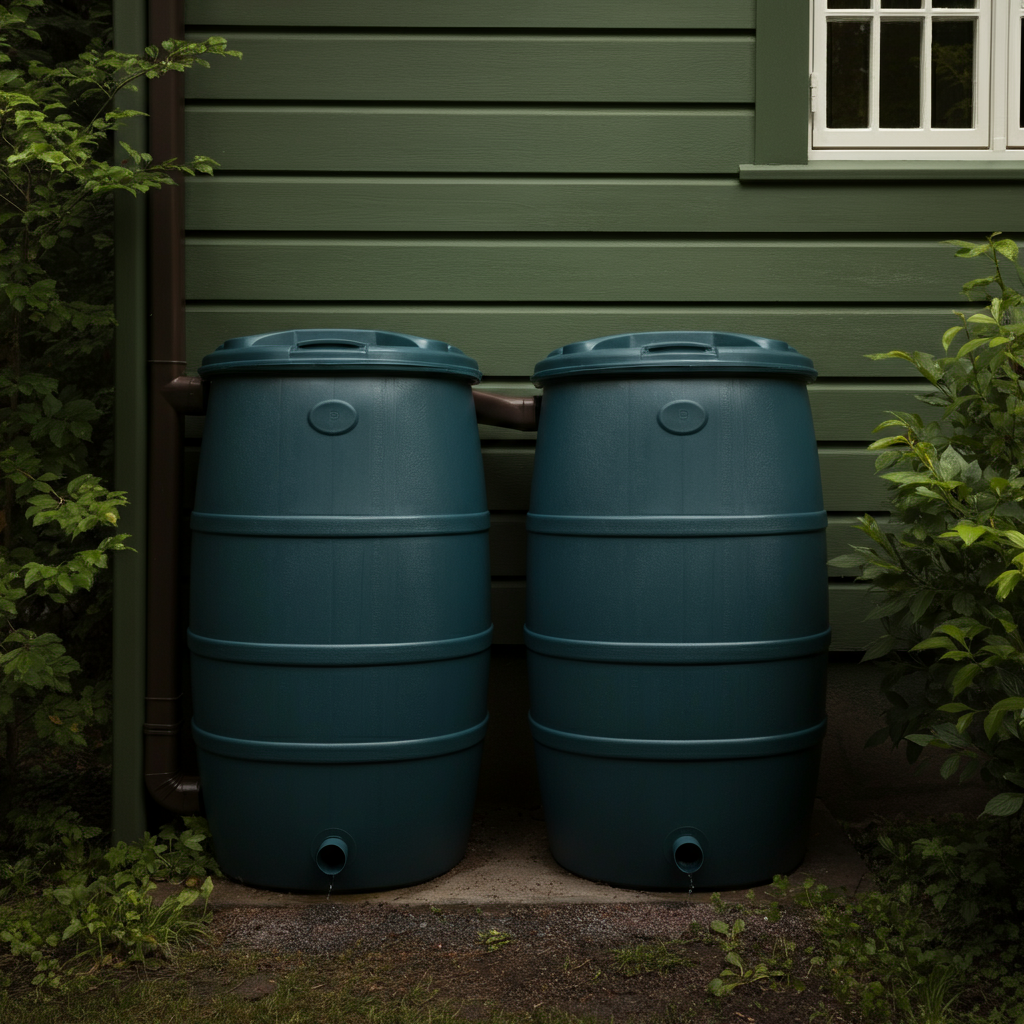
Rainwater harvesting is a simple and effective way to supplement your irrigation needs and reduce your reliance on municipal water sources. Install rain barrels under your downspouts to collect rainwater from your roof. You can then use this water to irrigate your garden during dry periods. Be sure to screen your rain barrels to prevent mosquitoes from breeding. Consider installing a larger rainwater harvesting system if you have the space and budget.
Tools or Materials Required
- Shovel
- Rake
- Garden hose
- Drip irrigation system or soaker hoses
- Mulch (wood chips, bark, shredded leaves)
- Compost or other organic soil amendments
- Rain barrel (optional)
- Gardening gloves
- Hand trowel
- Measuring tape
Common Mistakes to Avoid
- Overwatering: Even drought-tolerant plants can suffer if overwatered.
- Poor soil drainage: Ensure your soil drains well to prevent root rot.
- Choosing the wrong plants for your climate: Research plants carefully to ensure they are well-suited to your region.
- Neglecting mulch: Mulch is essential for retaining moisture and suppressing weeds.
- Ignoring soil pH: Test your soil pH and amend it if necessary to ensure optimal nutrient availability.
Pro Tips
- Propagate your own plants from cuttings or seeds to save money.
- Shop for plants at local nurseries or garden centers, as they are more likely to carry plants that are well-suited to your climate.
- Take advantage of sales and discounts on gardening supplies.
- Join a local gardening club or association to learn from other gardeners and share resources.
- Consider using greywater from your laundry or showers to irrigate your garden (check local regulations first).
FAQ Section
Q: How often should I water my drought-resistant garden?
A: Water deeply and infrequently, allowing the soil to dry out between waterings. The frequency will depend on the weather conditions and the type of plants you have.
Q: What type of mulch is best for a drought-resistant garden?
A: Organic mulches such as wood chips, bark, shredded leaves, and pine straw are excellent choices, as they also enrich the soil as they decompose.
Q: Can I use fertilizer in a drought-resistant garden?
A: Use fertilizer sparingly, as excessive fertilization can actually increase the need for water. Opt for slow-release fertilizers or organic fertilizers.
Q: How long does it take for drought-resistant plants to become established?
A: It typically takes one to two growing seasons for drought-resistant plants to become fully established and able to tolerate extended periods of drought.
Q: Can I grow vegetables in a drought-resistant garden?
A: Yes, you can grow some vegetables in a drought-resistant garden, but you will need to provide supplemental irrigation. Choose vegetables that are relatively drought-tolerant, such as tomatoes, peppers, and eggplant.
Safety Considerations
- Wear gloves when working in the garden to protect your hands from thorns, sharp objects, and chemicals.
- Use caution when using power tools such as lawnmowers or tillers.
- Be aware of potential hazards such as uneven terrain, stinging insects, and poisonous plants.
- Stay hydrated by drinking plenty of water, especially during hot weather.
- Protect yourself from the sun by wearing sunscreen, a hat, and sunglasses.
In conclusion, creating a drought-resistant dream garden on a budget is a rewarding and achievable goal. By carefully assessing your site, choosing the right plants, implementing efficient irrigation techniques, and embracing xeriscaping principles, you can transform your outdoor space into a sustainable and beautiful oasis that will thrive even in dry conditions. Remember to be resourceful, creative, and patient, and enjoy the process of creating your water-wise paradise.