Transforming discarded materials into beautiful and functional garden features is not only environmentally responsible but also a creative way to personalize your outdoor space. Upcycling in the garden allows you to reduce waste, save money, and add unique character to your landscape. From repurposing old tires into planters to using glass bottles as edging, the possibilities are endless.
This guide will walk you through practical steps and inspiring ideas to convert common household trash into stunning garden elements. We'll cover everything from preparation and safety to design considerations and maintenance tips. Get ready to unleash your creativity and create an eco-friendly garden that reflects your individual style.
Embrace sustainable practices and discover the joy of transforming everyday items into valuable assets for your garden. Let's get started!
Step-by-Step Guide to Upcycling Garden Treasures
Step 1: Gathering and Assessing Your Materials
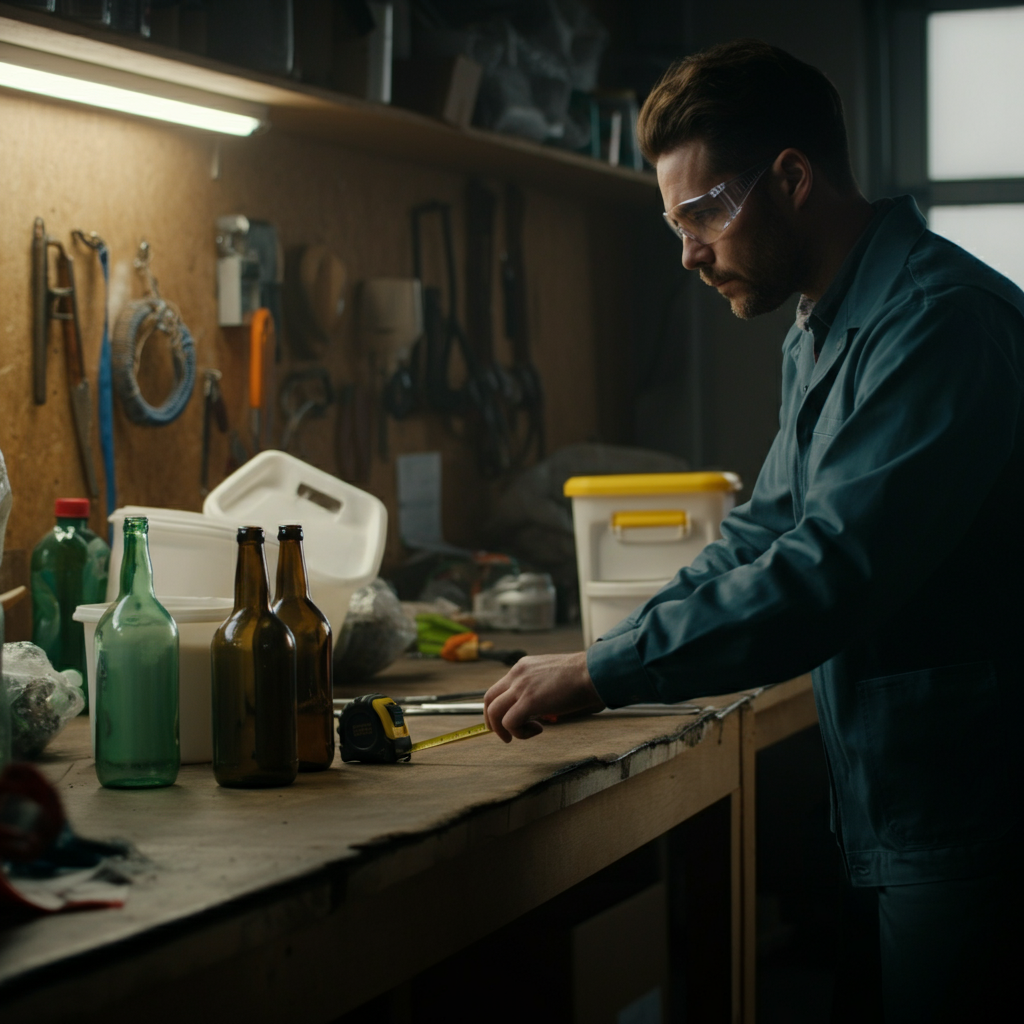
The first step involves collecting potential upcycling materials. Common household items like plastic bottles, glass jars, old tires, wooden pallets, and metal cans can all be repurposed. Before you begin, carefully assess the condition of each item. Look for any signs of damage, such as cracks, rust, or sharp edges, and determine if the material is suitable for your intended purpose. Consider factors like durability, weather resistance, and safety when selecting your materials.
Step 2: Cleaning and Preparing the Materials
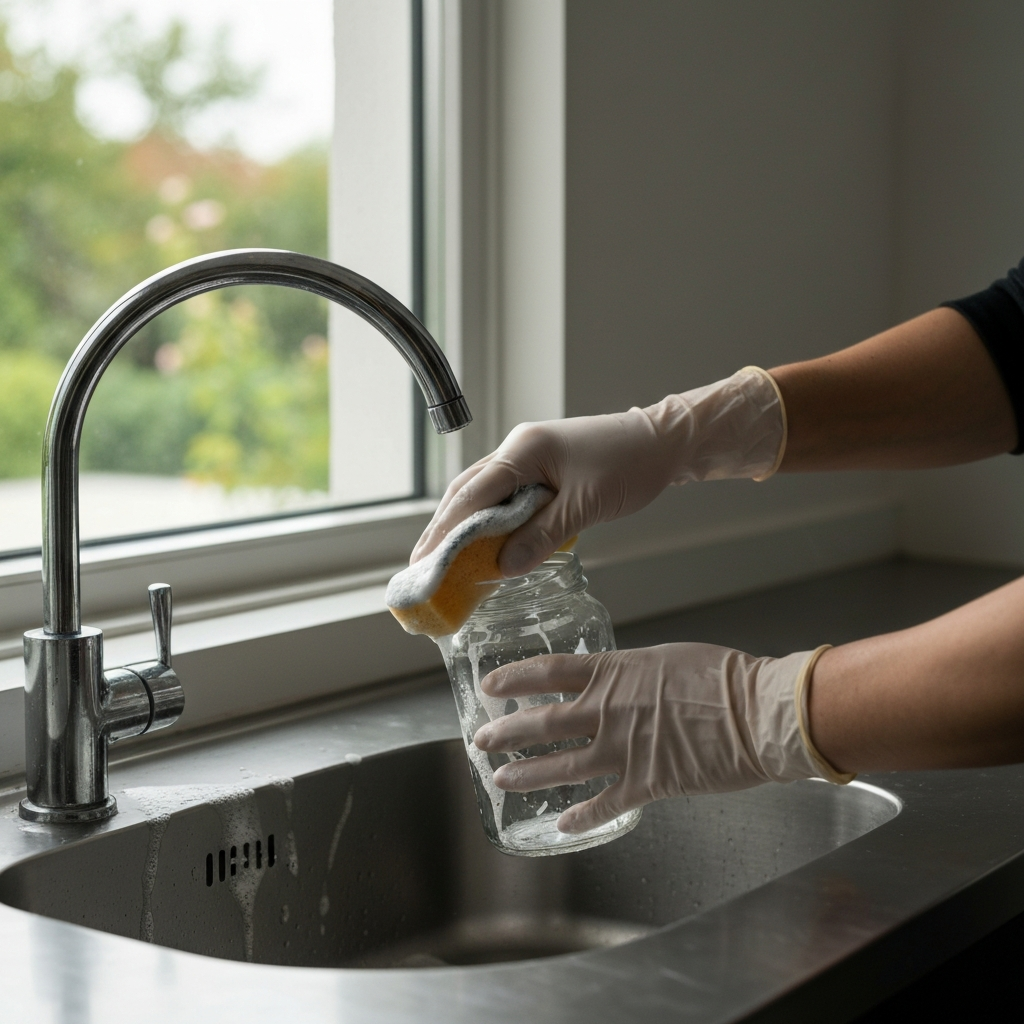
Once you've gathered your materials, it's essential to thoroughly clean and prepare them for use. Remove any labels, adhesives, or residue that could contaminate the soil or hinder painting or decorating. Use soap and water to wash plastic and glass items, and scrub metal objects with a wire brush to remove rust. For wooden pallets, consider sanding down rough edges and applying a sealant to protect them from moisture. Proper preparation will ensure the longevity and safety of your upcycled garden features.
Step 3: Upcycling Tires into Colorful Planters
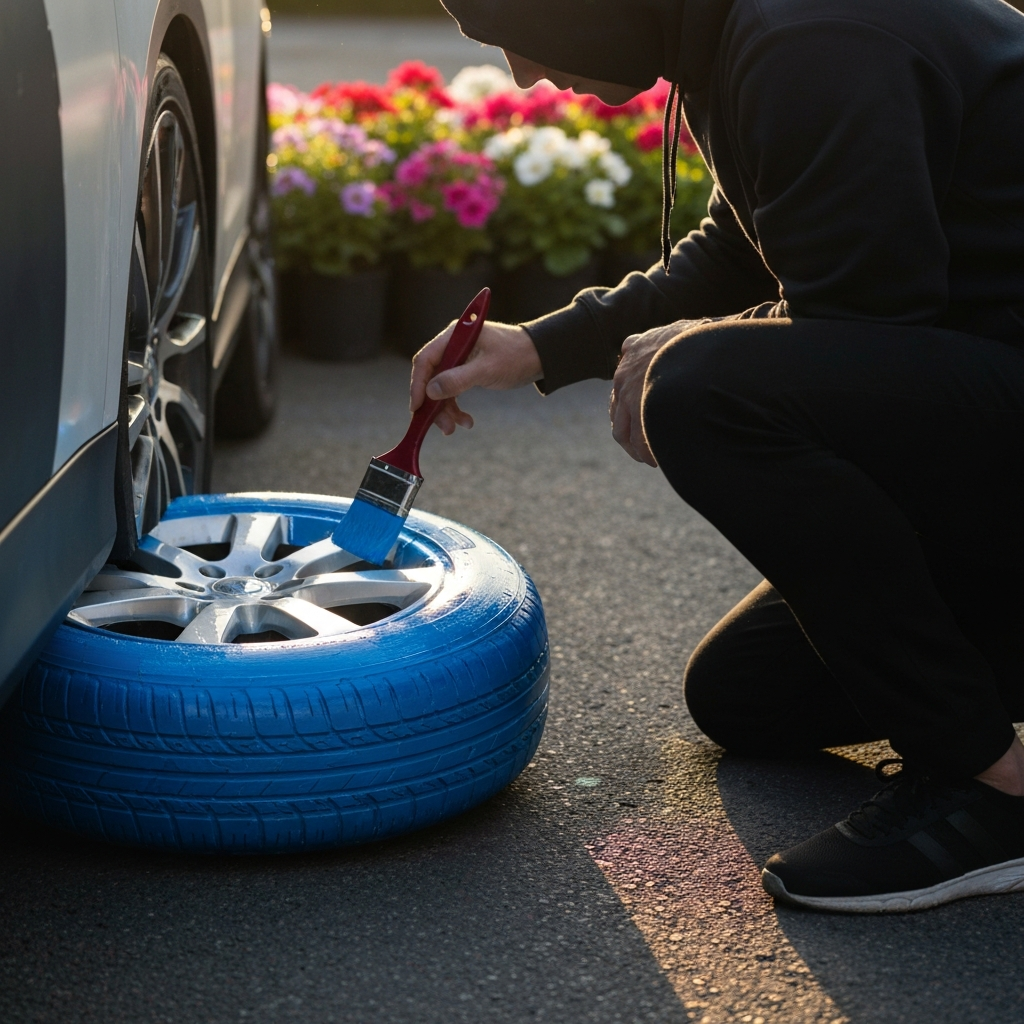
Old tires can be easily transformed into vibrant and durable planters. Start by cleaning the tire thoroughly. Then, use exterior paint to decorate the tire with your desired colors and designs. Allow the paint to dry completely before adding soil and plants. To prevent soil contamination, consider lining the inside of the tire with landscaping fabric. You can also stack tires to create tiered planters or cut them into different shapes for unique designs. Ensure proper drainage by drilling holes in the bottom of the tire.
Step 4: Creating Bottle Edging
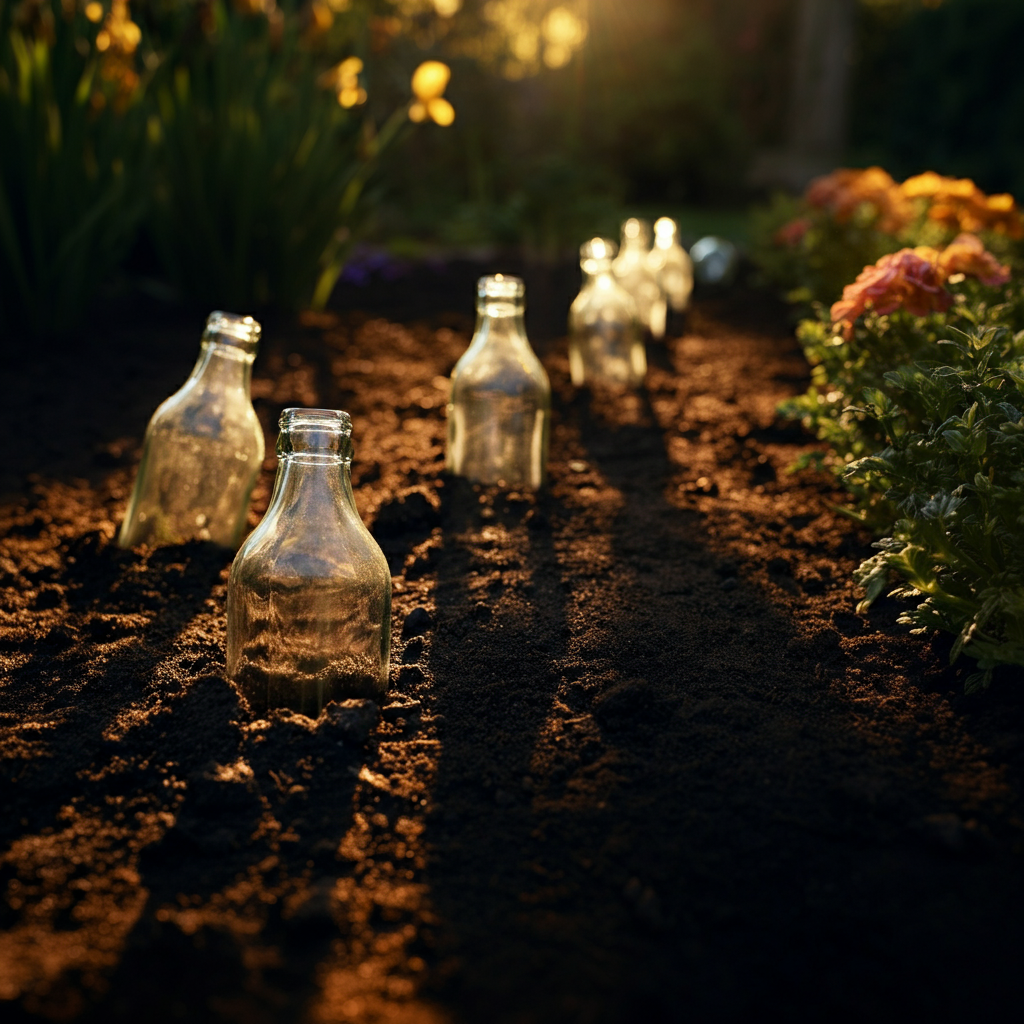
Glass or plastic bottles make excellent edging for garden beds and pathways. Collect a sufficient number of bottles and remove any labels. To create a uniform look, you can paint the bottles or leave them clear. Dig a shallow trench along the edge of your garden bed and insert the bottles upside down, burying the necks in the soil. Ensure that the bottles are evenly spaced and firmly planted to create a neat and attractive border. This method not only adds a decorative touch but also helps to define the boundaries of your garden.
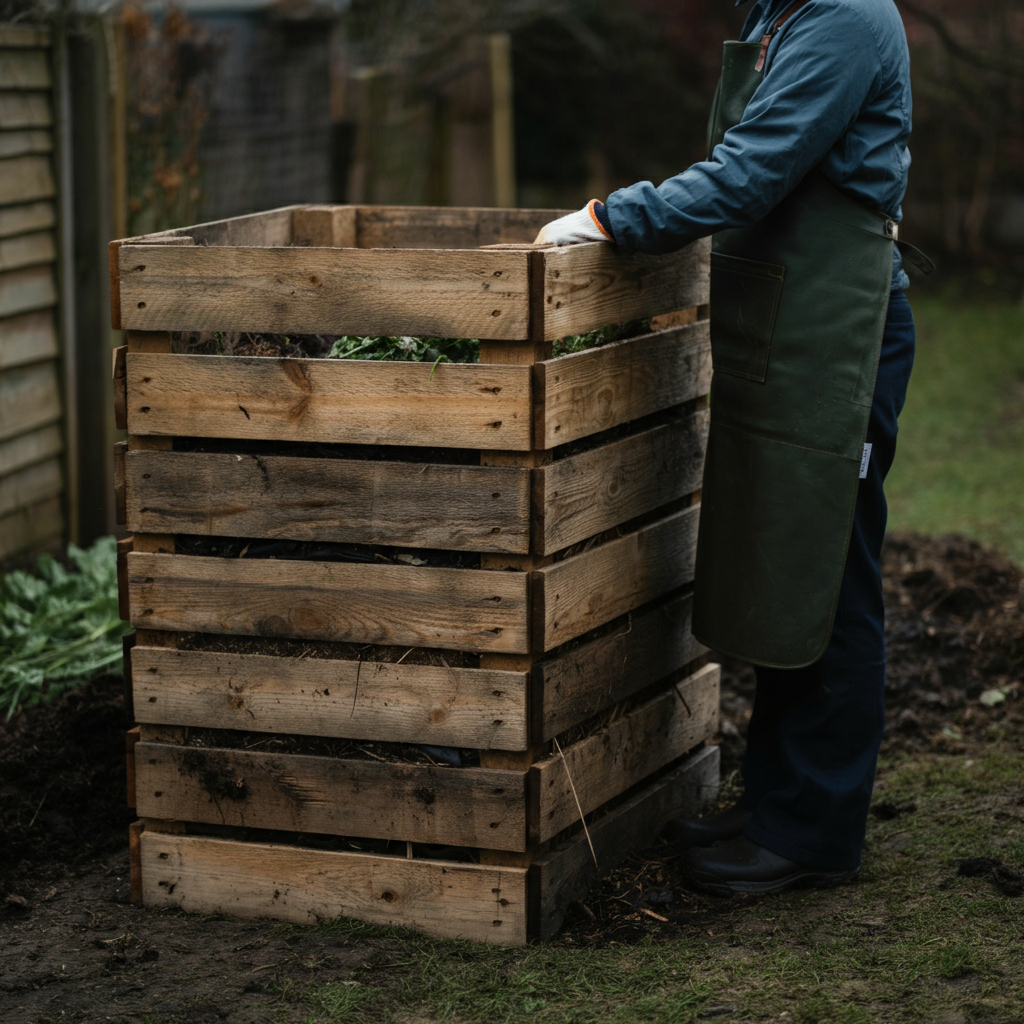
Step 5: Building a Pallet Compost Bin
Wooden pallets can be repurposed into a functional and eco-friendly compost bin. Gather four pallets of similar size and arrange them in a square or rectangular shape, securing them together with screws or metal brackets. Ensure that the pallets are free of any chemical treatments or harmful substances. Leave gaps between the pallets for ventilation. You can also add a lid to the compost bin to retain moisture and heat. This upcycled compost bin will help you recycle organic waste and enrich your garden soil.
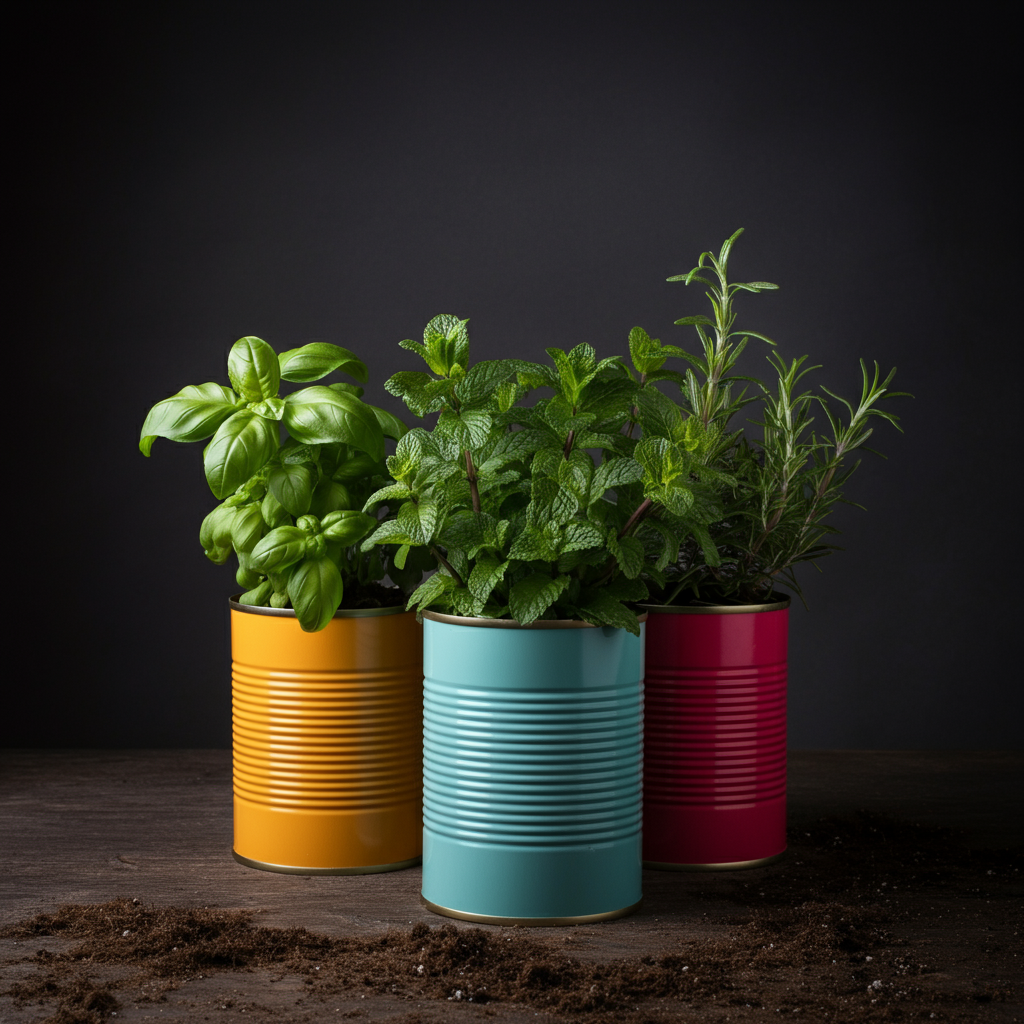
Step 6: Turning Cans into Herb Gardens
Metal cans, such as those from canned goods, can be easily transformed into charming herb gardens. Clean the cans thoroughly and remove any labels. Drill drainage holes in the bottom of each can to prevent waterlogging. You can paint the cans with vibrant colors or decorate them with twine or fabric scraps. Fill the cans with potting soil and plant your favorite herbs, such as basil, mint, or thyme. Arrange the cans on a sunny windowsill or hang them from a fence to create a vertical herb garden.
Tools or Materials Required
- Gloves
- Safety glasses
- Cleaning supplies (soap, water, brushes)
- Paint and paintbrushes
- Screws or metal brackets
- Drill
- Potting soil
- Landscaping fabric
Safety Considerations
Always wear gloves and safety glasses when handling potentially sharp or dirty materials. Ensure that any repurposed materials are free of harmful chemicals or contaminants. When cutting or drilling, use appropriate safety equipment and follow manufacturer's instructions. Be mindful of your surroundings and avoid creating tripping hazards.
Common Mistakes to Avoid
Failing to properly clean and prepare materials before upcycling. Using materials that are damaged or unsafe. Neglecting drainage when creating planters. Overlooking the importance of proper ventilation in compost bins. Not considering the aesthetic appeal of your upcycled garden features.
Pro Tips
Get creative with your designs and experiment with different materials and techniques. Consider the overall theme and style of your garden when choosing colors and decorations. Involve your family and friends in the upcycling process. Share your ideas and creations with others to inspire them to embrace eco-friendly gardening practices.
FAQ Section
Q: How do I prevent tires from overheating in the sun?
A: Paint the tires in light colors to reflect sunlight. You can also add a layer of insulation inside the tire, such as cardboard or newspaper.
Q: What types of plants are best suited for upcycled containers?
A: Most plants can thrive in upcycled containers, as long as they have proper drainage and receive adequate sunlight and nutrients. Consider the size of the container and the specific needs of the plant when making your selection.
Q: How can I maintain my upcycled garden features?
A: Regularly clean and inspect your upcycled features for any signs of damage or wear. Reapply paint or sealant as needed to protect them from the elements. Provide adequate watering and fertilization to your plants to ensure their health and vitality.
Conclusion
Upcycling trash into garden treasure is a rewarding and sustainable practice that benefits both the environment and your personal well-being. By repurposing discarded materials, you can reduce waste, save money, and create a unique and beautiful outdoor space. Remember to prioritize safety, proper preparation, and creative design. Embrace the challenge and enjoy the satisfaction of transforming ordinary items into extraordinary garden features. With a little imagination and effort, you can create an eco-friendly landscape that reflects your individual style and commitment to sustainability.