Creating a harmonious home life with a family can often feel like managing a lively zoo. Competing schedules, varying personalities, and the daily demands of life can lead to chaos and conflict. However, with the right strategies and a commitment to understanding, it's possible to cultivate a peaceful and supportive environment where everyone thrives.
This guide provides practical, actionable steps to help you navigate the challenges of family dynamics and create a home that feels more like a sanctuary than a circus. We'll cover everything from establishing clear routines and communication strategies to fostering empathy and conflict resolution skills. Get ready to transform your household from a chaotic menagerie to a well-balanced ecosystem.
The key to success lies in consistency, patience, and a willingness to adapt your approach as your family evolves. Remember, every family is unique, so tailor these tips to fit your specific needs and circumstances. Let's embark on this journey to a more harmonious home life together!
Step 1: Establish Clear Routines and Expectations
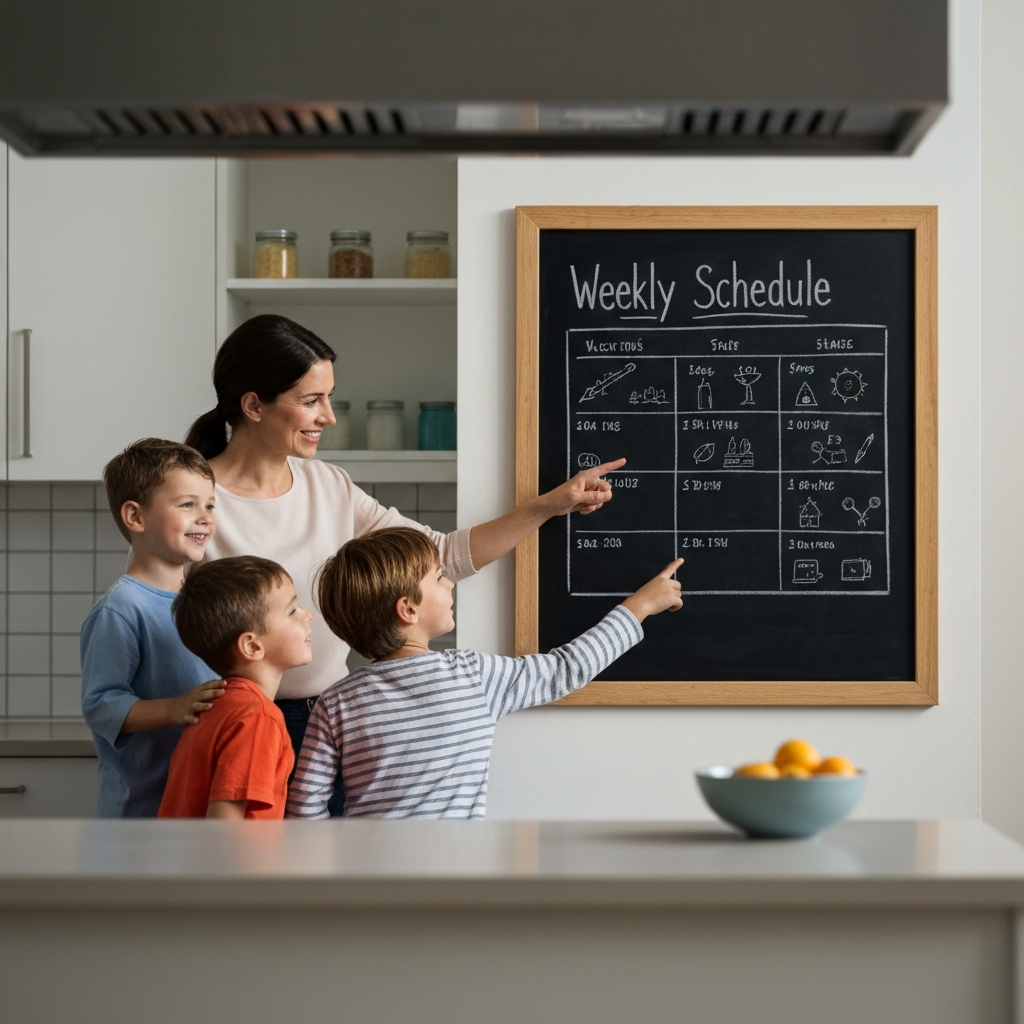
A predictable routine provides structure and security, reducing anxiety and power struggles. Implement consistent bedtimes, meal times, and chore schedules. Post a visual schedule that everyone can easily understand, especially for younger children. Include time for both individual activities and family time.
Consider age appropriateness when assigning tasks. A five-year-old might be responsible for tidying up their toys, while a teenager can help with meal preparation or yard work. Regularly review the routines and expectations to ensure they still meet the needs of the family and adjust as necessary. Don’t be afraid to use incentives and rewards to motivate participation, but avoid turning everything into a transaction. Remember to lead by example; your commitment to the routine will significantly influence your family's adherence.
Step 2: Master Effective Communication
Open and honest communication is the cornerstone of a harmonious family. Practice active listening, where you fully focus on what the other person is saying without interrupting or formulating your response. Create opportunities for regular family meetings where everyone can share their thoughts, feelings, and concerns.
Teach children how to express their emotions in a healthy way. Instead of yelling or withdrawing, encourage them to use "I" statements to articulate their feelings (e.g., "I feel frustrated when..."). Model this behavior yourself. Be mindful of your tone of voice and body language. Avoid sarcasm, criticism, and defensiveness. When disagreements arise, focus on finding solutions together rather than assigning blame. Ensure everyone has a chance to speak and that their opinions are valued, regardless of age. This fosters a sense of respect and encourages open dialogue.

Step 3: Foster Empathy and Understanding
Cultivating empathy helps family members understand and appreciate each other's perspectives. Encourage everyone to consider how their actions impact others. Engage in activities that promote empathy, such as reading books about different cultures or volunteering in the community.
When conflicts arise, help family members understand each other's point of view by asking questions like, "How do you think he/she felt when that happened?" or "What do you think he/she was trying to achieve?". Validate their feelings, even if you don't agree with their actions. Avoid dismissing their emotions or telling them how they should feel. Promote understanding by sharing your own experiences and vulnerabilities. By creating a safe space for vulnerability, you foster a stronger sense of connection and compassion within the family. Remember, empathy is a learned skill that requires consistent practice and reinforcement.

Step 4: Implement Conflict Resolution Strategies
Conflict is inevitable in any family, but how you handle it can make all the difference. Teach family members effective conflict resolution skills, such as active listening, compromise, and problem-solving. Encourage them to take a break when tensions are high before attempting to resolve the issue.
Establish clear ground rules for disagreements, such as no name-calling, yelling, or physical aggression. Help family members identify the underlying needs and interests that are driving the conflict. Brainstorm potential solutions together and evaluate the pros and cons of each option. Encourage them to find a compromise that addresses everyone's needs as much as possible. If necessary, seek outside help from a therapist or counselor to mediate particularly challenging conflicts. The goal is to teach constructive conflict resolution skills that will benefit them throughout their lives.

Step 5: Prioritize Quality Time Together
Spending quality time together strengthens family bonds and creates lasting memories. Schedule regular family activities, such as game nights, movie nights, or outings to the park. Put away electronic devices during these times to minimize distractions and maximize engagement.
Encourage each family member to suggest activities that they enjoy. Make an effort to participate in each other's hobbies and interests. Create rituals and traditions that everyone looks forward to, such as a weekly pizza night or an annual family vacation. Remember that quality time doesn't always have to be elaborate or expensive. Simple activities like reading together, going for a walk, or cooking a meal together can be just as meaningful. The key is to be present, engaged, and intentional about creating positive shared experiences.

Step 6: Practice Self-Care
You can't pour from an empty cup. Taking care of your own physical and emotional well-being is essential for being a good parent and partner. Schedule regular self-care activities, such as exercise, meditation, or spending time on your hobbies. Don't feel guilty about prioritizing your own needs; it's not selfish, it's necessary.
Make sure you're getting enough sleep, eating a healthy diet, and managing your stress levels. Connect with friends and family members who provide support and encouragement. Ask for help when you need it; don't try to do everything on your own. Remember that you can't be fully present and engaged with your family if you're feeling burned out and overwhelmed. By taking care of yourself, you're setting a positive example for your children and creating a more harmonious environment for everyone.

Tools or Materials Required
- Chalkboard or whiteboard for family schedule
- Calendar
- Notebook for family meeting notes
- Timer
- Books on conflict resolution and communication skills
Common Mistakes to Avoid
- Failing to establish clear routines and expectations
- Poor communication skills
- Ignoring signs of stress or burnout in yourself or your family members
- Not being consistent
- Comparing your family to others
FAQ Section
- How do I deal with sibling rivalry?
- Address the underlying needs and feelings that are driving the rivalry. Teach conflict resolution skills and encourage empathy. Avoid comparing siblings and focus on celebrating their individual strengths.
- What if my teenager refuses to participate in family activities?
- Respect their need for independence and autonomy. Find activities that appeal to their interests and negotiate compromises. Focus on building a strong relationship based on trust and open communication.
- How do I balance work and family life?
- Prioritize your time and energy. Set boundaries between work and family. Delegate tasks and responsibilities. Practice self-care and don't be afraid to ask for help.
Conclusion
Taming the family zoo is an ongoing process that requires patience, commitment, and a willingness to adapt. By establishing clear routines, mastering effective communication, fostering empathy, implementing conflict resolution strategies, prioritizing quality time, and practicing self-care, you can create a more harmonious and supportive home environment. Remember to celebrate small victories and be kind to yourself and your family members along the way. With persistence and a positive attitude, you can transform your household from a chaotic menagerie into a thriving and loving community.