In today's fast-paced world, carving out quality time for family can feel like a Herculean task. Between work, school, and extracurricular activities, opportunities for genuine connection often slip through our fingers. But what if you could intentionally create a haven – a "Family Fortress of Fun" – where laughter, games, and shared experiences become the norm, not the exception?
Building such a fortress isn't about extravagant purchases or elaborate plans. It's about cultivating a mindset and establishing simple routines that prioritize togetherness. It's about transforming your home, both physically and emotionally, into a space that fosters joy and strengthens family bonds. This guide will walk you through practical steps to construct your own family fun zone, brick by brick, activity by activity.
Get ready to embark on a journey that will not only entertain your family but also create lasting memories that you'll cherish for years to come. Let's begin!
Step 1: Defining Your Family Fun Vision
Before diving into activities and game nights, take the time to define what "fun" means for your family. This involves open and honest conversations with each family member, regardless of age. What activities do they genuinely enjoy? What are their interests and passions? What kind of atmosphere do they find most conducive to laughter and connection?
Consider different personality types and age ranges. A teenager might prefer video games or board games with strategic depth, while a younger child might be drawn to imaginative play or outdoor adventures. The key is to find activities that cater to a variety of interests and skill levels, ensuring that everyone feels included and engaged. Don't be afraid to experiment with different ideas and see what resonates with your family. Also, make sure your definition of fun is flexible and changes as children grow older.

Step 2: Designate a Play Zone
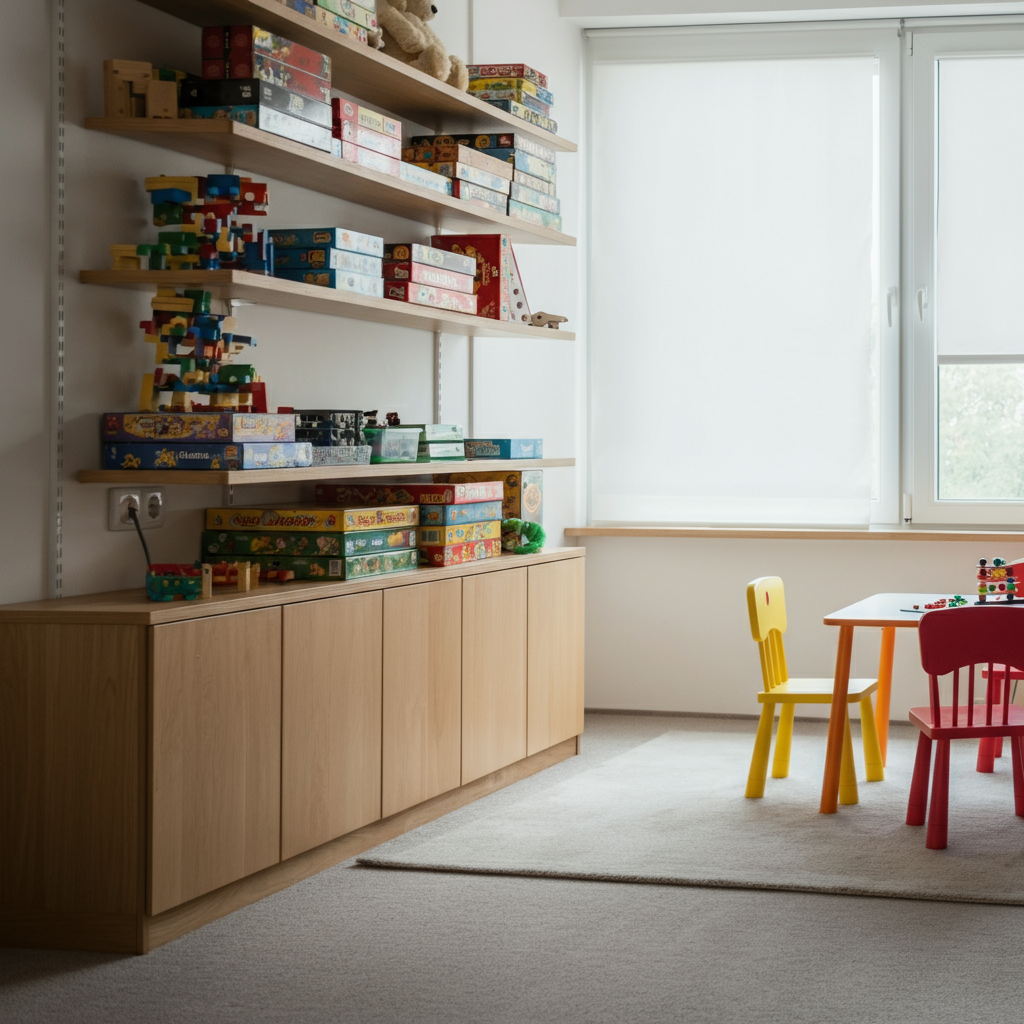
Create a physical space in your home dedicated to fun and games. This doesn't necessarily require a huge room; it could be a corner of the living room, a spare bedroom, or even an outdoor patio. The key is to make it a designated area where toys, games, and other fun-related items are easily accessible. This helps signal to everyone that this is a space for relaxation, play, and connection.
Consider storage solutions to keep the area organized and clutter-free. Baskets, shelves, and drawers can help contain toys, games, and art supplies. Make the space inviting and comfortable with cozy seating, soft lighting, and perhaps even a colorful rug. Personalize it with family photos or artwork to make it feel like a special space just for your family. Ensure the room is multi-purpose, easily adapting to board games, active games, or even just relaxing with a book. Flexibility is key to making the space useful for all ages.
Step 3: Schedule Regular Family Fun Time
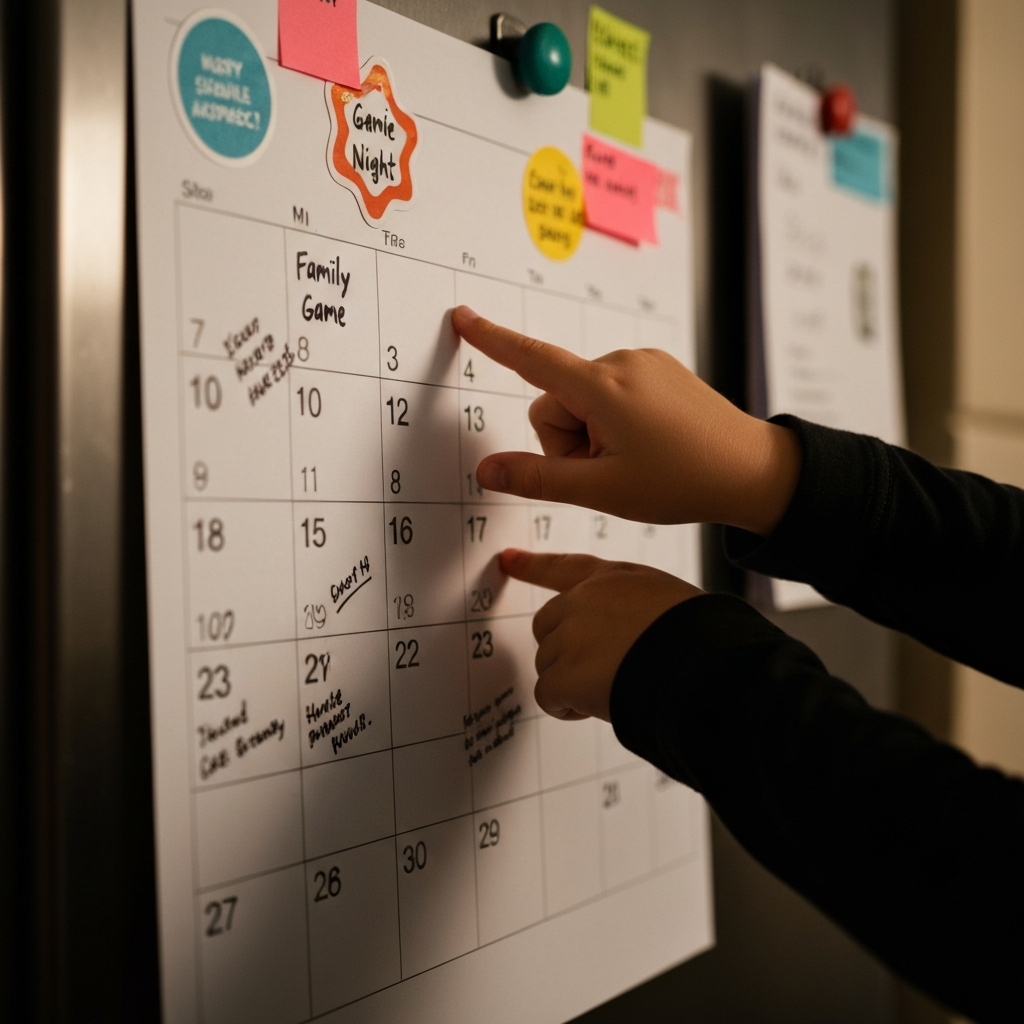
Life gets busy, so it's crucial to schedule regular family fun time. Treat it like any other important appointment and put it on the calendar. Whether it's a weekly game night, a weekend movie marathon, or a monthly family outing, having a designated time for fun ensures that it doesn't get pushed aside by other commitments.
Be consistent with your schedule, but also be flexible. If something unexpected comes up, try to reschedule the fun time rather than canceling it altogether. Consider involving the kids in planning the activities for family fun time. This gives them a sense of ownership and makes them more likely to participate enthusiastically. Rotate who gets to choose the activity each week to ensure everyone gets a chance to play their favorite games or pursue their interests.
Step 4: Embrace the Power of Board Games
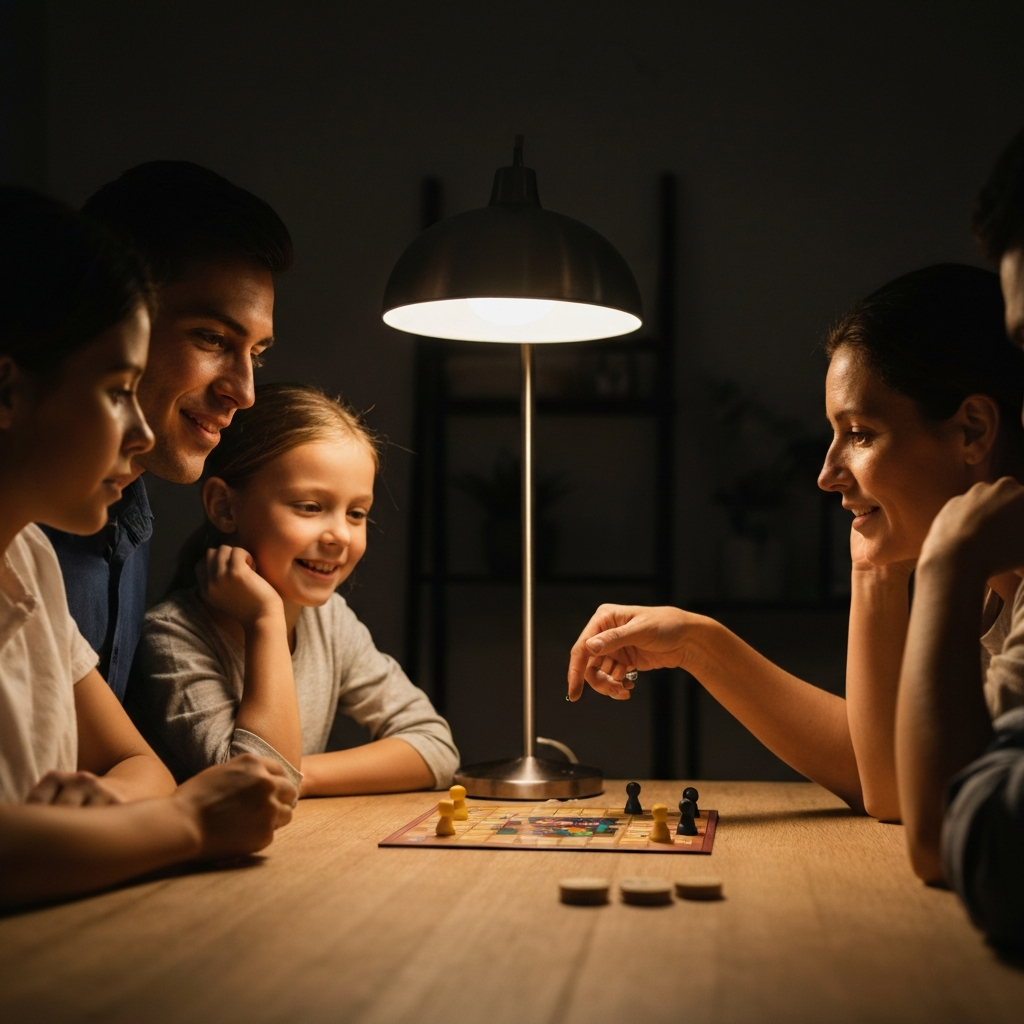
Board games are a fantastic way to foster critical thinking, problem-solving, and social skills, all while having fun. Choose games that are age-appropriate and cater to the interests of your family. From classic board games like Monopoly and Scrabble to cooperative games that encourage teamwork, there's a board game out there for everyone.
Make board game night a special occasion with snacks, drinks, and perhaps even a themed playlist. Put away electronic devices and focus on connecting with each other. Don't be afraid to bend the rules a little to make the game more enjoyable for younger children. The goal is to have fun and create memories, not to win at all costs. Introduce new board games gradually to keep things fresh and exciting.
Step 5: Get Creative with Arts and Crafts
Unleash your family's creativity with arts and crafts activities. Whether it's painting, drawing, sculpting, or crafting, engaging in artistic pursuits can be both relaxing and rewarding. Provide a variety of art supplies and encourage your family to experiment with different techniques and materials.
Don't worry about perfection; the goal is to have fun and express yourselves. Consider creating a dedicated art space where your family can freely create without worrying about making a mess. Display your family's artwork proudly to showcase their creativity and boost their confidence. Theme your art projects around holidays or special events to make them even more memorable. Make sure to have easy clean-up supplies accessible to everyone.

Step 6: Cook Up Some Fun in the Kitchen
Cooking together is a wonderful way to bond and teach valuable life skills. Involve your family in meal preparation, from planning the menu to chopping vegetables to decorating cookies. Choose recipes that are age-appropriate and fun to make.
Don't be afraid to get messy and experiment with different flavors and ingredients. Make it a game by assigning different roles to each family member. Teach them about nutrition and healthy eating habits. Most importantly, create a positive and supportive environment where everyone feels comfortable trying new things. Baking cookies or making pizza together are classic activities that are sure to be a hit. Safety should be paramount when working with knives or the stove.

Step 7: Embark on Outdoor Adventures
Spending time in nature is beneficial for both physical and mental health. Plan regular outdoor adventures, such as hiking, biking, camping, or simply playing in the park. Encourage your family to explore the natural world and appreciate its beauty.
Pack a picnic lunch and enjoy a meal outdoors. Play games like frisbee or catch. Go on a nature scavenger hunt. Teach your children about plants, animals, and the environment. Most importantly, create memories that will last a lifetime. Ensure everyone is properly equipped with appropriate clothing, sunscreen, and insect repellent. Always be aware of your surroundings and take necessary safety precautions.
Step 8: Create a Family Movie Night Tradition
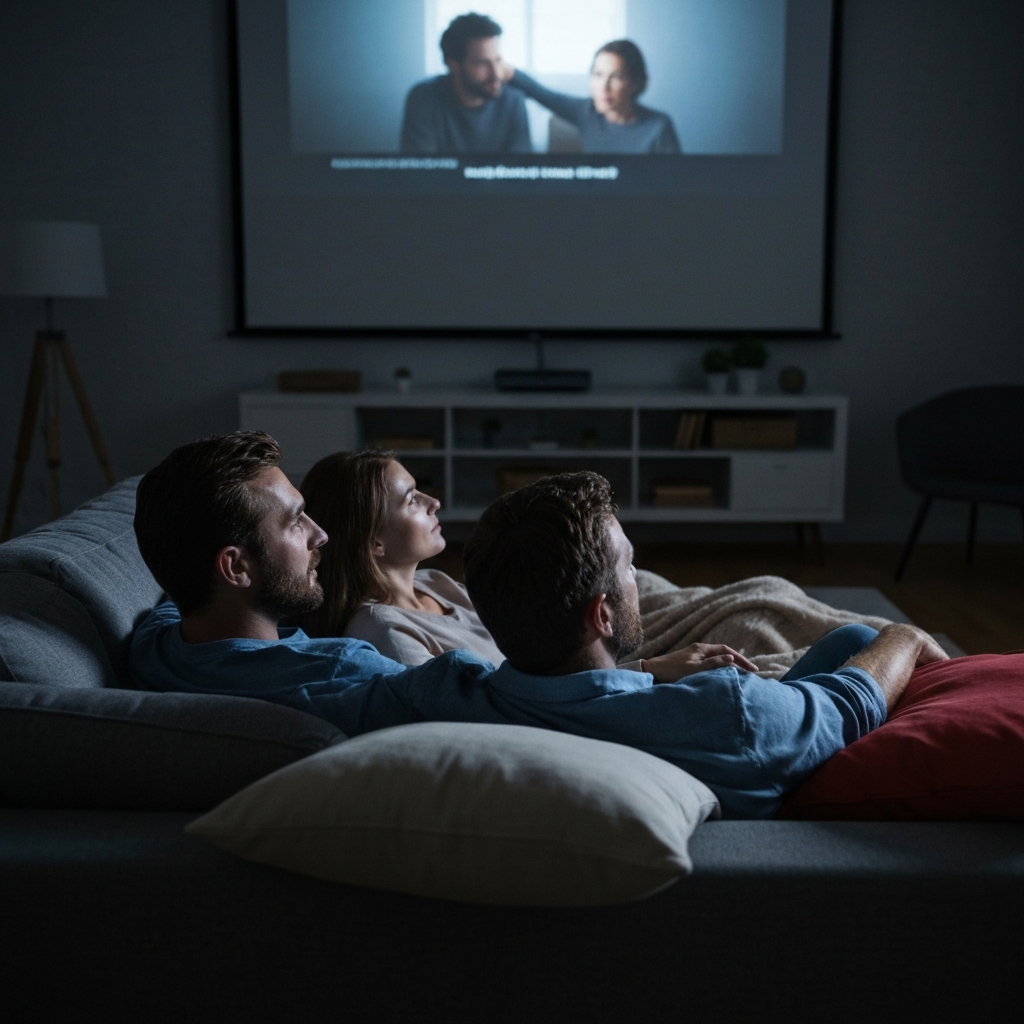
Establishing a family movie night tradition is a simple yet effective way to create lasting memories. Choose movies that are age-appropriate and appeal to a variety of interests. Create a cozy atmosphere with blankets, pillows, and snacks.
Turn off the lights and immerse yourselves in the story. Discuss the movie afterwards and share your thoughts and feelings. Consider making themed snacks that relate to the movie. Allow each family member to choose a movie on rotation. Remember to adjust the volume to a comfortable level to avoid disturbing neighbors.
FAQ Section
Q: My kids have very different interests. How do I find activities everyone will enjoy?
A: The key is compromise and rotation. Alternate who gets to choose the activity each week or month. Also, look for activities that can be adapted to different skill levels and interests. For example, a hike can be modified to be shorter or longer, depending on the ages and abilities of the children.
Q: We have limited space. How can we create a fun zone in a small apartment?
A: Get creative with storage solutions. Use vertical space with shelves and cabinets. Choose multi-functional furniture, such as a coffee table that can be used for board games or a foldable table for arts and crafts. Designate specific times for activities and then put away the supplies afterwards to keep the space clutter-free.
Q: My kids are addicted to screens. How can I encourage them to participate in other activities?
A: Set clear boundaries for screen time and enforce them consistently. Offer alternative activities that are engaging and fun. Make sure you are modeling good behavior by limiting your own screen time. Start with short periods of non-screen activities and gradually increase the time as they become more engaged.
Common Mistakes to Avoid
Trying to force fun: If an activity isn't working, don't force it. Move on to something else.
Not involving kids in the planning process: Give them a sense of ownership and make them feel like their opinions matter.
Being too competitive: Focus on having fun and creating memories, not winning at all costs.
Not adapting to changing interests: As kids grow older, their interests will change. Be flexible and willing to try new things.
Pro Tips
Create a "fun jar" with ideas for activities to do together. Whenever you're stuck for ideas, just pull one out of the jar.
Use music to set the mood. Create playlists for different activities, such as game night, cooking, or outdoor adventures.
Take photos and videos of your family fun times. This will help you create lasting memories that you can look back on and cherish for years to come.
Conclusion
Building a Family Fortress of Fun is an ongoing process, not a one-time event. It requires effort, dedication, and a willingness to adapt and evolve. However, the rewards are immeasurable. By prioritizing family time and creating a space for laughter, games, and shared experiences, you can strengthen your family bonds and create memories that will last a lifetime. So, gather your troops, unleash your creativity, and start building your fortress of fun today!