Effective communication is the cornerstone of educational achievement. It's not merely about conveying information; it's about connecting with others, understanding diverse perspectives, and building strong relationships. In the academic world, strong communication skills translate to better collaboration with peers, clearer understanding of complex concepts from instructors, and more effective presentation of ideas in assignments and presentations. Cultivating these skills is an investment in your overall educational journey.
This guide provides a structured approach to enhancing your communication skills, focusing on practical techniques and strategies that you can implement immediately. We'll delve into active listening, clear articulation, effective non-verbal cues, and strategies for handling challenging conversations. Mastering these areas will not only improve your academic performance but also prepare you for success in your future career.
Let's embark on this journey to unlock your communication potential and transform your educational experience.
Step 1: Mastering Active Listening
Sharpening Your Focus
Active listening goes beyond simply hearing the words someone is saying. It involves fully concentrating, understanding, responding, and then remembering what is being said. This means minimizing distractions, both internal (wandering thoughts) and external (noise, interruptions). Pay attention not only to the speaker's words but also to their non-verbal cues like body language and tone of voice. Show genuine interest through eye contact, nodding, and appropriate facial expressions. Resist the urge to interrupt or formulate your response while the speaker is still talking.
Practice summarizing what the speaker has said to ensure you understand correctly. For example, you could say, "So, if I understand correctly, you're saying...". This provides the speaker with an opportunity to clarify any misunderstandings and confirms that you are actively engaged in the conversation. A common mistake is to jump to conclusions or make assumptions about what the speaker is going to say before they finish. This can lead to misinterpretations and hinder effective communication.

Step 2: Enhancing Verbal Clarity
Articulating Your Thoughts Precisely
Clear and concise articulation is crucial for conveying your ideas effectively. Start by organizing your thoughts before you speak. Consider the key points you want to make and the order in which you want to present them. Use precise language and avoid jargon or overly complex vocabulary that your audience may not understand. Practice explaining complex concepts in simple terms. This will not only improve your communication skills but also deepen your own understanding of the subject matter.
Pay attention to your pace and volume. Speak at a moderate pace, ensuring that you are neither rushing nor dragging your words. Project your voice clearly, but avoid shouting. Practicing in front of a mirror or recording yourself can help you identify areas for improvement. Remember to pause strategically to allow your audience to process what you are saying and to emphasize important points. A common pitfall is to ramble or go off on tangents, losing the attention of your audience. Stick to your main points and avoid unnecessary details.
Step 3: Harnessing the Power of Non-Verbal Communication
Communicating Without Words
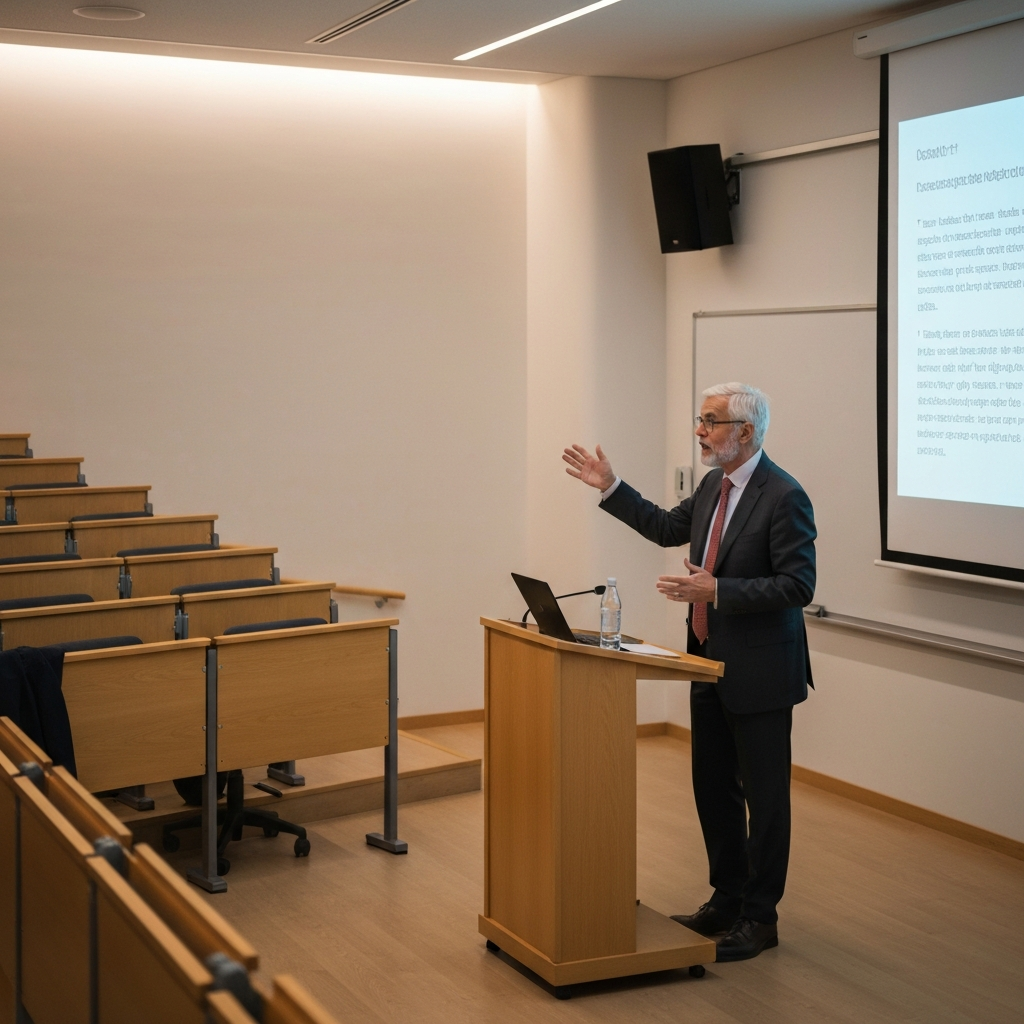
Non-verbal cues play a significant role in communication, often conveying more than the words we speak. Maintain appropriate eye contact to show engagement and sincerity. Be mindful of your body language, adopting an open and relaxed posture. Avoid crossing your arms or fidgeting, as these can be interpreted as signs of disinterest or defensiveness. Use gestures to emphasize your points and add visual interest to your communication.
Pay attention to the non-verbal cues of others as well. Are they making eye contact? Are they leaning forward or back? Are their facial expressions consistent with their words? Interpreting these cues can provide valuable insights into their thoughts and feelings. However, be cautious about making assumptions based solely on non-verbal cues, as they can be influenced by cultural differences or individual habits. A common mistake is to be unaware of your own non-verbal cues and how they are being perceived by others. Practice self-awareness and solicit feedback from trusted friends or mentors.

Step 4: Mastering Written Communication
Crafting Clear and Concise Messages
In the academic environment, written communication is paramount. Whether it's essays, reports, emails, or online forum posts, your ability to express yourself clearly and effectively in writing directly impacts your grades and your overall reputation. Always proofread your work carefully for grammar, spelling, and punctuation errors. Use clear and concise language, avoiding ambiguity and unnecessary jargon. Structure your writing logically, with a clear introduction, body paragraphs, and conclusion.
Adapt your writing style to the specific audience and purpose. An email to a professor should be more formal than a text message to a classmate. Use proper formatting and citation styles to avoid plagiarism. When writing emails, be clear and concise in your subject line and get straight to the point in your message. A common mistake is to submit written work without thoroughly proofreading it, leading to errors that detract from your message.

Step 5: Handling Challenging Conversations
Navigating Difficult Discussions with Grace
Difficult conversations are inevitable in any academic setting. Whether it's disagreeing with a classmate on a group project, seeking clarification from a professor, or addressing a conflict with a roommate, knowing how to handle these conversations constructively is essential. Start by approaching the conversation with a calm and respectful attitude. Listen actively to the other person's perspective and acknowledge their feelings.
Use "I" statements to express your own feelings and opinions without blaming or accusing the other person. For example, instead of saying "You always interrupt me," say "I feel frustrated when I'm interrupted." Focus on finding common ground and working towards a mutually agreeable solution. Be willing to compromise and avoid getting defensive. If the conversation becomes too heated, take a break and revisit it later. A common mistake is to escalate the conflict by becoming argumentative or defensive. Remember that the goal is to resolve the issue constructively, not to win an argument.

Pro Tips
- Seek Feedback: Ask trusted friends, family members, or mentors for honest feedback on your communication skills.
- Practice Regularly: The more you practice, the more comfortable and confident you will become.
- Record Yourself: Use a voice recorder or video camera to analyze your communication style.
- Read Widely: Reading improves your vocabulary and understanding of different communication styles.
- Join a Club: Consider joining a public speaking club or debate team to hone your skills.
FAQ Section
Q: How can I overcome my fear of public speaking?
A: Start small by practicing in front of a mirror or with a small group of friends. Prepare thoroughly and focus on your message rather than your anxiety. Consider joining a public speaking club for support and guidance.
Q: What should I do if I don't understand something in class?
A: Don't be afraid to ask questions. Clarify your understanding by rephrasing the concept in your own words or seeking additional resources from the instructor or classmates.
Q: How can I improve my email etiquette?
A: Use a clear and concise subject line, address the recipient appropriately, be polite and respectful, proofread your message carefully, and include a closing.
Conclusion
By implementing these strategies, you can significantly supercharge your communication skills and unlock your full potential for educational success. Remember that communication is a continuous process of learning and improvement. Embrace challenges, seek feedback, and never stop striving to become a more effective communicator. Your enhanced communication skills will not only benefit you in your academic pursuits but also in all aspects of your life.