Effective communication is the cornerstone of success in nearly every aspect of life, from personal relationships to professional achievements. It's not just about talking; it's about listening, understanding, and conveying your message clearly and persuasively. Mastering these skills can unlock opportunities and help you build stronger connections with others.
This guide provides a comprehensive roadmap to elevate your communication abilities. We'll explore practical techniques and strategies that will empower you to express yourself with confidence, navigate challenging conversations, and foster meaningful interactions. Whether you're aiming to improve your public speaking, enhance your writing, or simply become a better listener, these steps will set you on the path to becoming a communication powerhouse.
Embarking on the journey to effective communication requires dedication and practice. By diligently applying the principles outlined below, you'll discover how to craft killer communication skills that will serve you well throughout your life. Remember, communication is a continuous process of learning and refinement. Let's begin!
Step 1: Master Active Listening
Active listening is far more than simply hearing what someone is saying. It involves focusing intently on the speaker, understanding their message, responding thoughtfully, and remembering the information. This requires both verbal and non-verbal cues to demonstrate your engagement. Pay attention to body language, maintain eye contact, and ask clarifying questions. Avoid interrupting or formulating your response while the other person is still speaking. Give your full attention and create a safe space for open communication.

Step 2: Cultivate Clarity and Conciseness
Vague or convoluted communication can lead to misunderstandings and frustration. Strive for clarity and conciseness in your speech and writing. Before you speak or write, take a moment to organize your thoughts. Use simple language, avoid jargon unless your audience is familiar with it, and get straight to the point. Break down complex ideas into smaller, more manageable chunks. Use examples and analogies to illustrate your points. Practice summarizing your message in a few key sentences to ensure it's easily digestible.

Step 3: Hone Your Non-Verbal Communication
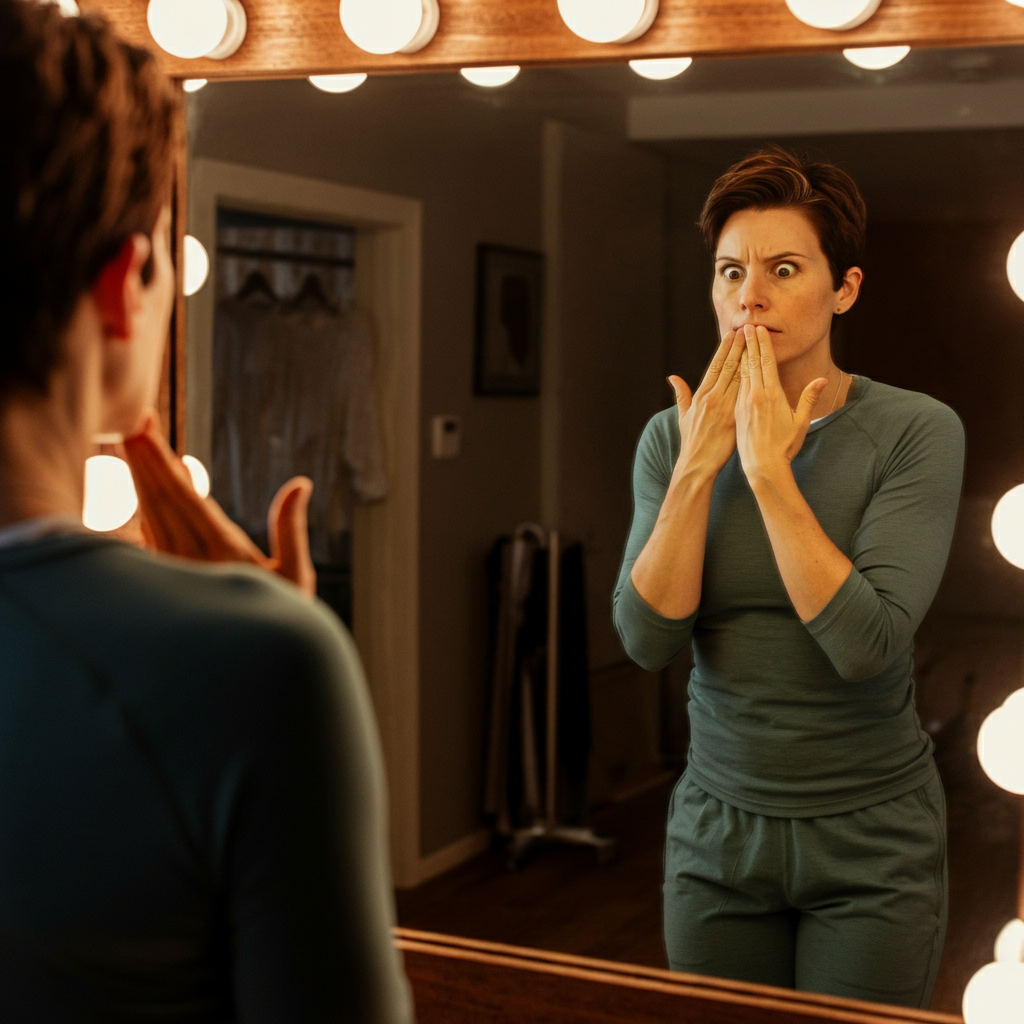
Non-verbal cues, such as body language, facial expressions, and tone of voice, play a crucial role in communication. Be mindful of your non-verbal signals, as they can reinforce or contradict your verbal message. Maintain open and confident posture, make appropriate eye contact, and use hand gestures to emphasize your points. Ensure your tone of voice aligns with the message you're conveying. Practice in front of a mirror or record yourself speaking to identify areas for improvement. Authenticity is key; avoid appearing stiff or unnatural.
Step 4: Practice Empathy and Emotional Intelligence
Empathy is the ability to understand and share the feelings of another person. Emotional intelligence encompasses self-awareness, self-regulation, motivation, empathy, and social skills. Developing these skills is crucial for effective communication. Try to see things from the other person's perspective, acknowledge their emotions, and respond with compassion. Avoid judgmental language or dismissive behavior. Show genuine interest in their thoughts and feelings. By fostering empathy, you can build trust and create stronger connections.

Step 5: Adapt Your Communication Style
Effective communicators are adaptable and tailor their style to suit the audience and context. Consider your audience's background, knowledge level, and cultural norms. Use language that is appropriate and respectful. Be aware of different communication styles and preferences. Some people prefer direct communication, while others prefer a more indirect approach. Be flexible and willing to adjust your style to ensure your message is received effectively. This demonstrates respect and enhances understanding.

Step 6: Manage Conflict Constructively
Conflict is inevitable in any relationship or organization. How you handle conflict can significantly impact the outcome. Approach conflict with a calm and respectful attitude. Listen actively to the other person's perspective, acknowledge their feelings, and try to find common ground. Avoid personal attacks or accusatory language. Focus on the issue at hand and work collaboratively to find a mutually acceptable solution. Be willing to compromise and find creative solutions.

Step 7: Master the Art of Feedback
Giving and receiving feedback is an essential component of effective communication. When giving feedback, be specific, objective, and focus on behavior rather than personality. Frame your feedback in a positive and constructive manner. When receiving feedback, be open-minded and avoid defensiveness. Listen actively, ask clarifying questions, and thank the person for their input. Use feedback as an opportunity to learn and improve. Remember, feedback is a gift that can help you grow.

Step 8: Prepare and Practice Presentations
Giving effective presentations is a valuable communication skill. Start by clearly defining your objective and understanding your audience. Structure your presentation logically and use visuals to enhance your message. Practice your delivery, paying attention to your pace, tone, and body language. Engage your audience with stories, examples, and interactive elements. Be prepared to answer questions and handle unexpected situations. Confidence comes from preparation and practice.

Common Mistakes to Avoid
- Interrupting others while they are speaking.
- Using jargon or technical terms that your audience may not understand.
- Failing to listen actively and engage with the speaker.
- Communicating passively or aggressively.
- Avoiding difficult conversations or conflict.
Pro Tips
- Record yourself speaking and analyze your delivery.
- Seek feedback from trusted friends, family, or colleagues.
- Read books and articles on communication skills.
- Join a public speaking club like Toastmasters.
- Practice active listening in your daily interactions.
FAQ Section
- Q: How can I improve my active listening skills?
- A: Practice focusing intently on the speaker, asking clarifying questions, and summarizing their message to ensure understanding.
- Q: How can I overcome my fear of public speaking?
- A: Start by practicing in front of a small group of friends or family. Gradually increase the size of your audience and focus on your message rather than your fear.
- Q: What is the best way to give constructive feedback?
- A: Be specific, objective, and focus on behavior rather than personality. Frame your feedback in a positive and constructive manner.
In conclusion, mastering the art of communication is an ongoing journey that requires dedication, practice, and a genuine desire to connect with others. By actively listening, cultivating clarity, honing your non-verbal skills, practicing empathy, adapting your style, managing conflict constructively, and mastering the art of feedback, you can unlock your full communication potential and achieve greater success in all areas of your life. Remember, effective communication is not just about what you say, but how you say it and how you listen. Embrace these skills and watch your relationships and career flourish.