Embarking on a journey to sculpt your dream body can feel overwhelming. Where do you even begin? This guide is designed to be your comprehensive starting point, providing the fundamental knowledge and practical steps needed to transform your physique safely and effectively. We'll break down the essential components of fitness, from understanding your body type to building a personalized workout plan and mastering proper nutrition.
Forget fad diets and grueling, unsustainable workouts. This isn't about quick fixes; it's about building a lifestyle. We'll focus on creating lasting habits that support your goals, emphasizing the importance of consistency, patience, and self-compassion. Remember, everyone starts somewhere, and progress, not perfection, is the key.
This guide is geared towards complete beginners, so no prior experience is necessary. We will cover the crucial aspects of effective training, nutritional guidance and recovery strategies. By following the steps outlined below, you'll be well-equipped to start sculpting the body you've always wanted.
Let's begin!
Step 1: Assess Your Starting Point
Understand Your Body Composition
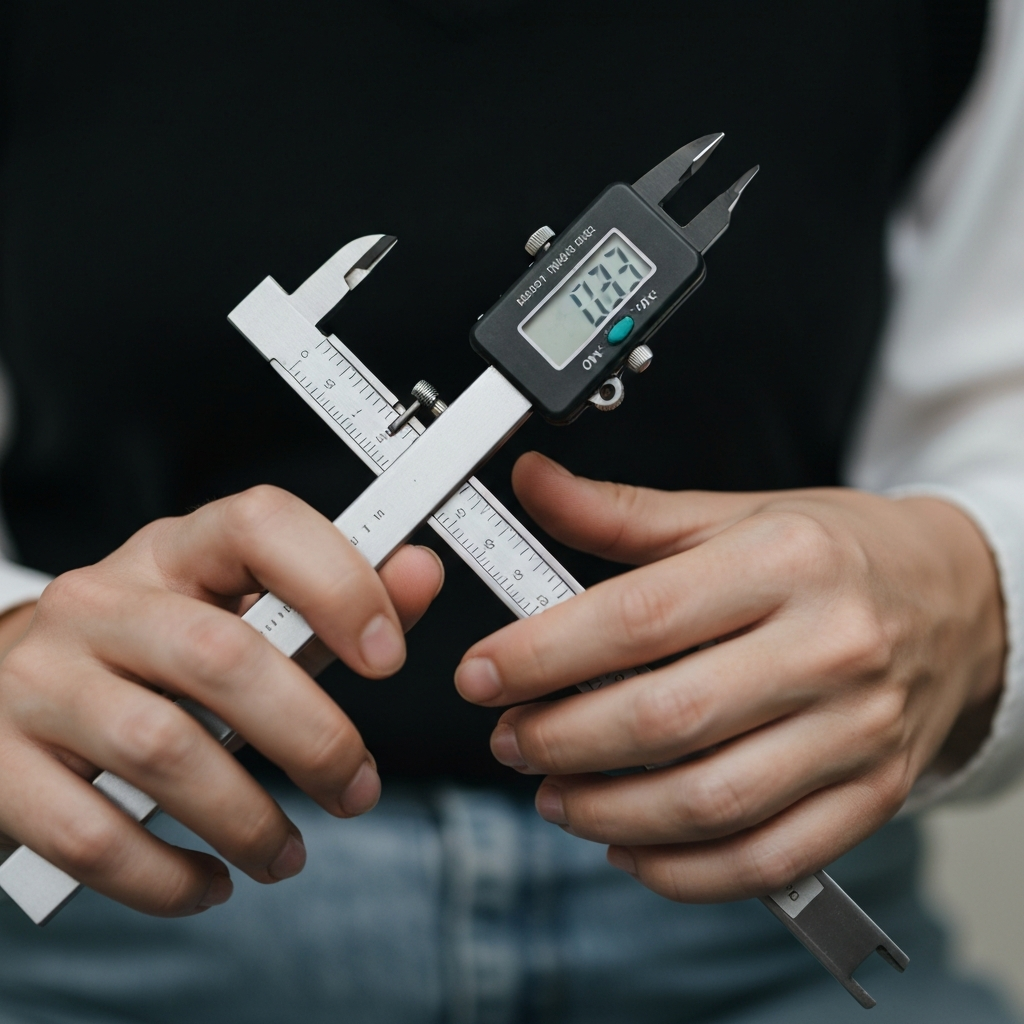
Before diving into any training program, it's crucial to understand your current body composition. This involves assessing your body fat percentage, muscle mass, and overall measurements. While a simple scale provides your weight, it doesn't differentiate between muscle and fat. Knowing your body fat percentage gives a more accurate picture of your progress. Consider using body fat calipers, a bioelectrical impedance analysis (BIA) scale (available at many gyms or for home use), or consulting with a fitness professional for a more precise assessment. Note your key measurements (waist, hips, chest, thighs, and upper arms) to track changes over time.
Step 2: Set Realistic Goals
Define Achievable Objectives
Setting realistic goals is paramount to your success. Avoid aiming for drastic transformations in unrealistic timeframes. Instead, focus on small, achievable milestones that contribute to your larger vision. For instance, aim to lose 1-2 pounds of fat per week, or to increase the weight you lift by 5-10 pounds every few weeks. Clearly define your objectives. Do you want to build muscle, lose fat, improve your overall fitness, or a combination of these? Write down your goals and break them down into smaller, actionable steps. This will make the process less daunting and keep you motivated along the way.

Step 3: Create a Training Plan
Develop a Structured Workout Routine
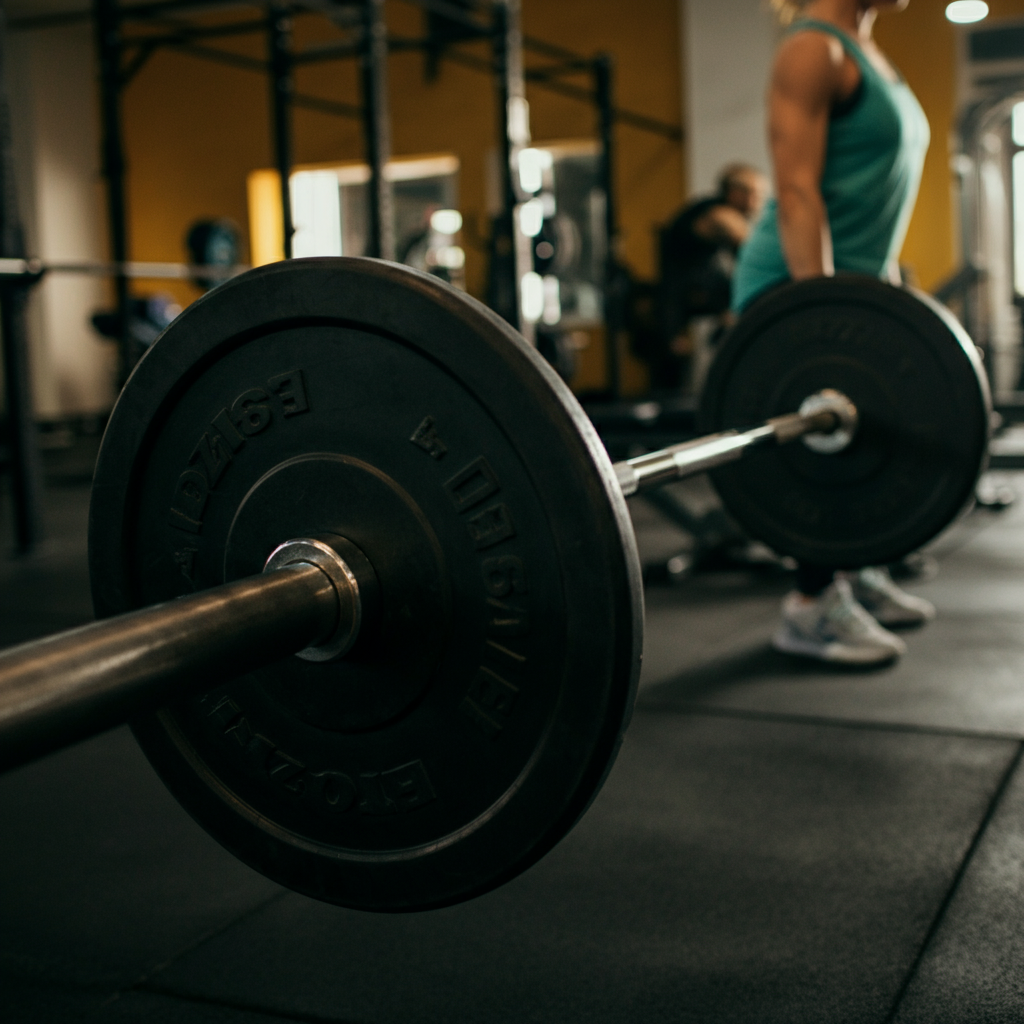
A well-structured training plan is the cornerstone of any successful body sculpting journey. For beginners, a full-body workout routine performed 2-3 times per week is ideal. Focus on compound exercises. These exercises work multiple muscle groups simultaneously and are highly effective for building strength and burning calories. Examples include squats, deadlifts, bench presses, overhead presses, and rows. Supplement these with isolation exercises like bicep curls, triceps extensions, and calf raises to target specific muscle groups. Be sure to warm up before each workout with light cardio and dynamic stretching to prepare your muscles for exercise. Cool down with static stretching to improve flexibility and reduce muscle soreness.
Step 4: Master Proper Nutrition
Fuel Your Body for Success
Nutrition is arguably the most crucial aspect of body sculpting. You can't out-train a bad diet. Focus on consuming whole, unprocessed foods. Prioritize lean protein sources. These are essential for muscle repair and growth. Include complex carbohydrates for energy, and healthy fats for hormone production and overall health. Calculate your daily caloric needs based on your goals and activity level. If you're aiming to lose fat, create a moderate caloric deficit. If you're aiming to build muscle, consume a slight caloric surplus. Track your food intake using a food tracking app or journal to ensure you're meeting your nutritional goals. Drink plenty of water throughout the day to stay hydrated and support your metabolism.

Step 5: Prioritize Rest and Recovery
Allow Your Body to Rebuild
Rest and recovery are often overlooked, but they are just as important as training and nutrition. During rest, your body repairs muscle tissue and replenishes energy stores. Aim for 7-9 hours of quality sleep per night. Incorporate active recovery days. These include light activities like walking, yoga, or stretching to improve blood flow and reduce muscle soreness. Avoid overtraining, which can lead to injuries and burnout. Listen to your body and take rest days when needed. Consider incorporating foam rolling or massage to further aid muscle recovery and reduce tightness.

Step 6: Track Your Progress
Monitor Your Results and Adjust Your Plan
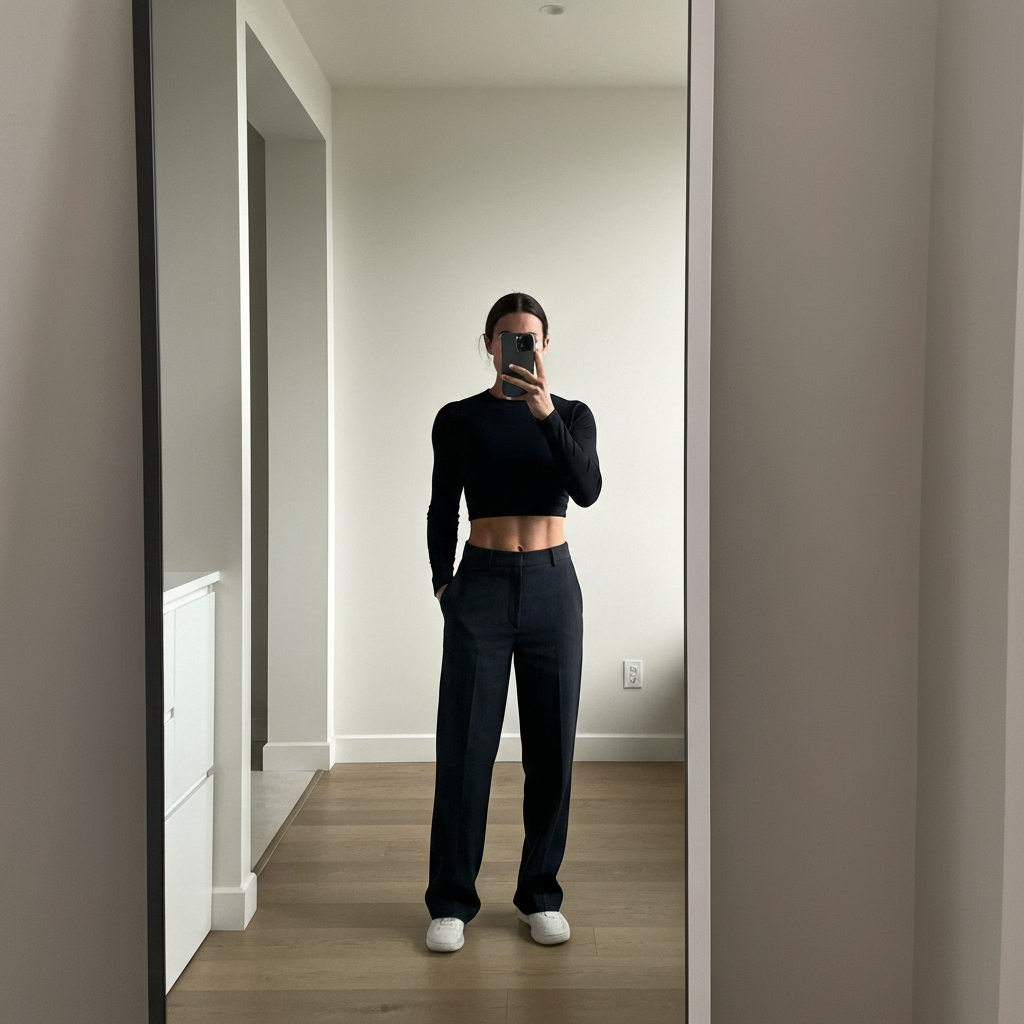
Tracking your progress is essential for staying motivated and ensuring your plan is effective. Regularly monitor your weight, body fat percentage, and measurements. Take progress photos every few weeks to visually track your transformation. Keep a training log to record your workouts, including the exercises you performed, the weight you lifted, and the number of sets and reps. Analyze your data. If you're not seeing the results you expect, adjust your training plan or nutrition accordingly. Don't be afraid to experiment and make changes until you find what works best for you.
Safety Considerations
- Consult with a healthcare professional before starting any new exercise program, especially if you have any underlying health conditions.
- Use proper form when performing exercises to prevent injuries. Watch videos and/or consult with a qualified trainer to learn the correct technique.
- Progress gradually. Don't try to lift too much weight or do too many repetitions too soon.
- Warm up before each workout and cool down afterwards.
- Stay hydrated by drinking plenty of water throughout the day.
Common Mistakes to Avoid
- Not setting realistic goals.
- Following fad diets.
- Overtraining.
- Not prioritizing rest and recovery.
- Using improper form.
- Not tracking progress.
Pro Tips
- Find a workout buddy. Having someone to train with can provide motivation and accountability.
- Prepare your meals in advance to avoid making unhealthy choices when you're short on time.
- Don't compare yourself to others. Everyone's journey is unique.
- Be patient. It takes time and effort to see results.
- Celebrate your successes along the way!
FAQ Section
Q: How long will it take to see results?
A: Results vary depending on individual factors such as genetics, diet, and training intensity. However, with consistent effort, you can typically expect to see noticeable changes within 4-8 weeks.
Q: Do I need to take supplements?
A: Supplements are not essential, but some can be beneficial. Protein powder can help you meet your protein needs, and creatine can improve strength and power. Consult with a healthcare professional or registered dietitian before taking any supplements.
Q: What if I miss a workout?
A: Don't beat yourself up about it. Just get back on track with your next scheduled workout. Consistency is key, but occasional missed workouts are normal.
Conclusion
Sculpting your dream body is a challenging but rewarding journey. By following the steps outlined in this guide, setting realistic goals, and staying consistent with your training and nutrition, you can achieve your desired physique. Remember to prioritize rest and recovery, track your progress, and celebrate your successes along the way. Most importantly, be patient and enjoy the process. Your dream body is within reach!