Sleep. It's often the forgotten component in the relentless pursuit of athletic excellence. We meticulously track our macros, obsess over training schedules, and invest in the latest gear, yet consistently undervalue the restorative power of a good night's rest. But what if I told you that optimizing your sleep could be the single most effective, and cost-free, performance enhancer available?
This isn't just about getting more hours; it's about understanding the intricate relationship between sleep architecture, hormonal balance, and recovery. By strategically manipulating your sleep environment, timing, and pre-sleep routines, you can unlock a new level of physical and mental resilience, leading to faster recovery times, improved cognitive function, and ultimately, superior athletic performance.
This guide provides a practical, step-by-step approach to "hacking" your sleep. It's not a one-size-fits-all solution; it's about understanding the underlying principles and experimenting to find what works best for your unique physiology and training demands. Get ready to unlock the power of sleep and elevate your game.
Step 1: Establish a Consistent Sleep Schedule
Consistency is king when it comes to regulating your body's natural sleep-wake cycle, also known as your circadian rhythm. Aim to go to bed and wake up at roughly the same time every day, even on weekends. This helps to synchronize your internal clock, making it easier to fall asleep and wake up feeling refreshed. Inconsistency throws off hormonal regulation, making it difficult for your body to know when to release melatonin (the sleep hormone) and cortisol (the stress hormone).

Step 2: Optimize Your Sleep Environment
Your bedroom should be a sanctuary dedicated to sleep. This means minimizing distractions and creating a conducive atmosphere for rest. Darkness is paramount for melatonin production. Invest in blackout curtains or wear a sleep mask to block out any ambient light. The temperature should be cool, ideally between 60-67 degrees Fahrenheit (15-19 degrees Celsius). Ensure good ventilation and minimize noise. Consider using earplugs or a white noise machine to drown out disruptive sounds. A comfortable mattress and pillow are also crucial for spinal alignment and minimizing discomfort.
Step 3: Master Pre-Sleep Relaxation Techniques
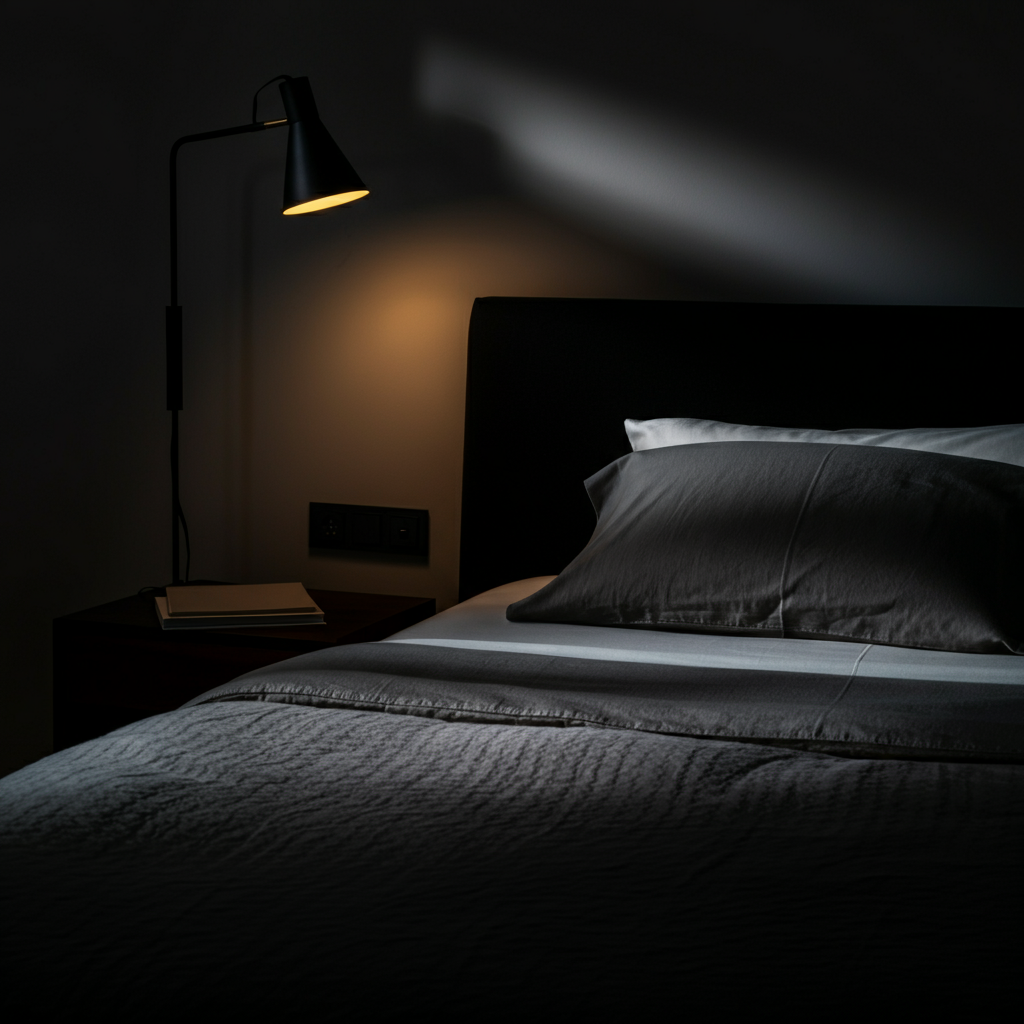
Athletes often struggle to wind down after intense training sessions. Racing thoughts and elevated cortisol levels can interfere with sleep onset. Implement a consistent pre-sleep routine to signal to your body that it's time to rest. This could include taking a warm bath or shower, reading a book (not on a screen), practicing gentle stretching or yoga, or engaging in mindfulness meditation. Avoid caffeine and alcohol in the hours leading up to bedtime, as these can disrupt sleep architecture. Dim the lights in your house an hour or two before bed to encourage melatonin production.

Step 4: Strategic Napping (If Appropriate)
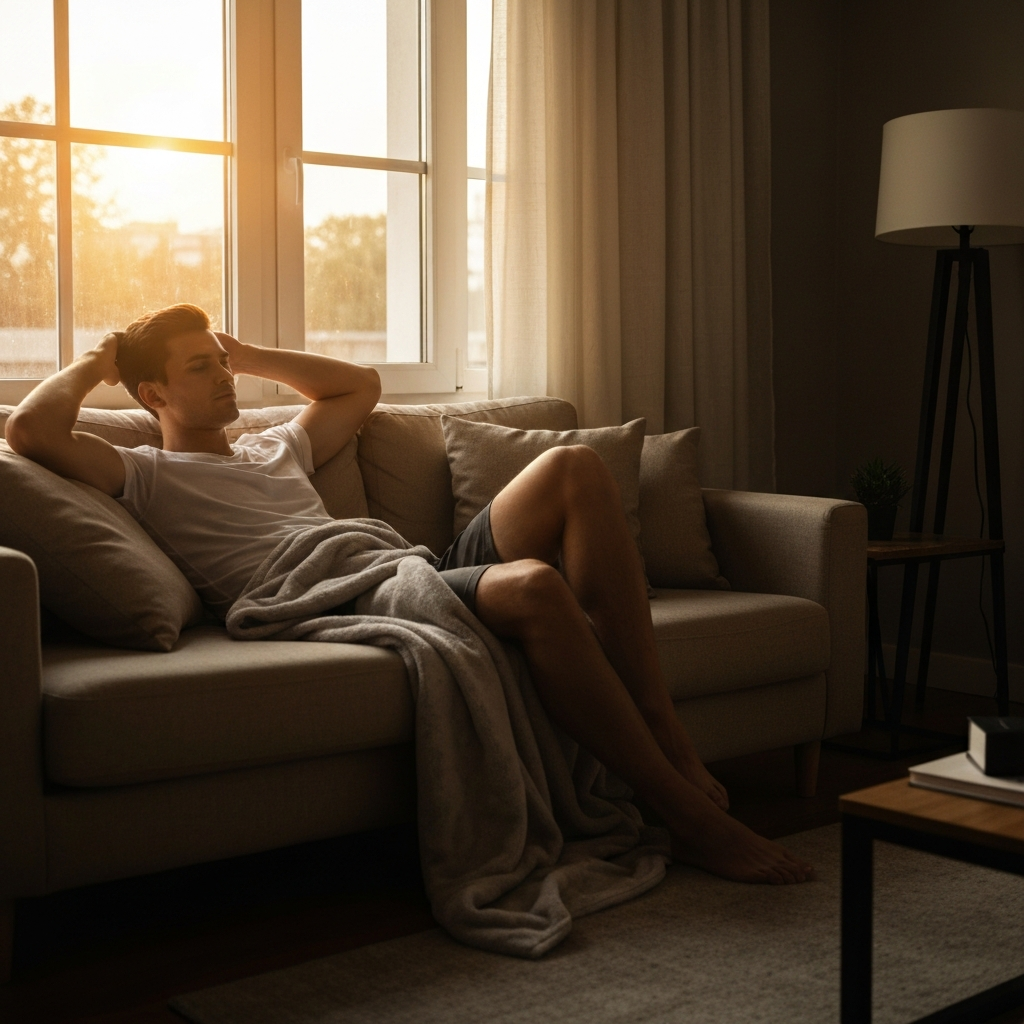
Napping can be a powerful tool for boosting athletic performance, but it needs to be done strategically. Short naps (20-30 minutes) can improve alertness and cognitive function without leading to grogginess. Avoid naps longer than 90 minutes, as these can interfere with nighttime sleep. The ideal time for a nap is typically in the early afternoon, when your circadian rhythm dips naturally. Experiment to find what works best for your individual needs and training schedule. Not everyone is a good napper; if you find that napping disrupts your nighttime sleep, it's best to avoid it.
Step 5: Optimize Your Nutrition for Sleep
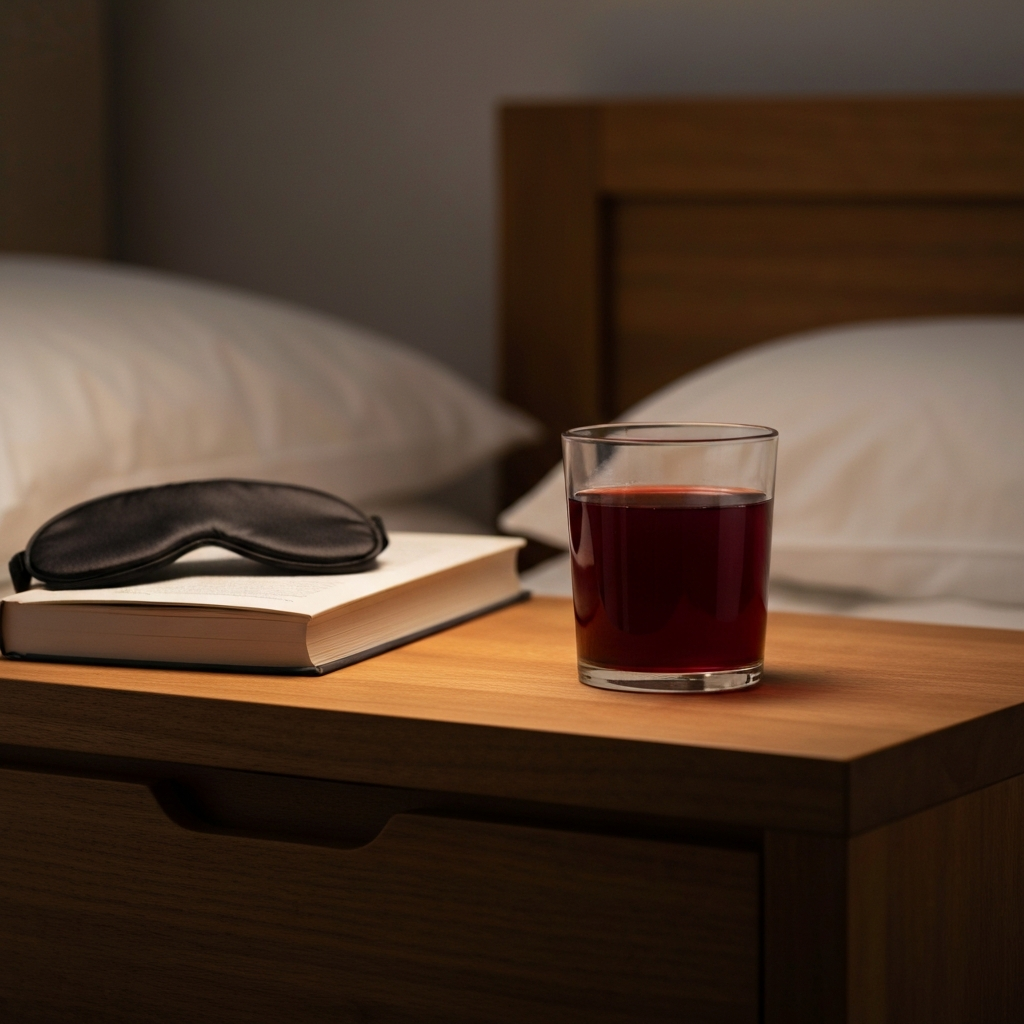
What you eat and when you eat it can significantly impact your sleep quality. Avoid heavy meals close to bedtime, as these can interfere with digestion and sleep onset. Consider incorporating sleep-promoting foods into your diet, such as tart cherry juice (a natural source of melatonin), almonds (rich in magnesium), and chamomile tea. If you are carb loading before an event, eat 1-1.5 g of carbs per kg (2.2-3.3 g per lb) of body weight 30 minutes after the end of the event, and afterward, consume the same number of carbs every 2 hours for the next 4-6 hours. Remember to eat carbs as part of a balanced meal.
Step 6: Monitor and Adjust
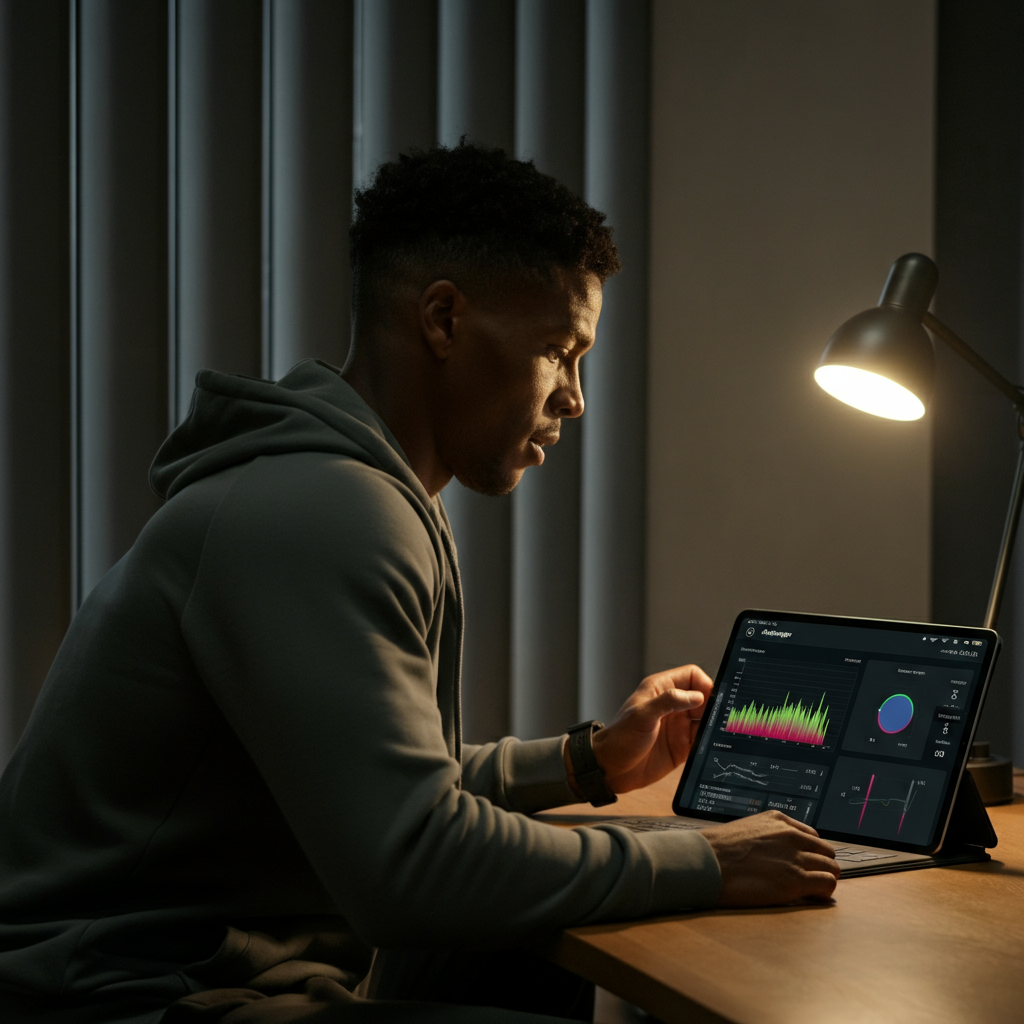
Sleep is a highly individual experience, and what works for one athlete may not work for another. Use a sleep tracker (such as a wearable device or a sleep diary) to monitor your sleep patterns and identify areas for improvement. Pay attention to how you feel upon waking and throughout the day. Are you feeling refreshed and energized, or sluggish and fatigued? Adjust your sleep schedule, environment, and pre-sleep routines based on your individual needs and responses. Consistency and self-awareness are key to unlocking the full potential of sleep for athletic performance.
Common Mistakes to Avoid
- Inconsistent Sleep Schedule: Irregular sleep patterns disrupt your circadian rhythm and hormonal balance.
- Too Much Screen Time Before Bed: Blue light emitted from electronic devices suppresses melatonin production.
- Caffeine or Alcohol Consumption Too Close to Bedtime: These substances can interfere with sleep onset and sleep quality.
- Ignoring Sleep Hygiene: A poorly optimized sleep environment can prevent you from achieving restful sleep.
- Over-Training Without Adequate Recovery: Overtraining can lead to elevated cortisol levels and sleep disturbances.
Pro Tips
- Implement a "wind-down" alarm: Set an alarm an hour or two before bedtime as a reminder to begin your pre-sleep routine.
- Consider a sleep coach or specialist: If you have persistent sleep problems, consult with a professional.
- Experiment with different sleep aids: Explore options such as melatonin supplements (consult with a doctor first), magnesium, or herbal remedies.
- Prioritize sleep during periods of intense training or competition: Make sleep a non-negotiable part of your recovery strategy.
- Hydrate properly: Dehydration can impact sleep quality, so ensure adequate hydration throughout the day.
FAQ Section
- How much sleep do I need as an athlete?
- Most athletes require 7-9 hours of sleep per night, but some may need even more, especially during periods of intense training or competition.
- What is the best time to go to bed for optimal recovery?
- Aim to go to bed before 11 pm to align with your natural circadian rhythm and maximize melatonin production.
- Can I make up for lost sleep on the weekends?
- While catching up on sleep can be beneficial, it's not a substitute for consistent sleep habits. Try to maintain a regular sleep schedule as much as possible.
- How long does it take to see the benefits of optimizing my sleep?
- You may start to notice improvements in your energy levels and recovery within a few days, but it can take several weeks to fully optimize your sleep patterns.
Conclusion
Sleep is not a luxury; it's a necessity for peak athletic performance. By implementing the strategies outlined in this guide, you can unlock the restorative power of sleep and elevate your game. Remember, consistency, self-awareness, and experimentation are key to finding what works best for your unique needs. Prioritize sleep, and watch your performance soar.