Achieving a superhero physique isn't just about brute strength; it's about a balanced, aesthetically pleasing, and functional body. Calisthenics, or bodyweight training, provides an accessible and highly effective path to reaching this goal. It emphasizes mastery over your own body, building lean muscle, improving mobility, and developing exceptional body control. This guide will outline a comprehensive strategy to sculpt your body into a powerful, visually impressive form, using nothing but your own body weight.
Many believe you need heavy weights and specialized equipment to achieve that coveted superhero look. However, calisthenics offers a viable, and often superior, alternative. By progressing through carefully chosen exercises and manipulating variables like leverage, volume, and rest, you can stimulate significant muscle growth and definition. We will explore the key principles, exercises, and training protocols to unlock your body's full potential.
Step 1: Master the Foundation – Movement Proficiency
Before attempting advanced exercises, it's crucial to build a solid foundation. This means mastering fundamental movement patterns and achieving a baseline level of strength and stability. Focus on perfect form and controlled movements to prevent injuries and maximize results. This initial phase is not about pushing your limits, but about establishing a safe and effective training practice. Proper execution is paramount. A flawed foundation will hinder progress later on.
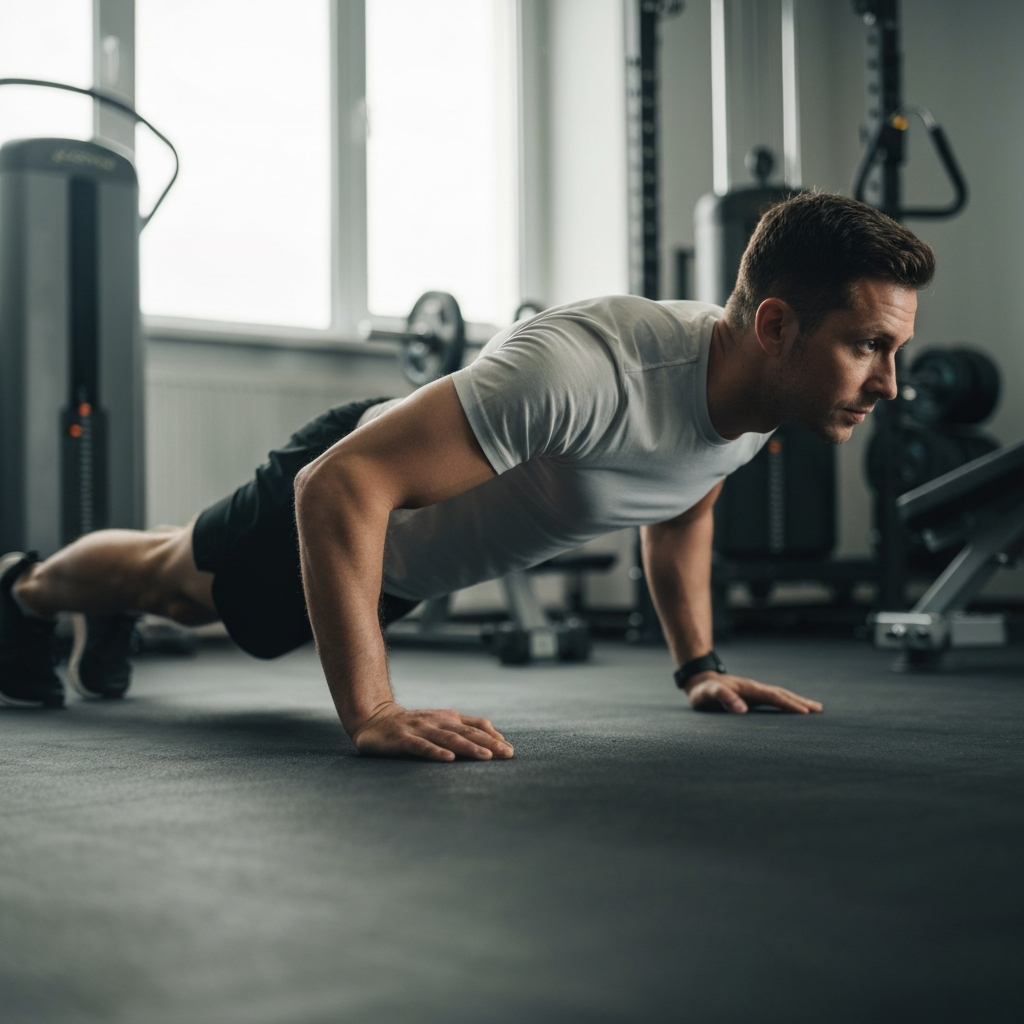
Begin with exercises like squats, push-ups (variations to suit your strength), planks, inverted rows (using a table or sturdy bar), and walking lunges. Perform 2-3 sets of 10-15 repetitions for each exercise, focusing on quality over quantity. Prioritize full range of motion and controlled descent and ascent.
Step 2: Progressive Overload – The Key to Growth
Progressive overload is the cornerstone of any successful strength training program. It involves gradually increasing the demands placed on your body, forcing it to adapt and grow stronger. In calisthenics, this can be achieved by increasing reps, sets, decreasing rest time, or, most importantly, progressing to more difficult exercise variations. Don't get stuck doing the same exercises for months – constantly challenge your body with new variations and increased intensity. This principle directly applies to calisthenics, where you use progressions like moving from wall push-ups, to incline push-ups, to standard push-ups, to decline push-ups.
Track your workouts meticulously. Note the number of reps, sets, and the difficulty level of each exercise. When you can comfortably perform the target number of repetitions with good form, it's time to progress to a more challenging variation. For example, once you can easily perform 15 regular push-ups, progress to decline push-ups or diamond push-ups.

Step 3: Calisthenics Exercise Selection – Targeting Key Muscle Groups
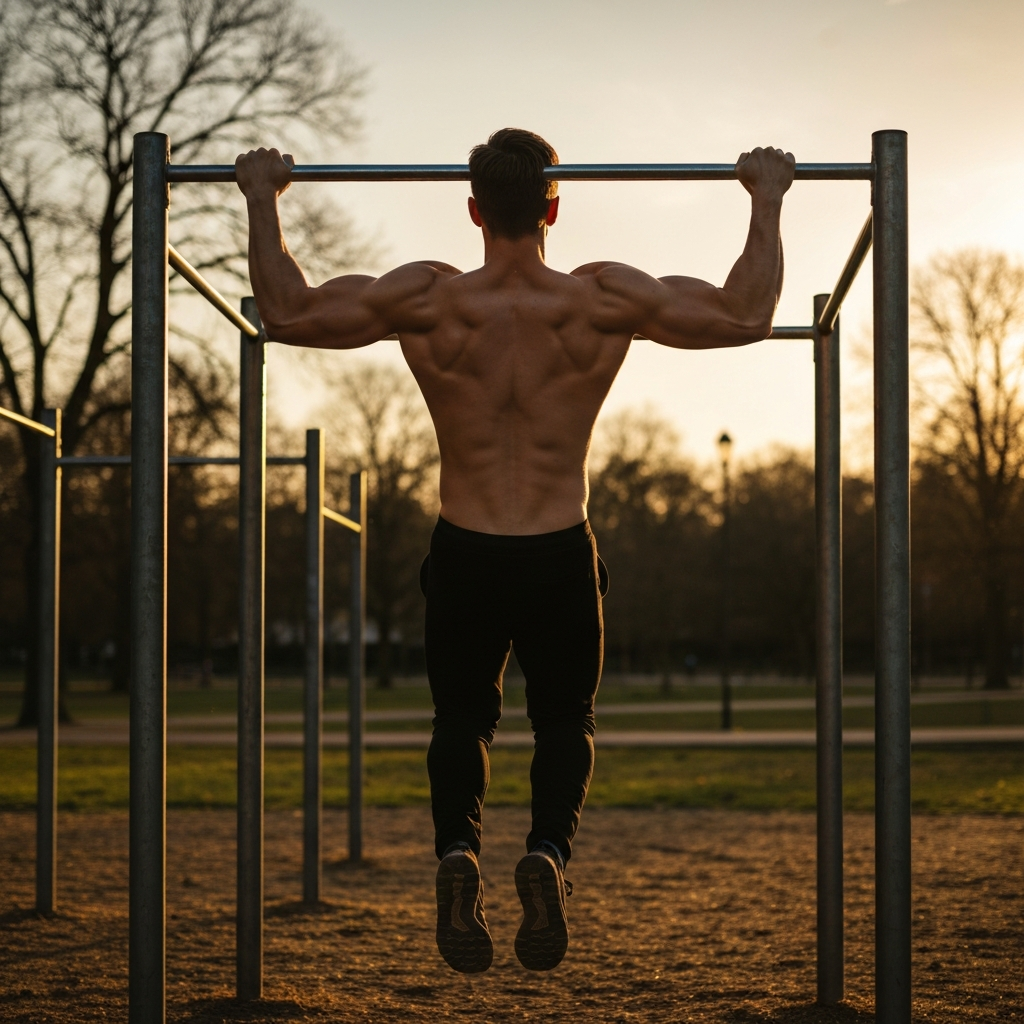
To achieve a superhero physique, you need to strategically target key muscle groups. Focus on compound exercises that work multiple muscles simultaneously, such as pull-ups (for back and biceps), dips (for chest and triceps), handstand push-ups (for shoulders), and pistol squats (for legs). Supplement these with isolation exercises to target specific areas that need more development. Remember, a balanced physique is key – don't neglect any muscle group. Neglecting a muscle group can not only result in an imbalanced look, but can also lead to injury. Make sure to incorporate exercises for back, chest, shoulders, arms, and legs.
Here's a sample workout split: * **Day 1: Upper Body Push:** Push-ups (various progressions), dips, handstand push-up progressions * **Day 2: Lower Body:** Squats (various progressions), lunges, pistol squat progressions, calf raises * **Day 3: Rest** * **Day 4: Upper Body Pull:** Pull-ups (various progressions), rows (various progressions), face pulls * **Day 5: Core:** Planks (various variations), leg raises, Russian twists * **Day 6 & 7: Rest** Adjust this based on your experience level and recovery capacity. Prioritize proper form and controlled movements.
Step 4: Optimizing Nutrition – Fueling Muscle Growth
Nutrition plays a critical role in building a superhero physique. You need to consume enough protein to support muscle growth and repair, adequate carbohydrates to fuel your workouts, and healthy fats for hormone production and overall health. Calculate your macronutrient needs based on your body weight, activity level, and goals. As a general guideline, aim for 0.8-1 gram of protein per pound of bodyweight. This is critical in ensuring your hard work translates into muscle growth and not just fat loss.
Focus on whole, unprocessed foods like lean protein sources (chicken, fish, beans), complex carbohydrates (oats, brown rice, sweet potatoes), and healthy fats (avocados, nuts, olive oil). Drink plenty of water throughout the day to stay hydrated and support muscle function. Consider tracking your calorie and macronutrient intake to ensure you are meeting your goals. If you're trying to lose fat, you'll need a slight caloric deficit, while if you're trying to build muscle, you'll need a slight caloric surplus.

Step 5: Rest and Recovery – Allowing Your Body to Rebuild
Rest and recovery are just as important as training and nutrition. Your muscles don't grow during your workouts; they grow during rest. Aim for 7-9 hours of quality sleep per night to optimize hormone production and muscle recovery. Overtraining can lead to plateaus, injuries, and burnout. Listen to your body and take rest days when needed. This aspect is often overlooked, but it is essential for consistent progress.
Incorporate active recovery techniques like light cardio, stretching, and foam rolling to improve blood flow and reduce muscle soreness. Consider using strategies like deload weeks, where you reduce your training volume and intensity to allow your body to fully recover.

Step 6: Advanced Calisthenics Skills – Pushing Your Limits
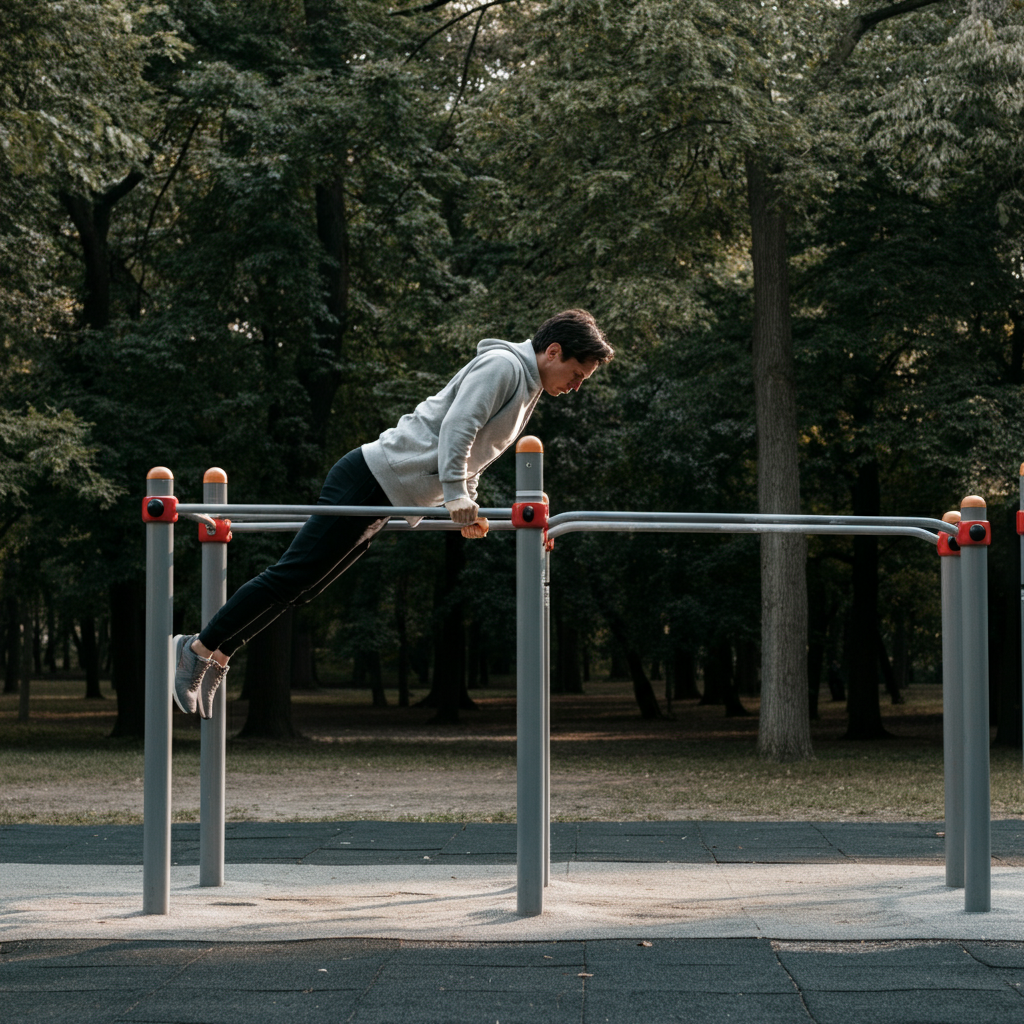
Once you've mastered the fundamental exercises, it's time to explore more advanced calisthenics skills. These exercises require a high degree of strength, coordination, and body control. Examples include muscle-ups, handstand push-ups, front levers, and planche progressions. Approach these skills with patience and consistent practice. Break them down into smaller, more manageable progressions. Never try to rush into an advanced movement before you're ready.
Use a structured approach to learn these skills. Focus on building the necessary prerequisite strength and mobility. For example, before attempting a muscle-up, you should be able to perform at least 10-15 pull-ups with good form. Film yourself performing the exercises to identify areas for improvement and make sure you're maintaining proper form.
Common Mistakes to Avoid
One common mistake is neglecting proper form in favor of completing more repetitions. Always prioritize quality over quantity. Incorrect form can lead to injuries and hinder progress. Another common mistake is not progressively overloading your muscles. If you're doing the same exercises for months without increasing the difficulty, you won't see significant results. Lastly, many people underestimate the importance of rest and recovery. Overtraining can be detrimental to your progress.
Safety Considerations
Always warm up before each workout with dynamic stretches and light cardio. Listen to your body and stop if you feel any pain. Ensure you have adequate space to perform the exercises safely. If you're new to calisthenics, consider working with a qualified coach or trainer to learn proper form and technique.
Pro Tips
Vary your training routine to prevent plateaus and keep your workouts engaging. Incorporate different rep ranges, set variations, and exercise combinations. Focus on mind-muscle connection – consciously engage the target muscles during each exercise. Visualize yourself performing the exercises correctly to improve your technique and performance. Stay consistent with your training and nutrition, and be patient – results take time and effort.
FAQ Section
**Q: How long will it take to see results?** A: Results vary depending on individual factors such as genetics, training experience, and consistency. However, with a well-structured program and consistent effort, you can expect to see noticeable improvements in strength and muscle definition within 8-12 weeks.
**Q: Do I need any equipment to do calisthenics?** A: No, calisthenics can be done with minimal equipment. A pull-up bar and a set of gymnastic rings can be helpful, but most exercises can be performed using just your body weight.
**Q: Can I build muscle with calisthenics?** A: Yes, you can definitely build muscle with calisthenics. By progressively overloading your muscles and optimizing your nutrition, you can stimulate significant muscle growth.
Conclusion
Sculpting a superhero physique with calisthenics is a challenging but rewarding journey. By mastering the fundamentals, progressively overloading your muscles, optimizing your nutrition, and prioritizing rest and recovery, you can unlock your body's full potential and achieve a powerful, visually impressive physique. Remember to stay consistent, be patient, and enjoy the process. Consistency and dedication are the keys to success in any fitness endeavor. Embrace the journey, and you'll be amazed at what you can achieve with just your body weight.