Finding your authentic style is a journey of self-discovery, a process of aligning your outward appearance with your inner self. It's about curating a personal aesthetic that truly reflects who you are, your values, and your unique perspective on the world. This isn't about following trends or conforming to societal expectations; it's about embracing your individuality and expressing it confidently.
This blueprint will guide you through a series of steps to uncover and cultivate your authentic style. It’s a personal care regimen that extends beyond skincare and fitness, delving into the realms of self-awareness, experimentation, and ultimately, self-acceptance. Remember, authenticity is not a destination but a continuous evolution. Be prepared to adjust and refine your style as you grow and change.
By investing time and effort in developing your authentic style, you're not just improving your outward appearance; you're fostering a deeper connection with yourself. This newfound confidence and self-assurance will permeate all aspects of your life, empowering you to pursue your goals and live a more fulfilling existence.
Step 1: Self-Reflection and Discovery
Before diving into clothes and aesthetics, it's crucial to understand yourself. What are your values? What are your passions? What makes you feel alive and confident? Your authentic style should be a reflection of these inner qualities. Take time to journal, meditate, or simply reflect on what truly matters to you. Consider the environments where you feel most comfortable and the people you admire. What are the common threads?

Step 2: Identify Your Style Inspirations
Look to sources that resonate with your values and aesthetic sensibilities. This could be anything from historical figures and artists to contemporary influencers and everyday individuals. Create a mood board or Pinterest board filled with images that evoke the feeling you want your style to convey. Don't limit yourself to fashion; include art, architecture, nature, and anything else that inspires you. Analyze these images and identify recurring themes and elements that appeal to you.
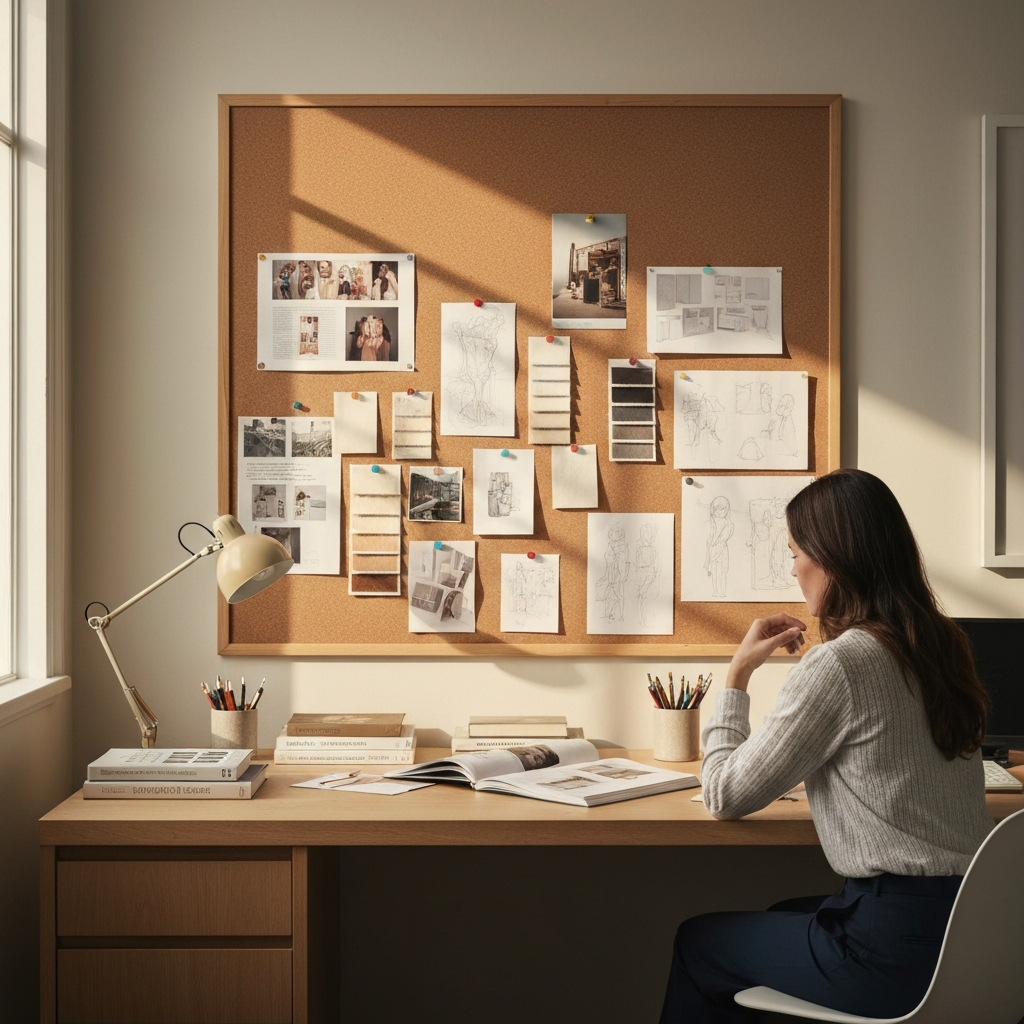
Step 3: Experiment with Different Looks
This is where the fun begins! Start experimenting with different clothing styles, colors, and silhouettes. Visit thrift stores, try on clothes you wouldn't normally consider, and step outside of your comfort zone. Take pictures of yourself in different outfits and analyze what works and what doesn't. Don't be afraid to make mistakes; this is a learning process. Consider renting clothing or borrowing from friends to try out new styles without making a significant investment.

Step 4: Define Your Color Palette
Colors have a powerful impact on how we feel and how we are perceived. Experiment with different color combinations to find the ones that complement your skin tone, hair color, and personal preferences. Consider getting a professional color analysis to determine your ideal color palette. Once you identify your best colors, you can build a wardrobe that is cohesive and flattering. Pay attention to how different colors make you feel when you wear them.
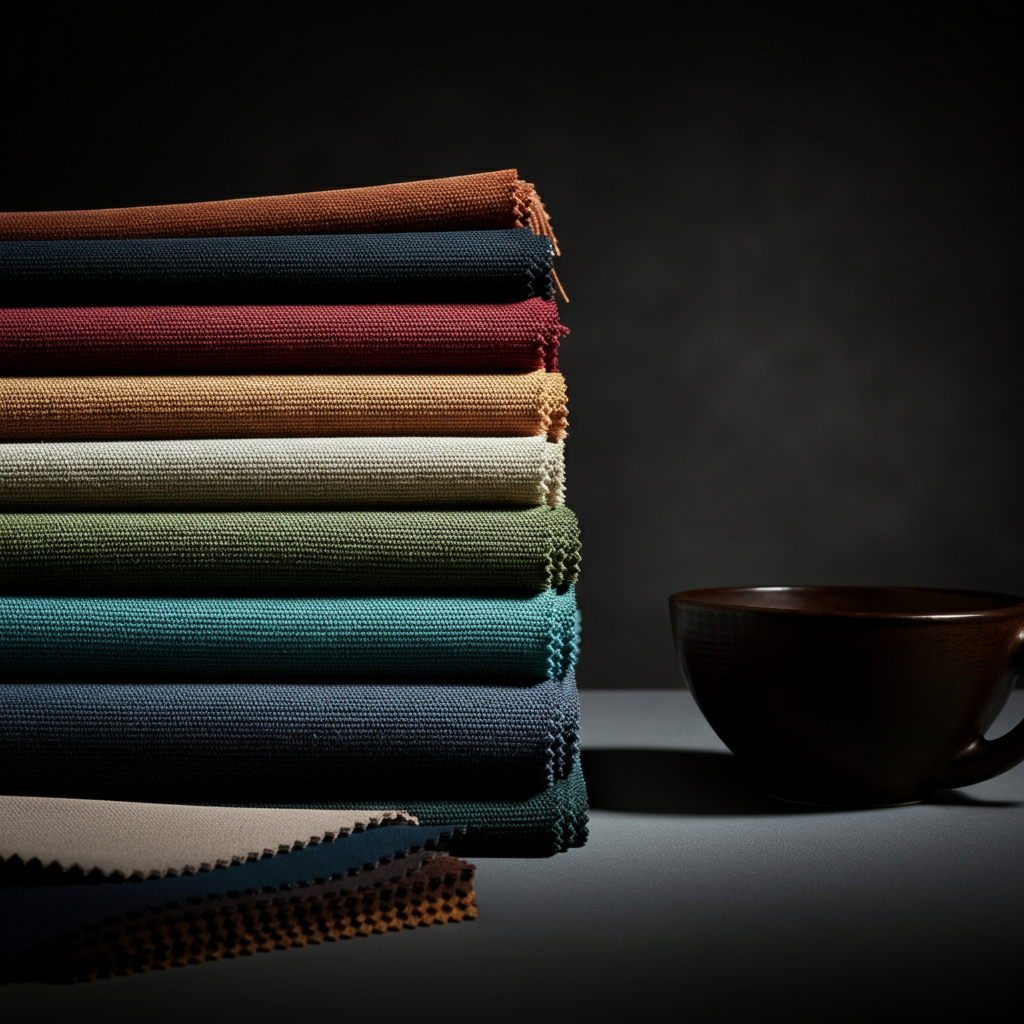
Step 5: Focus on Fit and Comfort
No matter how stylish an outfit may be, it won't look good if it doesn't fit properly. Invest in well-fitting clothes that flatter your body shape. Consider getting your clothes tailored for a perfect fit. Comfort is also key; if you're not comfortable in what you're wearing, your discomfort will be visible. Choose fabrics and styles that allow you to move freely and confidently.
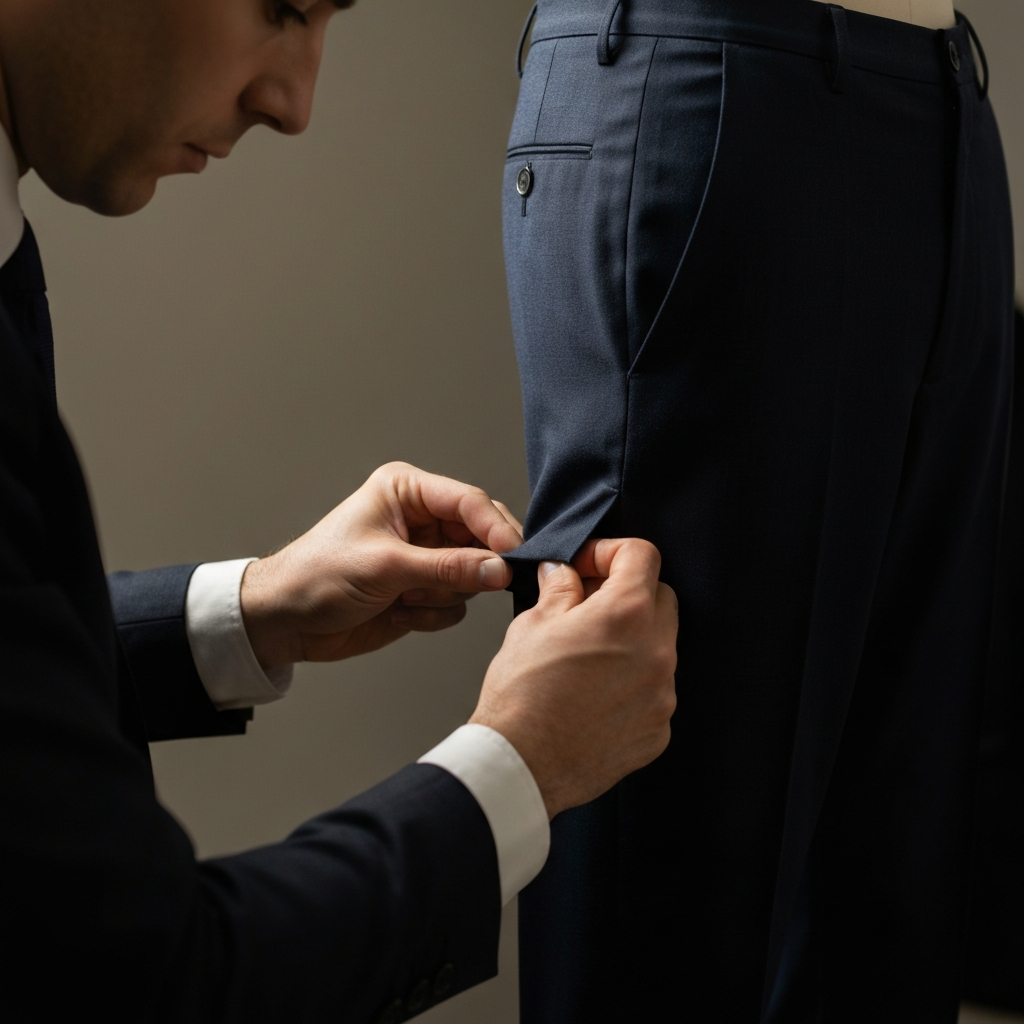
Step 6: Accessorize Strategically
Accessories can make or break an outfit. Choose accessories that complement your overall style and add a personal touch. This could include jewelry, scarves, hats, belts, or bags. Less is often more; avoid overwhelming your look with too many accessories. Invest in quality accessories that will last and that you truly love.
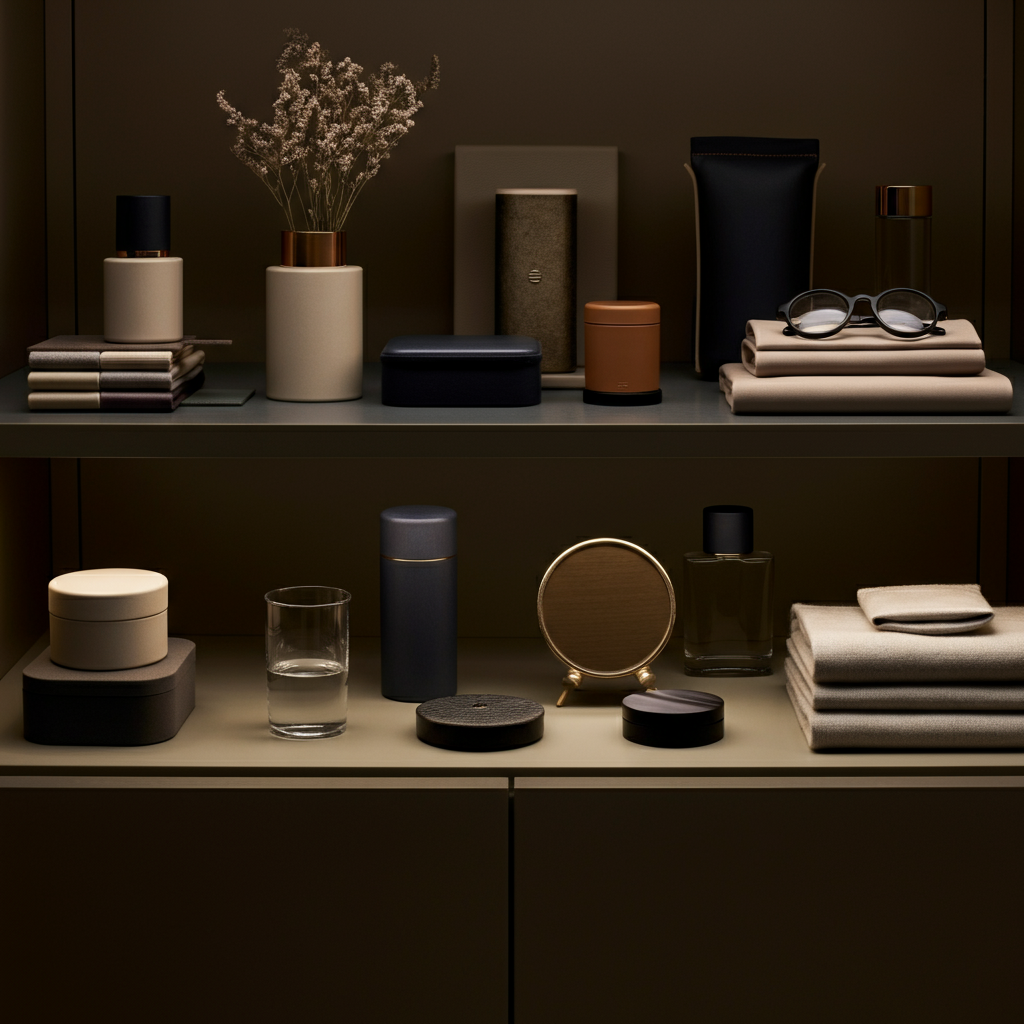
Step 7: Curate a Wardrobe of Essentials
Build a wardrobe of versatile basics that can be mixed and matched to create a variety of outfits. This could include classic pieces like a well-fitting blazer, a pair of dark-wash jeans, a little black dress, and a crisp white shirt. Choose high-quality fabrics that will stand the test of time. Invest in pieces that you can wear for multiple occasions and that reflect your personal style.

Step 8: Grooming and Personal Care
Your personal style extends beyond your clothing to encompass your grooming habits. Maintain a skincare routine that keeps your skin healthy and radiant. Experiment with different hairstyles and makeup looks to find what suits you best. Good hygiene is essential for feeling confident and presenting your best self. Consider your overall presentation, including your posture and body language.

Step 9: Embrace Imperfection and Evolve
Your authentic style is not a static entity; it's a living, breathing expression of who you are. Be open to change and evolution. Don't be afraid to experiment and try new things. Embrace your imperfections and learn from your mistakes. The most important thing is to feel confident and comfortable in your own skin.
Common Mistakes to Avoid
- Trying to copy someone else's style.
- Following trends blindly.
- Ignoring your body shape and proportions.
- Wearing clothes that are uncomfortable.
- Being afraid to experiment.
Pro Tips
- Seek inspiration from unconventional sources.
- Don't be afraid to break the rules.
- Invest in quality over quantity.
- Find a tailor who can help you achieve the perfect fit.
- Trust your intuition.
FAQ Section
Q: How do I know if a style is truly "me"?
A: If it feels authentic, comfortable, and empowering, it's likely a good fit. Pay attention to how you feel when you wear it. Does it make you feel confident and like yourself?
Q: How much should I spend on building my wardrobe?
A: There's no magic number. Focus on quality over quantity and invest in versatile pieces that you can wear for years to come. Consider shopping at thrift stores and consignment shops to save money.
Q: What if my style changes over time?
A: That's perfectly normal! Your style should evolve as you grow and change as a person. Embrace the evolution and enjoy the journey of self-discovery.
Conclusion
Developing your authentic style is a personal journey that requires self-reflection, experimentation, and self-acceptance. By following these steps, you can curate a personal aesthetic that reflects your inner self and empowers you to live a more confident and fulfilling life. Remember that your style is a form of self-expression, so have fun with it and don't be afraid to be yourself. Embrace the process, enjoy the journey, and rock your authentic style with confidence!