Transforming everyday household scraps into valuable garden resources is not only environmentally friendly but also surprisingly rewarding. By creatively repurposing what you might typically throw away, you can enrich your soil, create effective plant supports, and even deter pests, all while reducing waste and saving money. This guide will walk you through several practical and innovative ways to turn your trash into garden treasures.
The beauty of repurposing lies in its simplicity and accessibility. No need for fancy equipment or specialized knowledge; with a little imagination and effort, you can unlock the hidden potential in items destined for the landfill. This approach allows you to connect more deeply with your garden, fostering a sense of resourcefulness and sustainability.
Embrace the challenge and discover the satisfaction of creating something useful and beautiful from what others discard. Your garden will thank you, and so will the planet.
Step 1: Coffee Grounds as Soil Amendment
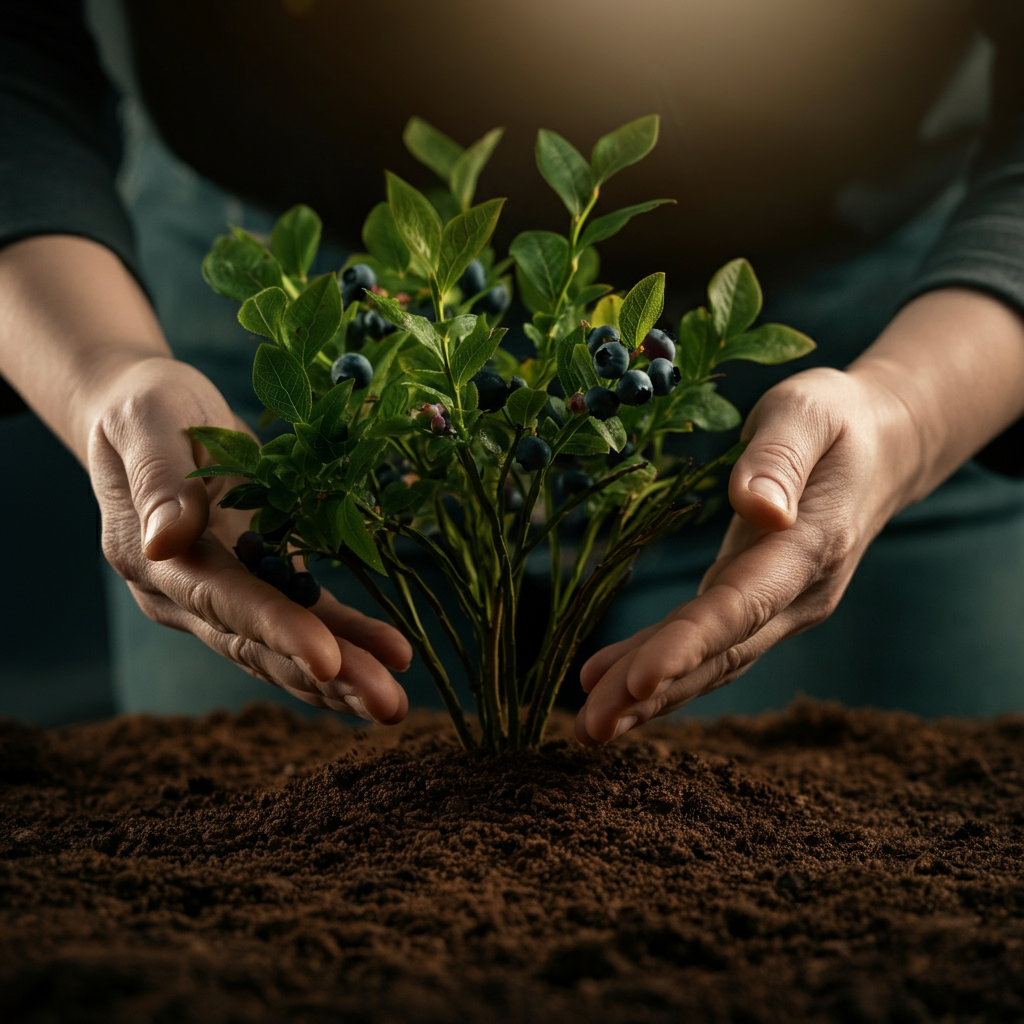
Coffee grounds are a fantastic source of nitrogen and other essential nutrients for your garden soil. As they decompose, they release these nutrients slowly, promoting healthy plant growth. Coffee grounds are particularly beneficial for acid-loving plants, such as blueberries, azaleas, and hydrangeas. They also improve soil structure, enhancing drainage and aeration.
To use coffee grounds, simply sprinkle them around the base of your plants or incorporate them directly into the soil. Be careful not to apply them too thickly, as this can create a barrier that prevents water from reaching the roots. Allow the grounds to dry out slightly before using them, especially if you plan to store them, to prevent mold growth. You can also add coffee grounds to your compost pile to enrich the compost.
Step 2: Eggshells for Calcium Enrichment and Pest Control
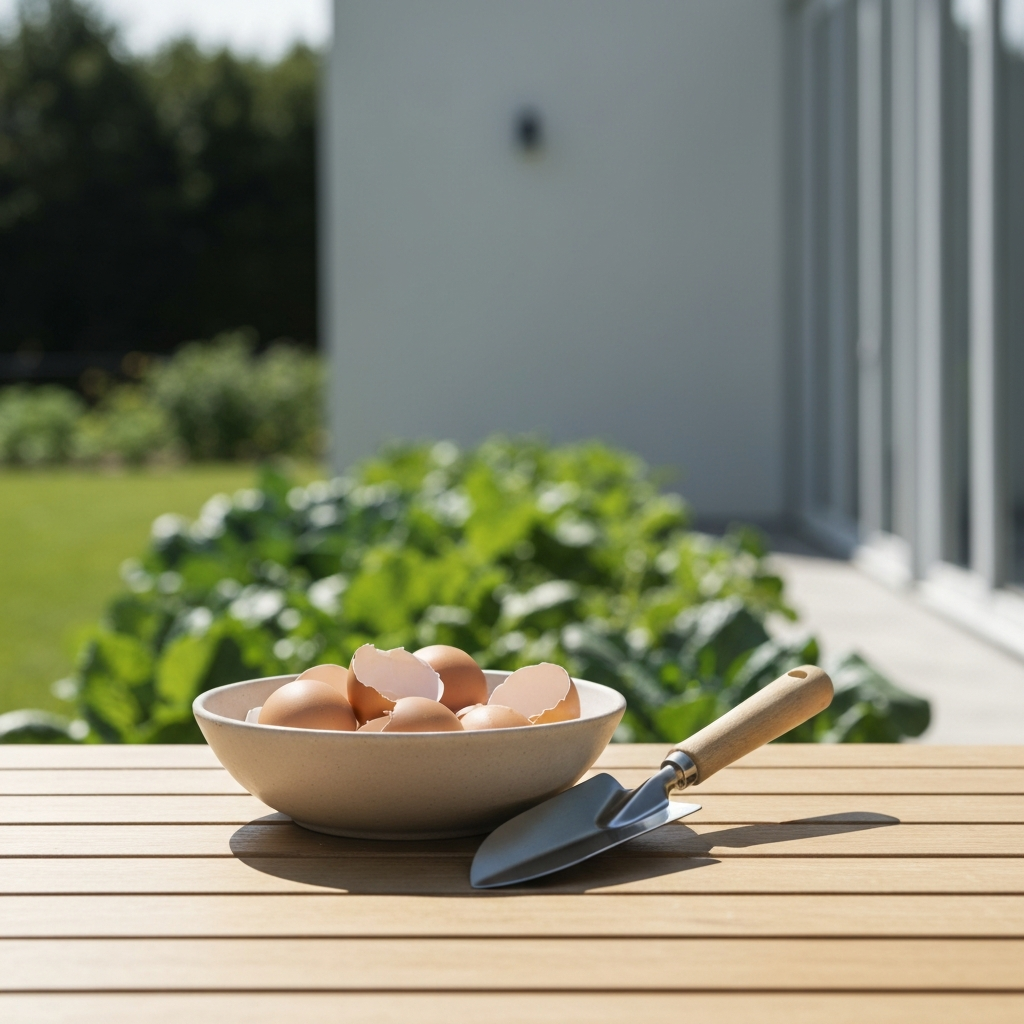
Eggshells are a rich source of calcium carbonate, a vital nutrient for plant growth. Calcium strengthens cell walls, helping plants resist disease and produce strong stems and abundant fruits. Tomato plants, in particular, benefit greatly from the addition of calcium, as it helps prevent blossom-end rot, a common problem caused by calcium deficiency.
To prepare eggshells for garden use, rinse them thoroughly to remove any remaining egg whites. Allow them to dry completely and then crush them into small pieces. You can sprinkle the crushed eggshells around the base of your plants or incorporate them into the soil before planting. Some gardeners also use eggshells as a natural pest deterrent, as the sharp edges can discourage slugs and snails. Simply scatter crushed eggshells around vulnerable plants to create a barrier.
Step 3: Vegetable Scraps as Compost Ingredients
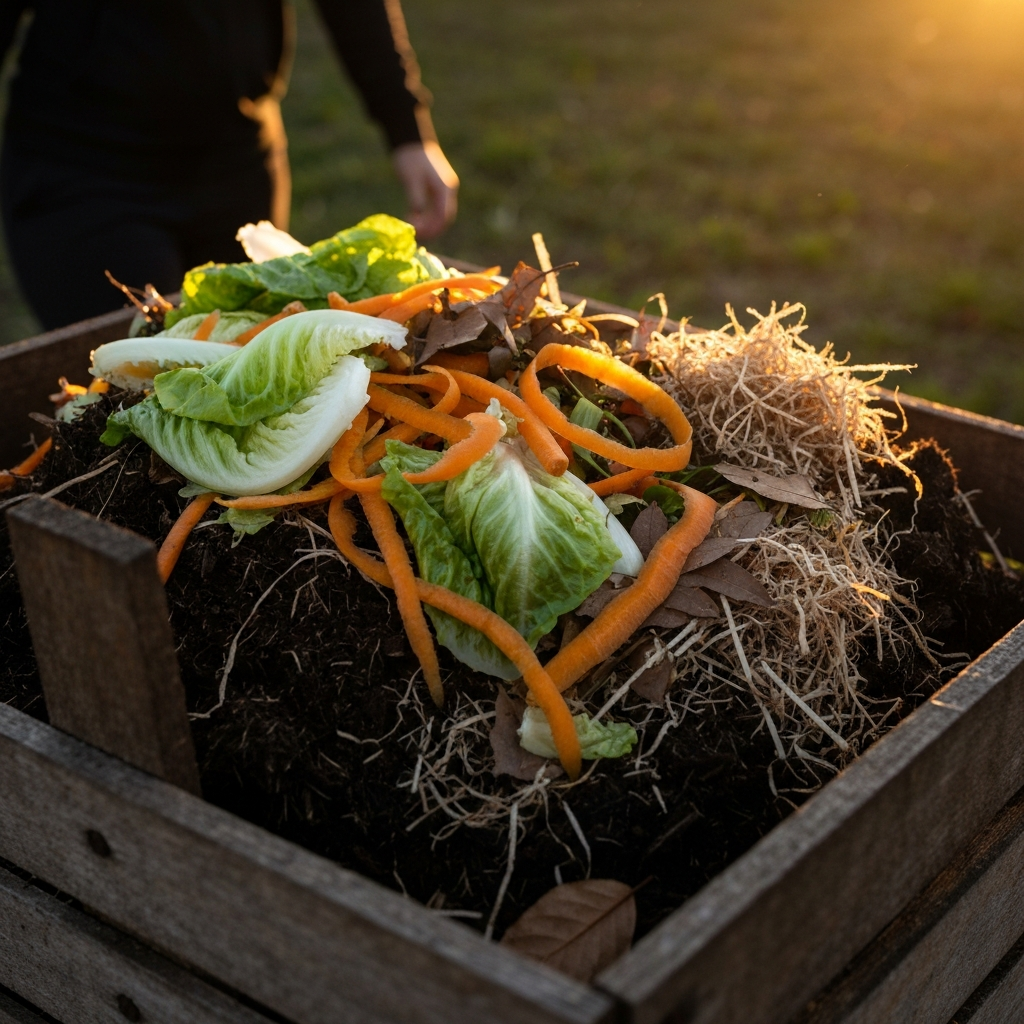
Instead of tossing your vegetable scraps into the trash, consider adding them to your compost pile. Vegetable peels, cores, and trimmings are excellent sources of organic matter, which breaks down to create nutrient-rich compost. Compost improves soil structure, enhances water retention, and provides essential nutrients for plant growth. Avoid composting meat, dairy, and oily foods, as these can attract pests and create unpleasant odors.
Collect your vegetable scraps in a designated container in your kitchen. Empty the container into your compost bin or pile regularly, ensuring that you mix the scraps with other composting materials, such as leaves, grass clippings, and shredded paper. Turn the compost pile frequently to ensure proper aeration and decomposition. Within a few months, you'll have nutrient-rich compost ready to use in your garden.
Step 4: Cardboard as Weed Barrier and Mulch
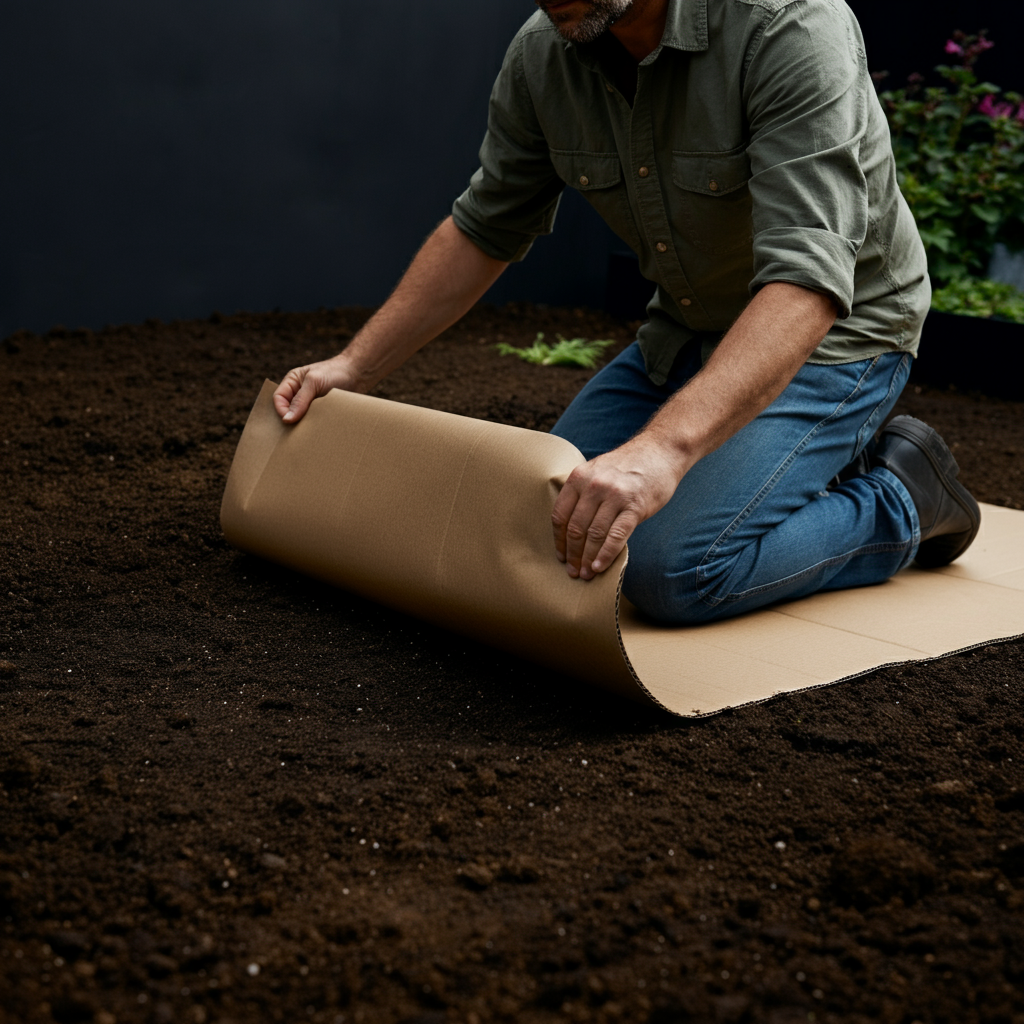
Cardboard, especially corrugated cardboard, makes an excellent weed barrier in the garden. It effectively smothers weeds, preventing them from receiving sunlight and inhibiting their growth. As the cardboard decomposes, it also adds organic matter to the soil, improving its structure and fertility. Remove any tape or labels from the cardboard before using it in the garden.
To use cardboard as a weed barrier, lay it flat on the soil surface in areas where you want to prevent weed growth. Overlap the edges of the cardboard sheets to ensure complete coverage. Wet the cardboard thoroughly to help it stay in place and to speed up decomposition. Cover the cardboard with a layer of mulch, such as wood chips, straw, or compost, to further suppress weeds and improve the appearance of your garden.
Step 5: Plastic Bottles as Seed Starters and Plant Protectors
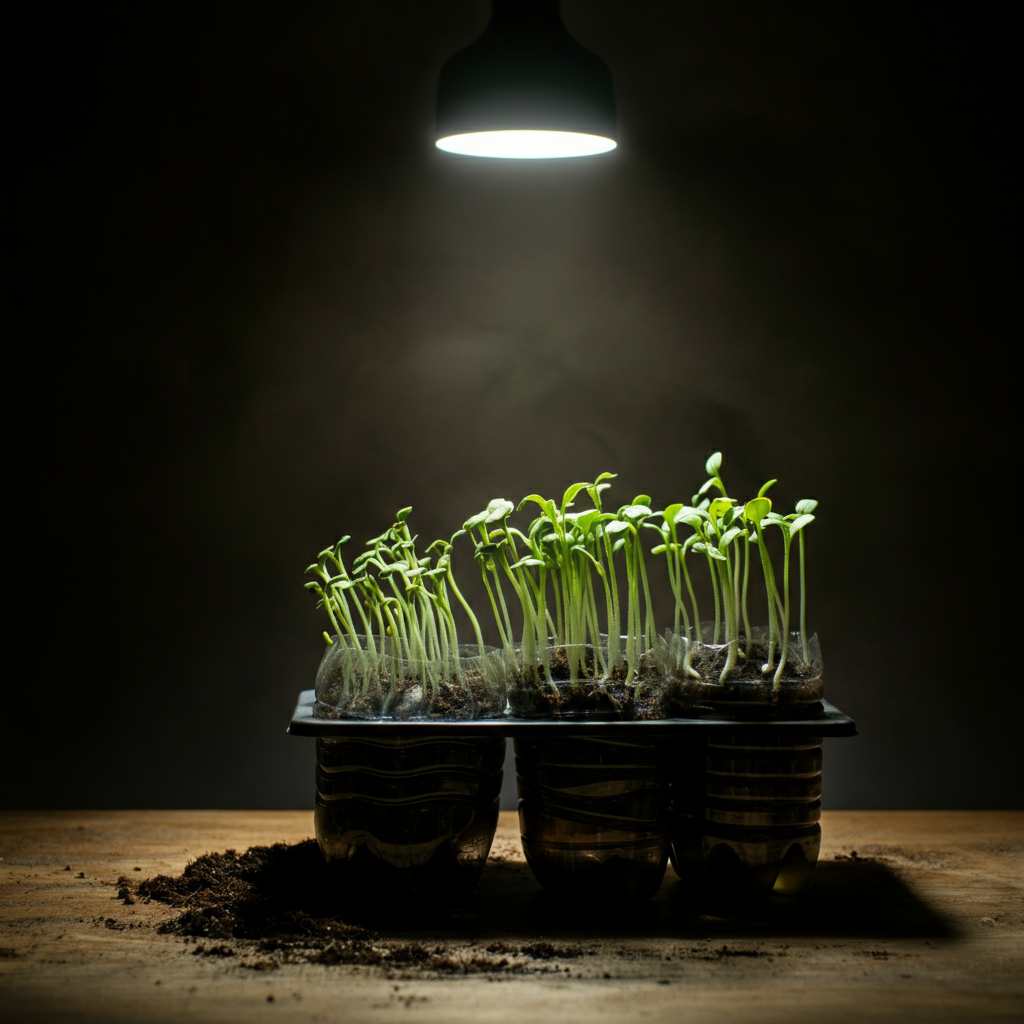
Plastic bottles can be creatively repurposed in the garden as seed starters and plant protectors. Cut the bottom off a plastic bottle and use the top half as a mini-greenhouse to protect seedlings from frost, pests, and harsh weather. Alternatively, cut the bottle in half horizontally and use the bottom half as a small pot for starting seeds indoors.
Ensure the bottles are clean and free of any residue before using them in your garden. For seed starters, add drainage holes to the bottom of the bottle. For plant protectors, remove the cap to provide ventilation. You can also use larger plastic bottles to create self-watering planters by inverting the bottle into a pot filled with soil.
Tools or Materials Required
- Gloves
- Scissors or Utility Knife
- Watering Can
- Shovel or Trowel
- Collection Containers (for scraps)
- Compost Bin (optional)
Common Mistakes to Avoid
- Applying coffee grounds too thickly, which can inhibit water penetration.
- Composting meat, dairy, or oily foods, which can attract pests.
- Using cardboard with tape or labels, which can contaminate the soil.
- Not providing adequate ventilation when using plastic bottles as plant protectors, which can lead to overheating.
Safety Considerations
- Wear gloves when handling garden scraps and compost to protect your hands from dirt and bacteria.
- Use caution when using sharp tools, such as scissors or utility knives, to cut plastic bottles or cardboard.
- Wash your hands thoroughly after gardening to prevent the spread of germs.
Pro Tips
- Combine different types of scraps to create a balanced soil amendment.
- Experiment with different repurposing techniques to find what works best for your garden.
- Share your excess scraps with neighbors or community gardens.
FAQ Section
Q: Can I use coffee filters in my compost pile?
A: Yes, coffee filters are compostable, but make sure they are unbleached and paper-based.
Q: How often should I add eggshells to my tomato plants?
A: You can add eggshells to your tomato plants every few weeks, or as needed.
Q: What else can I use as mulch besides cardboard?
A: Wood chips, straw, and shredded leaves are all excellent options for mulch.
Repurposing household scraps into garden treasures is a sustainable and rewarding practice that benefits both your garden and the environment. By implementing these simple techniques, you can reduce waste, enrich your soil, and create a thriving, eco-friendly garden. Remember that even small changes can make a big difference in promoting sustainability.