Confidence isn't about being the loudest person in the room; it's about owning your space and feeling comfortable in your own skin. Your personal style is a powerful tool in this journey. It's a visual representation of your inner self and a statement to the world. This guide will provide you with a blueprint to unlock your most confident self through thoughtful choices in clothing, grooming, and mindset.
Many people believe that confidence comes naturally, but it's a skill that can be cultivated. By understanding your values, identifying your strengths, and expressing them through your unique style, you can project an aura of self-assurance that resonates with others. This isn't about conforming to trends; it's about discovering what makes you feel authentically powerful.
This guide will break down the process into manageable steps, providing practical advice and actionable tips to help you develop a personal style that not only looks good but also makes you feel incredible. Get ready to unlock your inner radiance and step into the world with unwavering confidence.
Step 1: Self-Reflection: Understanding Your Values and Strengths
Before diving into clothing and aesthetics, it's crucial to understand your core values and identify your personal strengths. What truly matters to you? What are you good at? These answers will form the foundation of your confident style. For example, if you value creativity and self-expression, your style should reflect that through unique patterns, bold colors, or unconventional silhouettes. If you pride yourself on your dependability, a classic and polished style might suit you best. Spend some time journaling or meditating on these questions.

Step 2: Define Your Personal Style Goals
What do you want your style to communicate? Is it approachability, authority, creativity, or something else entirely? Setting clear goals provides direction and prevents you from getting lost in the sea of trends. Consider the environments where you want to project confidence. Are you aiming for a boost in your professional life, social interactions, or personal relationships? Tailor your style goals to align with these specific areas. Think about people whose style you admire and analyze what resonates with you. Is it their attention to detail, their effortless chic, or their ability to mix and match unexpected pieces?
Step 3: Body Analysis: Understanding Your Shape and Proportions
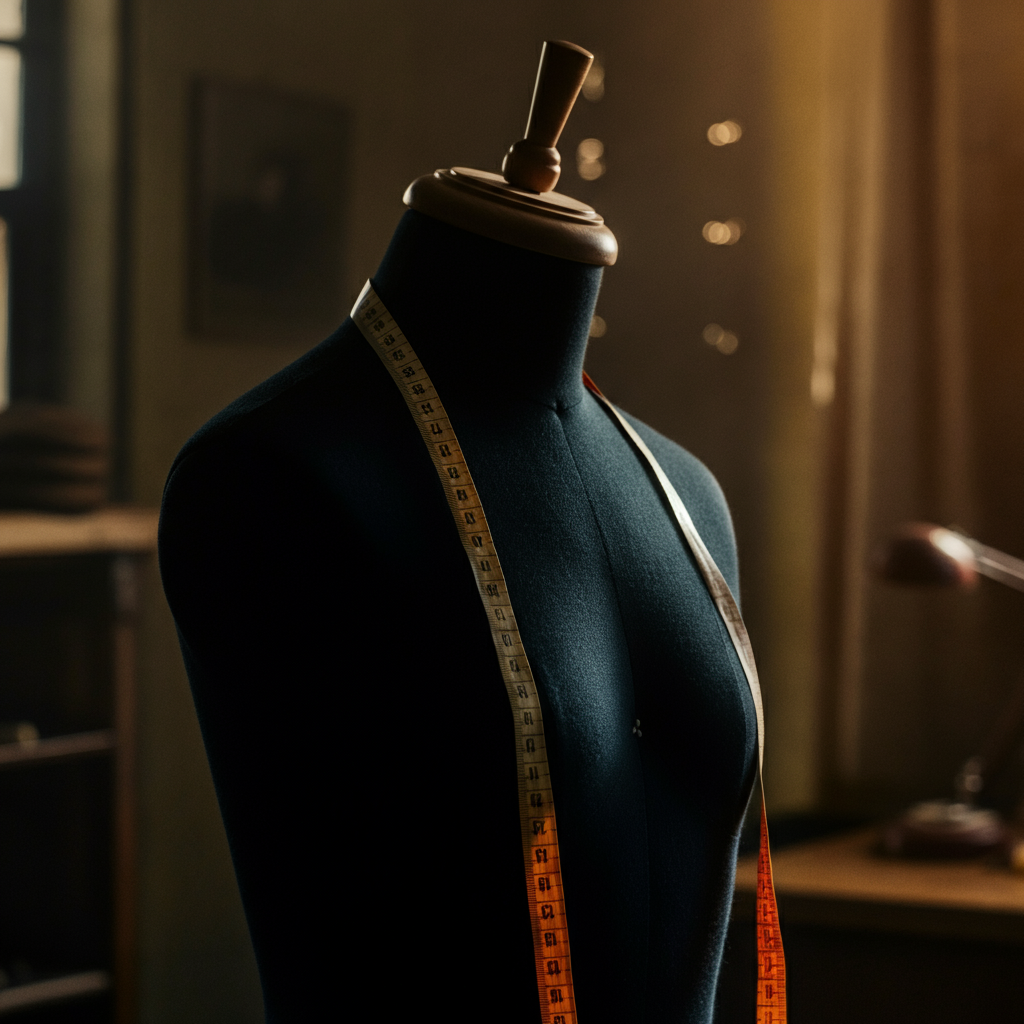
Understanding your body shape and proportions is essential for choosing clothing that flatters your figure and enhances your confidence. Not all styles are created equal, and what looks great on one person may not have the same effect on another. Pay attention to the lines and shapes of clothing and how they interact with your body. Experiment with different silhouettes and fabrics to discover what works best for you. A well-fitting garment can instantly boost your confidence, while an ill-fitting one can detract from your overall appearance. Consider consulting a stylist for a professional assessment if needed.
Step 4: Color Palette: Selecting Colors That Complement Your Skin Tone
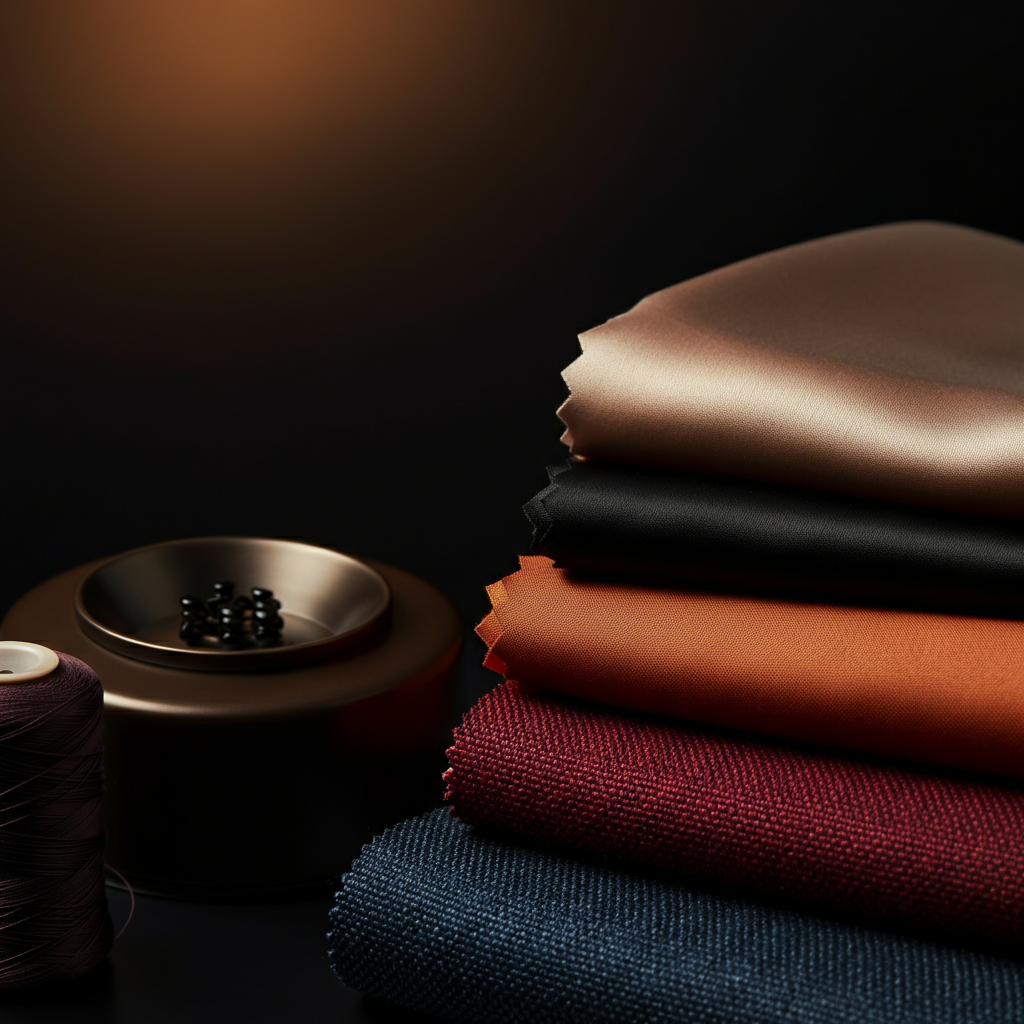
Choosing the right colors can significantly impact your overall appearance and how others perceive you. Colors have the power to evoke emotions and create different impressions. Understanding your skin tone, hair color, and eye color can help you identify a color palette that complements your features and makes you look radiant. Warm skin tones often look best in earthy colors, while cool skin tones tend to shine in jewel tones. Experiment with different colors and shades to see what resonates with you and makes you feel confident. Don't be afraid to step outside your comfort zone and try something new.
Step 5: Building a Wardrobe: Investing in Quality Basics and Statement Pieces
A well-curated wardrobe is the cornerstone of confident style. It's not about having a closet overflowing with clothes; it's about having a selection of quality basics and carefully chosen statement pieces that reflect your personal style. Invest in timeless pieces that can be mixed and matched to create a variety of outfits. Consider the fabrics, construction, and fit of each garment. A well-made piece will not only look better but also last longer. Don't be afraid to splurge on a few key items that make you feel incredible, such as a perfectly tailored blazer or a luxurious handbag.

Step 6: Accessorizing: Adding Personality and Polish to Your Look
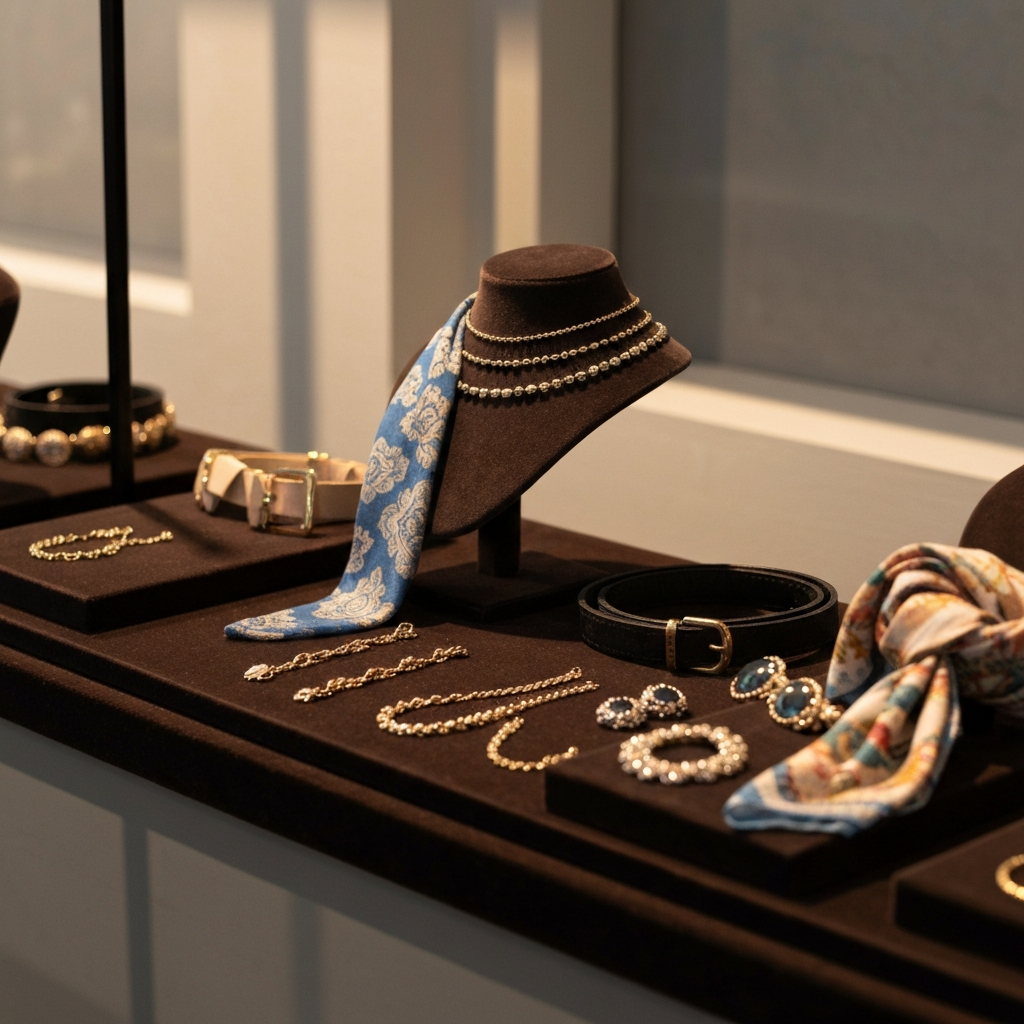
Accessories are the finishing touches that can elevate your style and express your personality. They have the power to transform a simple outfit into a sophisticated and memorable look. Choose accessories that complement your clothing and reflect your personal style. Consider the size, shape, and color of your accessories to ensure they are in proportion to your body and outfit. A well-chosen necklace, scarf, or pair of shoes can add a touch of elegance, sophistication, or playfulness to your overall appearance. Don't be afraid to experiment with different accessories to find what works best for you.
Step 7: Grooming: Maintaining a Polished and Well-Kept Appearance
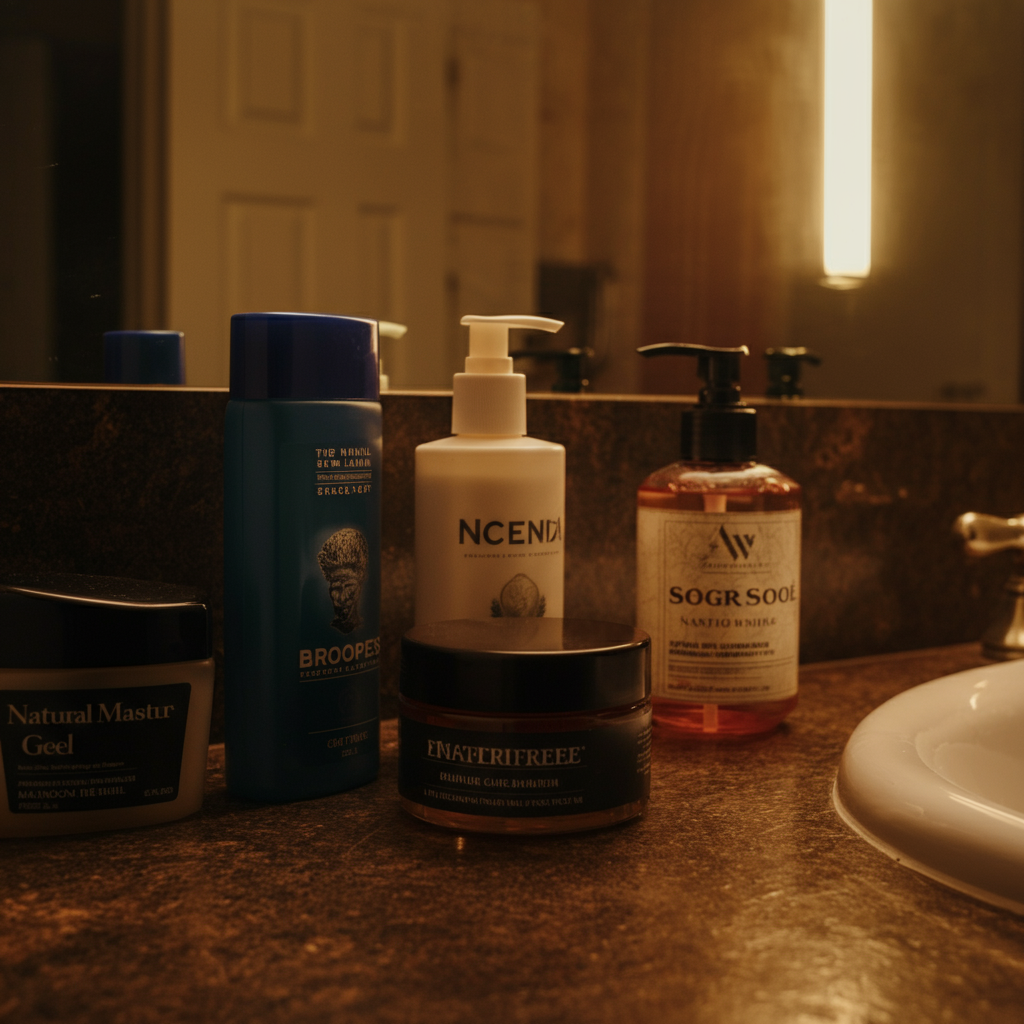
Good grooming is essential for projecting confidence and making a positive impression. Pay attention to your hair, skin, nails, and overall hygiene. A well-groomed appearance shows that you take pride in yourself and that you care about your personal image. Find a hairstyle that flatters your face shape and is easy to maintain. Develop a skincare routine that addresses your specific needs. Keep your nails clean and trimmed. Consider consulting a professional stylist or aesthetician for personalized advice.
Step 8: Posture and Body Language: Projecting Confidence Through Your Movements
Your posture and body language play a significant role in how others perceive you. Stand tall, make eye contact, and smile genuinely. These simple actions can instantly boost your confidence and make you appear more approachable and engaging. Practice good posture by keeping your shoulders back, your chest lifted, and your head held high. Be mindful of your movements and gestures. Avoid slouching, fidgeting, or crossing your arms, as these can convey insecurity or disinterest. Project confidence through your movements and interactions.

Step 9: Experimentation and Adaptation: Refining Your Style Over Time
Developing a confident style is an ongoing process of experimentation and adaptation. Don't be afraid to try new things and step outside your comfort zone. Pay attention to what works for you and what doesn't. Seek feedback from trusted friends or family members. Be willing to adjust your style as your life changes and your personal preferences evolve. The key is to find a style that makes you feel authentic, comfortable, and confident.
Step 10: Cultivating a Confident Mindset: Believing in Yourself and Your Style
Ultimately, the key to radiating confidence lies within. Believe in yourself and your style. Embrace your unique qualities and celebrate your individuality. Focus on your strengths and positive attributes. Practice self-affirmations and positive self-talk. Remember that confidence is a journey, not a destination. Be patient with yourself and celebrate your progress along the way. When you feel good about yourself on the inside, it will radiate outwards through your style and presence.
Pro Tips
- Start small: Don't feel like you have to overhaul your entire wardrobe overnight. Start with one or two key pieces that make you feel great and build from there.
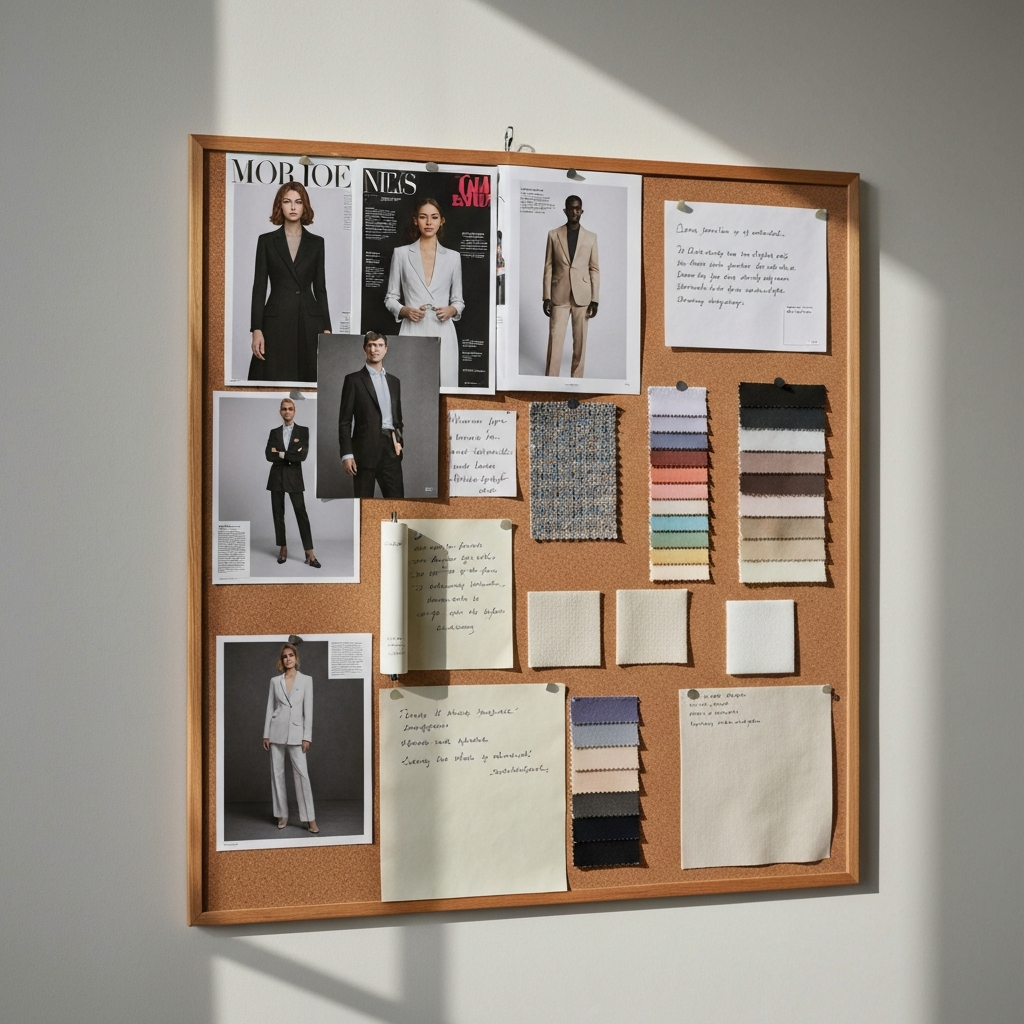
- Seek inspiration: Browse magazines, blogs, and social media for style inspiration. Create a mood board to visualize your ideal style.
- Dress for the occasion: Consider the context and environment when choosing your outfit. Dress appropriately for the event or activity.
- Don't be afraid to ask for help: If you're feeling lost or overwhelmed, consider consulting a stylist or personal shopper for personalized advice.
- Confidence is contagious: When you feel confident in your style, it will inspire others to feel confident as well.
Common Mistakes to Avoid
- Following trends blindly: Don't feel pressured to follow every trend. Choose trends that align with your personal style and flatter your body type.
- Wearing clothes that don't fit properly: Ill-fitting clothes can detract from your overall appearance and make you feel uncomfortable.
- Ignoring your body shape: Understanding your body shape is essential for choosing clothing that flatters your figure.
- Neglecting grooming: Good grooming is essential for projecting confidence and making a positive impression.
- Being afraid to experiment: Don't be afraid to try new things and step outside your comfort zone.
FAQ Section
- Q: How do I find my personal style?
A: Start by reflecting on your values, strengths, and personal goals. Consider the environments where you want to project confidence. Experiment with different styles and see what resonates with you.
- Q: How much should I spend on clothing?
A: It's not about spending a lot of money; it's about investing in quality basics and carefully chosen statement pieces. Focus on timeless pieces that can be mixed and matched.
- Q: What if I don't feel confident in my clothes?
A: Start by identifying what makes you feel uncomfortable. Is it the fit, the color, or the style? Experiment with different options until you find something that makes you feel good.
- Q: How can I improve my body language?
A: Practice good posture, make eye contact, and smile genuinely. Be mindful of your movements and gestures. Avoid slouching, fidgeting, or crossing your arms.
Conclusion
Radiating confidence through your personal style is a journey of self-discovery and empowerment. By understanding your values, defining your style goals, and investing in quality basics and statement pieces, you can create a wardrobe that reflects your authentic self. Remember to pay attention to grooming, posture, and body language to project confidence from the inside out. Embrace experimentation, adapt to change, and cultivate a confident mindset. With these tools, you can unlock your inner radiance and step into the world with unwavering self-assurance.