Sleep. It's not just downtime; it's the engine that powers your day. But are you truly maximizing its potential? For many, sleep is a passive process – something that just *happens*. However, with the right strategies, you can actively optimize your sleep for increased energy, improved focus, and enhanced overall well-being.
This isn't about simply getting *more* sleep; it's about getting *better* sleep. It's about understanding the science behind sleep cycles, identifying factors that disrupt your rest, and implementing practical changes to create a personalized sleep system. This guide will equip you with actionable techniques to transform your sleep from a nightly necessity into a powerful performance enhancer.
Get ready to take control of your nights and unlock a new level of energy and productivity during the day. It's time to hack your sleep!
Step 1: Establish a Consistent Sleep Schedule
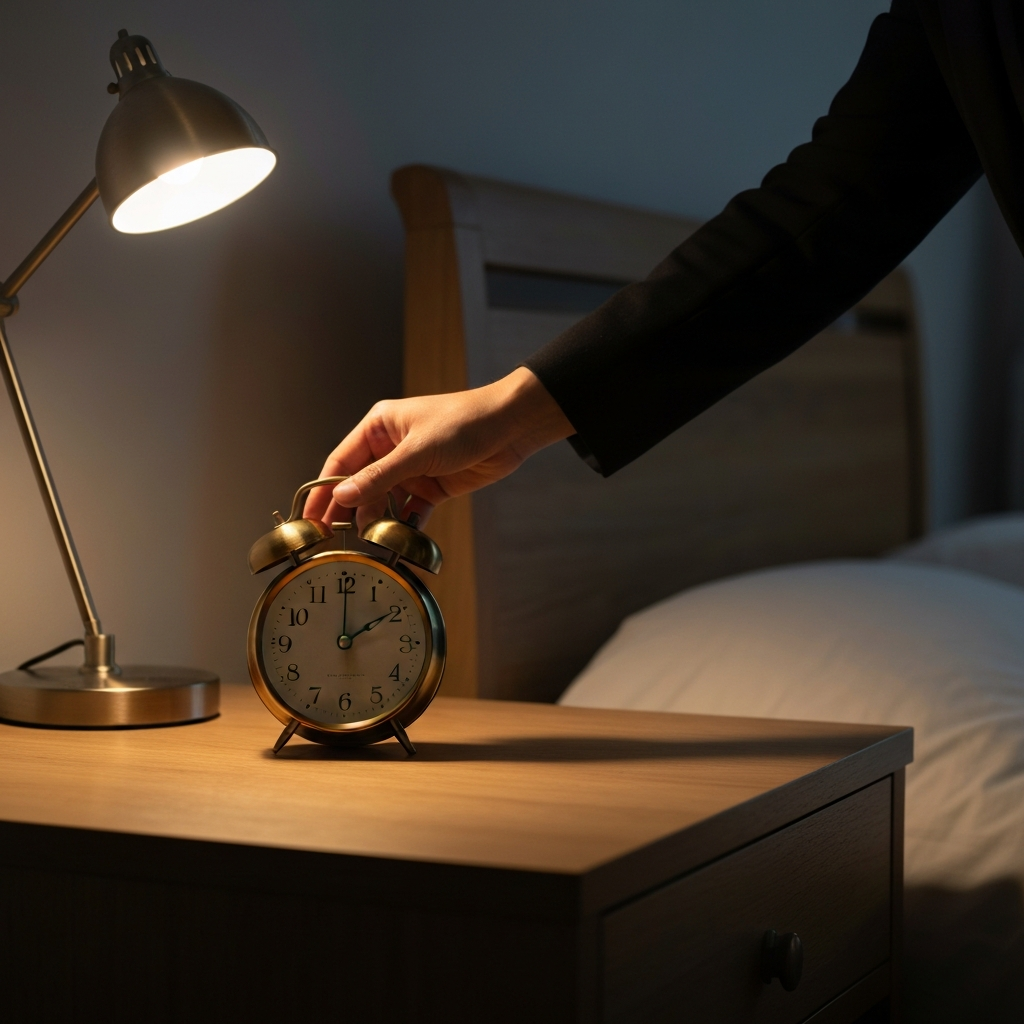
One of the most fundamental yet effective sleep hacks is establishing and maintaining a consistent sleep schedule. Your body operates on a circadian rhythm, an internal clock that regulates sleep-wake cycles. Irregular sleep patterns disrupt this rhythm, leading to sleep deprivation, daytime fatigue, and various health problems. Aim to go to bed and wake up at roughly the same time every day, even on weekends, to reinforce your body's natural sleep-wake cycle. Consistency is key!
Practical details: Choose a bedtime that allows you to get 7-9 hours of sleep. Set an alarm for both bedtime and wake-up time, and stick to them as closely as possible. If you struggle to fall asleep, try going to bed a bit later initially, then gradually move it earlier as your body adjusts. Don’t sleep in excessively on weekends—limit it to an hour or two beyond your weekday wake-up time. A common mistake is to only focus on the bedtime, without recognizing how your wake-up time shapes your overall sleep cycle.
Step 2: Optimize Your Sleep Environment
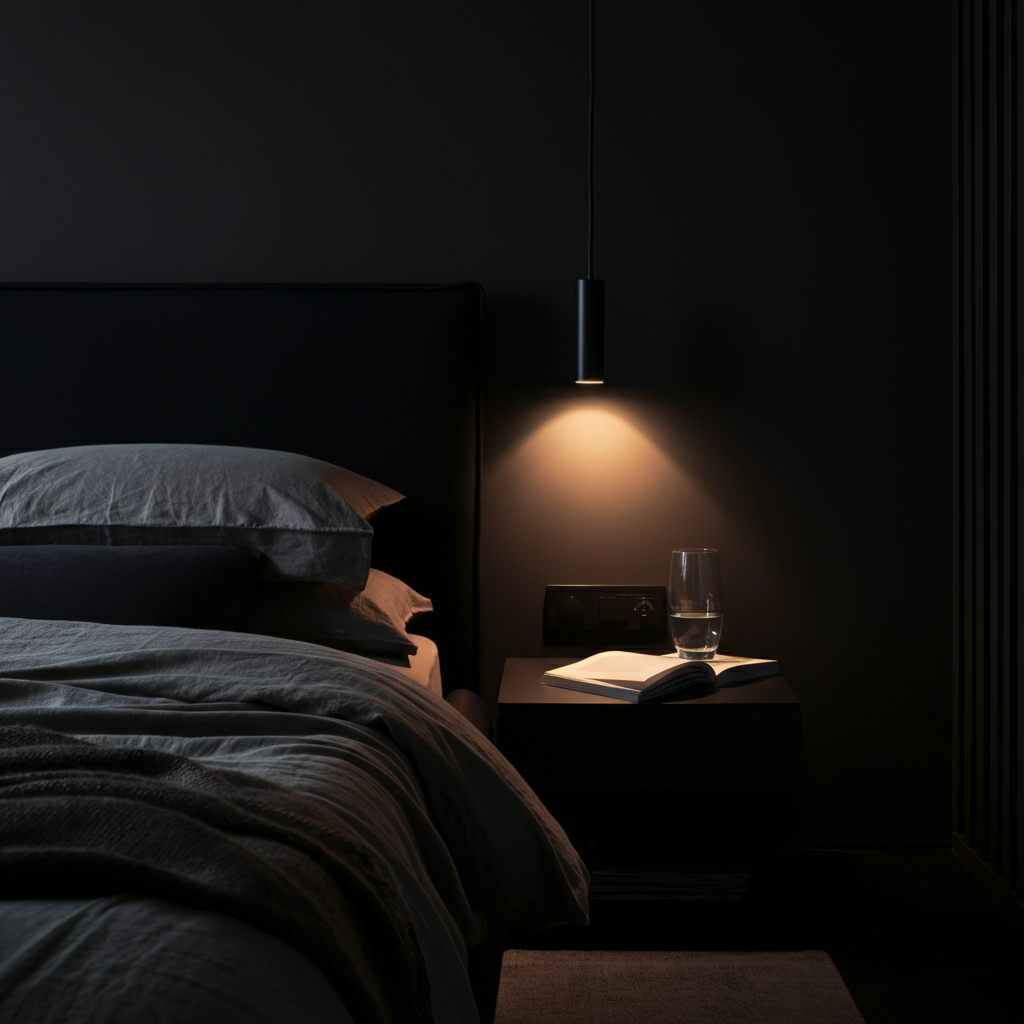
Your sleep environment plays a significant role in the quality of your sleep. A dark, quiet, and cool room is ideal for promoting restful sleep. Light and noise can interfere with the production of melatonin, a hormone that regulates sleep. Temperature also affects sleep, as your body temperature naturally decreases during sleep. Create a sanctuary that encourages relaxation and minimizes distractions.
Practical details: Invest in blackout curtains or blinds to block out external light. Use earplugs or a white noise machine to mask distracting sounds. Set your thermostat to a comfortable temperature, typically between 60-67°F (15-19°C). Ensure your mattress and pillows provide adequate support and comfort. Consider using a sleep mask to block out even more light. A frequently overlooked detail is air quality: a HEPA air purifier can remove allergens and pollutants that might disrupt your sleep. Don't underestimate the power of a tidy room; studies show clutter can increase stress and negatively impact sleep.
Step 3: Master the Art of the Pre-Sleep Routine
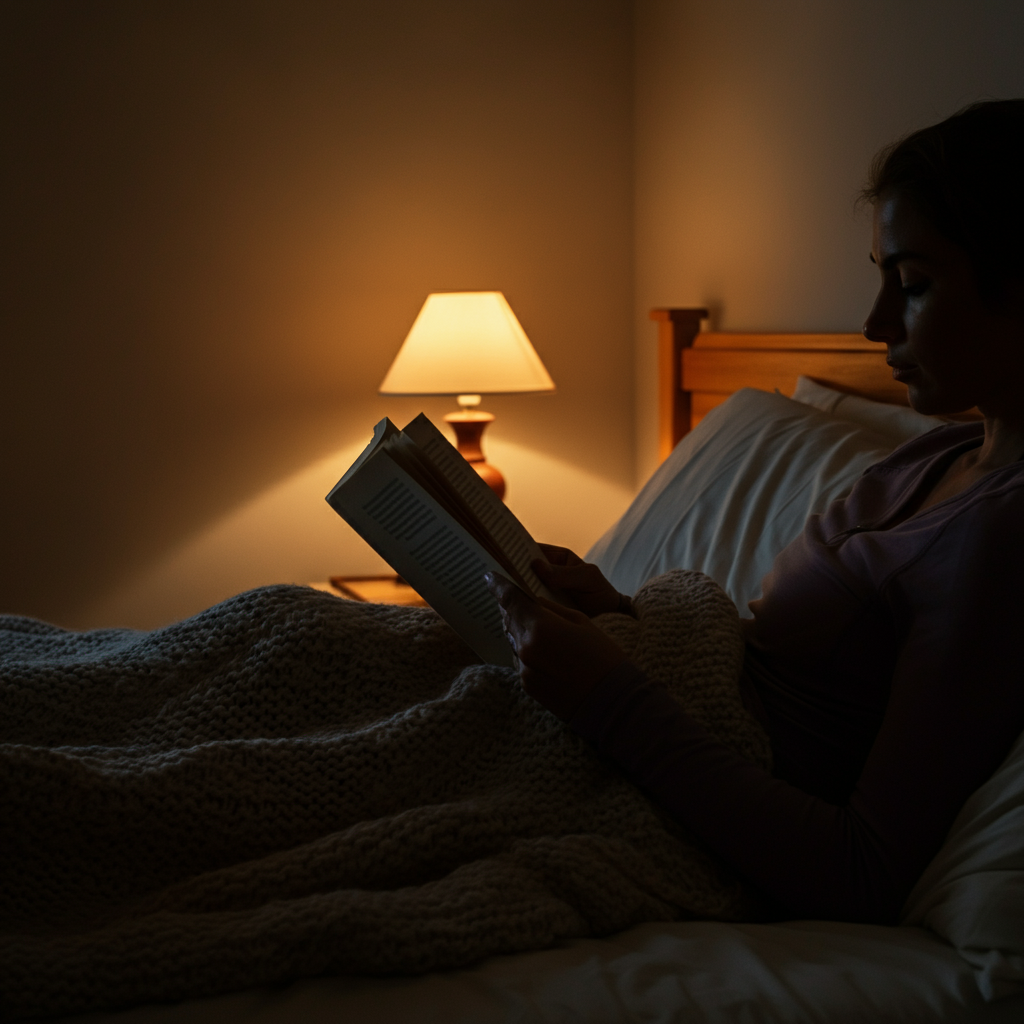
A consistent pre-sleep routine signals to your brain that it's time to wind down and prepare for sleep. This routine should be relaxing and avoid stimulating activities that can interfere with sleep. Avoid screens (phones, tablets, computers, TVs) for at least an hour before bed, as the blue light emitted from these devices can suppress melatonin production. Incorporate activities that promote relaxation and calmness.
Practical details: Read a book (a physical book is preferable to an e-reader), take a warm bath or shower, practice meditation or deep breathing exercises, listen to calming music, or write in a journal. Avoid caffeine and alcohol before bed, as both can disrupt sleep patterns. Establish a consistent routine that you enjoy and can easily incorporate into your nightly schedule. Many people make the mistake of trying to cram in last-minute work or chores right before bed, which inevitably leads to increased stress and difficulty falling asleep.
Step 4: Optimize Your Diet and Exercise for Better Sleep
What you eat and how you move can significantly impact your sleep quality. Avoid heavy meals, sugary snacks, and excessive fluids close to bedtime. Regular exercise can promote better sleep, but avoid intense workouts in the evening, as they can be stimulating. Focus on a balanced diet and incorporate regular physical activity into your daily routine.
Practical details: Aim to finish your last meal at least 2-3 hours before bed. If you need a snack, opt for something light and healthy, such as a handful of nuts or a small piece of fruit. Exercise earlier in the day, preferably in the morning or afternoon. Stay hydrated throughout the day, but reduce your fluid intake in the evening to minimize nighttime awakenings. A common mistake is to rely on late-night sugary snacks to combat evening fatigue, which creates a vicious cycle of energy crashes and sleep disruption.

Step 5: Leverage Napping Strategies
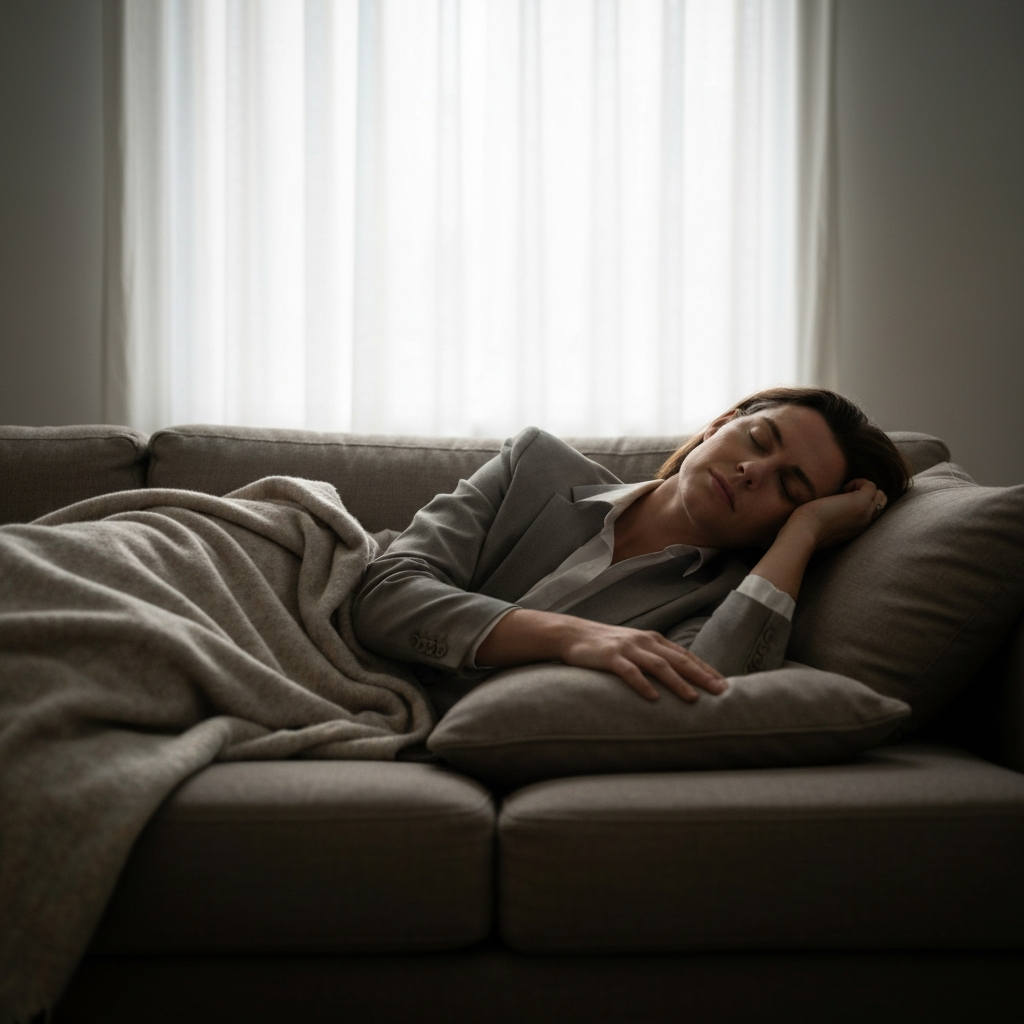
Napping can be a powerful tool for boosting energy and alertness, but it's crucial to do it right. The ideal nap length is typically 20-30 minutes. This allows you to experience the restorative benefits of sleep without entering deep sleep, which can lead to grogginess upon waking. Napping can be especially helpful for catching up on sleep after a poor night's rest or combating midday fatigue.
Practical details: Set an alarm for your nap to avoid oversleeping. Nap in a quiet, dark, and comfortable environment. Avoid napping too late in the afternoon, as it can interfere with your nighttime sleep. Experiment with different nap lengths to find what works best for you. A frequent mistake is to use naps as a substitute for adequate nighttime sleep, which ultimately disrupts your overall sleep cycle. Naps should be used strategically to supplement, not replace, a consistent sleep schedule.
FAQ Section
Q: What if I can't fall asleep after 20 minutes in bed?
A: Don't toss and turn. Get out of bed and do something relaxing in dim light until you feel sleepy, such as reading a book. Then, return to bed.
Q: Is it okay to use sleep aids regularly?
A: It's best to consult with a doctor before using any sleep aids regularly. Many over-the-counter sleep aids can have side effects or lead to dependency. Focus on improving your sleep hygiene first.
Q: How long does it take to establish a consistent sleep schedule?
A: It can take several weeks to fully adjust to a new sleep schedule. Be patient and consistent with your efforts. Your body will eventually adapt.
Conclusion
Hacking your sleep for maximum energy is an ongoing process of experimentation and refinement. By implementing these strategies and paying attention to your body's unique needs, you can unlock the power of sleep to enhance your energy levels, improve your focus, and optimize your overall well-being. Remember, consistency, environment, and routine are your greatest allies in the quest for better sleep. Start today, and experience the transformative benefits of a well-rested and energized life.