Feeling sluggish and drained? You're not alone. Modern life often leaves us depleted, but what if you could systematically optimize your energy levels through strategic interventions? Biohacking, the art and science of self-experimentation, offers a pathway to unlock your peak performance potential. This isn't about quick fixes or unsustainable trends; it's about understanding your body's unique needs and making informed choices to enhance your vitality.
This guide provides a structured approach to biohacking your way to consistent, sustainable energy. We'll explore evidence-based strategies encompassing nutrition, sleep, light exposure, and targeted supplementation. Remember, biohacking is about personalized optimization, so listen to your body and adjust these techniques to fit your individual needs. Prepare to take control of your energy and unlock a new level of performance.
We will be focusing on actionable steps you can take today to begin seeing measurable improvements in your daily energy output. These tactics are designed to build on each other, creating a synergistic effect that will leave you feeling more vital and alert.
Step 1: Optimize Your Sleep Architecture
Quality sleep is the cornerstone of energy production. It's during deep sleep that your body repairs tissues, consolidates memories, and regulates hormones essential for energy metabolism. Prioritizing sleep isn't just about getting enough hours; it's about optimizing the *quality* of your sleep. This involves creating a consistent sleep-wake schedule, even on weekends, to regulate your circadian rhythm. A stable circadian rhythm allows your body to naturally anticipate and prepare for sleep and wakefulness.
Practical details: Aim for 7-9 hours of sleep per night. Establish a relaxing bedtime routine (e.g., reading, taking a warm bath). Ensure your bedroom is dark, quiet, and cool. Consider using a sleep tracker to monitor your sleep stages and identify areas for improvement. A common mistake is inconsistent bedtimes - even small variations can significantly disrupt sleep quality.

Step 2: Master Your Nutrition for Sustained Energy
Fueling your body with the right nutrients is crucial for maintaining consistent energy levels throughout the day. Focus on whole, unprocessed foods rich in vitamins, minerals, and antioxidants. Prioritize lean protein, healthy fats, and complex carbohydrates. Pay attention to how different foods affect your energy levels and adjust your diet accordingly. Avoid processed foods, sugary drinks, and excessive caffeine, as these can lead to energy crashes.
Practical details: Incorporate healthy fats like avocados, nuts, and olive oil into your diet. Choose complex carbohydrates such as whole grains and vegetables over simple sugars. Experiment with different meal timings and frequencies to find what works best for you. Consider keeping a food journal to track your energy levels in relation to your diet. A common mistake is skipping meals, which can lead to significant energy dips.

Step 3: Harness the Power of Light Exposure
Light plays a critical role in regulating your circadian rhythm and influencing your energy levels. Exposure to bright light, especially in the morning, helps to suppress melatonin production and promote wakefulness. Conversely, minimizing exposure to blue light from screens in the evening helps to prepare your body for sleep. Optimizing your light exposure can significantly improve your energy levels and overall well-being.
Practical details: Aim for at least 30 minutes of sunlight exposure each morning. Use blue light blocking glasses in the evening when using screens. Consider using a light therapy lamp during the winter months or when you have limited access to natural light. A common mistake is excessive screen time before bed, which can disrupt sleep and energy levels.

Step 4: Optimize Hydration with Electrolytes
Dehydration is a common cause of fatigue and reduced energy levels. Even mild dehydration can impair cognitive function and physical performance. Water is essential for numerous bodily functions, including nutrient transport and waste removal. Enhancing water with electrolytes can further improve hydration and energy levels. Often, people are unaware that they are chronically dehydrated, impacting their daily performance.
Practical details: Drink at least eight glasses of water per day, and more if you're physically active. Add electrolytes to your water, especially after exercise or on hot days. Choose electrolyte-rich beverages like coconut water or sports drinks. Pay attention to the color of your urine – it should be pale yellow. A common mistake is confusing thirst with hunger.

Step 5: Strategic Supplementation for Energy Support
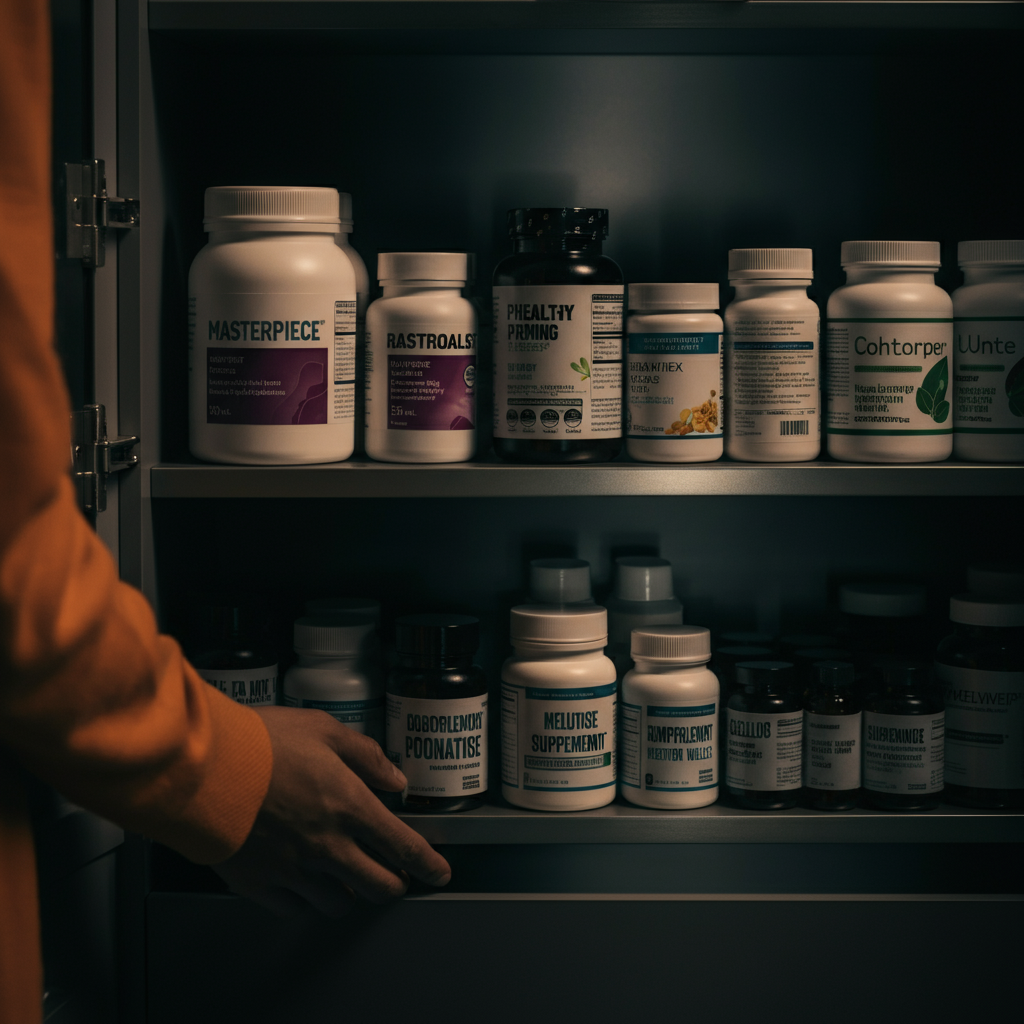
While a balanced diet should be the foundation of your energy strategy, certain supplements can provide additional support. Consider incorporating supplements like Vitamin D, Magnesium, and B vitamins, which are crucial for energy production. Always consult with a healthcare professional before starting any new supplement regimen, especially if you have underlying health conditions or are taking medications. The efficacy of supplements can vary depending on individual needs and deficiencies.
Practical details: Get your vitamin D levels checked and supplement if necessary. Magnesium can improve sleep quality and reduce muscle fatigue. B vitamins are essential for converting food into energy. Research the potential side effects and interactions of any supplements you're considering. A common mistake is taking supplements without understanding their purpose or potential risks.
Tools or Materials Required
- Sleep tracker (optional)
- Blue light blocking glasses
- Light therapy lamp (optional)
- Water bottle
- Electrolyte supplements
- Vitamin D supplements
- Magnesium supplements
- B vitamin supplements
Common Mistakes to Avoid
- Inconsistent sleep schedules
- Skipping meals
- Excessive screen time before bed
- Dehydration
- Taking supplements without proper research
Safety Considerations
Always consult with a healthcare professional before making significant changes to your diet, sleep schedule, or supplement regimen. Be mindful of any potential side effects or interactions of supplements. Listen to your body and adjust these techniques to fit your individual needs. Discontinue any practice that causes discomfort or adverse effects.
FAQ Section
Q: How long will it take to see results?
A: Results can vary depending on individual factors, but you may start to notice improvements in your energy levels within a few days to weeks of consistently implementing these strategies.
Q: Can I combine these techniques with other biohacking practices?
A: Yes, these techniques can be combined with other biohacking practices, but it's important to introduce changes gradually and monitor your body's response.
Q: What if I have a pre-existing health condition?
A: If you have a pre-existing health condition, it's essential to consult with your healthcare provider before implementing any new biohacking techniques.
Step 6: Incorporate Regular Movement and Exercise
Physical activity is a powerful tool for boosting energy levels and improving overall well-being. Regular exercise increases blood flow, delivers oxygen to your cells, and releases endorphins, which have mood-boosting and energy-enhancing effects. Even short bursts of movement throughout the day can make a significant difference.
Practical details: Aim for at least 30 minutes of moderate-intensity exercise most days of the week. Incorporate a mix of cardiovascular exercise (e.g., running, swimming, cycling) and strength training. Take short breaks throughout the day to stretch or walk around. A common mistake is overdoing it, especially when starting a new exercise program.

Step 7: Manage Stress Levels Effectively
Chronic stress can deplete your energy reserves and negatively impact your health. Finding healthy ways to manage stress is crucial for maintaining consistent energy levels and overall well-being. Effective stress management techniques can include meditation, yoga, deep breathing exercises, and spending time in nature. Ignoring stress can lead to a cascade of negative effects on your energy and health.
Practical details: Practice mindfulness meditation for a few minutes each day. Engage in relaxing activities like reading, listening to music, or spending time with loved ones. Learn deep breathing techniques to calm your nervous system. Consider seeking professional help if you're struggling to manage stress on your own. A common mistake is suppressing or ignoring stress, which can exacerbate the problem.

In conclusion, biohacking your way to peak energy levels is an ongoing journey of self-discovery and optimization. By prioritizing sleep, nutrition, light exposure, hydration, supplementation, movement, and stress management, you can unlock your full potential and experience sustained energy throughout the day. Remember to listen to your body, adjust these techniques to fit your individual needs, and consult with a healthcare professional when necessary. Embark on this journey with patience and persistence, and you'll be amazed at the transformation you can achieve.