Feeling stuck in your fitness routine? It's a common problem. Plateaus happen when your body adapts to the same old exercises and diet. The good news is you don't need a complete overhaul to see results. Small, strategic tweaks can reignite your progress and help you achieve your goals.
This guide is designed to provide you with actionable steps to "hack" your fitness. We'll focus on simple, sustainable changes that can make a big difference in your overall health and well-being. These aren't fad diets or extreme workouts; they're practical strategies that integrate seamlessly into your daily life. Get ready to rediscover your motivation and transform your fitness journey!
Let's unlock your potential with these easy-to-implement techniques.
Step 1: Hydration Optimization
Upgrade Your Water Intake
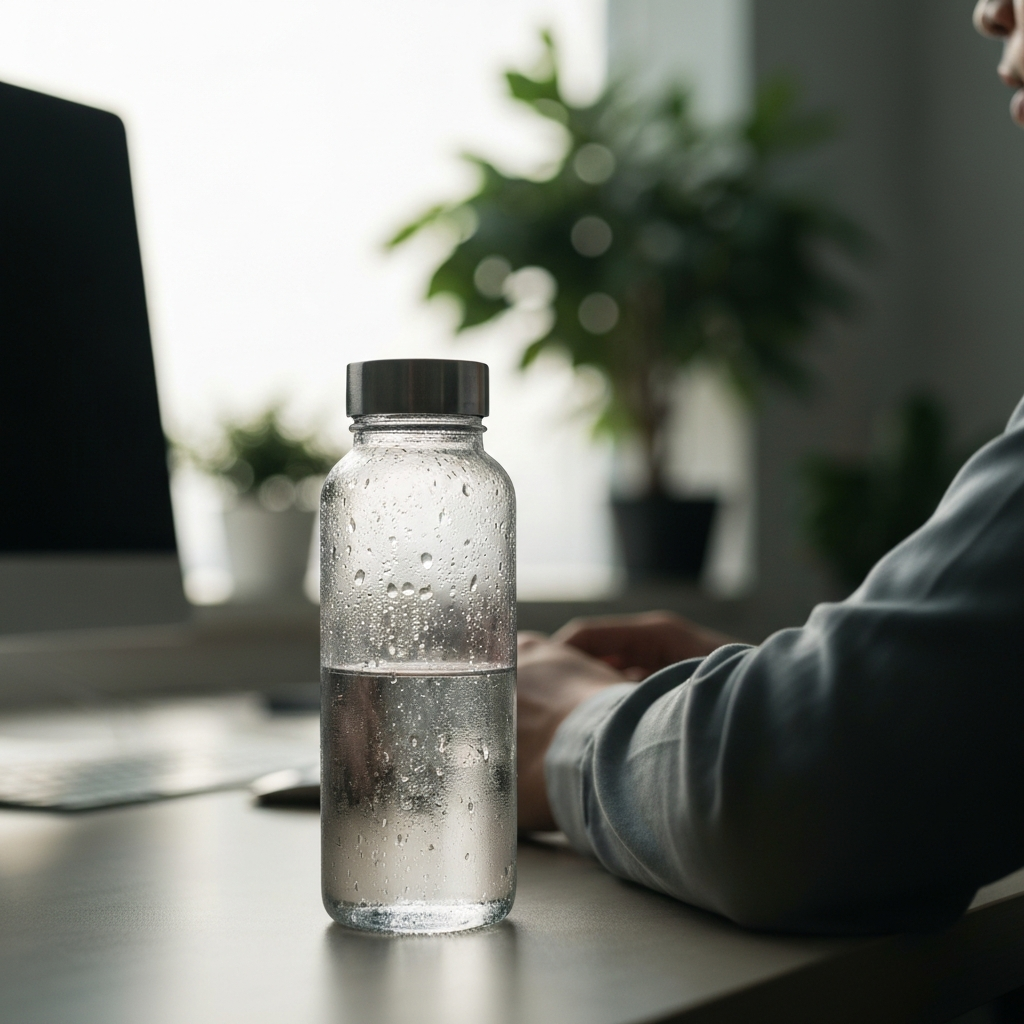
Most people underestimate the power of proper hydration. Dehydration can lead to decreased energy levels, reduced performance, and even muscle cramps. Don't just drink when you're thirsty; aim for consistent hydration throughout the day. A simple hack is to keep a water bottle with you at all times and refill it regularly. Calculate your ideal water intake based on your weight and activity level. A good starting point is half your body weight in ounces. For example, a 150lb person would aim for 75 ounces of water daily.
Step 2: Strategic Snacking
Fuel Your Body Right
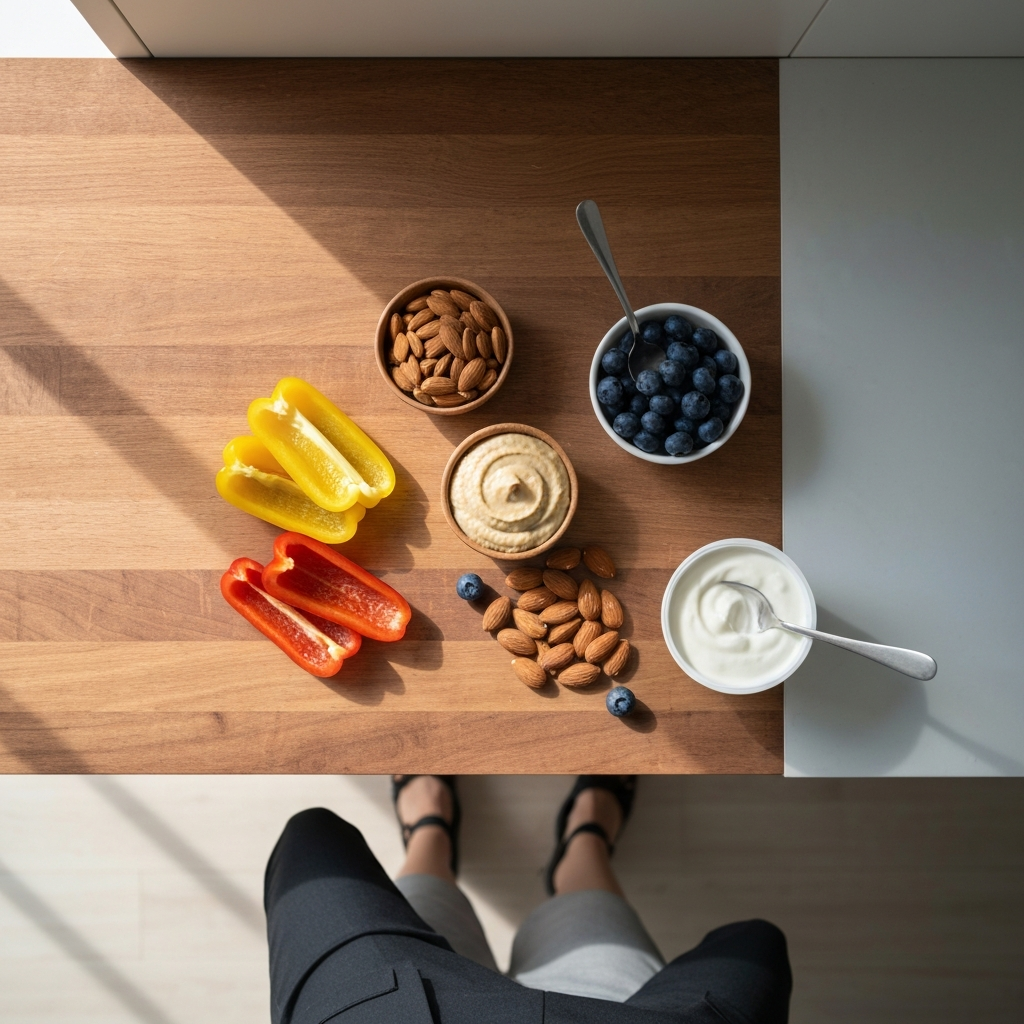
Snacking often gets a bad rap, but it can be a powerful tool for managing hunger and maintaining energy levels. The key is to choose nutrient-dense snacks that provide sustained energy and avoid processed foods loaded with sugar and unhealthy fats. Opt for snacks like a handful of almonds, a Greek yogurt with berries, or sliced vegetables with hummus. Planning your snacks in advance can help you avoid impulsive, unhealthy choices. Pack your snacks the night before, just like you pack your lunch, to ensure you have healthy options readily available.
Step 3: Walk More Intentionally
Embrace the Power of Walking
Walking is often overlooked as a form of exercise, but it's incredibly effective for improving cardiovascular health, boosting metabolism, and reducing stress. Instead of just walking to get from point A to point B, try to incorporate intentional walks into your day. Take a brisk walk during your lunch break, walk to the store instead of driving, or take the stairs instead of the elevator. Aim for at least 30 minutes of walking per day. Consider using a fitness tracker to monitor your steps and set daily goals.

Step 4: Prioritize Protein Intake
Optimize Your Protein Consumption
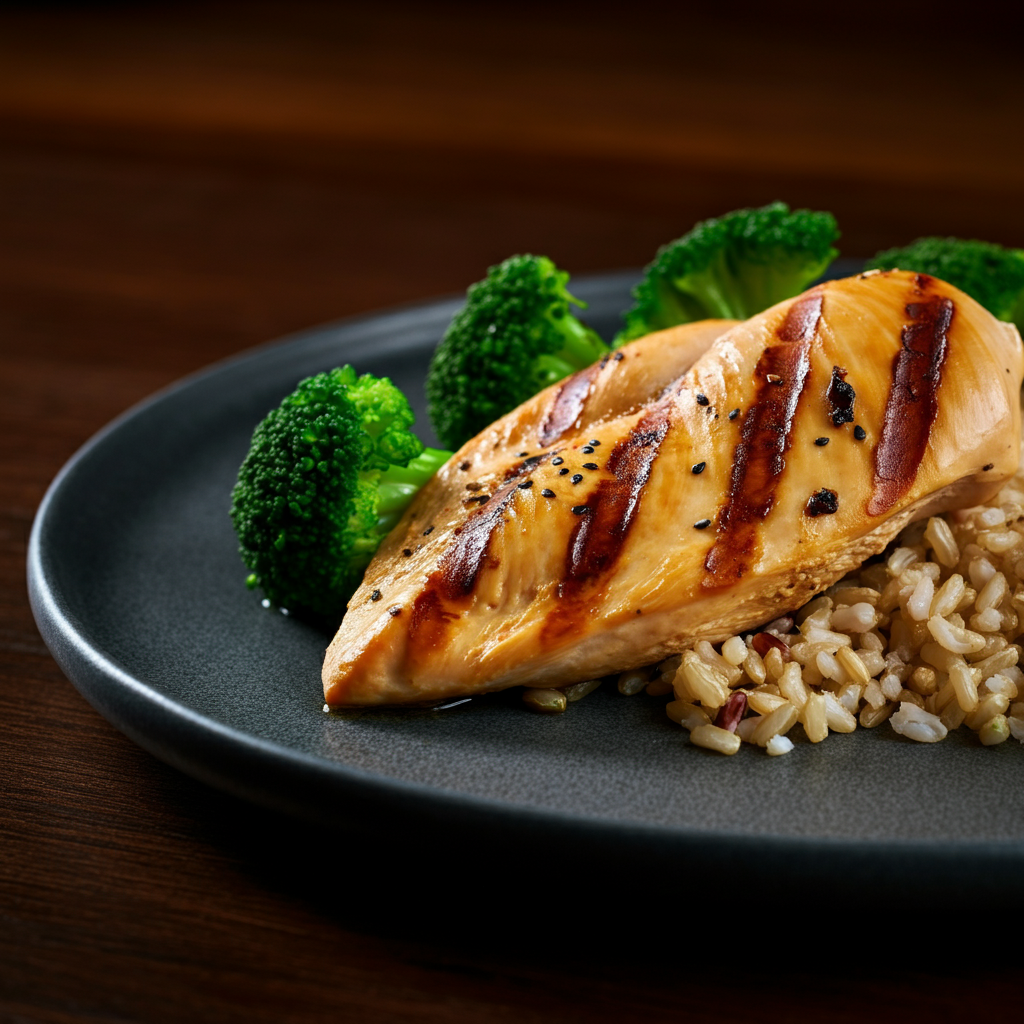
Protein is essential for building and repairing muscle tissue, as well as promoting satiety. Make sure you're getting enough protein in your diet, especially if you're trying to build muscle or lose weight. Aim for at least 0.8 grams of protein per kilogram of body weight per day. Good sources of protein include lean meats, poultry, fish, eggs, dairy products, beans, and lentils. Consider adding a protein shake to your routine, especially after workouts, to help with muscle recovery.
Step 5: Mindful Eating Practices
Savor Every Bite
Eating mindfully means paying attention to your food and eating with intention. It involves savoring each bite, noticing the flavors and textures, and listening to your body's hunger and fullness cues. This can help you avoid overeating and make healthier food choices. Turn off the TV and put away your phone while you eat. Chew your food thoroughly and focus on the experience of eating. Pay attention to when you start to feel full and stop eating before you're stuffed.

Step 6: Sleep Schedule Optimization
Unlock the Benefits of Rest
Sleep is crucial for recovery, hormone regulation, and overall health. Lack of sleep can sabotage your fitness efforts by increasing hunger, decreasing energy levels, and impairing cognitive function. Aim for 7-9 hours of quality sleep per night. Establish a regular sleep schedule by going to bed and waking up at the same time each day, even on weekends. Create a relaxing bedtime routine to help you wind down before sleep, such as taking a warm bath or reading a book.

Step 7: Incremental Strength Training
Progressive Overload Is Key
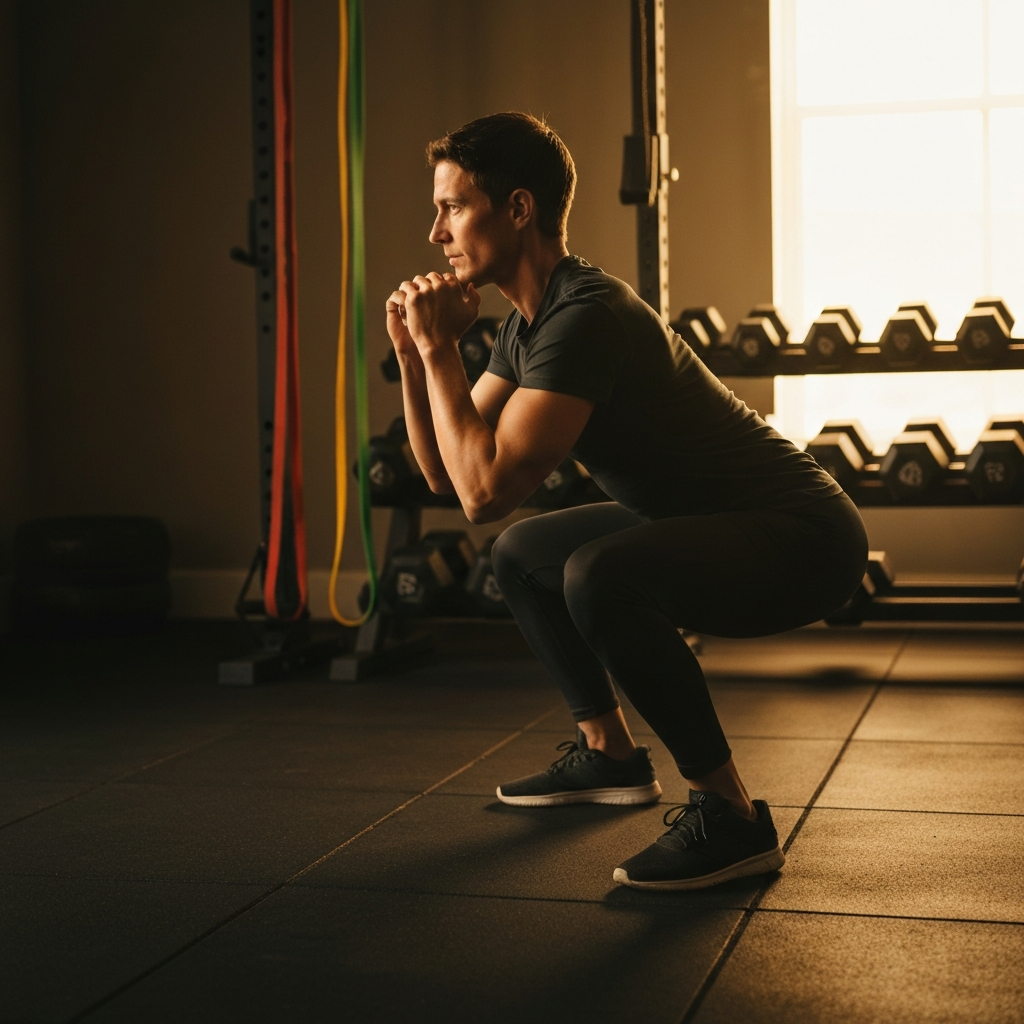
Even small increases in strength training can yield significant results over time. You don't need to spend hours in the gym to build strength; focus on consistency and progressive overload. Start with bodyweight exercises like squats, push-ups, and lunges, and gradually increase the intensity or volume as you get stronger. Consider adding resistance bands or dumbbells to your routine. Aim for at least two strength training sessions per week, focusing on different muscle groups each time. Remember to prioritize proper form over lifting heavy weights.
Common Mistakes to Avoid
- Skipping Meals: This can lead to overeating later and disrupt your metabolism.
- Overdoing It Too Soon: Start slowly and gradually increase the intensity and duration of your workouts.
- Ignoring Your Body: Listen to your body and rest when you need to.
- Comparing Yourself to Others: Focus on your own progress and celebrate your achievements.
FAQ Section
- Q: How long will it take to see results?
- A: Results vary depending on individual factors such as genetics, diet, and exercise habits. However, you should start to notice improvements in your energy levels, mood, and body composition within a few weeks of consistently implementing these hacks.
- Q: Can I do these hacks if I have a medical condition?
- A: It's always a good idea to consult with your doctor before starting any new fitness program, especially if you have a medical condition.
- Q: What if I miss a day or two?
- A: Don't beat yourself up about it! Just get back on track as soon as possible.
Conclusion
By implementing these simple yet effective "fitness hacks," you can transform your health and well-being. Remember, consistency is key. Start with one or two hacks and gradually add more as you feel comfortable. Don't be afraid to experiment and find what works best for you. With a little effort and dedication, you can achieve your fitness goals and unlock your full potential. Good luck!