The human body is an incredible machine, capable of amazing feats of strength, endurance, and resilience. But like any machine, it performs best when properly maintained and optimized. "Hacking" your body in the context of sports and fitness isn't about cheating or taking shortcuts; it's about understanding the underlying principles of physiology, nutrition, and training to maximize your potential and achieve your goals more efficiently. It's about working smarter, not just harder.
This guide provides a detailed, step-by-step approach to improving your physical performance. We’ll delve into key areas like nutrition, recovery, training methodologies, and mental strategies, offering practical tips and expert advice to help you unlock your body’s full potential. Remember, consistency and proper technique are paramount. No magic pills or instant transformations – just proven methods to elevate your fitness journey.
Ready to take control of your physical performance? Let's dive in and start hacking!
Step 1: Fueling for Performance: Nutrition Optimization
Optimal nutrition is the bedrock of athletic performance. It's not just about calories; it's about providing your body with the right nutrients at the right time. Prioritize whole, unprocessed foods like lean proteins, complex carbohydrates, and healthy fats. These provide sustained energy and essential building blocks for muscle repair and growth. Avoid excessive sugar, processed foods, and unhealthy fats, which can hinder performance and increase inflammation. Consider tracking your macronutrient intake (protein, carbs, and fats) to ensure you're meeting your individual needs based on your activity level and goals. For example, an endurance athlete might require a higher proportion of carbohydrates compared to a strength-focused individual. Stay hydrated by drinking water consistently throughout the day.

Step 2: Mastering Movement: Effective Training Strategies
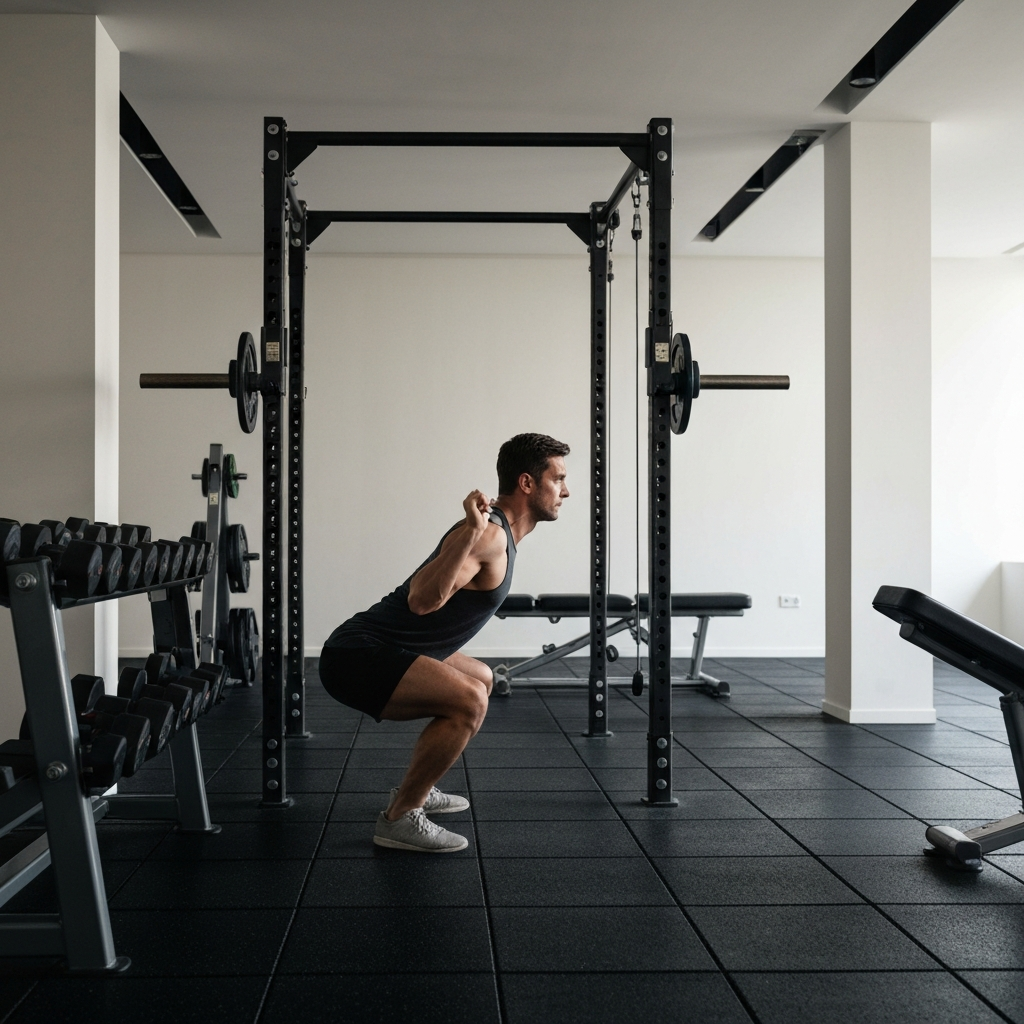
Effective training involves more than just going through the motions. It requires a structured approach that considers your specific goals, current fitness level, and individual needs. Implement a progressive overload strategy, gradually increasing the intensity, volume, or frequency of your workouts over time. This challenges your body to adapt and become stronger. Incorporate a variety of training modalities, such as strength training, cardiovascular exercise, and flexibility work, to develop well-rounded fitness. Periodization, or cycling through different training phases, can prevent plateaus and optimize results. Listen to your body and adjust your training accordingly to avoid overtraining and injury. Consider working with a qualified coach or trainer to develop a personalized training plan.
Step 3: Recovering Like a Pro: Sleep, Stress, and Restoration
Recovery is just as important as training. It's during rest and recovery that your body repairs muscle tissue, replenishes energy stores, and adapts to the demands of exercise. Prioritize sleep, aiming for 7-9 hours of quality sleep per night. Implement stress management techniques such as meditation, yoga, or spending time in nature to reduce cortisol levels, which can impair recovery. Active recovery, such as light cardio or stretching, can help improve blood flow and reduce muscle soreness. Consider using recovery tools like foam rollers or massage balls to release muscle tension. Listen to your body and take rest days when needed to prevent overtraining and injury.

Step 4: Optimizing Performance with Supplements (When Necessary)
While a well-rounded diet should be the foundation of your nutritional strategy, certain supplements can provide additional support for athletic performance. Creatine monohydrate is a well-researched supplement that can enhance strength and power output. Caffeine can improve alertness and reduce perceived exertion during exercise. Protein supplements, such as whey protein, can help support muscle recovery and growth. However, it's important to note that supplements should not replace whole foods. Consult with a healthcare professional or registered dietitian before taking any supplements to ensure they are safe and appropriate for your individual needs. Be wary of exaggerated claims and choose reputable brands that undergo third-party testing for purity and potency.
Step 5: Sharpening the Mind: Mental Strategies for Success
The mental aspect of sports and fitness is often overlooked, but it can be a crucial determinant of success. Develop a positive mindset by focusing on your strengths and celebrating your progress. Set realistic goals and break them down into smaller, manageable steps. Visualize yourself achieving your goals to boost confidence and motivation. Practice mindfulness and meditation to improve focus and reduce anxiety. Develop coping mechanisms for dealing with setbacks and challenges. Surround yourself with a supportive network of friends, family, and coaches who can provide encouragement and accountability. Remember, mental resilience is just as important as physical strength.

Safety Considerations
Prioritize safety in all aspects of your training. Warm-up properly before each workout to prepare your muscles for activity. Use proper form and technique to avoid injuries. Cool down after each workout to gradually lower your heart rate and promote recovery. Listen to your body and stop if you experience any pain. Seek medical attention if you sustain an injury. Ensure that your training environment is safe and free from hazards. Use appropriate safety equipment, such as helmets, pads, and spotters. Stay hydrated and avoid training in extreme heat or cold. Be aware of your limitations and gradually increase the intensity and volume of your training over time.
FAQ Section
Q: How much protein do I need?
A: The recommended daily protein intake for athletes is generally between 1.2 and 2.0 grams per kilogram of body weight, depending on the intensity and type of training.
Q: What's the best time to take creatine?
A: Creatine can be taken at any time of day. Some people prefer to take it before or after workouts to maximize its benefits.
Q: How can I prevent muscle soreness?
A: Stay hydrated, warm up properly before exercise, cool down after exercise, and consider using recovery tools like foam rollers or massage balls.
Conclusion
Hacking your body for sports and fitness is a journey of continuous learning and optimization. By focusing on nutrition, training, recovery, and mental strategies, you can unlock your full potential and achieve your goals more efficiently. Remember that consistency, patience, and a willingness to adapt are key to long-term success. Listen to your body, seek guidance from qualified professionals, and enjoy the process of becoming the best version of yourself.