Tired of the gym? Does the thought of another hour on the treadmill fill you with dread? You're not alone. Luckily, your body is already a perfectly equipped gym, waiting to be unlocked. This guide will show you how to leverage your daily activities and natural movements to achieve fitness gains without feeling like you're constantly "working out." We'll explore strategies to integrate movement seamlessly into your life, making fitness sustainable and enjoyable.
The key is understanding how your body responds to different stimuli and finding ways to challenge it in novel ways. This isn't about grueling workouts; it's about smart movement and consistent effort. By focusing on functional fitness and incorporating mindful movement practices, you can transform everyday activities into opportunities for strengthening, conditioning, and overall well-being. Forget the gym membership; let's tap into your inherent physical potential.
This approach also emphasizes listening to your body. Pain is a signal, not an obstacle to push through. We'll focus on building a strong foundation of movement literacy, so you can understand your body's cues and respond accordingly.
Step 1: Embrace the Power of Walking
Integrate Walking into Your Daily Routine
Walking is arguably the most accessible and underrated form of exercise. Instead of driving short distances, opt to walk. Park further away from your destination to increase your step count. Take the stairs instead of the elevator. During lunch breaks, take a brisk walk around the block. Small changes accumulate over time and can significantly impact your overall fitness.
Pay attention to your posture while walking. Engage your core muscles and maintain a neutral spine. A slight incline can increase the intensity and engage your glutes and hamstrings more effectively. Consider using a pedometer or fitness tracker to monitor your progress and set daily step goals. A good starting point is 7,000-10,000 steps per day.
A common mistake is to underestimate the benefits of walking. It's not just about burning calories; it's about improving cardiovascular health, boosting mood, and enhancing overall mobility. Make it a habit, and you'll be surprised by the results.

Step 2: Master Bodyweight Exercises
Utilize Your Own Body as Resistance
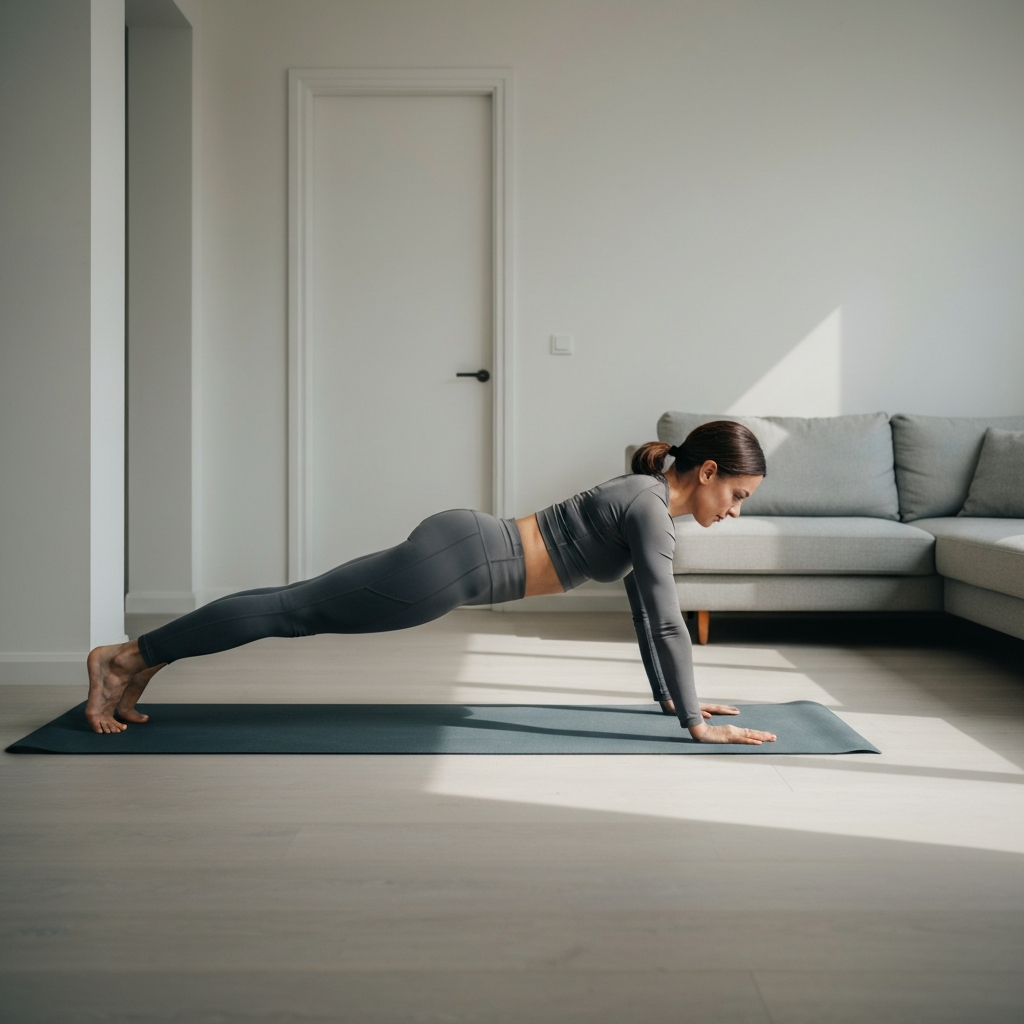
Bodyweight exercises are a fantastic way to build strength and improve functional fitness without any equipment. Exercises like squats, push-ups, lunges, and planks can be done anywhere, anytime. Focus on proper form to maximize effectiveness and prevent injuries. Start with a few repetitions and gradually increase the number as you get stronger.
For squats, ensure your knees track over your toes and keep your back straight. For push-ups, maintain a straight line from head to heels. Planks are excellent for core strength; focus on keeping your core engaged and your body in a straight line. Lunges should be performed with controlled movements, ensuring your front knee doesn't extend past your toes.
Progressive overload is key. As you get stronger, try variations of these exercises, such as incline push-ups, pistol squats, or plank variations. Record your progress to stay motivated and track your improvements. Remember to warm up before starting and cool down afterwards.
Step 3: Turn Chores into Workouts
Find Fitness Opportunities in Everyday Tasks
Household chores can be surprisingly effective workouts. Gardening involves bending, lifting, and squatting, which can strengthen your legs and core. Carrying groceries engages your arms and shoulders. Raking leaves can be a surprisingly good cardio workout. Approach these activities with intention, focusing on proper form and engaging the right muscles.
When lifting heavy objects, remember to bend your knees and keep your back straight. Engage your core muscles for stability. Break down large tasks into smaller, more manageable chunks to avoid overexertion. Listen to your body and take breaks when needed. Incorporate stretching into your chore routine to prevent stiffness and soreness.
Don't rush through your chores. Focus on mindful movement, and you'll find that you can transform mundane tasks into valuable opportunities for physical activity.

Step 4: Prioritize Active Recovery
Listen to Your Body and Recover Actively
Rest and recovery are just as important as exercise. Active recovery involves light activities, such as walking or stretching, to promote blood flow and reduce muscle soreness. Avoid prolonged periods of inactivity, as this can lead to stiffness and discomfort. Gentle movement helps to flush out metabolic waste products and speed up the healing process.
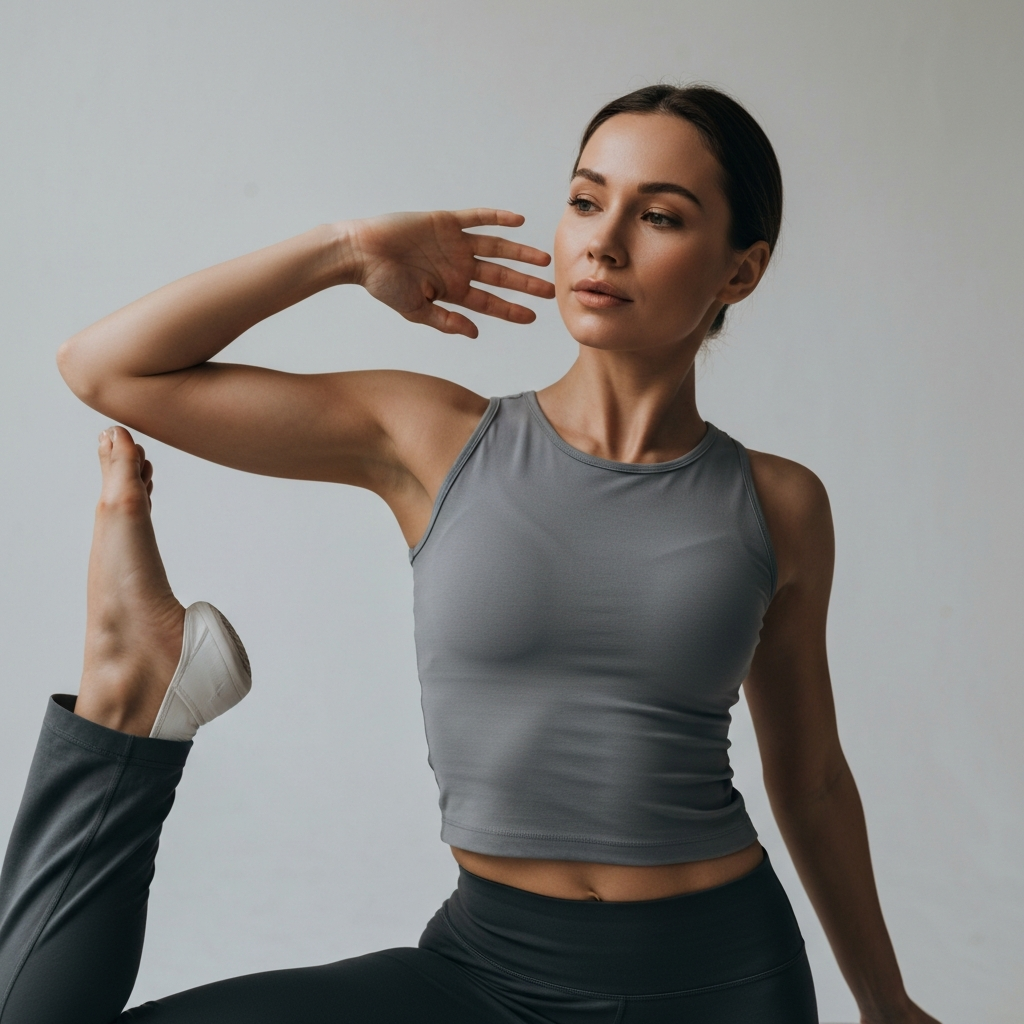
Consider activities like yoga or Pilates, which focus on flexibility, balance, and core strength. These practices can help improve your range of motion and reduce the risk of injury. Foam rolling is also an effective way to release muscle tension and improve circulation. Pay attention to your body's signals and adjust your activity levels accordingly.
Sleep is also crucial for recovery. Aim for 7-9 hours of quality sleep each night to allow your body to repair and rebuild muscle tissue.
Step 5: Mindful Movement Breaks
Incorporate Short Bursts of Activity Throughout the Day
Prolonged sitting can have negative effects on your health. Take frequent breaks to move around and stretch. Set a timer to remind yourself to get up and walk around every 30-60 minutes. Simple stretches, such as arm circles or torso twists, can help improve circulation and reduce muscle tension.
Consider incorporating mini-workouts into your breaks. Do a few squats, push-ups against your desk, or calf raises. These short bursts of activity can help boost your energy levels and improve your overall fitness. Use stairs, if available, for short cardio bursts. Explore different movements and exercises to keep your breaks interesting and engaging.
Make it a habit to be aware of your body's position and posture throughout the day. Avoid slouching and maintain a neutral spine. Use ergonomic equipment, such as a standing desk or ergonomic chair, to promote good posture and reduce the risk of musculoskeletal problems.

Common Mistakes to Avoid
- Overtraining: Pushing yourself too hard without adequate rest can lead to injuries and burnout.
- Ignoring Pain: Pain is a signal that something is wrong. Don't ignore it.
- Poor Form: Using improper form can increase the risk of injury and reduce the effectiveness of exercises.
- Inconsistent Effort: Consistency is key to achieving fitness goals.
- Neglecting Nutrition: Proper nutrition is essential for fueling your workouts and supporting recovery.
Safety Considerations
- Consult with your doctor before starting any new exercise program, especially if you have any underlying health conditions.
- Warm up before exercising and cool down afterwards.
- Listen to your body and stop if you experience any pain.
- Stay hydrated by drinking plenty of water.
- Use proper form when performing exercises.
Conclusion
Hacking your body's natural gym is about embracing a sustainable and enjoyable approach to fitness. By integrating movement into your daily life, mastering bodyweight exercises, and prioritizing active recovery, you can achieve your fitness goals without feeling like you're constantly "working out." Remember to listen to your body, focus on proper form, and be consistent with your efforts. With a little creativity and dedication, you can transform everyday activities into opportunities for strengthening, conditioning, and overall well-being.