Explosive power, often defined as the ability to exert maximal force in minimal time, is the cornerstone of athletic performance in countless sports. From sprinting and jumping to throwing and striking, the capacity to generate rapid force is what separates good athletes from truly exceptional ones. This isn't just about brute strength; it's about coordinating strength, speed, and technique to deliver impactful bursts of energy.
This comprehensive guide provides a structured approach to developing explosive power. We'll delve into the essential training principles, exercises, and recovery strategies necessary to unlock your athletic potential. It's important to remember that consistent effort and proper technique are paramount to achieving sustainable results and minimizing the risk of injury.
Whether you're a seasoned athlete looking to enhance your performance or a beginner eager to improve your overall athleticism, the principles outlined here will provide a solid foundation for building explosive power.
Step 1: Laying the Foundation: Strength Training
Before diving into explosive movements, it's crucial to establish a base level of strength. Think of strength training as building the engine of a powerful sports car. Without a strong engine, the car (you) won't be able to reach its full speed potential. Focus on compound exercises like squats, deadlifts, bench press, and overhead press. These movements engage multiple muscle groups simultaneously, promoting overall strength development and hormonal responses that contribute to muscle growth. Aim for a rep range of 3-5 sets of 5-8 repetitions for each exercise. This range optimizes strength gains while minimizing fatigue.

Step 2: Mastering Plyometrics: The Jump to Explosiveness
Plyometrics, also known as jump training, involves exercises that utilize the stretch-shortening cycle (SSC). This cycle involves a rapid eccentric (lengthening) contraction followed immediately by a rapid concentric (shortening) contraction. Imagine a rubber band: the faster you stretch it, the more powerfully it snaps back. Plyometric exercises train your muscles to store and release energy efficiently, resulting in increased power output. Examples include box jumps, depth jumps, and medicine ball throws. Start with low-intensity plyometrics and gradually progress to more challenging variations as your strength and coordination improve. Focus on proper landing mechanics to minimize the risk of injury.

Step 3: Olympic Lifting Variations: Translating Strength to Power
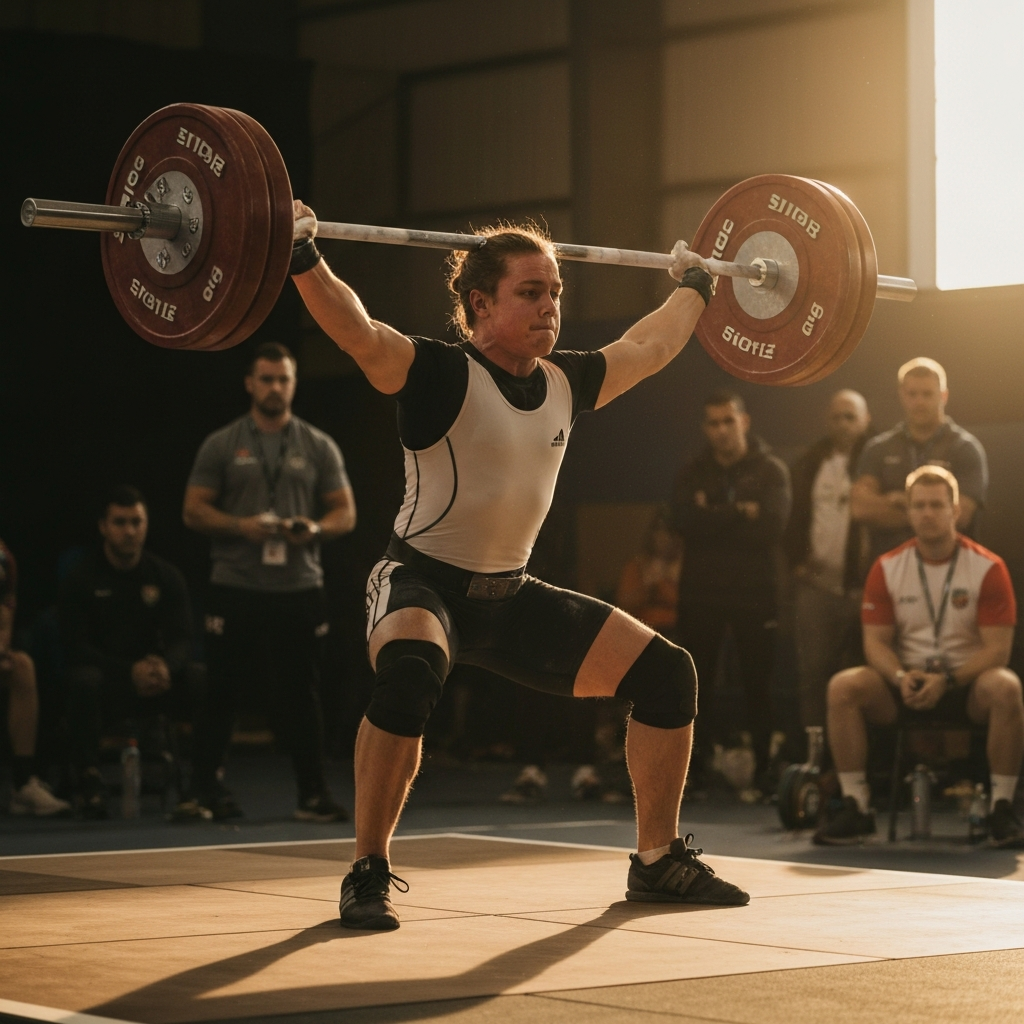
Olympic lifting, specifically the snatch and clean & jerk, and their variations (power clean, power snatch, hang clean, hang snatch), are highly effective for developing explosive power. These lifts require you to generate maximal force in a short period of time to move a heavy load. They engage the entire body and demand precise coordination. However, Olympic lifting requires proper coaching and technical proficiency to avoid injury. If you're new to Olympic lifting, seek guidance from a qualified coach. Start with lighter weights and focus on mastering the technique before increasing the load.
Step 4: Speed Work: Developing Rate of Force Development
While strength and plyometrics build the foundation, speed work is crucial for translating that power into practical movements. This involves exercises that emphasize moving quickly and efficiently. Sprints, agility drills (cone drills, shuttle runs), and resisted sprinting are all excellent options. Focus on maintaining proper form and maximizing your effort on each repetition. Rest adequately between repetitions to allow for full recovery and prevent fatigue. Include short bursts with extended rest.

Step 5: Core Stability and Power Transfer
A strong core is essential for transferring power from your lower body to your upper body. Think of your core as the bridge between your engine (legs) and your steering wheel (upper body). If the bridge is weak, the power generated by the engine will be lost before it reaches the steering wheel. Exercises like planks, Russian twists, and medicine ball slams will strengthen your core and improve your ability to generate and transfer power. Pay attention to maintaining proper spinal alignment during core exercises to prevent injury. Quality over quantity is key here.

Step 6: Recovery and Nutrition: Fueling and Repairing the Machine
Building explosive power is demanding on your body. Adequate recovery and proper nutrition are essential for allowing your muscles to repair and rebuild. Aim for 7-9 hours of sleep per night. Consume a diet rich in protein, carbohydrates, and healthy fats to fuel your workouts and support muscle growth. Consider active recovery techniques such as light stretching, foam rolling, or low-intensity cardio to reduce muscle soreness and improve circulation. Ignoring recovery will lead to overtraining, injury, and diminished performance. Prioritize sleep, hydration, and nutrient-dense foods.

Safety Considerations
- Always warm up properly before each workout.
- Use proper form and technique.
- Progress gradually, increasing the intensity and volume of your training over time.
- Listen to your body and rest when you need to.
- Seek guidance from a qualified coach or trainer if you're new to explosive training.
Pro Tips
- Record your workouts to track your progress.
- Use video analysis to assess your technique.
- Vary your training to prevent plateaus.
- Focus on quality over quantity.
FAQ Section
Q: How often should I train for explosive power?
A: 2-3 times per week is generally sufficient. Allow for adequate recovery between sessions.
Q: How long does it take to see results?
A: Results vary depending on individual factors such as training experience, genetics, and nutrition. However, you should start to notice improvements in your power output within 4-6 weeks.
Q: What if I don't have access to a gym?
A: There are many bodyweight exercises that can be used to develop explosive power, such as plyometric exercises, sprints, and agility drills.
Conclusion
Building explosive power is a multifaceted process that requires a combination of strength training, plyometrics, Olympic lifting variations, speed work, core stability, and proper recovery. By following the principles outlined in this guide, you can unlock your athletic potential and unleash your inner athlete. Remember to prioritize proper technique, progress gradually, and listen to your body. With consistent effort and dedication, you'll be well on your way to achieving your power goals.