Unlocking your body's natural fat-burning capabilities isn't about fad diets or unsustainable workout routines. It's about understanding the intricate processes that govern metabolism and making strategic lifestyle adjustments to optimize them. This guide provides actionable steps, grounded in science, to help you tap into your body's inherent ability to burn fat efficiently and effectively. The key is consistency and a holistic approach, focusing on nutrition, exercise, sleep, and stress management.
Before diving in, it's important to remember that everyone's body is unique. What works wonders for one person may not be as effective for another. Pay close attention to how your body responds to each change, and adjust accordingly. Listen to your body, and consult with a healthcare professional or registered dietitian before making any significant dietary or lifestyle changes, especially if you have underlying health conditions. This is about empowering yourself with knowledge, not replacing personalized medical advice.
Embark on this journey with patience and commitment. Lasting results take time and dedication. By implementing these strategies, you can transform your body into a lean, efficient, and healthy fat-burning machine.
Step 1: Optimize Your Gut Health
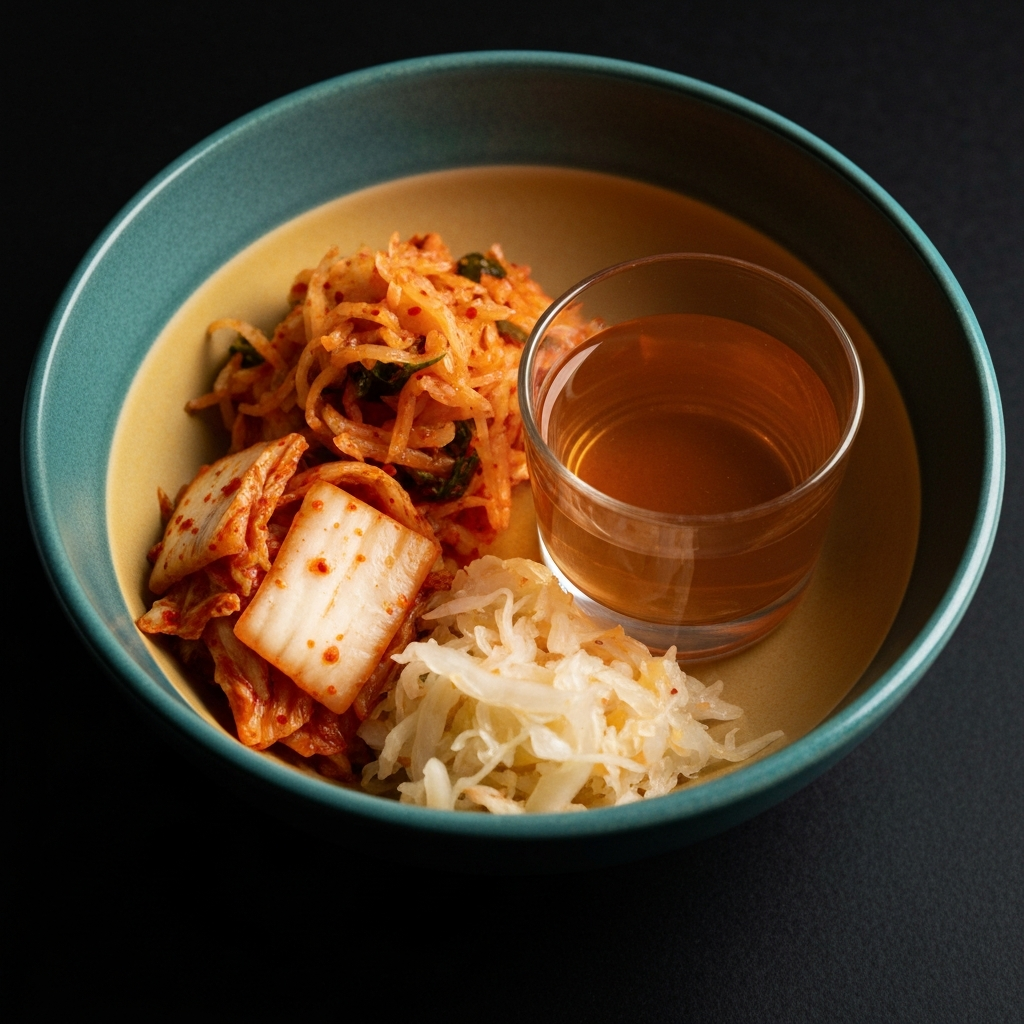
A healthy gut is crucial for efficient nutrient absorption and a robust metabolism. An imbalance in gut bacteria can lead to inflammation, which hinders fat burning. Prioritize probiotic-rich foods like sauerkraut, kimchi, and kombucha to introduce beneficial bacteria into your digestive system. These fermented foods help balance your gut bacteria, which can improve your overall gut health and potentially help your stomach lining heal itself.
Step 2: Prioritize Protein Intake
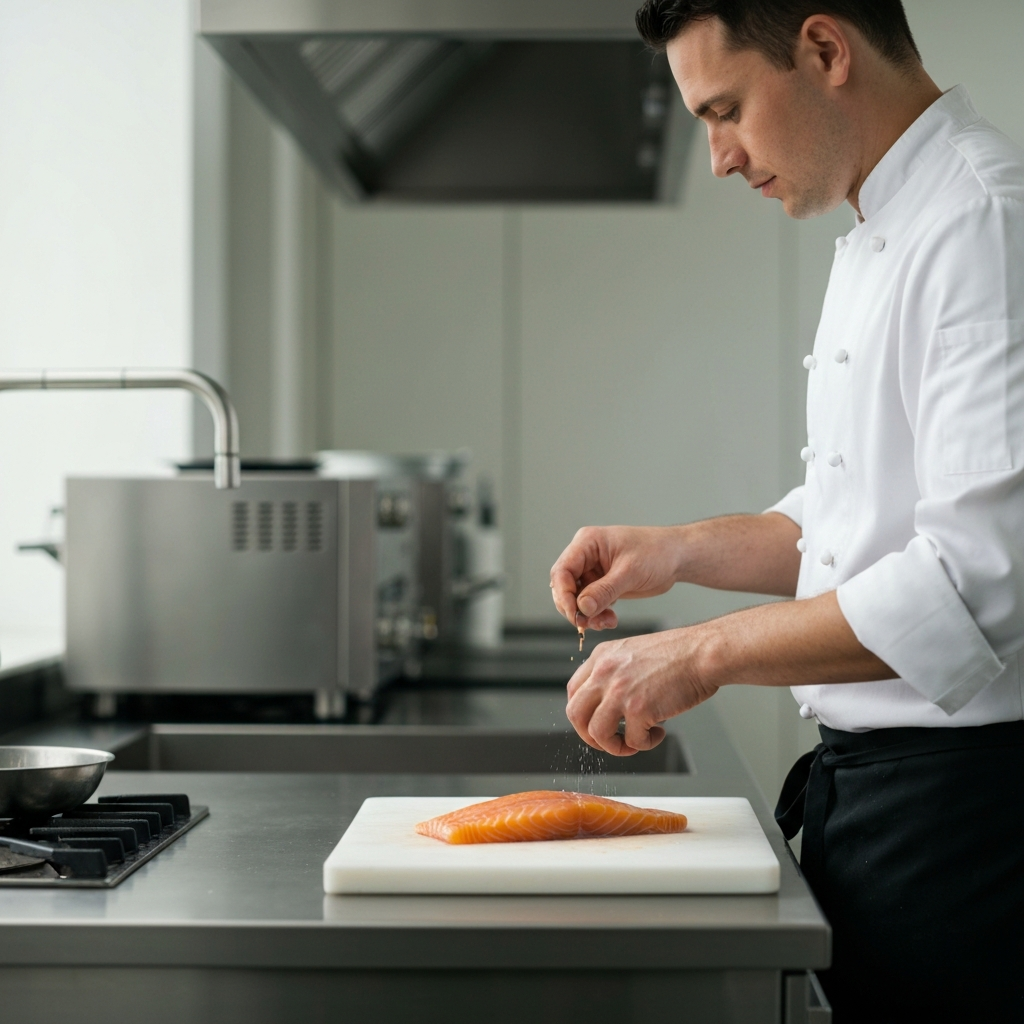
Protein is essential for building and maintaining muscle mass. Muscle tissue is metabolically active, meaning it burns more calories at rest than fat tissue. Aim for a consistent protein intake throughout the day, incorporating lean sources like chicken, fish, beans, and lentils into your meals. Protein also has a higher thermic effect of food (TEF) than carbohydrates or fats, meaning your body burns more calories digesting it.
Step 3: Embrace High-Intensity Interval Training (HIIT)
HIIT involves short bursts of intense exercise followed by brief recovery periods. This type of training is incredibly effective for boosting metabolism and burning fat. HIIT workouts elevate your heart rate and create an "afterburn effect," where your body continues to burn calories even after you've finished exercising. Incorporate HIIT into your workout routine 2-3 times per week, but be careful to avoid over-exertion which can cause symptoms to flare up or get worse.

Step 4: Prioritize Sleep
Sleep deprivation disrupts hormone levels, including those that regulate appetite and metabolism. Lack of sleep can increase cortisol, a stress hormone that promotes fat storage, and decrease leptin, a hormone that signals satiety. Aim for 7-9 hours of quality sleep each night to optimize hormone balance and support fat burning.

Step 5: Manage Stress Levels
Chronic stress can wreak havoc on your body's ability to burn fat. Elevated cortisol levels not only promote fat storage but also increase cravings for sugary and processed foods. Find healthy ways to manage stress, such as meditation, yoga, spending time in nature, or engaging in hobbies you enjoy. In addition to your mental health, stress can also affect your gut health, which can make it more difficult for your stomach to heal itself.

Step 6: Avoid Processed Foods, High-Fat, and High-Sugar Foods
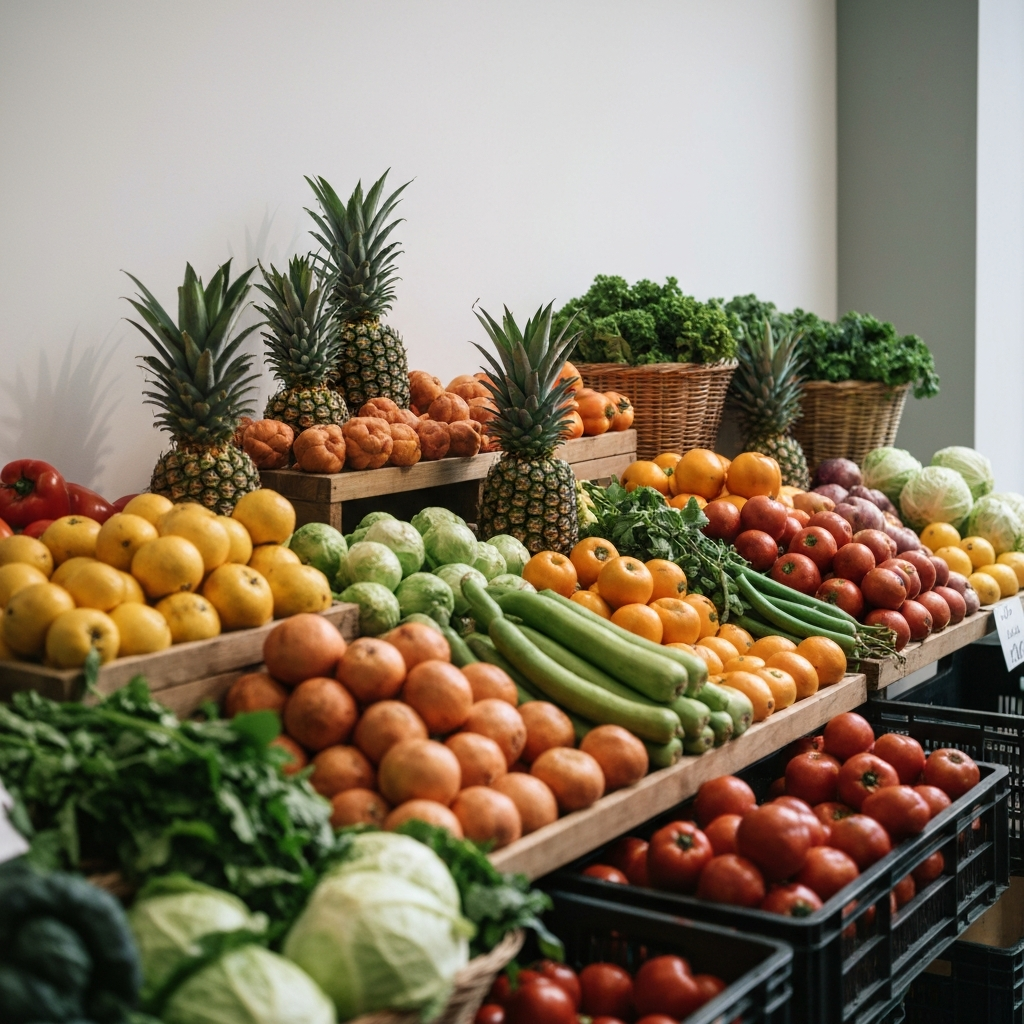
Fatty, sugary foods are harsh on your stomach lining and more difficult to process and digest. These foods often lack essential nutrients and can contribute to inflammation, hindering fat burning. Focus on whole, unprocessed foods that provide sustained energy and support overall health. Processed foods include fast food, junk food, and processed meats. Keep an eye out for added sugars. Check the nutrition facts before you eat or drink something to make sure it isn’t loaded with extra sugar.
Step 7: Cut Back on Caffeine and Stop Drinking Alcohol
Caffeine and alcohol can be pretty harsh on your stomach and potentially irritate your stomach lining. Try cutting back on coffee and tea to see if that helps with your symptoms. If you can, try to cut it out of your daily routine entirely. It’ll give your stomach a break so it can focus on healing itself. Alcohol can irritate and inflame your stomach, especially if your stomach lining is sensitive or damaged. Try cutting it out entirely to give your stomach a break so it can heal itself.

Common Mistakes to Avoid
- Drastic Calorie Restriction: Severely limiting calories can slow down your metabolism and lead to muscle loss.
- Ignoring Macronutrient Balance: Focus on a balanced intake of protein, carbohydrates, and healthy fats.
- Skipping Meals: Skipping meals can disrupt blood sugar levels and lead to overeating later.
- Not Drinking Enough Water: Dehydration can slow down metabolism and hinder fat burning.
- Lack of Consistency: Results take time, so stay consistent with your efforts.
FAQ Section
Q: How long will it take to see results?
A: Results vary depending on individual factors, but you can expect to see noticeable changes within a few weeks of consistently implementing these strategies.
Q: Is it necessary to count calories?
A: While counting calories can be helpful for some, it's not essential. Focus on eating whole, unprocessed foods and listening to your body's hunger cues.
Q: Can I still enjoy my favorite foods?
A: Yes, moderation is key. You don't have to completely eliminate your favorite foods, but be mindful of portion sizes and frequency.
Q: What if I experience a plateau?
A: Plateaus are normal. Adjust your calorie intake, exercise routine, or sleep schedule to overcome them.
Q: What if I have pain or discomfort in my stomach?
A: Talk to your doctor if you have persistent pain or discomfort. If your stomach continues to bother you, make an appointment to see your doctor. Your doctor can also recommend medications and lifestyle changes that can help.
Safety Considerations
Consult with a healthcare professional or registered dietitian before making any significant dietary or lifestyle changes, especially if you have underlying health conditions. Be mindful of your body's limits and avoid overtraining. Listen to your body. Avoid over-exercising to keep from over-stressing your stomach. Overwork or over-exertion can cause your symptoms to flare up or get worse.
In conclusion, hacking your body's fat-burning potential involves a multifaceted approach that encompasses nutrition, exercise, sleep, and stress management. By making strategic lifestyle adjustments and consistently implementing these strategies, you can unlock your body's inherent ability to burn fat efficiently and effectively. Remember to listen to your body, consult with healthcare professionals when needed, and prioritize a holistic approach for sustainable results.